
Bhandak Thatch
Nature near Manikaran, Himachal Pradesh
1.9 km from Manikaran
The nearest town, for stays, food and fuel.
Bhandak Thatch is a scenic alpine meadow situated above the village of Kalga in the upper reaches of Himachal Pradesh's Parvati Valley. Framed by dense conifer woodlands and jagged Himalayan peaks, it serves as a rewarding destination for day hikers and nature enthusiasts. Visitors come to explore its serene forest trails, experience traditional pastoral grazing grounds, and enjoy quiet mountain panoramas away from busier valley hubs.
Getting there
By road
- From ManikaranNearest town4 min · 2.2 km
- From Chandigarh5 hr 30 min · 250 km
- From Ludhiana5 hr 55 min · 280 km
- From Amritsar8 hr · 390 km
Typical drive times without traffic. Stations and airports from OLA Maps; distances and typical drive times from OpenStreetMap (© OpenStreetMap contributors); notes from creators' Reels.
About Bhandak Thatch
Written with AI from map data and general knowledge. Check prices and timings locally before you go.
The Landscape of Bhandak Thatch
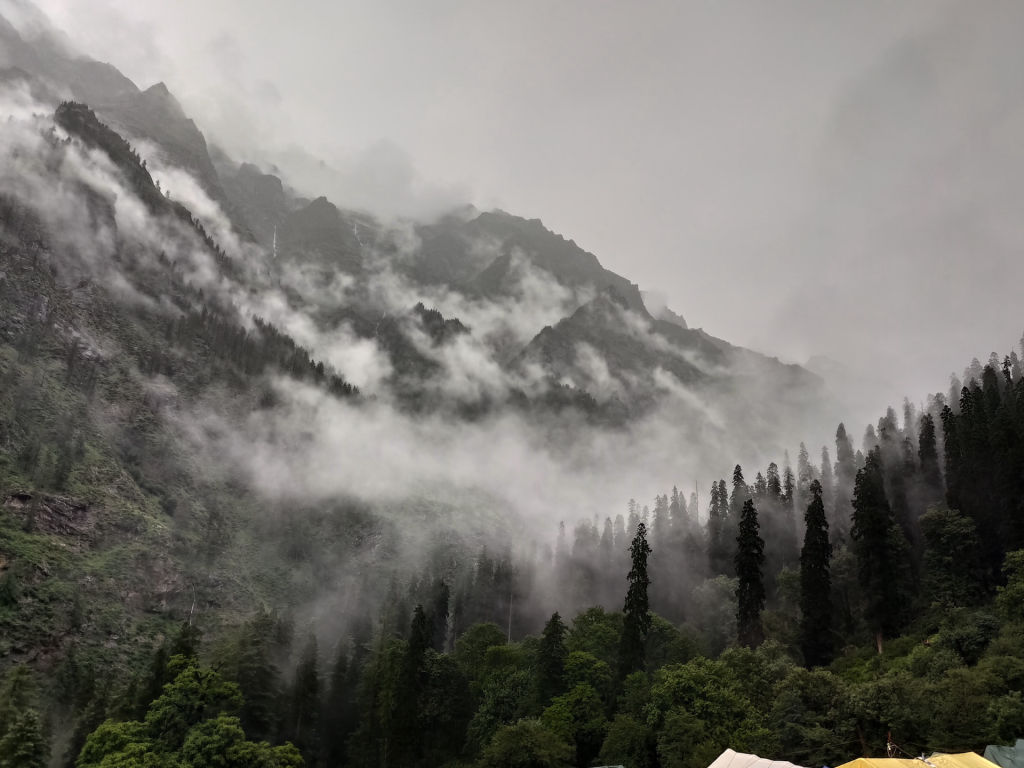
In the local dialect of Himachal Pradesh, the word thatch refers to a high-altitude meadow or pasture used historically by mountain shepherds. Bhandak Thatch lives up to this name, offering a broad natural clearing surrounded by dense pine, deodar, and silver fir forests. Perched high above the river gorges, the clearing opens up expansive vistas of snow-dusted ridges and cascading valley slopes.
The ground at Bhandak Thatch is carpeted with mountain grasses, mosses, and seasonal alpine flowers. During the warmer months, the meadow provides grazing for local flocks of sheep and cattle, while the surrounding forest remains largely undisturbed. The contrast between deep shaded woods and bright open skies makes it one of the most picturesque natural clearings in the upper Kullu district.
Trekking to Bhandak Thatch
Reaching Bhandak Thatch requires a scenic uphill walk, usually started from the settlement of Kalga or the roadhead area near Barsheni. The trail ascends through ancient apple orchards before plunging into thick, atmospheric pine and spruce woods. The path is narrow and predominantly earthen, following natural contours, exposed tree roots, and occasional stone steps laid out by local villagers and herders.
The hike is moderately demanding due to the sustained incline, but it is manageable for anyone with a reasonable degree of physical fitness. Because the trail winds through deep tree canopy for much of the way, it stays cool and shaded even on brighter days. As you gain elevation, the trees thin out gradually, leading directly into the sprawling grassy expanses of the thatch.
Read more
Best Time to Visit Bhandak Thatch
The ideal period to visit Bhandak Thatch runs from late spring through autumn, specifically from May to June and September to November. During May and June, the winter snows have melted away, leaving the meadow lush, vibrant, and dotted with wild mountain blooms. The weather during these months is generally mild during the day, making it comfortable for walking and outdoor exploration.
Monsoon season, spanning July and August, brings heavy rains to Himachal Pradesh. While the meadows turn intensely green, trails can become slick with mud, and mountain roads in Kullu Sub-District are often vulnerable to landslides. When the rains clear in September and October, the autumn air turns crisp, the skies become crystalline, and visibility of distant Himalayan summits is at its absolute best. By December, snowfall blankets the meadow, turning it into a silent winter landscape suitable only for experienced hikers equipped for snow travel.
Flora and Mountain Surroundings
The ecosystem surrounding Bhandak Thatch is typical of the sub-alpine zones in the Western Himalayas. Towering Himalayan cedar, blue pine, and spruce dominate the lower and middle slopes, interspersed with stands of oak and rhododendron that bloom with red and pink blossoms in early spring. Higher up near the edges of the thatch, hardy birch and juniper trees withstand the biting winter winds.
The tranquil woodland environment supports diverse mountain birdlife. Careful observers might spot monal pheasants, laughingthrushes, Himalayan griffons riding thermal drafts overhead, and various woodpeckers within the forest canopy. Small alpine mammals, such as pikas and flying squirrels, also inhabit the rock piles and tree hollows bordering the pasture.
Places to Explore Nearby
The region around Bhandak Thatch is filled with traditional villages and renowned trekking routes. Just below the trail lies Kalga, a peaceful settlement surrounded by apple orchards, known for its wooden architecture and slow pace of life. Adjacent to Kalga are the sister hamlets of Pulga and Tulga, each offering distinct vantage points, historic village houses, and tranquil pine forest walks.
For those drawn to longer walking routes, the trailhead for the well-known trek to Kheerganga begins near Barsheni. Further down the valley, Manikaran offers hot mineral springs and rich cultural heritage at its riverside shrines. The wider Kullu and Sainj region also gives access to the boundary ridges of the Great Himalayan National Park, making Bhandak Thatch an excellent stop within a broader exploration of the upper valley.
Practical Tips for Hikers
When planning an excursion to Bhandak Thatch, proper preparation ensures a smooth and safe outing. Sturdy trekking boots or trail shoes with reliable grip are essential, as the route features uneven ground, loose soil, and damp sections under the forest cover. Because mountain weather can change suddenly, carrying layers, including a windproof fleece and a lightweight waterproof jacket, is always advisable.
There are no commercial facilities or permanent food stalls directly on the meadow, so hikers should carry adequate drinking water, snacks, and a personal trash bag. Everything packed in must be carried back down to protect the delicate mountain ecology. It is also wise to begin your hike early in the day to allow ample time for the ascent and return before twilight sets in.
Where to Stay near Bhandak Thatch
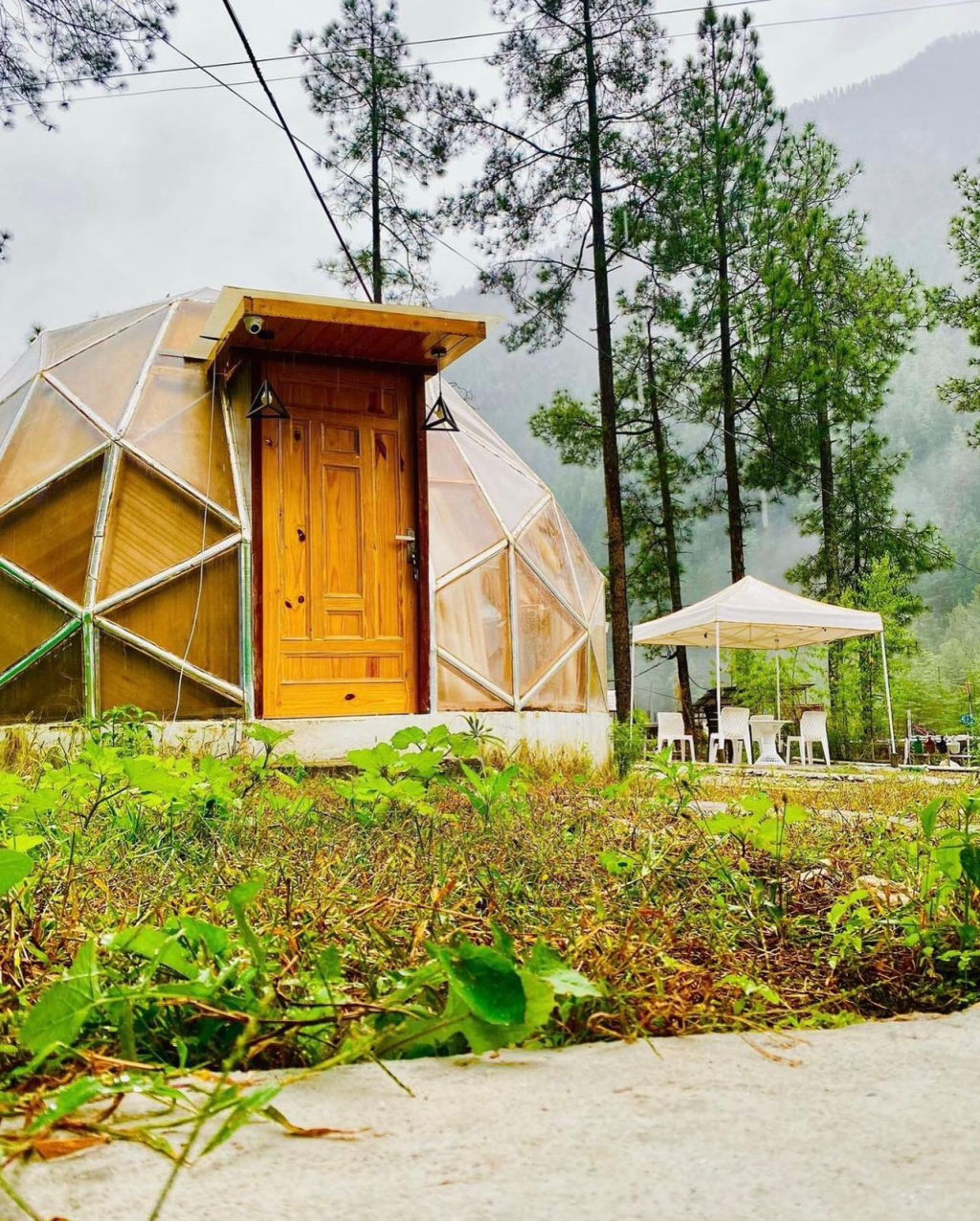
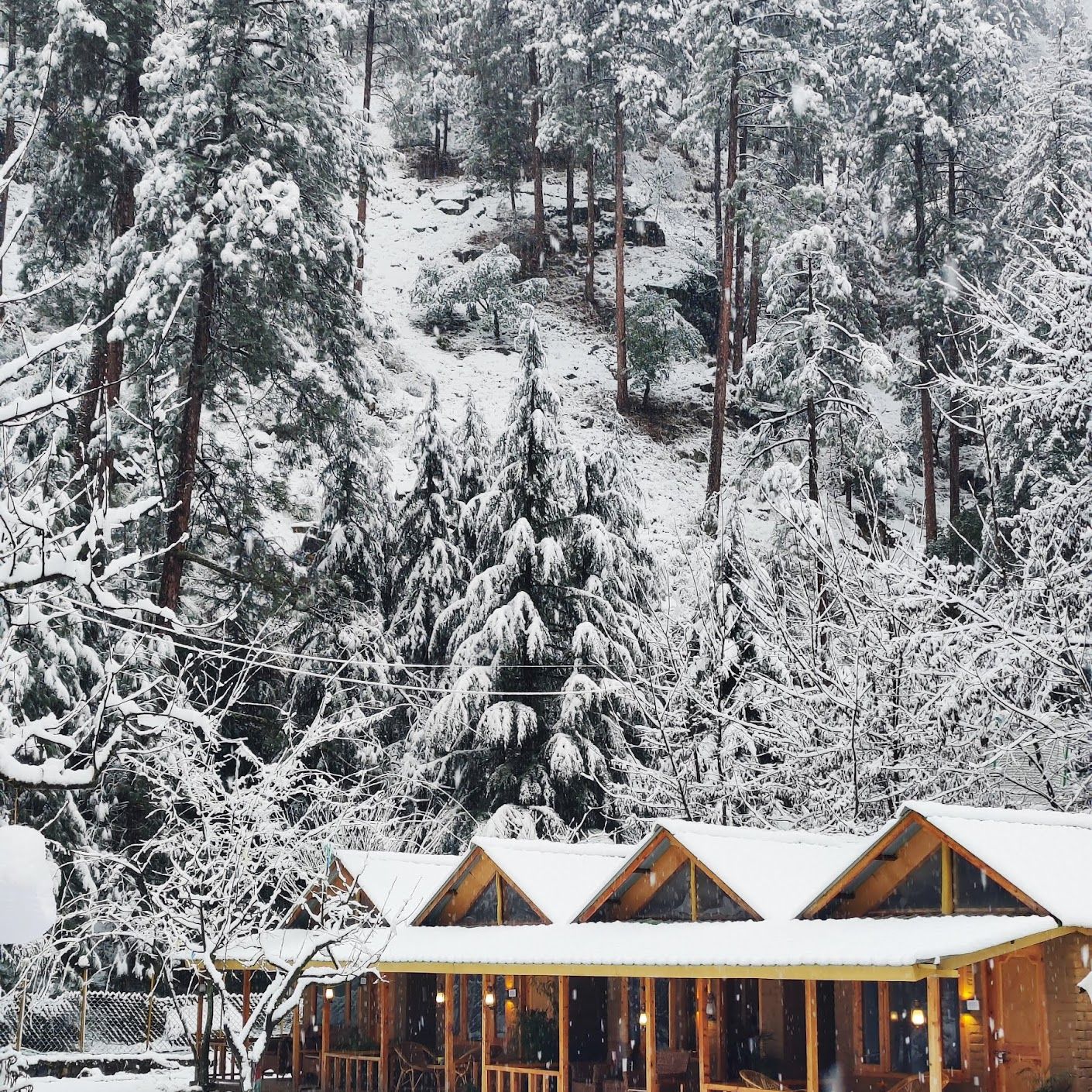
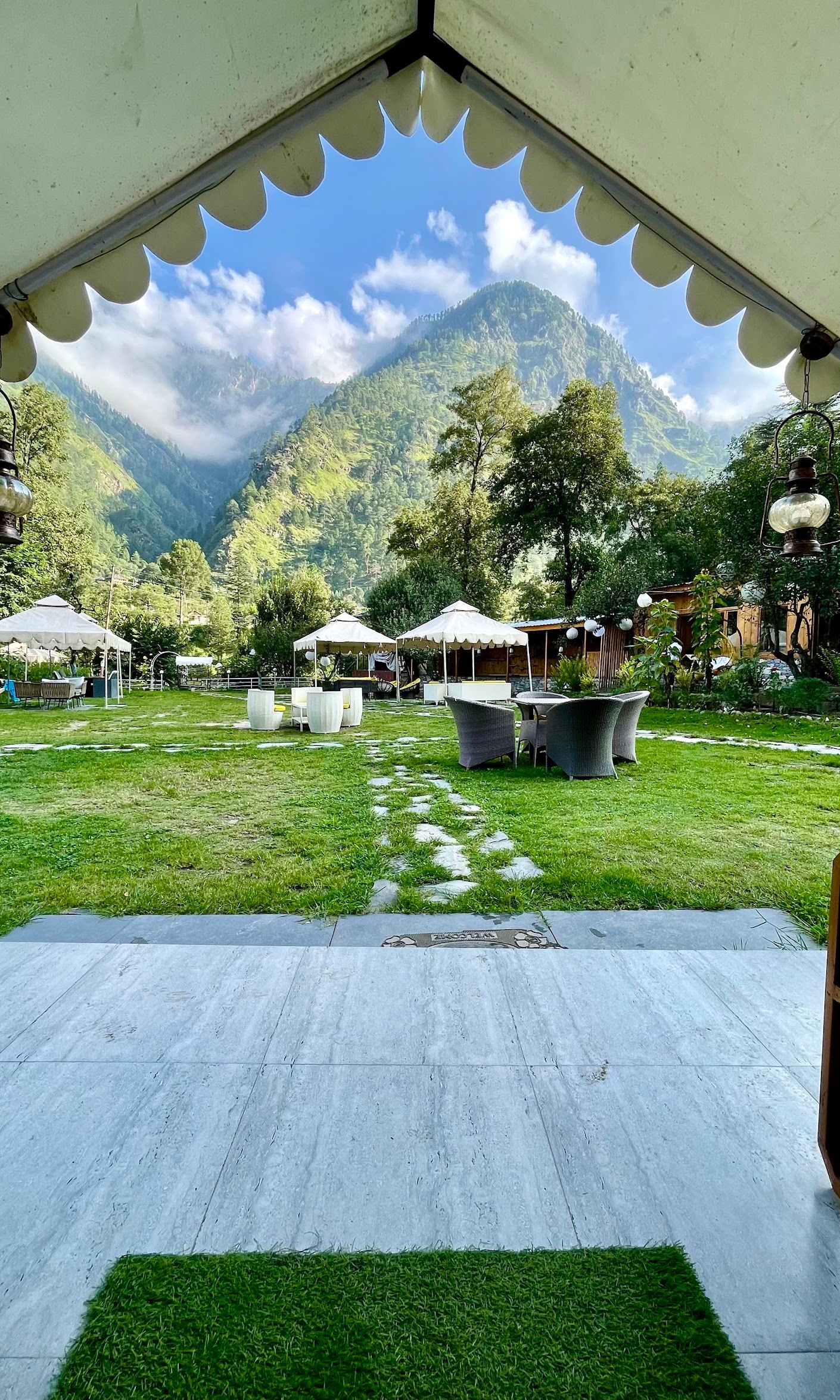
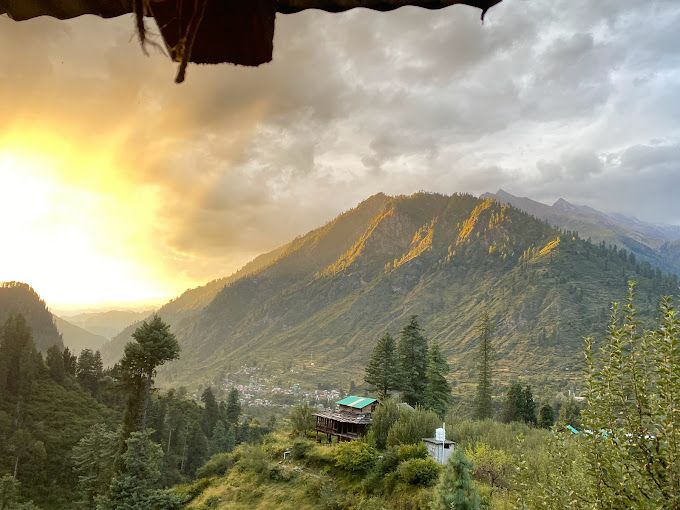
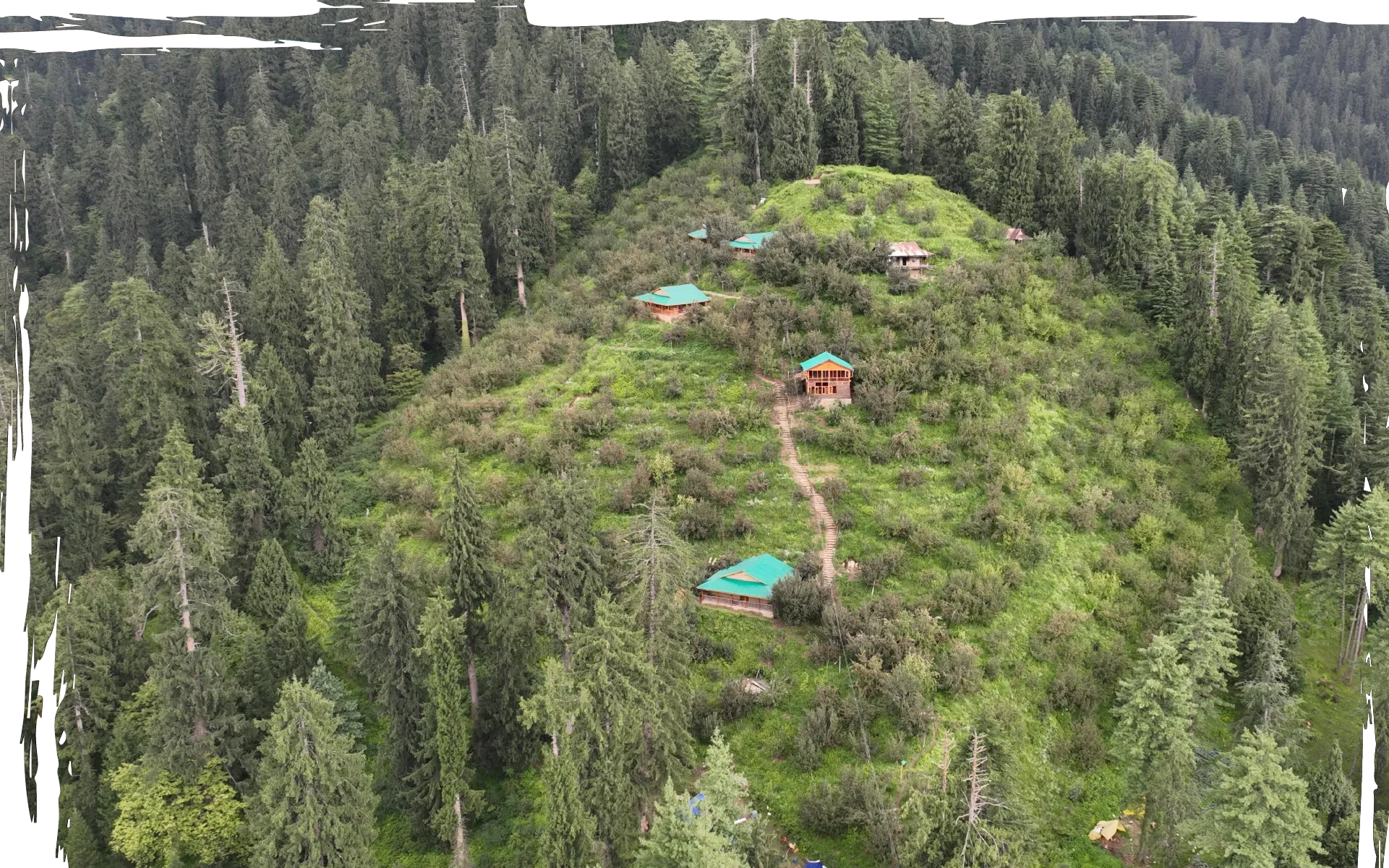
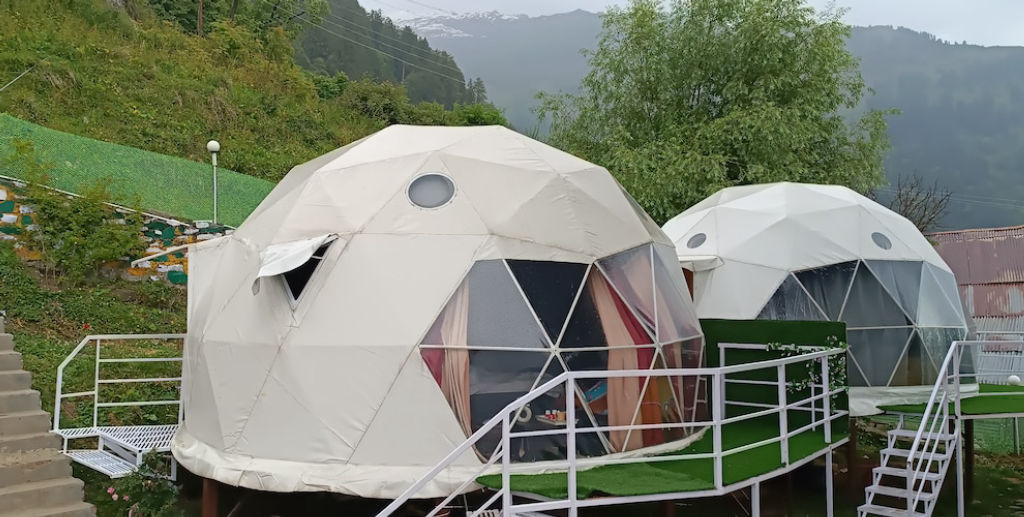
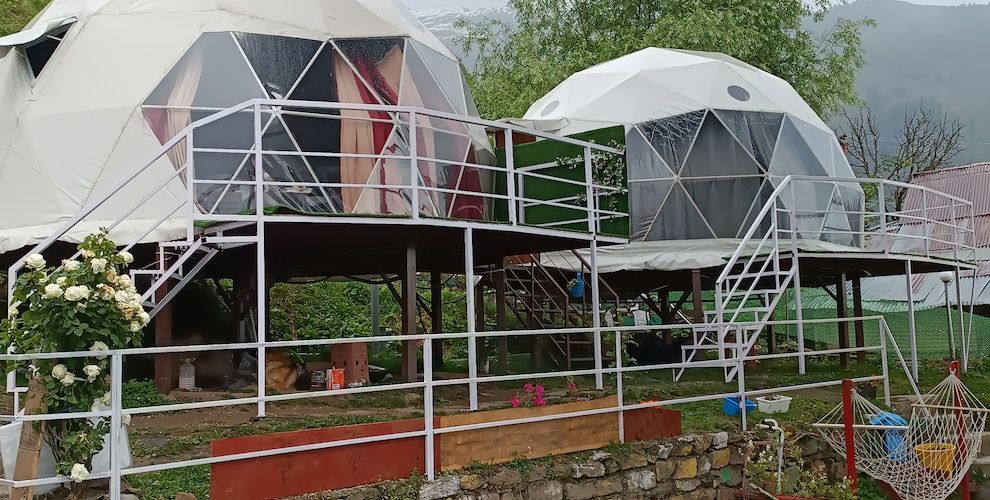
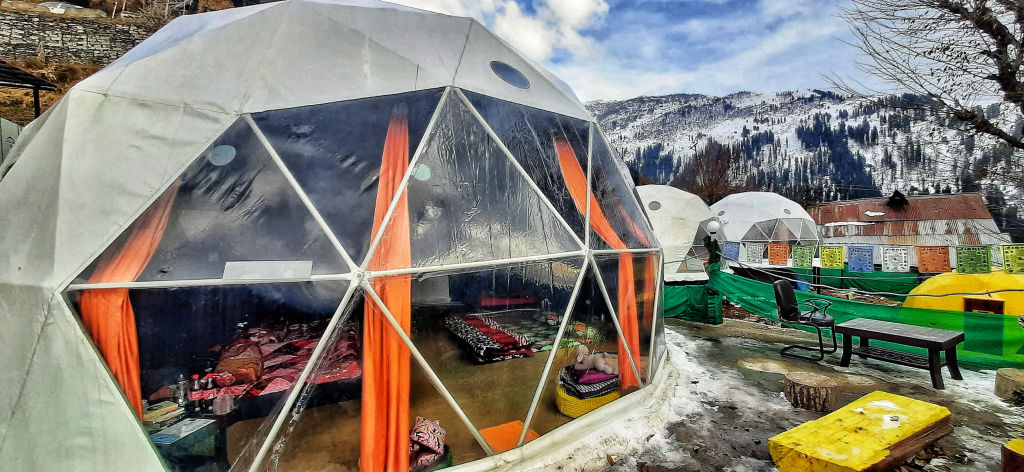
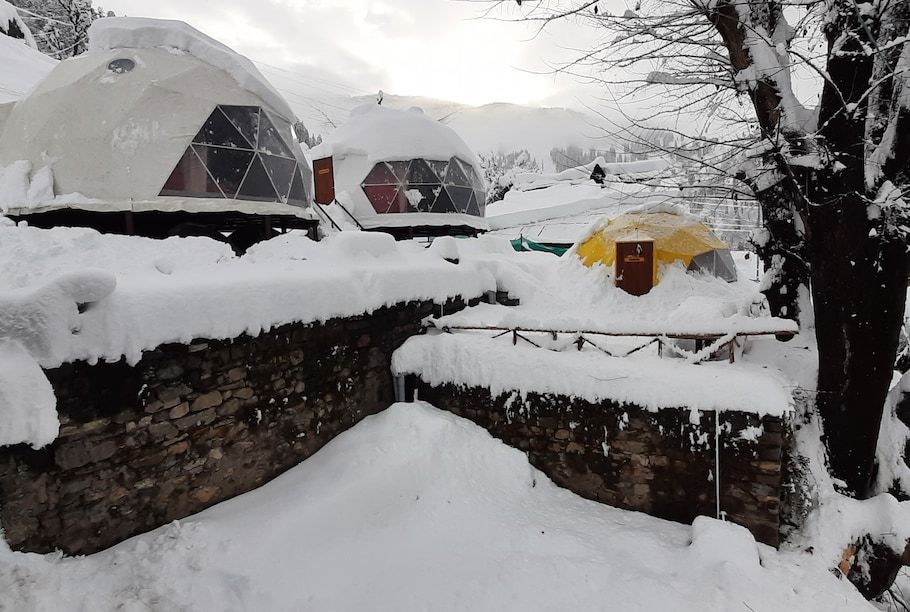
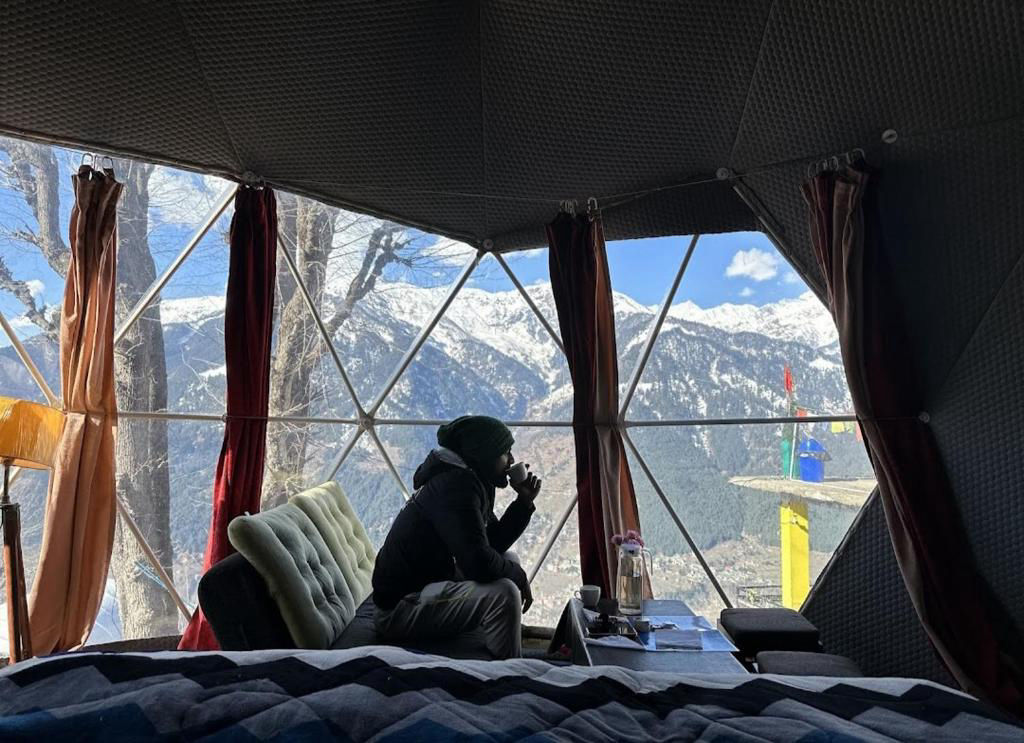
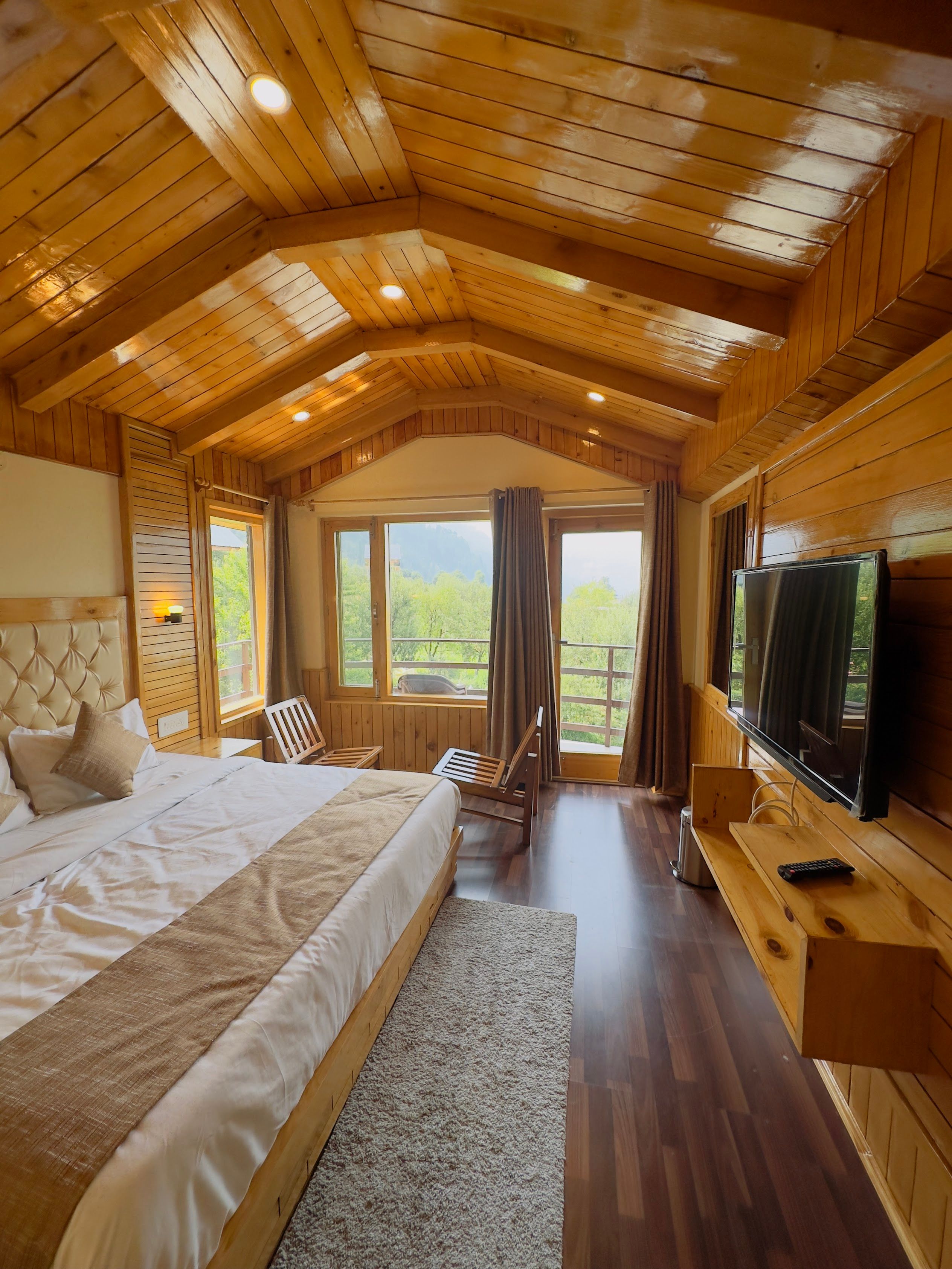
While Bhandak Thatch itself is an open pasture without built lodging, excellent accommodation options are available in the lower villages. Settlements like Kalga, Pulga, and nearby rural hamlets feature rustic wooden homestays, traditional guesthouses, and scenic campsites set amid orchards and pine groves.
Staying in one of these quiet villages allows you to experience authentic mountain hospitality, sample home-cooked regional food, and easily embark on a day trek up to the meadow. A wide variety of verified homestays, nature retreats, and eco-camps across the surrounding valley can be found and booked on HireACamp.
Frequently asked questions
Where is Bhandak Thatch located?
Bhandak Thatch is situated in the upper Parvati region of Kullu Sub-District in Himachal Pradesh, positioned in the hills above the village of Kalga and the Barsheni roadhead.
Can Bhandak Thatch be visited as a day trip?
Yes, Bhandak Thatch is commonly visited as a day hike from base villages such as Kalga or Pulga, allowing you to reach the meadow, spend time relaxing, and walk back before evening.
What is the terrain like on the trek to Bhandak Thatch?
The trail climbs through dense pine and conifer forests, featuring earthen paths, natural rock steps, and exposed roots before emerging into an open, grassy alpine meadow.
Are there food stalls or shops at Bhandak Thatch?
No, there are no permanent shops or commercial food stalls on the meadow. You should carry your own drinking water, meals, and snacks from the villages below.
Do I need a local guide to reach Bhandak Thatch?
While the trail is generally straightforward for confident hikers, taking along a local guide or asking village residents for directions is recommended to ensure you stay on the correct path through the forest.
Where you'll be
Barsheni Rd, Kalgha, Sosan, Himachal Pradesh 175105, Kullu Sub-District · 12 stays nearby shown with prices
Stays near Bhandak Thatch
Book a place to stay close by
More places near Bhandak Thatch
Within 20 km


Built from 0 Instagram posts by 0 creators. Every tip links back to the post it came from, and where creators disagree we show both sides.






