
Manikaran Hot Springs
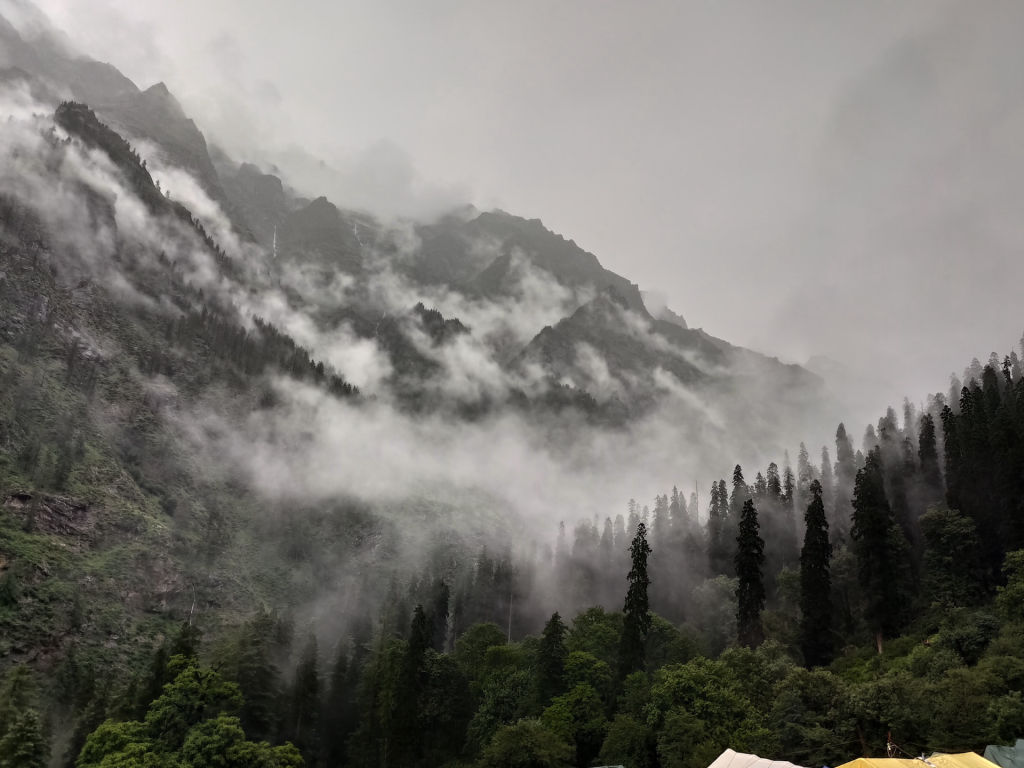
Nature near Manikaran, Himachal Pradesh
600 m from Manikaran
The nearest town, for stays, food and fuel.
Manikaran Hot Springs are natural geothermal springs situated along the banks of the Parvati River in Himachal Pradesh's Kullu district. Known for their boiling temperatures and rich mineral content, these thermal waters have drawn pilgrims, wellness seekers, and travellers for generations. The site holds immense cultural importance, closely linked with Gurudwara Manikaran Sahib and ancient riverside Hindu temples.
Getting there
By road
- From ManikaranNearest town1 min · 700 m
- From Chandigarh5 hr 30 min · 252 km
- From Ludhiana6 hr · 281 km
- From Amritsar8 hr · 392 km
Typical drive times without traffic. Stations and airports from OLA Maps; distances and typical drive times from OpenStreetMap (© OpenStreetMap contributors); notes from creators' Reels.
About Manikaran Hot Springs
Written with AI from map data and general knowledge. Check prices and timings locally before you go.
About Manikaran Hot Springs
Nestled deep in the rugged folds of the Parvati Valley in Himachal Pradesh, the Manikaran Hot Springs are among the most renowned geothermal sites in northern India. Located in the Kullu sub-district along the banks of the fast-flowing Parvati River, these natural thermal springs emerge at scalding temperatures from the earth. Steam rises steadily across the riverbank, carrying a distinctive sulfurous mineral scent that announces the subterranean energy below.
For centuries, the hot springs have served as a confluence of faith, nature, and physical restoration. Hindu and Sikh pilgrims travel here year-round to bathe in the regulated mineral baths and pay homage at riverside shrines. Beyond the spiritual heritage, the setting creates a dramatic natural contrast, where freezing glacial currents rush directly alongside bubbling thermal vents.
Geothermal Wonder and Cultural Heritage
The geothermal activity at Manikaran is unusually powerful, with spring temperatures reaching and often exceeding the boiling point at this elevation. In fact, the water is hot enough to cook food without firewood or gas. Inside the community kitchens of Gurudwara Manikaran Sahib, large vessels packed with rice, lentils, and potatoes are submerged directly into steaming pools, cooking daily meals for hundreds of worshippers and visitors.
According to regional belief, Lord Shiva and Goddess Parvati spent eleven centuries meditating in this valley. When Parvati lost a precious gemstone in the stream, Shiva's cosmic dance caused the ground to boil, forcing jewels and thermal waters to burst through the valley floor. For Sikh devotees, the site is revered for the visit of Guru Nanak Dev Ji and his companion Bhai Mardana, who is said to have lifted a stone to discover boiling water to prepare food for the congregation. Today, separate covered bathing halls allow men and women to immerse themselves in regulated thermal pools safely.
Read more
Best Time to Visit Manikaran Hot Springs
Visiting Manikaran Hot Springs offers distinctly different experiences across the seasons. The summer window from April to June is the most popular time to travel through the Parvati Valley. Pleasant daytime temperatures, accessible mountain roads, and clear skies make this an ideal period for sightseeing and combining Manikaran with nearby village walks.
The monsoon months of July and August bring heavy downpours to the western Himalayas. The Parvati River swells dramatically, and the steep mountain roads connecting the valley are vulnerable to landslides and travel disruptions. Visitors planning a monsoon journey should check local road and weather reports before departing.
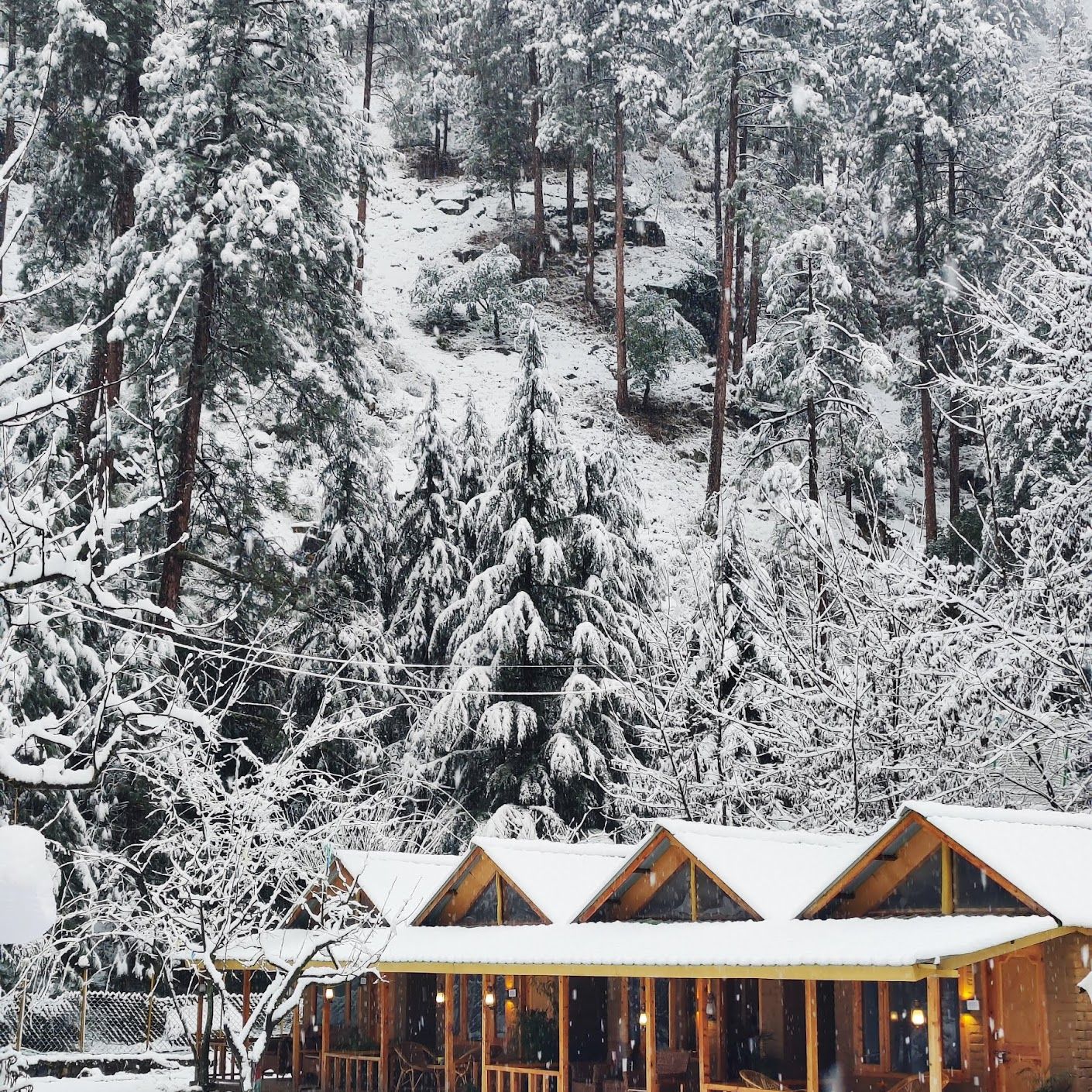
From September to November, autumn brings crisp mountain air and clear panoramic vistas across the pine ridges. Winter, from December to February, is cold and quiet. While ambient temperatures regularly dip toward freezing, soaking in the piping-hot thermal waters while looking out at frosty hillsides and pine woods is one of the most rewarding cold-weather experiences in the region.
Things to Do at Manikaran Hot Springs
A primary highlight of visiting Manikaran is bathing in the mineral-rich waters. The spring water contains sulfur and several natural minerals known traditionally to soothe aching muscles, joint stiffness, and fatigue after long mountain journeys. Enclosed bathhouses within the gurudwara complex and local public facilities ensure privacy, with distinct areas set aside for men and women.
Beyond bathing, spending time at Gurudwara Manikaran Sahib offers a memorable cultural experience. Guests can observe the natural cooking pools in action and sit down for the langar, a free community meal served to all without distinction. Across the pedestrian footbridges, ancient stone temples dedicated to Lord Shiva, Lord Rama, and Goddess Parvati feature intricate wooden carvings and traditional pahadi architecture. Taking a leisurely walk across the suspension bridges over the Parvati River provides panoramic views of steam rising from the rocky banks against towering green mountains.
Places to Visit Nearby
A trip to Manikaran can be paired with several scenic destinations across the Parvati Valley and neighboring regions. A short drive down the valley brings you to Kasol, a well-known mountain settlement famous for riverside pine trails, bustling market stalls, and a lively café culture. Kasol serves as an accessible base for day walks to quaint settlements like Chalal.
Further up the valley toward Barshaini, trails branch out toward quiet traditional hamlets like Pulga, Kalga, and Tosh. Pulga is widely admired for its wooden homes and ancient deodar groves. Barshaini is also the starting point for the popular trek to Kheerganga, another natural hot spring located high up on an alpine meadow. Travellers journeying south into the lower Kullu valleys can head toward the Sainj Valley to see the pristine meadows of Shangarh and the ancient Shangchul Mahadev Temple, or arrange wilderness excursions into the Great Himalayan National Park.
How to Reach Manikaran Hot Springs
Manikaran is located in the Parvati Valley of Kullu district and is accessed primarily by road. The nearest regional airport and major road junction is at Bhuntar, situated roughly thirty-five to forty kilometres away. Bhuntar connects directly to Chandigarh and Delhi through regular bus routes and scheduled flights.
From Bhuntar, regular state-run buses, shared transport, and private taxis make the run up the valley via Jari and Kasol to Manikaran. The road follows the course of the Parvati River through steep gorges and forested curves. Travel times can vary depending on weather and seasonal traffic, especially during peak summer months when travellers flock to the valley.
Tips for Visiting Manikaran Hot Springs
Because natural vents emerge at boiling temperatures, visitors must never dip hands or feet into uncontained pools or outdoor cooking springs. Severe scalds can occur quickly. Stick strictly to designated bathing tanks where the water is channeled and tempered for safe human use.
When visiting the gurudwara and local temples, observe regional customs by dressing conservatively with shoulders and knees covered. Remove footwear at entrance points and keep your head covered with a scarf or bandana inside the sacred precincts. Bring a change of dry clothes, a towel, and slip-resistant footwear suitable for wet stone pathways around the bathhouses. Warm clothing is recommended for mornings and evenings across most of the year.
Where to Stay near Manikaran
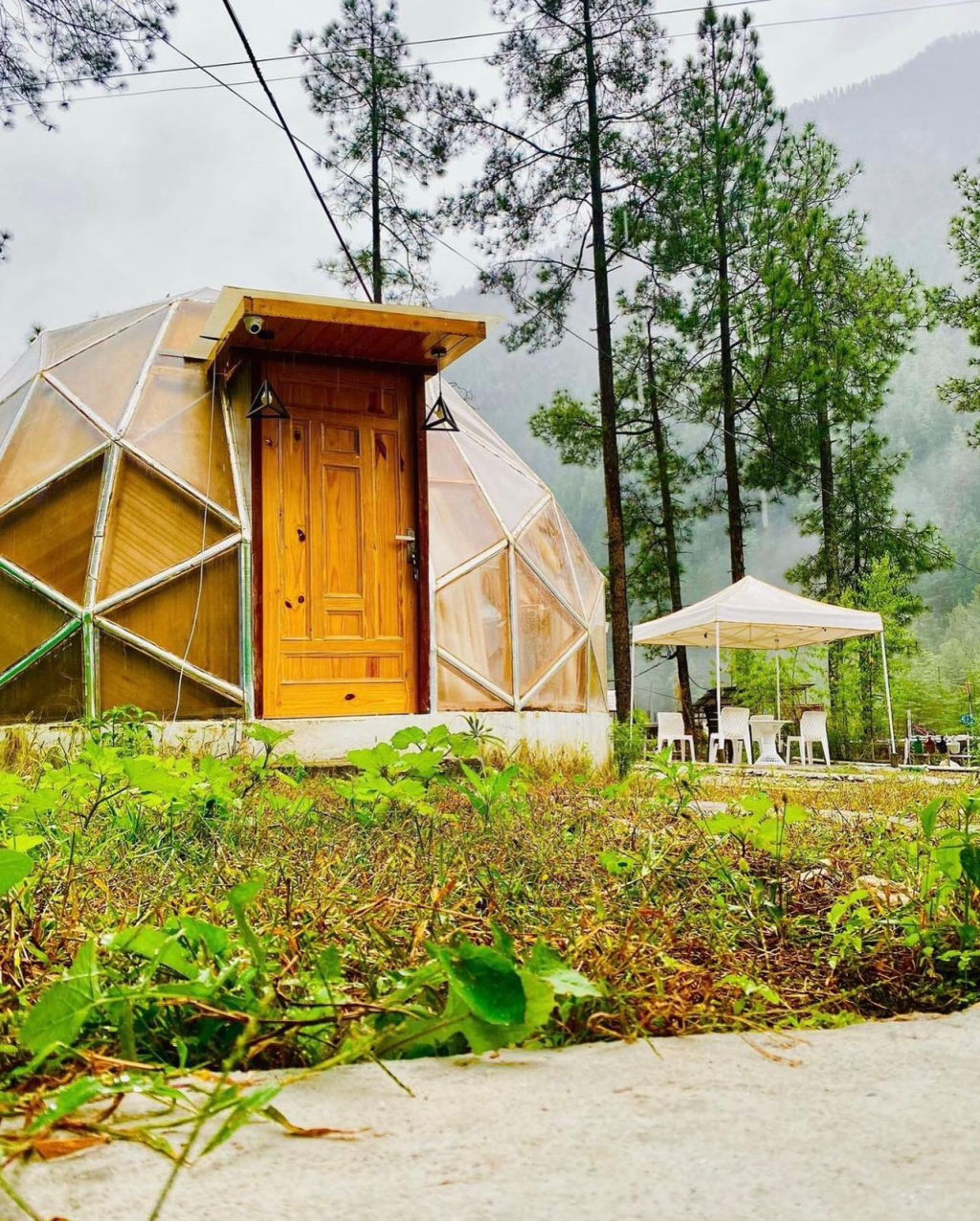
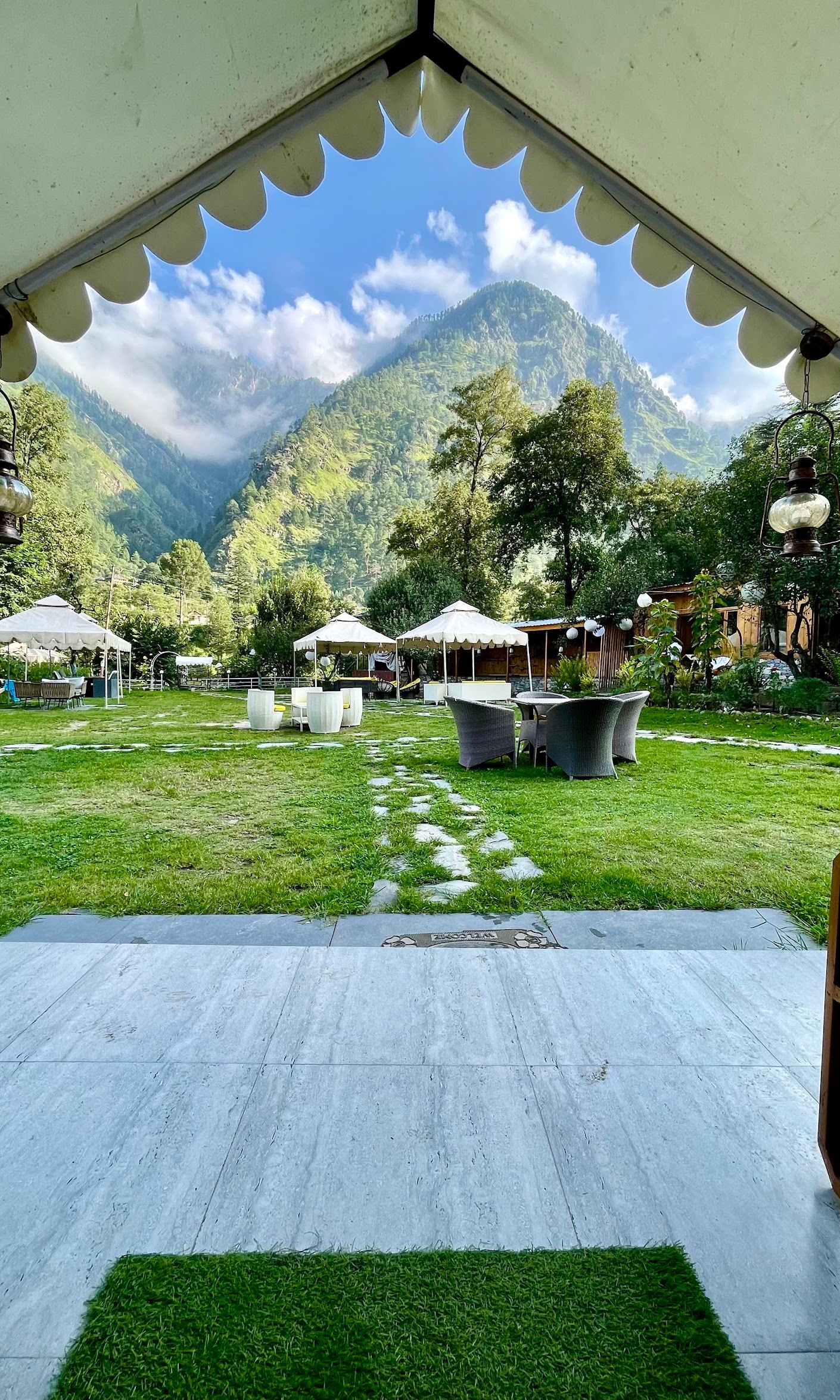
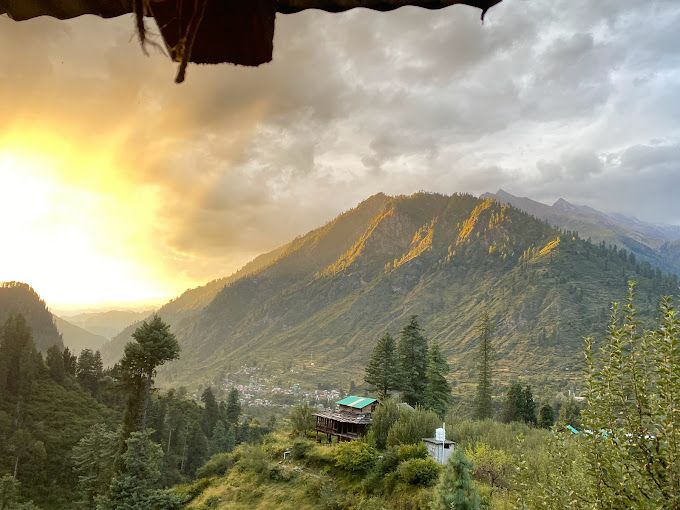
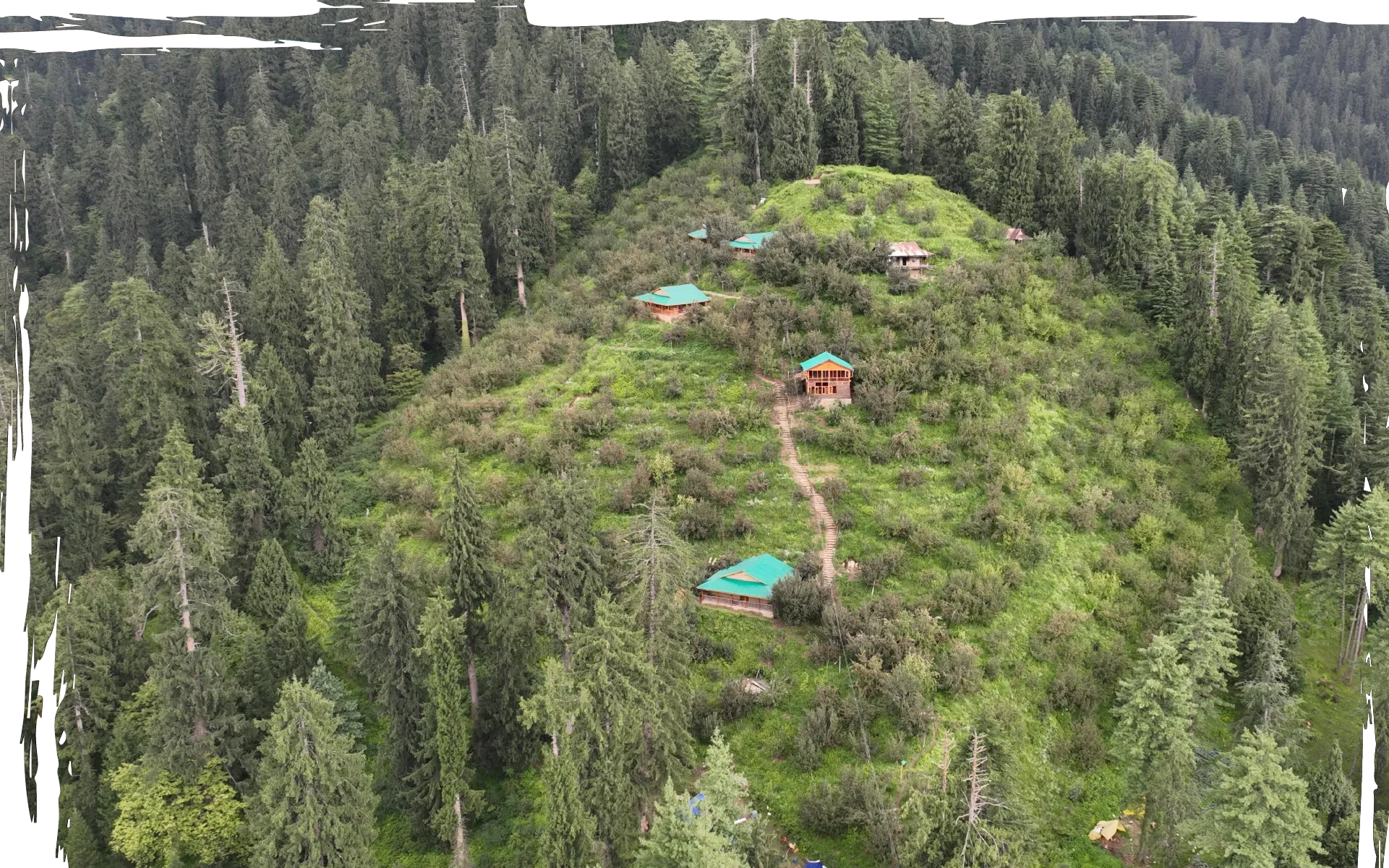
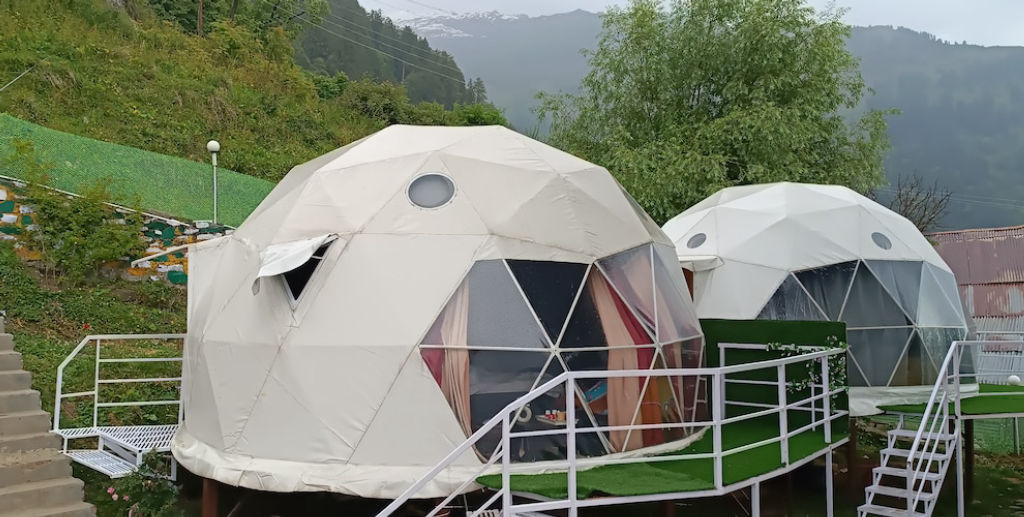
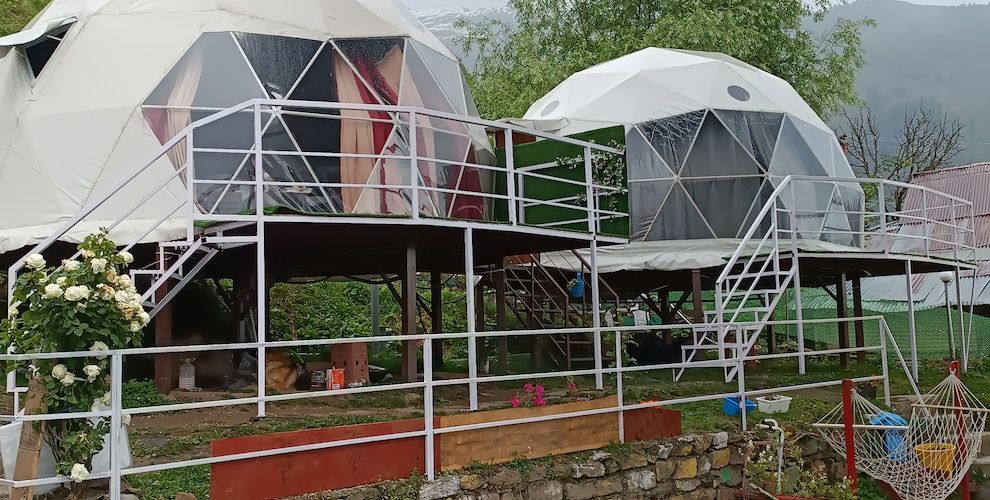
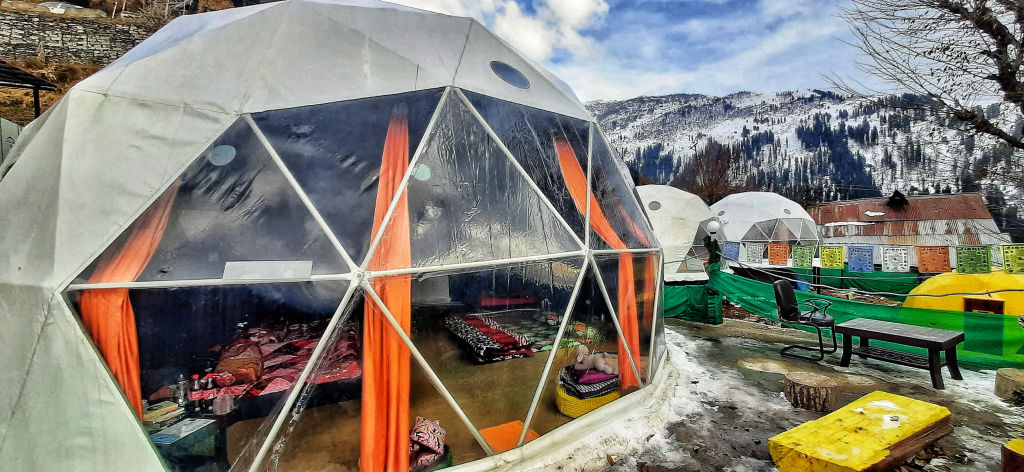
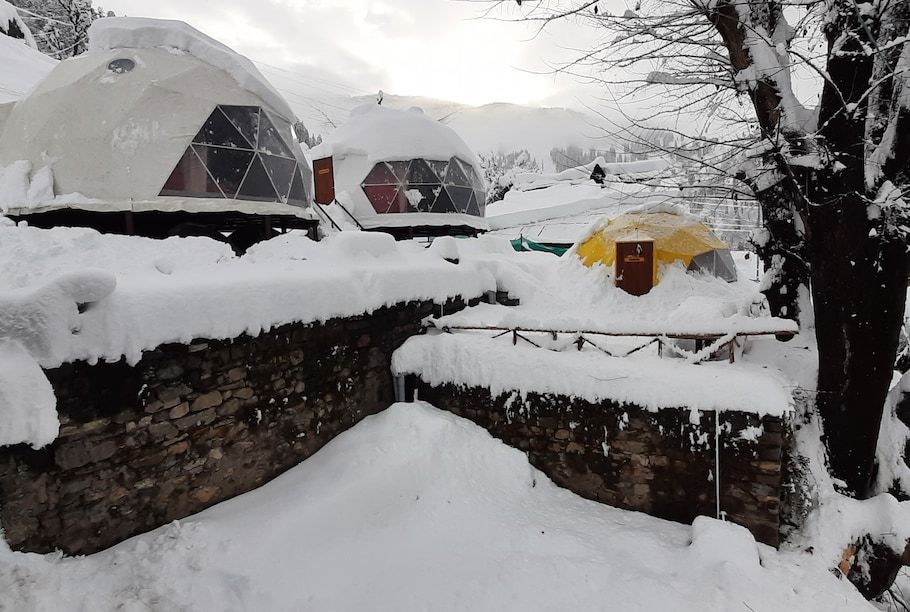
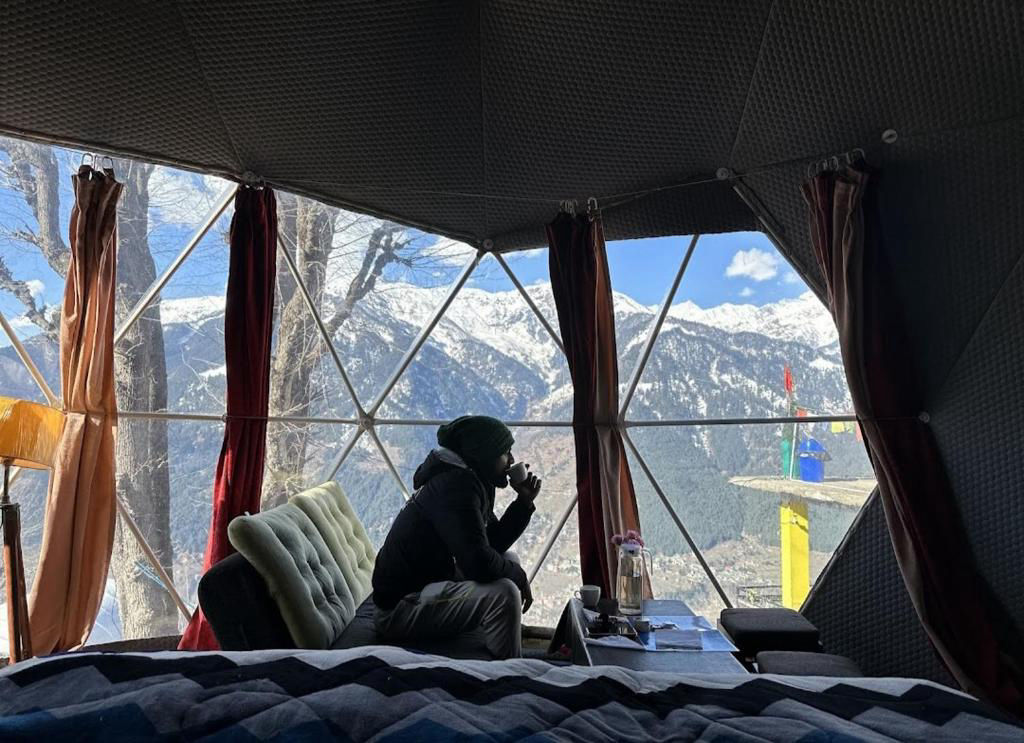
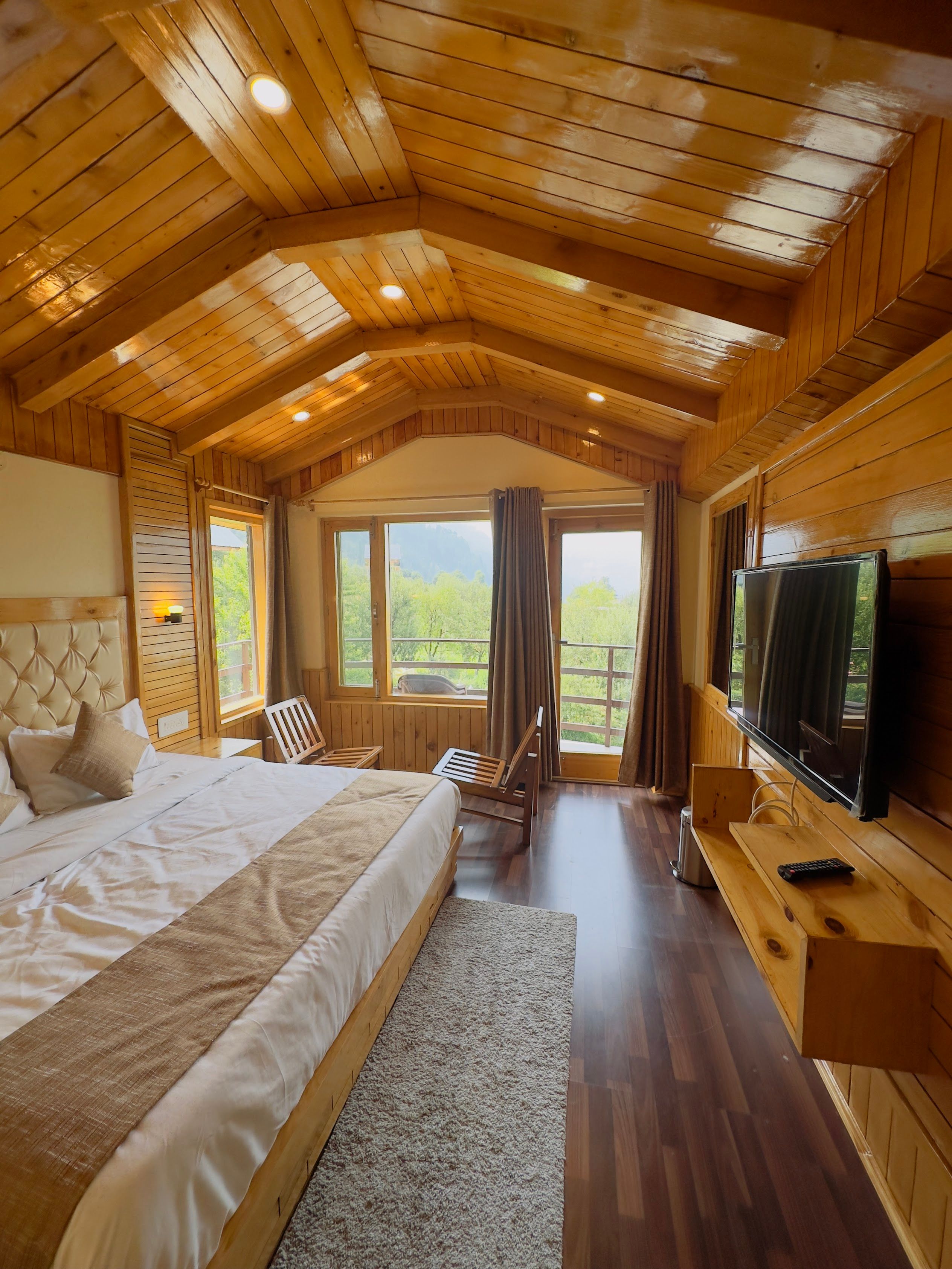
Travel options in and around Manikaran accommodate diverse travel styles. While modest lodges and guesthouses operate in Manikaran town, many travellers choose to stay in nearby riverside spots around Kasol, Katagla, or in higher traditional villages like Pulga and Tosh for a more peaceful alpine atmosphere.
If you are searching for experiential stays such as riverside camps, apple-orchard cottages, or authentic village homestays across the Parvati Valley, check HireACamp to explore and reserve verified accommodation for your trip.
Frequently asked questions
Are the Manikaran Hot Springs safe for bathing?
Yes, designated bathing pools within the gurudwara and public bath complexes regulate and cool the water to safe, comfortable temperatures. You should avoid entering unregulated outdoor vents, as the water emerging directly from the ground is scalding hot.
Why is the water at Manikaran Hot Springs special?
The water is naturally heated by geothermal activity and contains high amounts of sulfur and other minerals. These mineral waters are traditionally believed to help relieve joint pain, muscular aches, and skin ailments.
Can you really cook food in the springs at Manikaran?
Yes, natural vents reach boiling temperatures, and the community kitchen of Gurudwara Manikaran Sahib cooks rice, lentils, and vegetables daily by submerging sealed cooking vessels into designated hot spring pools.
What should visitors wear when visiting Manikaran?
Visitors should dress modestly with shoulders and knees covered out of respect for local religious sites. When entering the gurudwara and temples, you must remove footwear and keep your head covered with a scarf or cloth.
Where you'll be
Kullu Sub-District · 12 stays nearby shown with prices
Stays near Manikaran Hot Springs
Book a place to stay close by
More places near Manikaran Hot Springs
Within 20 km


Built from 0 Instagram posts by 0 creators. Every tip links back to the post it came from, and where creators disagree we show both sides.






