
Gurudwara Shri Manikaran Sahib
Gurudwara near Manikaran, Himachal Pradesh
500 m from Manikaran
The nearest town, for stays, food and fuel.
Gurudwara Shri Manikaran Sahib is a revered Sikh pilgrimage site set along the rushing waters of the Parvati River in Himachal Pradesh's Kullu district. Known worldwide for its natural thermal sulphur springs and sacred heritage associated with Guru Nanak Dev Ji, it draws pilgrims, trekkers, and mountain travellers year-round. Visitors come to pay homage, take a dip in the healing hot springs, and experience deep mountain quietude amidst steep pine-clad slopes.
Getting there
By road
- From ManikaranNearest town1 min · 600 m
- From Chandigarh5 hr 30 min · 252 km
- From Ludhiana6 hr · 281 km
- From Amritsar8 hr · 392 km
Typical drive times without traffic. Stations and airports from OLA Maps; distances and typical drive times from OpenStreetMap (© OpenStreetMap contributors); notes from creators' Reels.
About Gurudwara Shri Manikaran Sahib
Written with AI from map data and general knowledge. Check prices and timings locally before you go.
The Spiritual Heritage of Manikaran Sahib
Gurudwara Shri Manikaran Sahib holds immense religious importance for Sikhs across the globe. Tradition recounts that Guru Nanak Dev Ji, the first Sikh Guru, visited this remote Himalayan valley alongside his devoted companion Bhai Mardana during the sixteenth century. The historical narratives recount that Bhai Mardana felt extreme hunger during their travels through the rugged hills, but there was no fire available to cook the provisions they had collected.
According to the Janamsakhis, Guru Nanak Dev Ji lifted a stone from the ground, causing a spring of boiling water to emerge miraculously from the mountain. The food was immersed in the natural spring, cooking it to perfection and establishing the sacred tradition of community service that persists to this day. A gurudwara was later established here to commemorate the divine visit. Today, the complex stands as a beacon of warmth, humility, and enduring hospitality for all people regardless of background or caste.
The Natural Hot Springs and Sacred Sarovars
One of the most remarkable features of Gurudwara Shri Manikaran Sahib is its geothermal activity. Boiling water bubbles up from underground fissures directly into the complex and along the banks of the roaring Parvati River. The water is rich in natural minerals, including sulphur, which has long been credited by traditional practitioners and visitors with therapeutic properties for aches, skin conditions, and fatigue after long mountain journeys.
The gurudwara features segregated bathing ponds, or sarovars, allowing men and women to take a ritual dip in the naturally heated waters. Entering the steaming sarovar after travelling through cold mountain passes is considered both spiritually rejuvenating and physically soothing. Outside the bathing areas, the intense geothermal heat is harnessed directly by the shrine to cook communal meals in massive pots suspended into the boiling spring waters, a sight that never fails to fascinate visitors.
Read more
Best Time to Visit Manikaran Sahib
The climate in the Parvati Valley shapes the experience of visiting Manikaran Sahib across different times of the year. Summer extends from April through June, offering pleasant temperatures and clear daytime skies. During this period, daytime temperatures remain moderate, making it comfortable for elderly pilgrims and families to walk through the village lanes and explore the surrounding pine forests without facing severe cold.
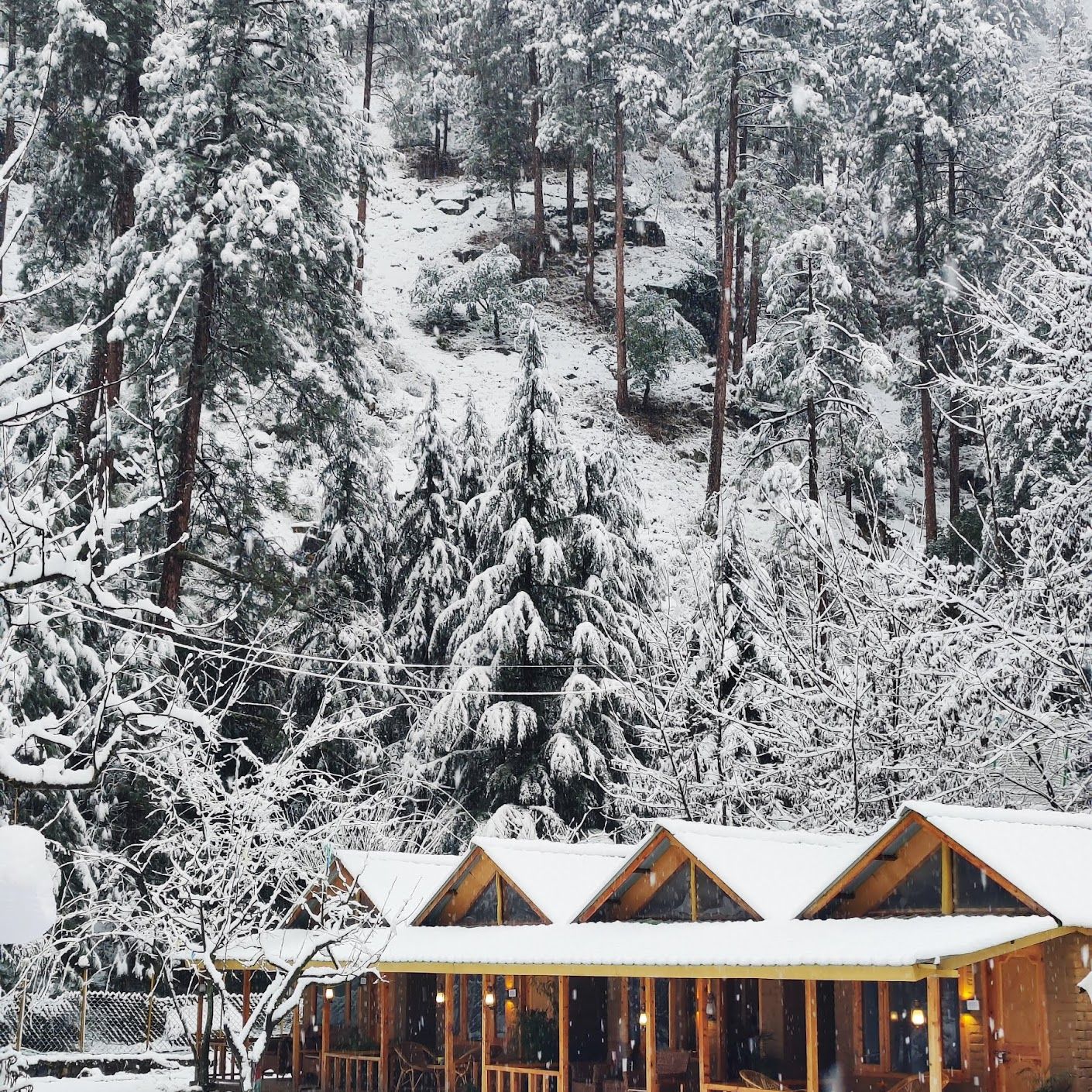
The monsoon months of July and August bring heavy rains to Himachal Pradesh. The Parvati River swells dramatically, and the narrow roads leading through Kullu district are prone to occasional rockfalls and landslides, requiring travellers to exercise extra caution. Autumn, running from September through November, brings dry weather, crisp mountain air, and clear panoramic views of the high ridges. Winter lasts from December to March, bringing sub-zero temperatures and occasional snowfall to the valley floor. Experiencing the rising steam from the hot springs against a backdrop of frost-covered cliffs and snow makes winter an atmospheric, though chilly, time to plan a pilgrimage.
How to Reach Gurudwara Shri Manikaran Sahib
Gurudwara Shri Manikaran Sahib is located on Manikaran Road in the Parvati Valley, roughly thirty to thirty-five kilometres east of Bhuntar in Kullu district. Bhuntar serves as the main transport junction for the valley, housing the nearest regional airport, the Kullu-Manali Airport. Taxis, shared jeeps, and state-run mountain buses operate frequently between Bhuntar, Kasol, and Manikaran, following the winding valley road that traces the curves of the river.
Travellers arriving by train generally alight at major broad-gauge railway terminals such as Chandigarh or Pathankot, before continuing onward by road via Mandi and Bhuntar. Long-distance overnight buses run regularly from New Delhi and Chandigarh towards Manali, dropping passengers off at Bhuntar where local connections to Manikaran Road are easy to find. The final stretch of the drive passes through dramatic gorges, apple orchards, and cedar woods before crossing the bridge directly towards the entrance of the gurudwara complex.
Places to Explore Around the Valley
A trip to Gurudwara Shri Manikaran Sahib can easily be combined with exploring the wider Parvati and Sainj valleys. Just downstream along the road lies Kasol, a vibrant hamlet known for its riverside walking paths, pine groves, and mountain atmosphere. Further upstream beyond Manikaran is the trailhead village of Barshaini, which serves as the starting point for trekking routes leading to traditional wooden villages like Pulga, famous for its fairy-tale deodar forests and peaceful rural lifestyle.
For outdoor adventurers, the high-altitude trek up to Kheerganga begins beyond Manikaran, rewarding hikers with meadow views and natural hot baths higher up the range. Those with additional time can journey south towards the buffer zone of the Great Himalayan National Park or head into the serene meadows of the Shangarh valley in Sainj, home to the ancient Shangchul Mahadev Temple. These contrasting landscapes offer a balance of high-mountain wilderness and rich cultural heritage.
Tips for Visiting and Where to Stay
When visiting Gurudwara Shri Manikaran Sahib, showing respect for religious customs is essential. All visitors must cover their heads with a scarf, rumal, or turban before entering the premises, and shoes must be deposited at the designated counters outside. Modest clothing covering the shoulders and knees is required throughout the complex. Photography may be restricted in specific inner sanctums and bathing zones, so look out for signage and follow guidance from local attendants.
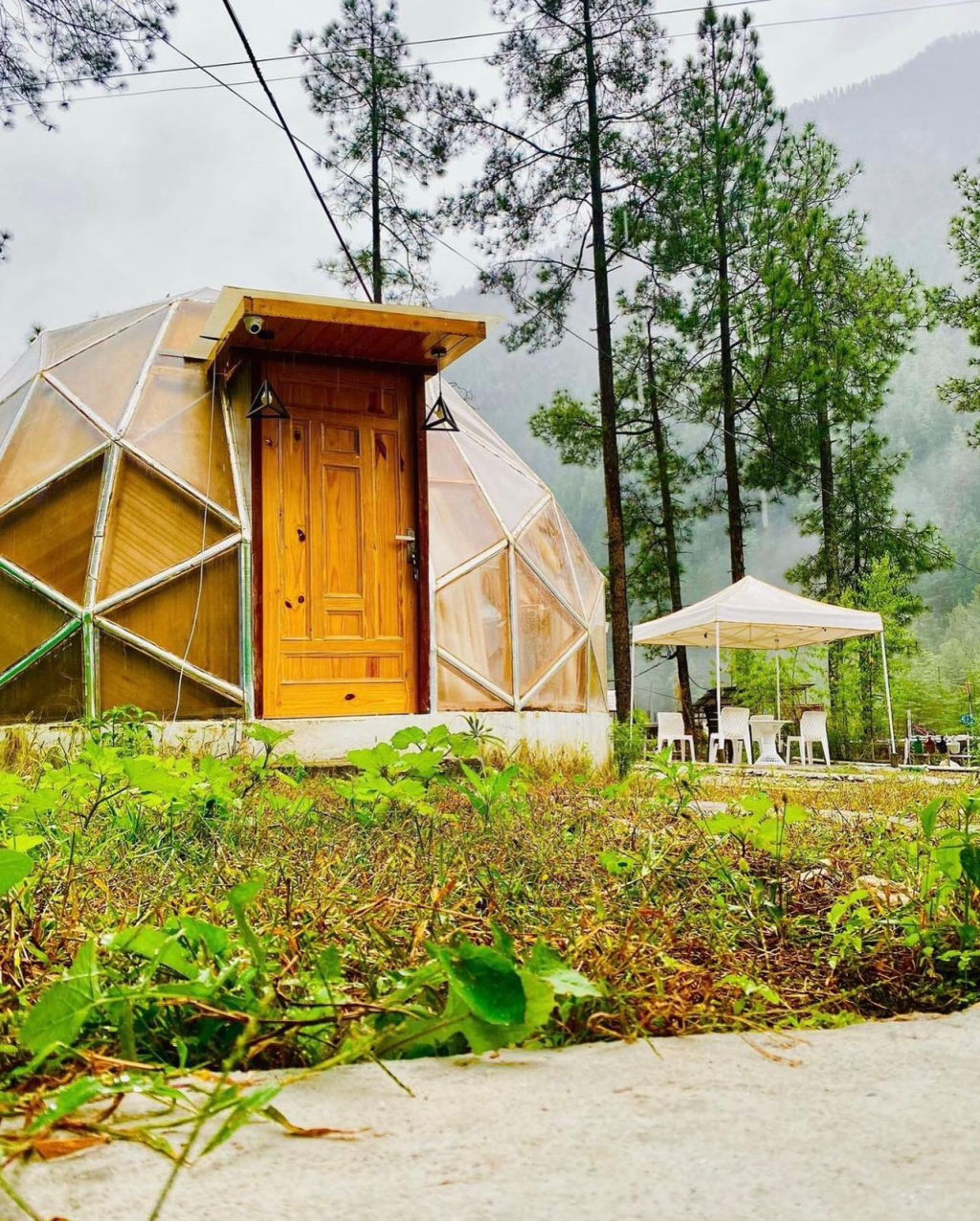
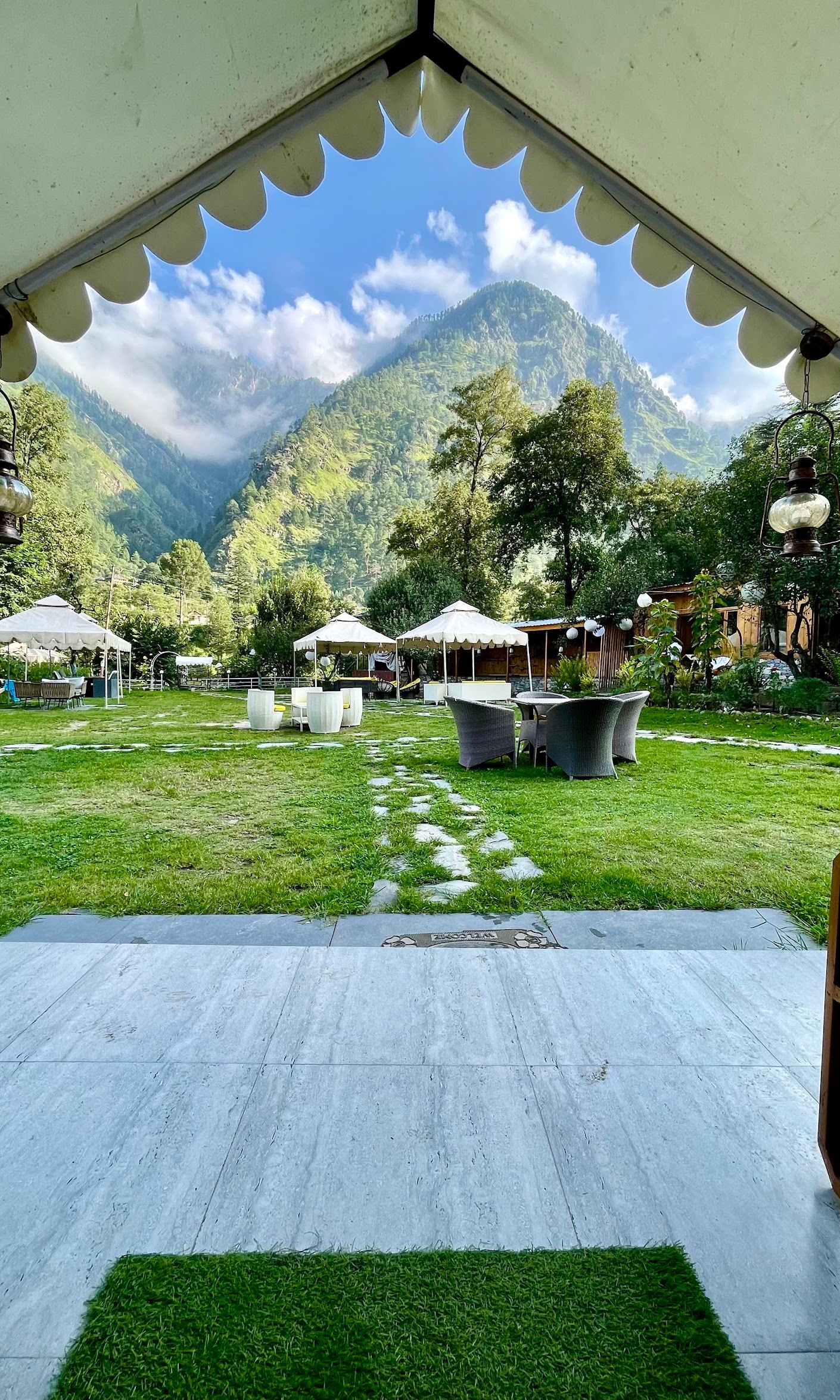
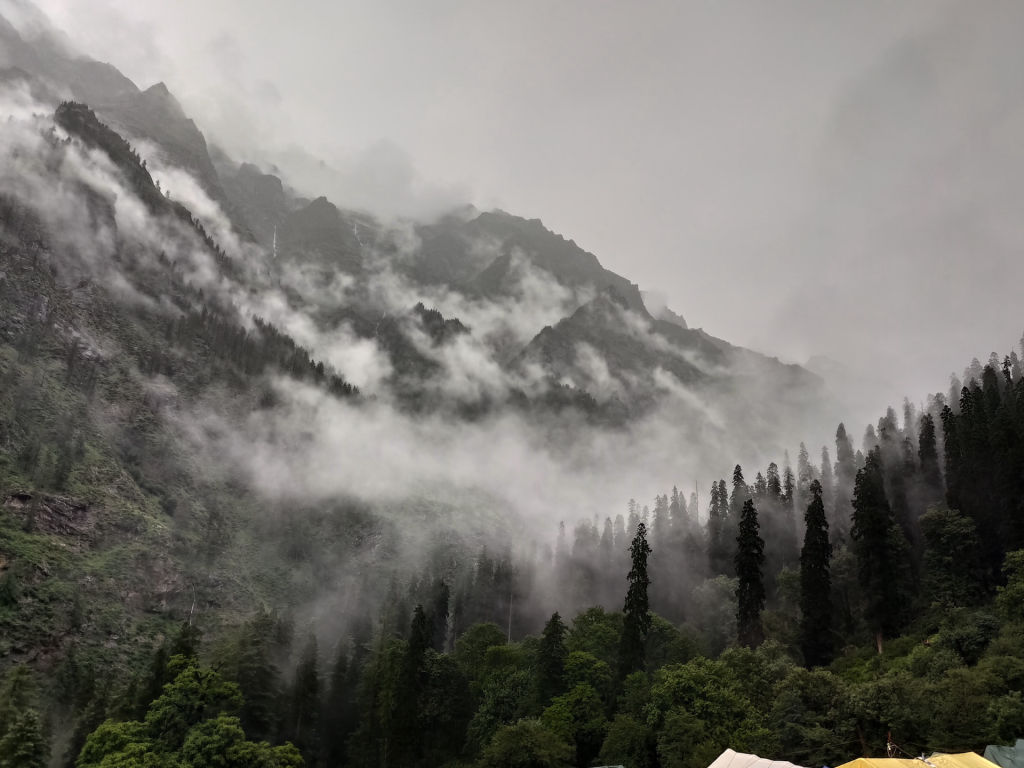
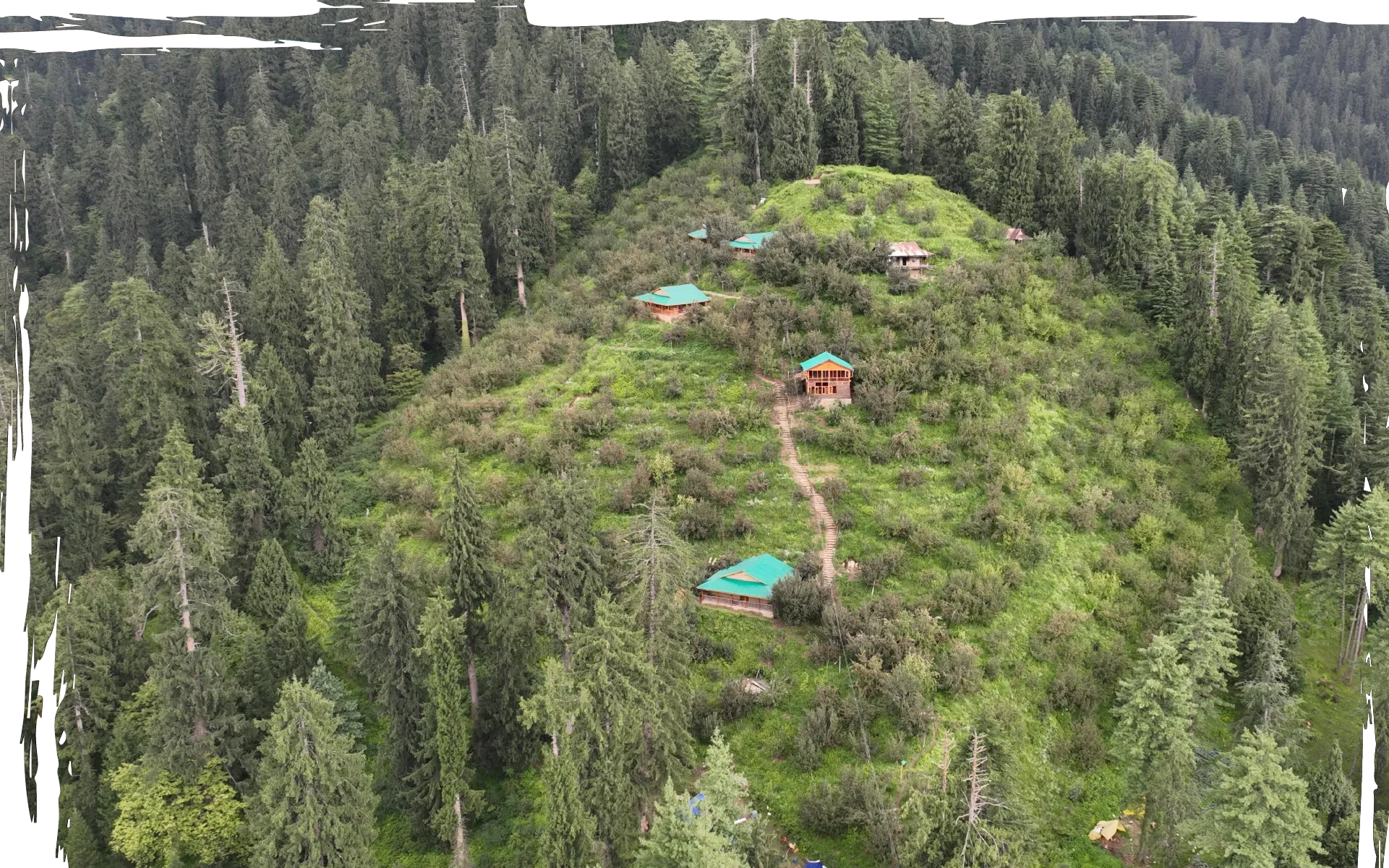
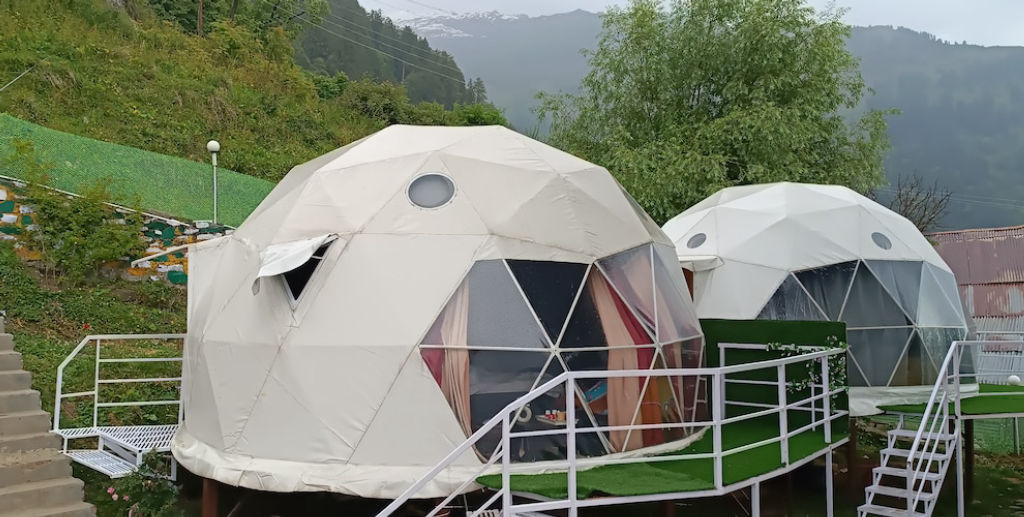
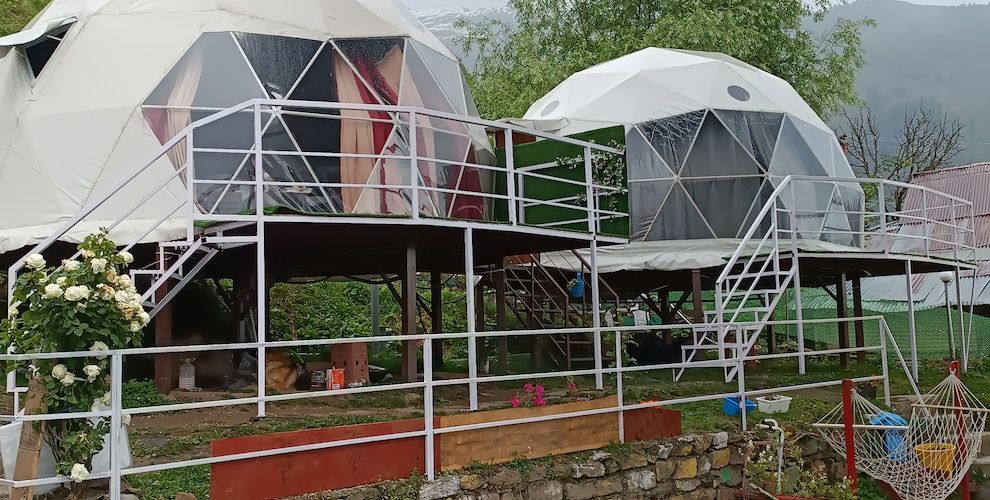
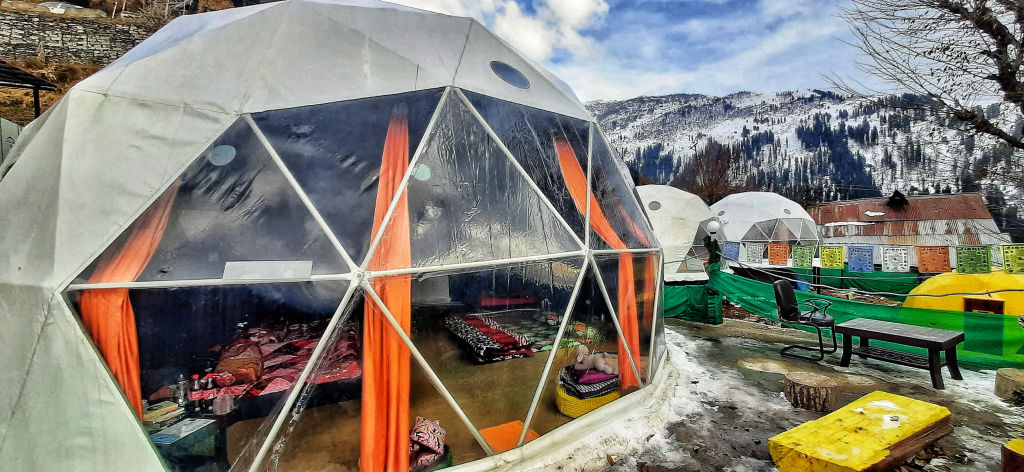
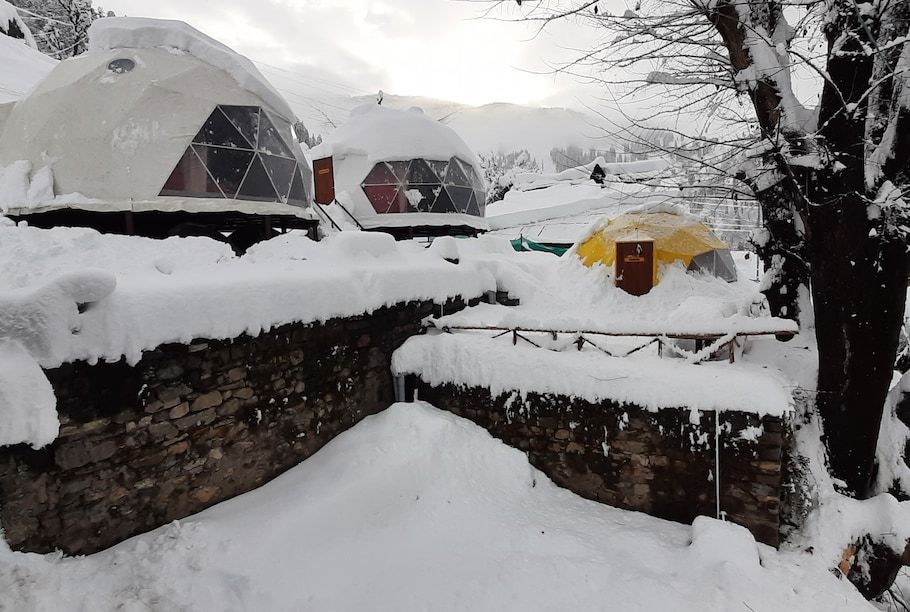
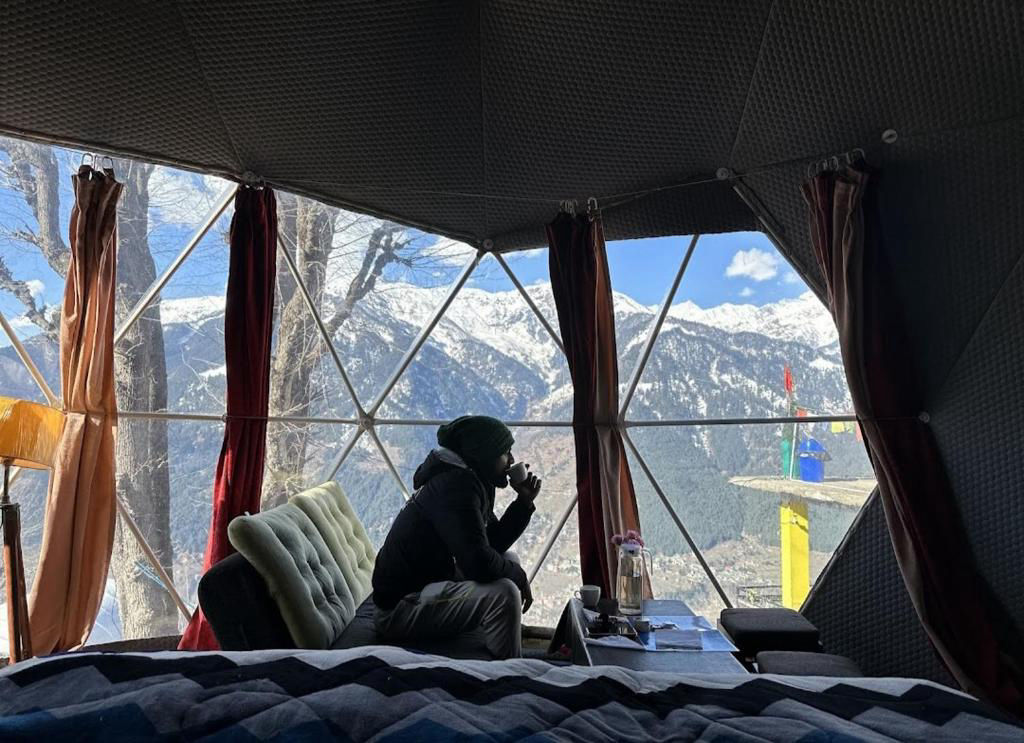
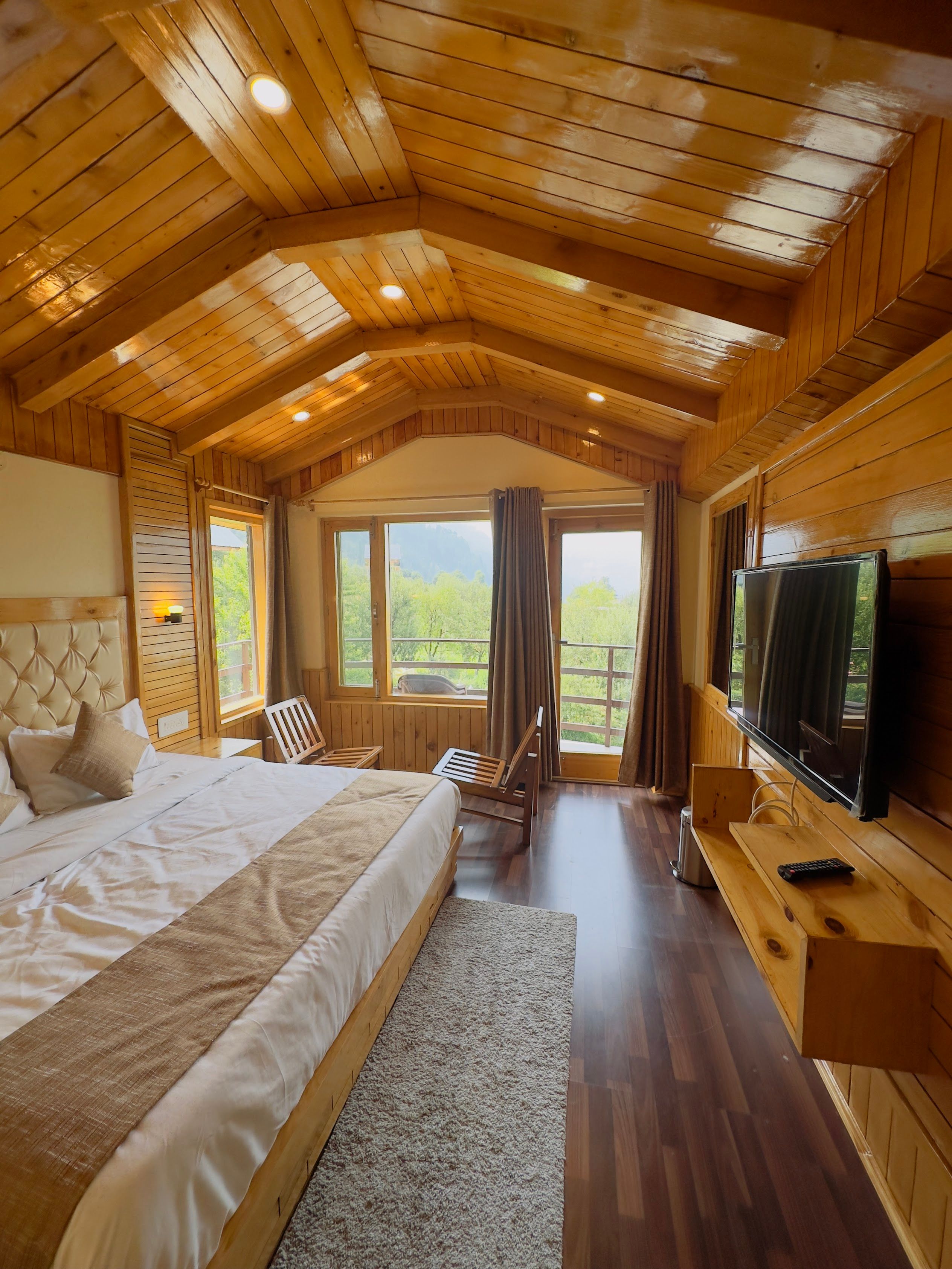
While simple pilgrim dormitories are maintained by the trust for devotees, many travellers choose to base themselves nearby to enjoy the valley's scenery. A variety of boutique stays, riverside camps, rustic cottages, and friendly village homestays can be found throughout Kasol, Manikaran, and surrounding hamlets on HireACamp. Booking in advance is recommended during peak summer months, festive Sikh holidays, and long holiday weekends.
Frequently asked questions
What is unique about the hot springs at Manikaran Sahib?
The hot springs at Manikaran bubble up at near-boiling temperatures and are rich in natural sulphur, which many believe possesses healing properties. The gurudwara harnesses this geothermal heat to cook daily langar meals directly in the thermal pools.
Do I need to cover my head when visiting Gurudwara Shri Manikaran Sahib?
Yes, all visitors, regardless of faith, are required to cover their heads with a scarf or cloth and remove their footwear before entering the gurudwara complex.
Is free community food, or langar, available at Manikaran Sahib?
Yes, in keeping with Sikh tradition, the langar hall at Gurudwara Shri Manikaran Sahib serves freshly prepared vegetarian meals to all visitors throughout the day free of charge.
How far is Gurudwara Shri Manikaran Sahib from Kasol?
The gurudwara is located approximately three to four kilometres upstream from Kasol along the Manikaran Road, making it an easy drive, local bus ride, or scenic walk.
Are there separate bathing areas for men and women at the hot springs?
Yes, Gurudwara Shri Manikaran Sahib provides clearly designated and enclosed indoor bathing tanks (sarovars) separated for men and women.
Where you'll be
Manikaran Road, Kullu Sub-District · 12 stays nearby shown with prices
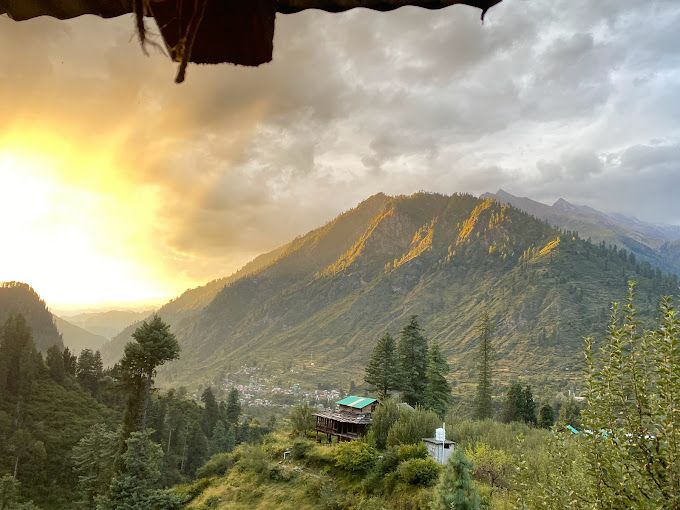
Stays near Gurudwara Shri Manikaran Sahib
Book a place to stay close by
More places near Gurudwara Shri Manikaran Sahib
Within 20 km


Built from 0 Instagram posts by 0 creators. Every tip links back to the post it came from, and where creators disagree we show both sides.






