
Bhutia Busty Monastery
Monastery near Darjeeling, West Bengal
1.1 km from Darjeeling
The nearest town, for stays, food and fuel.
Bhutia Busty Monastery, also known as Karma Dorjee Chyoling Monastery, is a historic Tibetan Buddhist shrine set along a tranquil hillside below Darjeeling in West Bengal. Originally established in the eighteenth century, it is treasured for its classic Himalayan architecture, sacred murals, and deep spiritual heritage. Travellers and pilgrims make the scenic walk down from Darjeeling to experience its calm courtyard and panoramic views of the surrounding mountains.
Getting there
By road
- From DarjeelingNearest town13 min · 7.7 km
Typical drive times without traffic. Stations and airports from OLA Maps; distances and typical drive times from OpenStreetMap (© OpenStreetMap contributors); notes from creators' Reels.
About Bhutia Busty Monastery
Written with AI from map data and general knowledge. Check prices and timings locally before you go.
History and significance of Bhutia Busty Monastery
Bhutia Busty Monastery has one of the most storied histories among the Buddhist shrines of the eastern Himalayas. The monastery was initially founded in 1761 on Observatory Hill, the high crest where the Shri Mahakal Temple stands today. It was built as a branch of the Phodong Monastery in Sikkim and belonged to the Nyingma tradition of Tibetan Buddhism, later developing strong ties to the Kagyu lineage.
Throughout the late eighteenth and early nineteenth centuries, regional conflicts took a heavy toll on the original site. Following the Gorkha invasion of Sikkim and Darjeeling, the monastery on Observatory Hill was destroyed. It was later rebuilt down on the spur where it sits today, nestled among local villages. Nature tested the complex once again during the massive Bihar-Nepal earthquake in 1934, which leveled the main prayer hall. The Chogyal of Sikkim funded its reconstruction, ensuring that this sacred institution remained an enduring center of faith in Darjeeling.
Beyond its role as a spiritual sanctuary, Bhutia Busty Monastery is renowned for its cultural archives. The monastery was historically known for preserving ancient Buddhist texts and scriptures, including an original manuscript of the Bardo Thodol, widely known in the West as the Tibetan Book of the Dead.
Architecture and sacred treasures
The architecture of Bhutia Busty Monastery reflects the traditional building crafts of Sikkim and Tibet. Constructed with timber and stone, the main prayer hall features a dual-tiered sloping roof detailed in vibrant reds, yellows, and golds. The facade opens onto a quiet paved courtyard where colourful prayer flags flutter in the mountain breeze, sending blessings across the valley below.
Inside the monastery, the atmosphere is quiet and reverent. The main sanctuary houses a collection of gilded statues, including prominent images of Gautama Buddha, Guru Padmasambhava, and Tara. Intricate wall frescoes and thangka paintings adorn the interior, depicting scenes from the life of the Buddha, compassionate bodhisattvas, and protective deities. Rows of wooden benches line the hall where resident monks gather for daily chants, musical ceremonies, and meditation.
Read more
The walk from Chowrasta to Bhutia Busty
One of the most rewarding aspects of visiting Bhutia Busty Monastery is the journey to reach it. Most visitors travel on foot from the heart of Darjeeling, descending from Mall Road and Chowrasta. The route winds down along C.R. Das Road, gradually leaving behind the bustling shops and cafes of the town centre in favour of quiet, forested hill tracks.
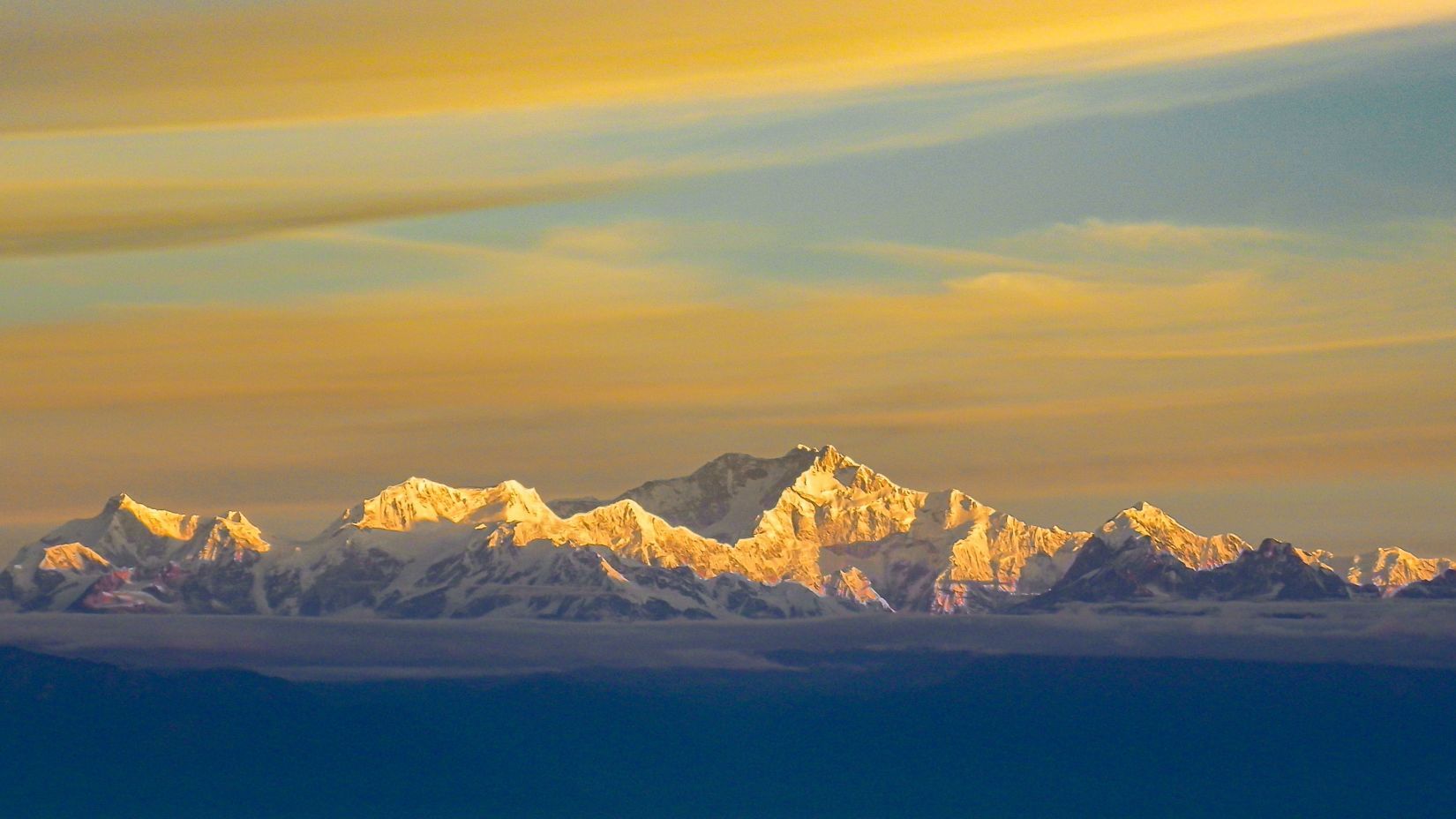
As you walk down the slope, the path meanders past traditional wooden houses, small family vegetable patches, and terraced gardens. You will pass towering pines, cryptomeria trees, and seasonal mountain flowers clinging to the banks. On clear mornings, you can catch striking glimpses of the snow-covered Kanchenjunga range framing the hillside. Because the walk down is quite steep, the return journey back up toward Mall Road is an uphill trek that requires comfortable shoes and a steady pace.
Best time to visit Bhutia Busty Monastery
Darjeeling experiences distinct mountain seasons, each lending a unique atmosphere to the monastery. The spring months from March to May are considered one of the finest times to visit. The weather during this period is pleasant, hill slopes bloom with rhododendrons and magnolias, and daytime temperatures remain comfortable for walking down the ridge.
Autumn, from October to late November, is another prime window. Following the departure of the summer monsoons, the air turns exceptionally crisp and clean, offering the clearest views of the high Himalayan peaks. Winters from December to February bring sharp cold and misty mornings, but visitors who do not mind bundling up will enjoy peaceful courtyards free of crowds. The monsoon season from June to September brings heavy rains, low clouds, and slippery footpaths, which can make the downhill walk challenging, though the lush green landscape has its own dramatic charm.
Tips for your visit
Because Bhutia Busty Monastery is an active place of daily worship, visitors are encouraged to respect local customs and monastic protocol. Remove your footwear before stepping into the main prayer hall, and speak in hushed tones to avoid disturbing monks engaged in study or contemplation. If you wish to walk around the exterior stupas, prayer wheels, or altars, always proceed in a clockwise direction as is customary in Buddhist tradition.
Photography is generally permitted in the outdoor courtyard, but you should always check locally and ask for permission before taking photographs inside the sanctum or of resident monks. Carrying a light jacket is advisable even during warmer months, as shaded hillside spots can turn breezy and cool. Wear shoes with dependable grip, as the narrow paved lanes descending from Darjeeling can be slick with morning mist or moss.
Places to visit nearby
A trip to Bhutia Busty Monastery can easily be combined with exploring the historical and cultural landmarks across Darjeeling. Just above the monastery lies Mall Road and Chowrasta, the social centre of town where you can stroll along open pedestrian promenades. Higher up on the ridge sits Shri Mahakal Temple on Observatory Hill, the sacred ground where the monastery originally stood, marked by fluttering flags and a shared Hindu and Buddhist heritage.
A short drive or walk across the hills leads to the Japanese Buddhist Temple and the Peace Pagoda, which offer peaceful garden grounds and expansive vistas. Wildlife enthusiasts can visit the Padmaja Naidu Himalayan Zoological Park, known for its conservation work with red pandas and snow leopards. Further afield, landmarks such as Batasia Loop and Tiger Hill offer legendary mountain vantage points, while the quiet pine forests of Lamahatta provide an unhurried day trip outside town.
How to reach the monastery
To reach Bhutia Busty Monastery, travellers first make their way to Darjeeling in West Bengal. The nearest major railway hub is New Jalpaiguri, and the closest domestic airport is Bagdogra. From either transport hub, private taxis and shared jeeps make the scenic uphill climb to Darjeeling along hill highways winding through tea estates and mountain hamlets, with the drive typically taking three to four hours depending on traffic and weather.
Once in Darjeeling, the monastery is located about one kilometre downhill from Chowrasta. While small local taxis can navigate the lower link roads when conditions allow, walking down from C.R. Das Road is the most practical and popular route for visitors. Travellers with mobility concerns should check locally about current road access and vehicle availability before setting out.
Where to stay near Darjeeling
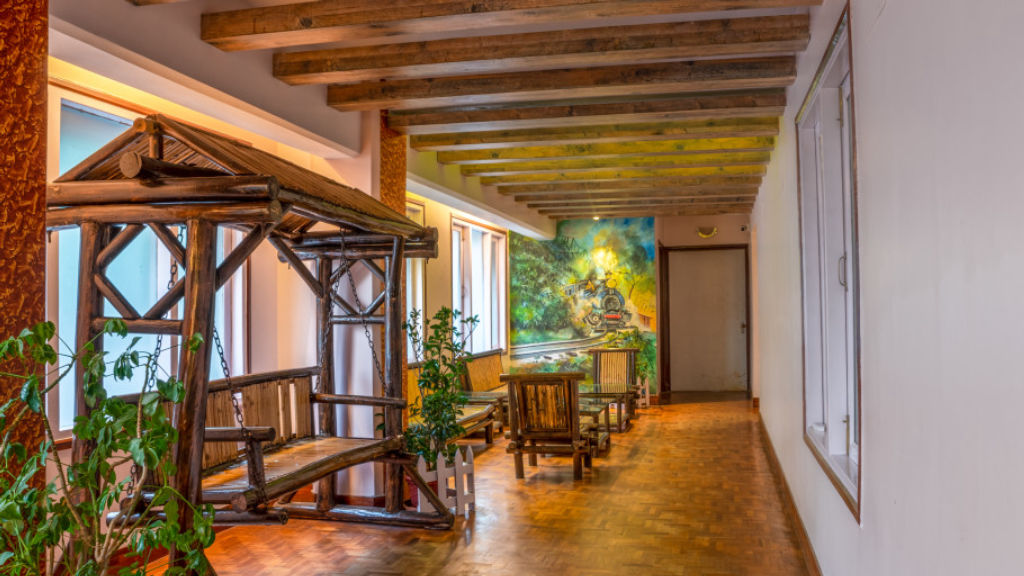
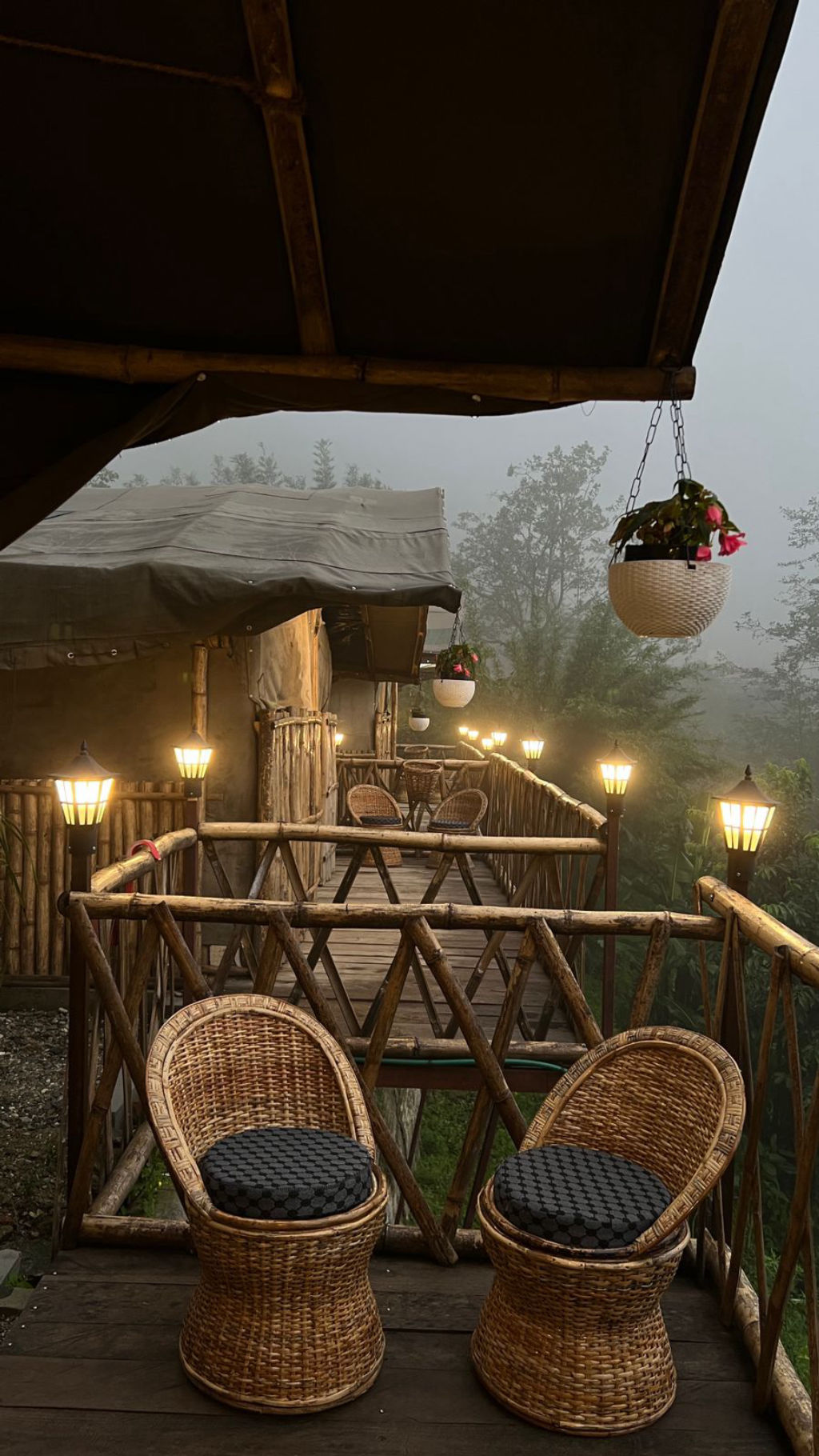
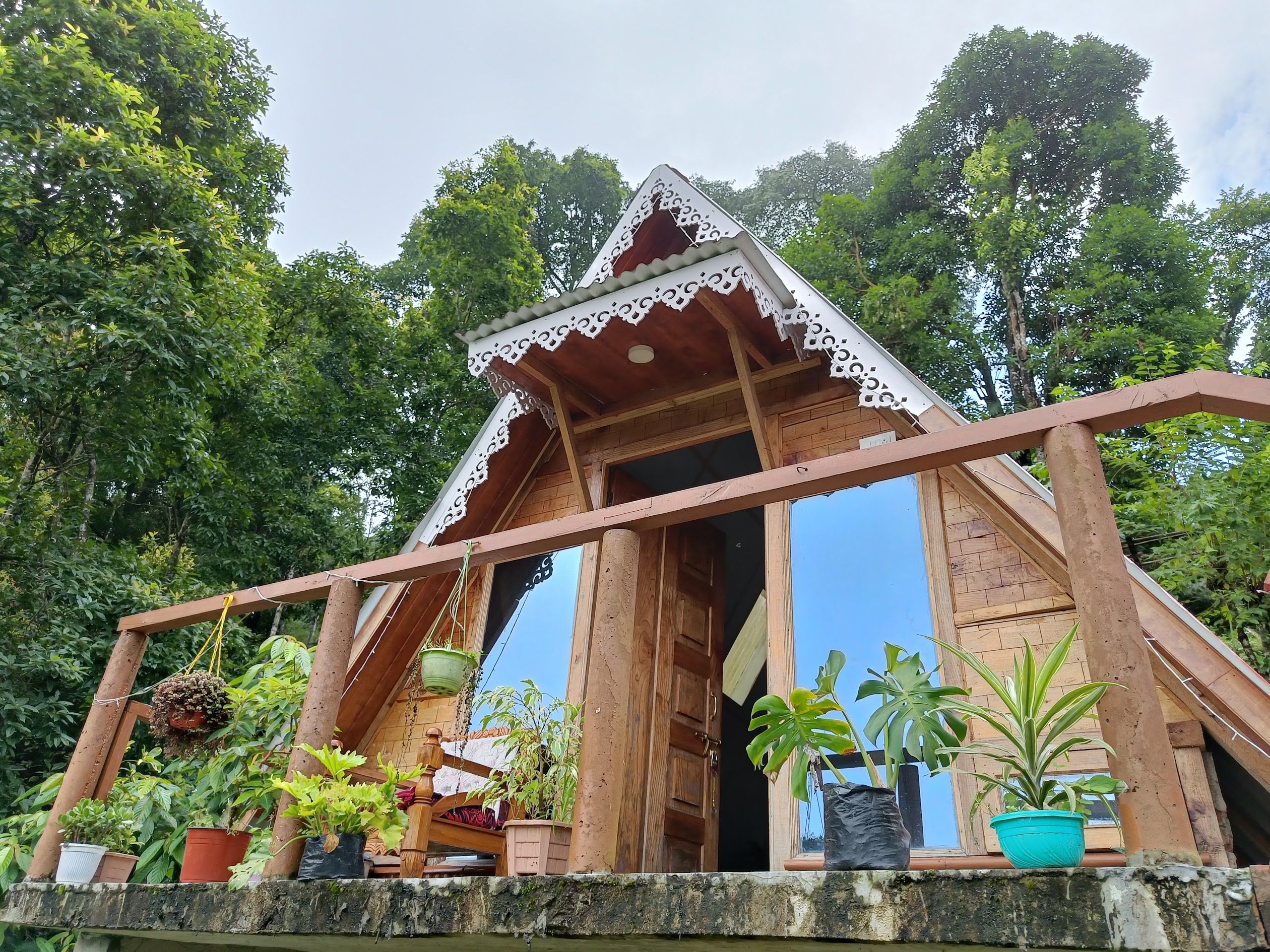
The area around Darjeeling offers diverse accommodations, ranging from historic hillside properties near the town centre to quiet village retreats nestled among cedar forests and tea gardens. For travellers who prefer peaceful surroundings, smaller settlements like Lamahatta and Takdah offer rustic homestays with direct views of the valleys.
If you are planning an outdoor getaway, camping trip, or an authentic family-run homestay experience in the Darjeeling hills, explore the curated listings available on HireACamp to find the right base for your journey.
Frequently asked questions
Where is Bhutia Busty Monastery located?
The monastery is situated on a quiet hillside along C.R. Das Road, roughly one kilometre below the main Chowrasta ridge in Darjeeling, West Bengal.
Can you drive directly to Bhutia Busty Monastery?
Most visitors walk down from Chowrasta via C.R. Das Road, though narrow roads lead close to the complex; check locally to see if small taxis are currently operating along the lower route.
What is the history behind Bhutia Busty Monastery?
Originally established in the eighteenth century on Observatory Hill, the monastery was rebuilt on its current site after conflicts and earthquakes, and it historically housed rare Buddhist texts like the Tibetan Book of the Dead.
Is photography allowed inside the monastery?
Photography is usually allowed in the outdoor courtyard, but you must ask permission before taking pictures inside the prayer hall or photographing monks.
What should I wear when visiting?
Modest clothing covering shoulders and knees is recommended out of respect for monastic customs, along with sturdy walking shoes for the steep climb up and down.
Where you'll be
Nr. Cr Das Road, Darjeeling, WB · 6 stays nearby shown with prices
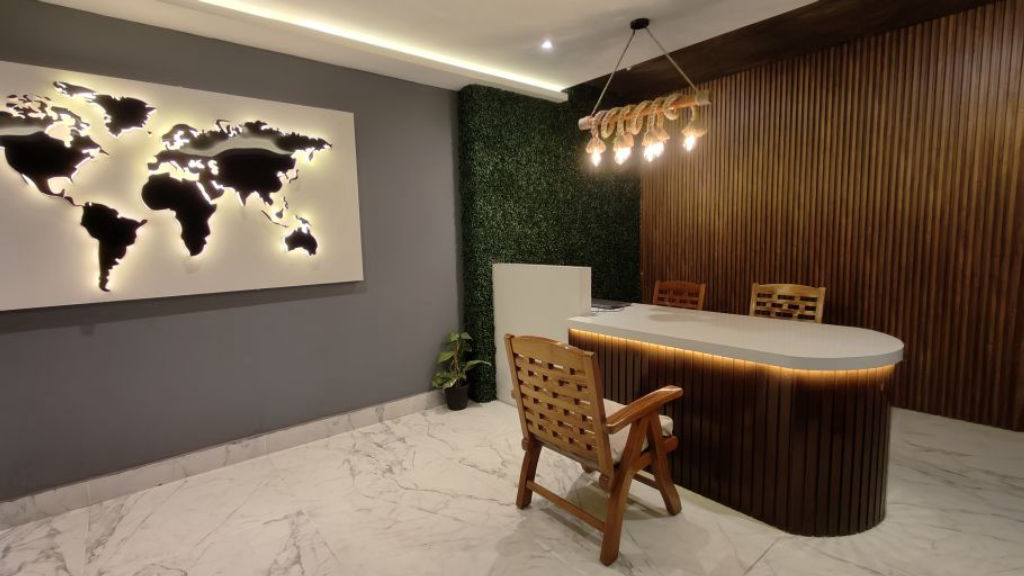
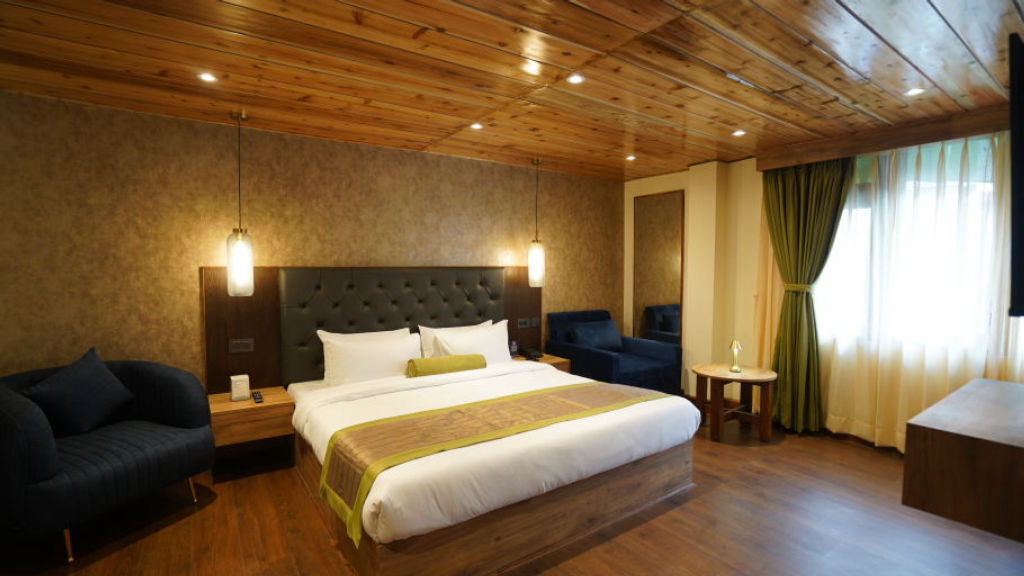
Stays near Bhutia Busty Monastery
Book a place to stay close by
More places near Bhutia Busty Monastery
Within 20 km


Lists for this area
Ranked by how many creators recommend each place


Built from 0 Instagram posts by 0 creators. Every tip links back to the post it came from, and where creators disagree we show both sides.






