
Binsar Wildlife Sanctuary
Wildlife sanctuary near Betalghat, Uttarakhand
8.6 km from Betalghat
The nearest town, for stays, food and fuel.
Binsar Wildlife Sanctuary is a protected haven set high in the forested hills of the Kumaon Himalayas in Uttarakhand. Known for its dense canopies of oak, pine, and rhododendron, the reserve offers panoramic vantage points of major Himalayan summits alongside rich wildlife and birdlife. Nature enthusiasts, birdwatchers, and hikers visit to experience quiet walking trails, clean mountain air, and undisturbed wilderness.
Getting there
By road
- From BetalghatNearest town46 min · 25 km
- From Dehradun6 hr 40 min · 313 km
- From New Delhi7 hr 20 min · 343 km
- From Chandigarh10 hr 50 min · 502 km
Typical drive times without traffic. Stations and airports from OLA Maps; distances and typical drive times from OpenStreetMap (© OpenStreetMap contributors); notes from creators' Reels.
About Binsar Wildlife Sanctuary
Written with AI from map data and general knowledge. Check prices and timings locally before you go.
About Binsar Wildlife Sanctuary
Binsar Wildlife Sanctuary spans a rugged ridge in the Kumaon hills of Uttarakhand, offering a secluded sanctuary for indigenous flora and fauna. Historically, the ridge served as the summer capital of the Chand rulers who governed the region for centuries. The sanctuary was formally notified to protect the fragile broadleaf forests and water catchment areas that feed surrounding mountain communities.
The topography transitions between moderate slopes and steep ridgelines, cloaked in broadleaf oak, cedar, and vibrant rhododendron trees that burst into crimson blossoms each spring. The elevation creates a refreshing microclimate distinct from the lower valleys, making the sanctuary an essential sanctuary for rare montane ecology.
Wildlife and Birdwatching at Binsar
The sanctuary is particularly celebrated among naturalists for its diverse avifauna. More than two hundred species of birds have been recorded across the forest canopy, including laughingthrushes, flycatchers, woodpeckers, nuthatches, and several raptors such as the Himalayan griffon and black eagle. Walking softly along the forest tracks in the early morning offers the best chance of spotting rare and migratory species.
Mammals also thrive within the protected boundaries, though many are elusive due to the thick ground cover. Common sightings include barking deer, wild boar, Himalayan goral, and troops of rhesus macaques and gray langurs. The sanctuary also shelters leopards, red foxes, porcupines, and Himalayan black bears, which typically stay deep within undisturbed valleys.
Read more
Trails and Things to Do
Unlike many Indian national parks that require vehicle safaris, Binsar Wildlife Sanctuary is renowned for being an exceptional walking reserve. Forest pathways invite slow-paced exploration on foot, allowing travellers to appreciate the sounds of the canopy, moss-covered tree trunks, and alpine flora. Zero Point is the most famous vantage point in the area, offering a sweeping panoramic view of prominent Himalayan peaks including Trishul, Nanda Devi, Maiktoli, and Shivling on clear days.
Travellers can also explore designated trails leading through old oak woods, visiting village fringe areas and historic forest rest houses. Photography is rewarding throughout the sanctuary, whether capturing mountain vistas during the golden hours of sunrise and sunset or tracking macro subjects like alpine orchids and fungi along the leaf-littered ground.
Best Time to Visit Binsar Wildlife Sanctuary
Binsar experiences distinct seasons, each offering a different dimension to the landscape. The months from October to March provide crisp air, clear skies, and the sharpest views of the snow-capped Himalayan range. Winter brings cold days and freezing nights, with occasional snowfall at higher reaches, making warm layers and insulated footwear essential.
Spring and early summer, from April to June, bring mild and pleasant weather when the rhododendrons and wild mountain flowers are in full bloom. This period is ideal for extensive trekking and nature walks. The monsoon season from July to September transforms the forest into a vibrant, mist-draped green, though travel requires extra caution due to slippery walking tracks and mountain road conditions.
How to Reach Binsar Wildlife Sanctuary
Binsar Wildlife Sanctuary is located in the Kumaon region of Uttarakhand and is accessible by road from major transit hubs in the state. The nearest broad-gauge railway terminus is at Kathgodam, which connects regularly to Delhi and other northern cities. Taxis and public buses operate from Kathgodam toward Almora and Ranikhet, from where local transport heads up toward the sanctuary gate.
For air travel, Pantnagar Airport is the closest domestic airstrip, followed by onward road travel into the hills. Driving routes from New Delhi pass through Moradabad, Haldwani, and Bhimtal before climbing past Almora into the pine and oak belts. Check road conditions locally during the monsoon season before setting out.
Places to Visit Nearby
The surrounding Kumaon landscape is rich in cultural landmarks and quiet hill settlements. Nearby Ranikhet offers colonial-era architecture, pine-scented promenades, and golf meadows surrounded by Himalayan peaks. Travellers interested in regional heritage can visit ancient stone shrines such as Bileshwar Mahadev Temple, Vimandeshwar Mahadev Temple, and the historic temple complexes of the region that showcase classic Katyuri stone architecture.
The scenic hamlet of Manila and its revered Manila Devi Mandir provide peaceful stopovers with expansive valley views. Exploring these rural pockets offers insight into traditional Kumaoni village life, terraced farming, and authentic mountain hospitality.
Tips for Your Visit
Binsar is an ecologically fragile zone, and visitors are expected to maintain strict wilderness ethics. Wear sturdy walking shoes with strong grip, as the terrain consists of unpaved forest trails with loose stones and leaf mulch. Carry a reusable water bottle and bring back all personal litter, avoiding single-use plastics entirely inside the sanctuary.
Dress in earth-toned clothing like greens, browns, and khakis to avoid disturbing wildlife during walking trails. Pack binoculars for birdwatching and layered clothing regardless of season, as mountain temperatures drop rapidly once the sun sets. Forest check-posts monitor visitor entries, so check entry guidelines and trail permissions locally upon arrival.
Where to Stay around Binsar
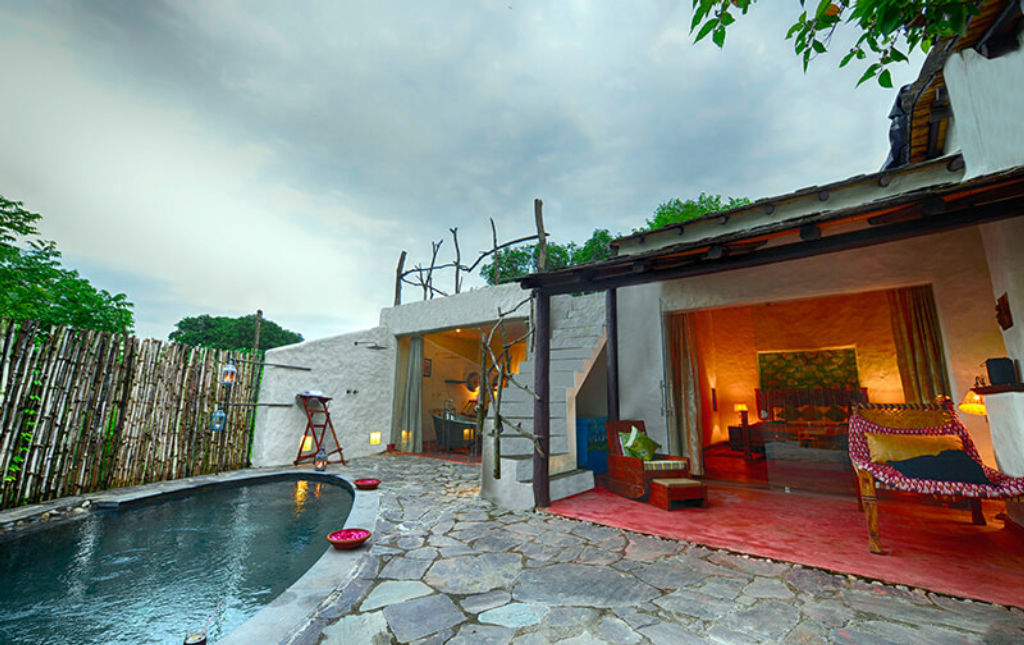
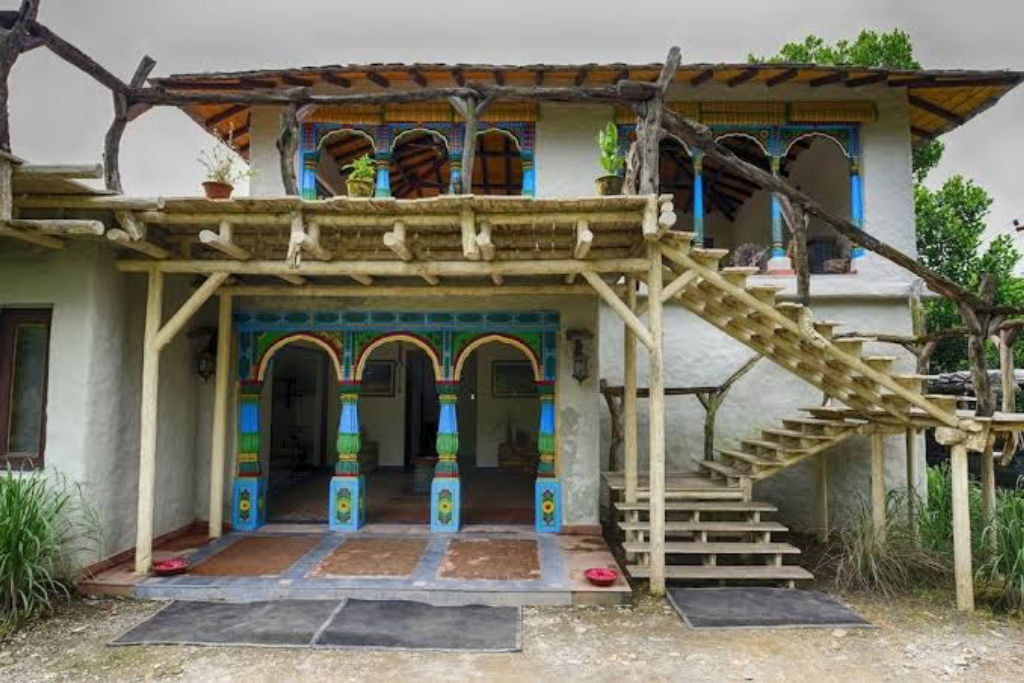
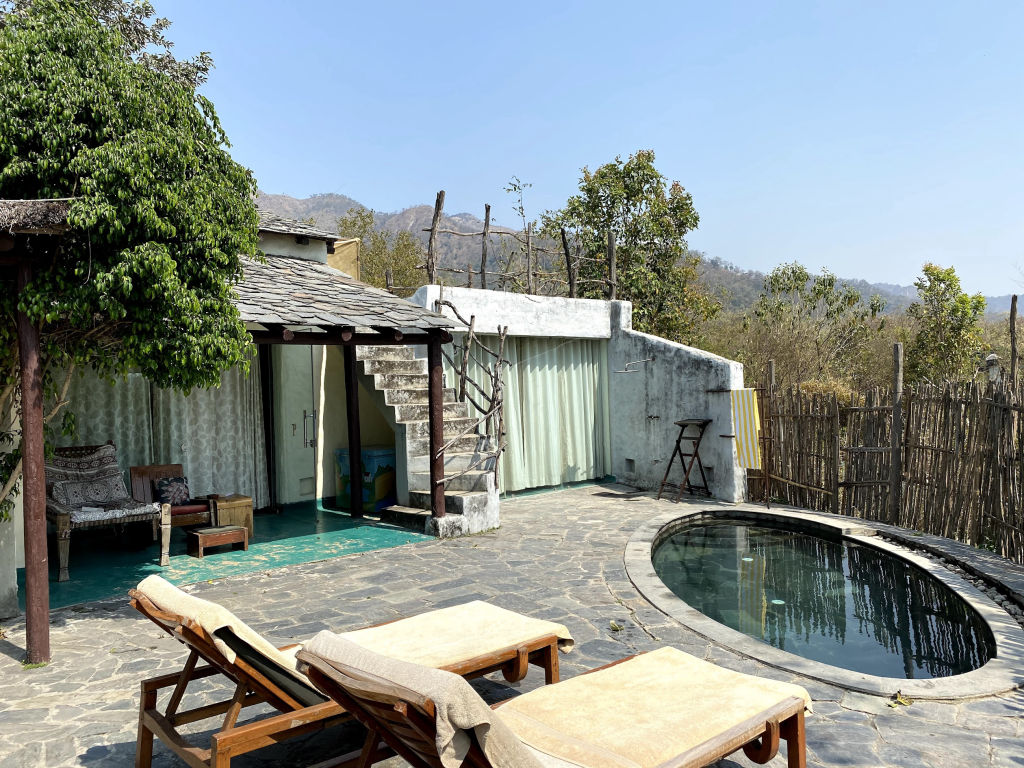
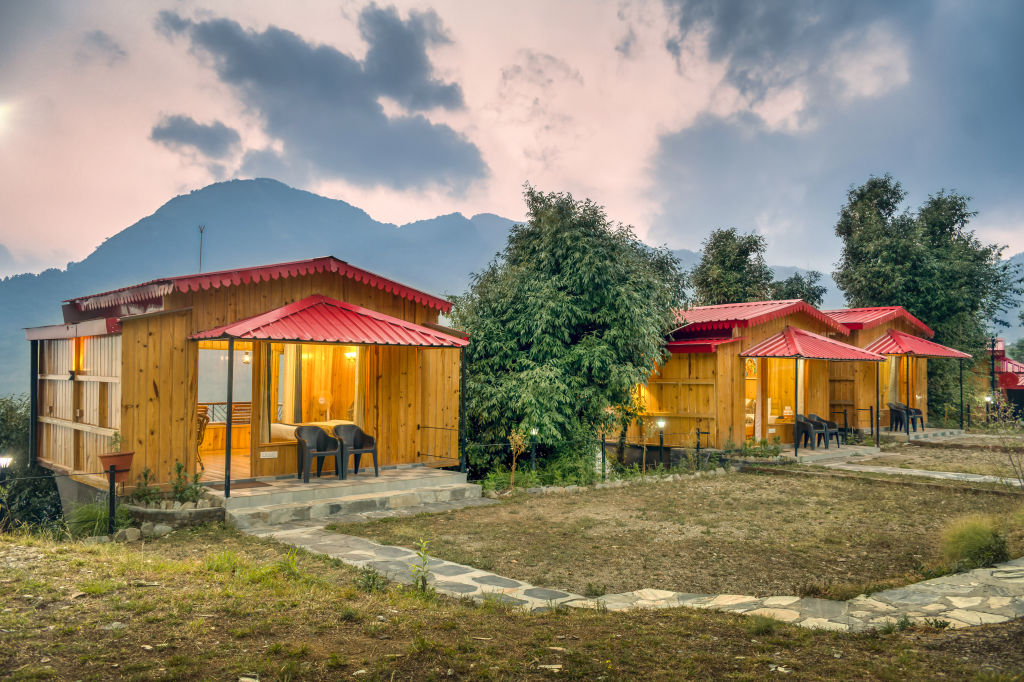
Accommodations around Binsar Wildlife Sanctuary cater to nature lovers who prefer peaceful, low-impact living. Staying on the fringes of the reserve allows you to wake up to birdsong and forest vistas without disturbing the protected wilderness core.
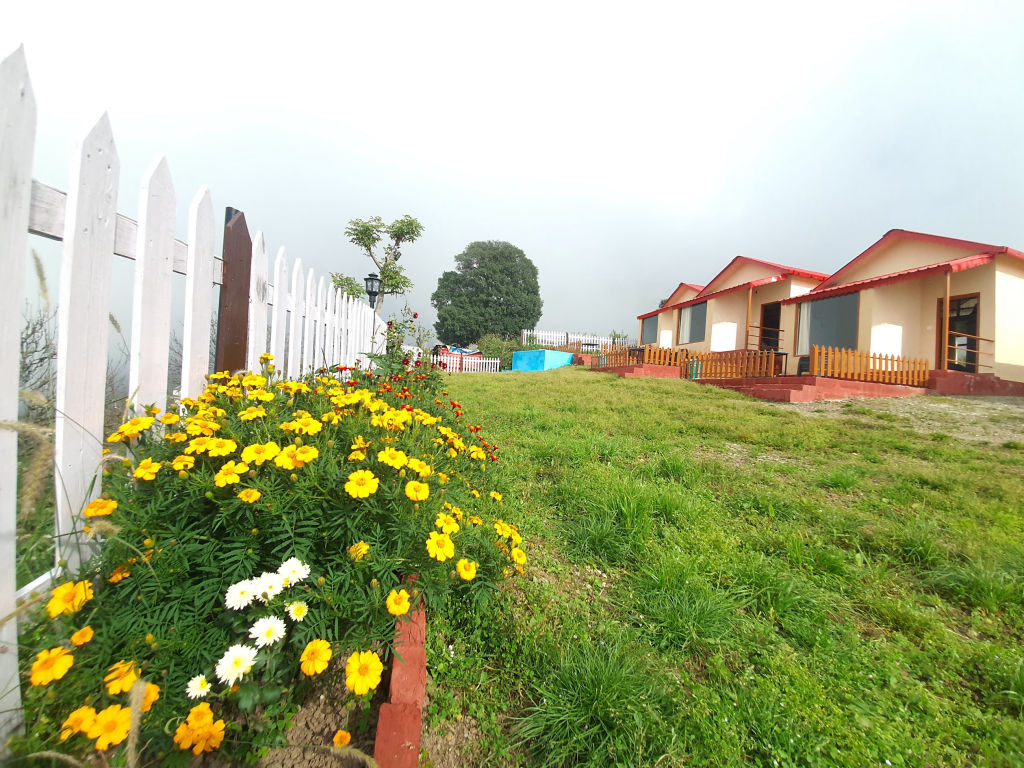
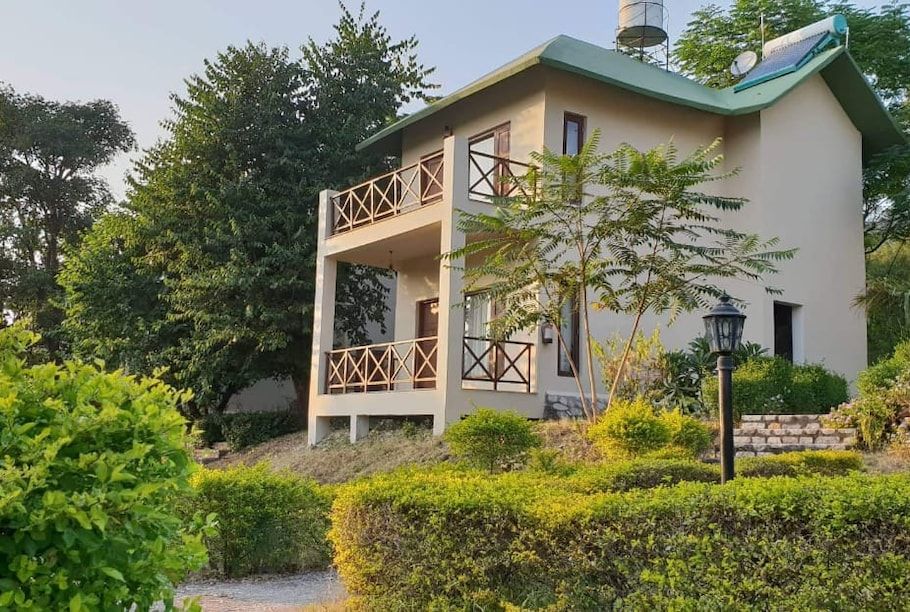
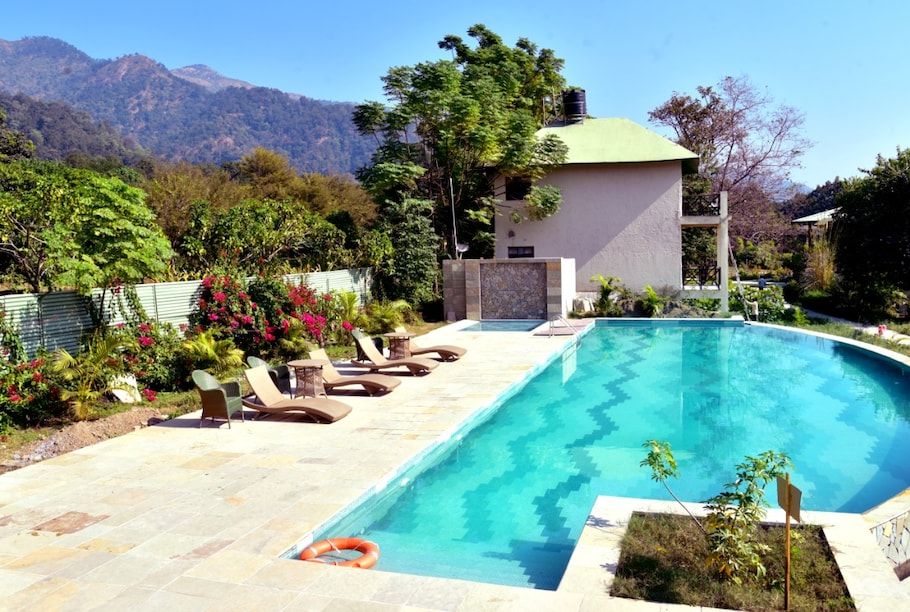
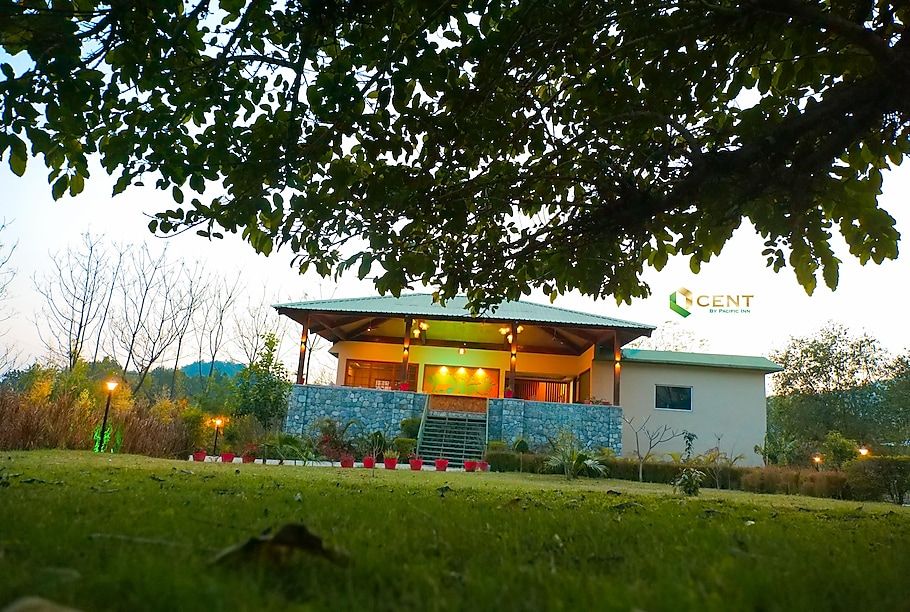
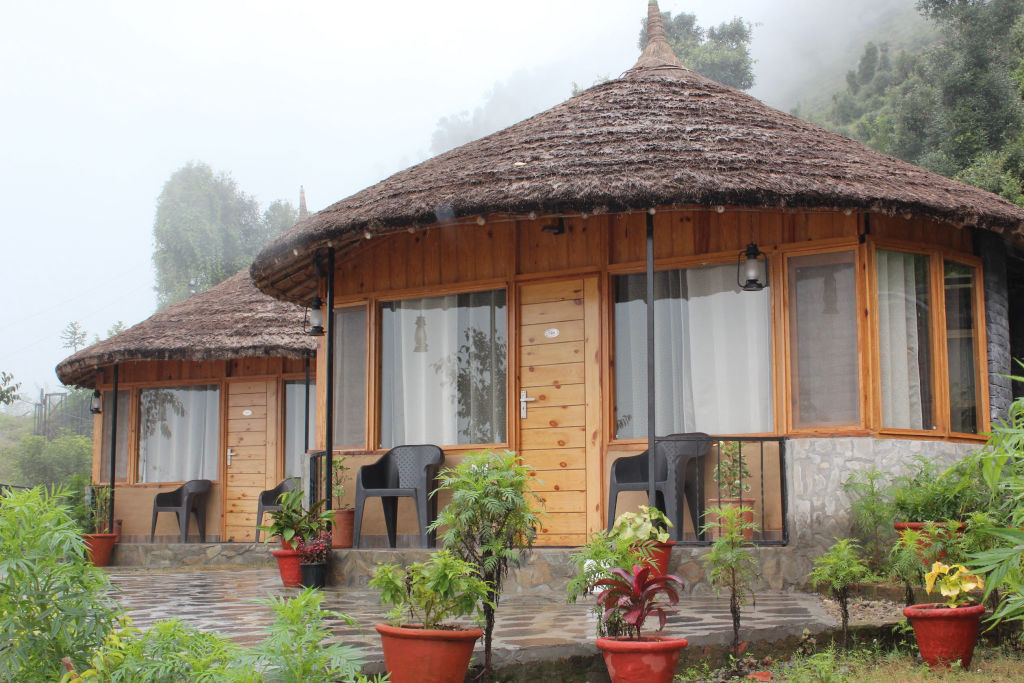
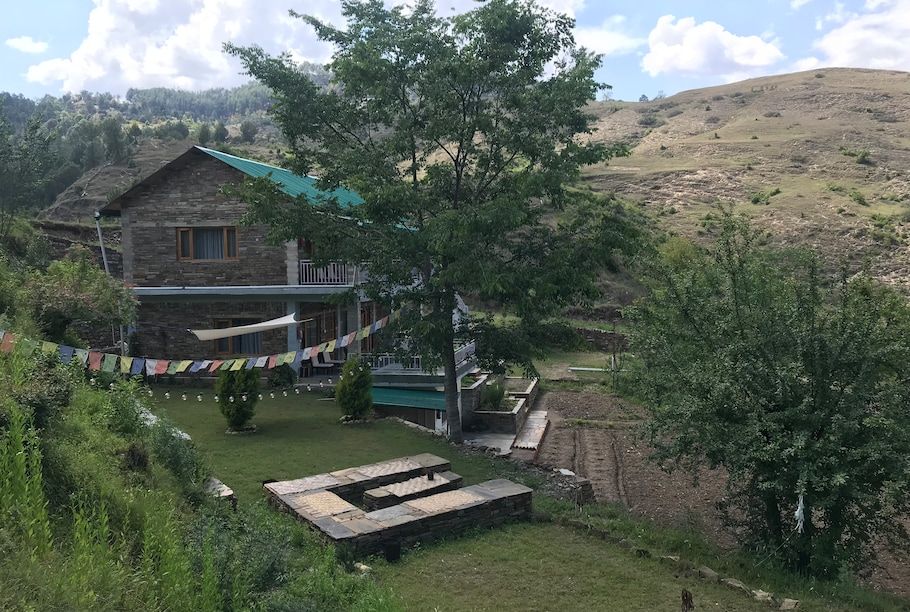
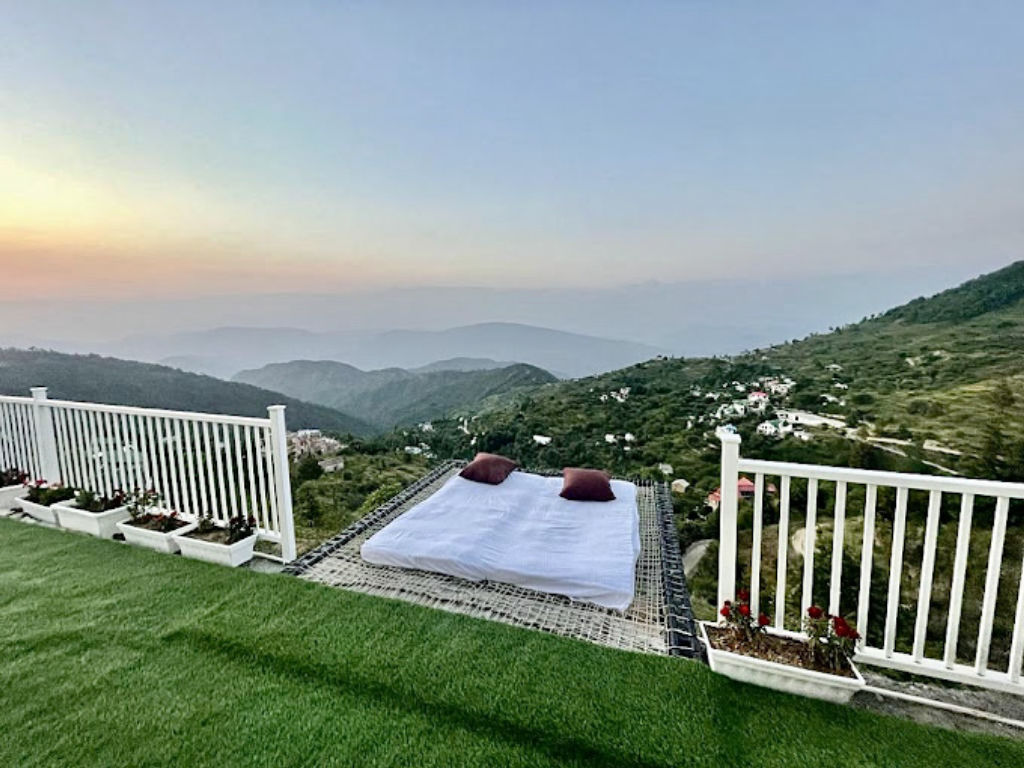
A variety of rustic campsites, welcoming mountain homestays, and quiet nature retreats situated in nearby villages and hillside settings can be booked directly on HireACamp. These stays offer home-cooked regional meals and comfortable bases for exploring the surrounding forests.
Frequently asked questions
Can you explore Binsar Wildlife Sanctuary on foot?
Yes, Binsar is one of the few wildlife sanctuaries in the region that allows travellers to explore designated walking trails on foot, including the popular trek to Zero Point.
What peaks can be seen from Binsar Wildlife Sanctuary?
On clear days, the higher viewpoints in Binsar offer sweeping panoramas of prominent Himalayan peaks including Nanda Devi, Trishul, Shivling, and the Panchachuli range.
What animals are found in Binsar Wildlife Sanctuary?
Binsar is home to barking deer, wild boar, Himalayan goral, leopards, red foxes, and black bears, alongside more than two hundred species of native and migratory birds.
When is the best time for birdwatching in Binsar?
The best time for birdwatching is from October through April, when clear weather and seasonal migrations bring a high variety of bird species into the forest canopy.
Does it snow in Binsar Wildlife Sanctuary?
Binsar occasionally receives snowfall during the peak winter months of December and January, particularly at higher ridge points.
Where you'll be
Ranikhet Sub-District · 12 stays nearby shown with prices
Stays near Binsar Wildlife Sanctuary
Book a place to stay close by

More places near Binsar Wildlife Sanctuary
Within 20 km
Built from 0 Instagram posts by 0 creators. Every tip links back to the post it came from, and where creators disagree we show both sides.






