
Gaunap
Destination in Uttarakhand
Gaunap is a quiet village settlement nestled in the middle of the Kumaon hills in Uttarakhand, set right against the perimeter of the Binsar Wildlife Sanctuary. Surrounded by dense forests of oak, pine, and rhododendron, the hamlet draws travellers seeking quiet mountain life, birdwatching, and panoramic views of the Himalayan range. It offers an unhurried retreat close to Almora's cultural landmarks and scenic ridge trails.
Getting there
By road
- From Dehradun7 hr 50 min · 377 km
- From New Delhi8 hr 35 min · 379 km
- From Chandigarh11 hr 30 min · 547 km
Typical drive times without traffic. Stations and airports from OLA Maps; distances and typical drive times from OpenStreetMap (© OpenStreetMap contributors); notes from creators' Reels.
About Gaunap
Written with AI from map data and general knowledge. Check prices and timings locally before you go.
About Gaunap and its landscape
Gaunap is an idyllic Kumaoni hamlet situated near the Binsar Wildlife Sanctuary in Uttarakhand. The village retains a traditional pastoral rhythm, where stone-and-wood homes are scattered across stepped hillside terraces and surrounded by thick woodlands. The slopes around Gaunap are blanketed in deodar, broad-leaved oak, and wild rhododendron trees, which give way to dramatic clearings with sweeping views of the central Himalayan peaks.
Because of its elevated ridge setting, the air in Gaunap remains crisp throughout the year. The settlement has avoided heavy vehicular transit and commercial congestion, making it an appealing destination for walkers, writers, and naturalists who want to experience the quiet beauty of northern India's mid-altitude hill country.
Things to do in and around Gaunap
The primary appeal of staying in Gaunap is spending time outdoors on foot. The walking trails leading through the neighbouring forests allow visitors to explore the area's rich biodiversity at a relaxed pace. Birdwatching is particularly rewarding here, as the adjoining sanctuary woodlands are home to woodpeckers, thrushes, magpies, laughingthrushes, and raptors circling the ridge updrafts.
Nature walks between Gaunap and nearby villages offer a firsthand look at traditional hill agriculture and rural life in Kumaon. Photography is another popular pursuit, especially during dawn and dusk when changing light illuminates the snow-capped Himalayan horizon. For those seeking quiet contemplation, the shaded forest clearings and rocky outcrops provide peaceful spots for reading, yoga, or sketching.
Read more
Places to visit near Gaunap
Gaunap sits directly adjacent to Binsar Wildlife Sanctuary, which lies barely two kilometres away. Exploring the sanctuary gives visitors access to deep forest paths, historic vantage points, and a chance to spot wildlife such as barking deer, mountain pheasants, and wild boar. Within a short walking distance lies the ancient Veeneshwar Temple, dedicated to Lord Shiva and tucked quietly beneath towering pines.
A short drive or ridge walk further south takes travellers toward the Kasar Devi ridge, located between 6 and 11 kilometres away. This area is known for its relaxed café culture, open views, and rich artistic legacy. Regional religious landmarks are also within easy reach, including the revered Gairar Golu Temple, the historic cave shrine of Garnaath Temple, the scenic Gananath Temple, and the iconic bell-draped Chitai Golu Devta Temple located about 12 kilometres away near Almora.
Best time to visit Gaunap
The ideal time to visit Gaunap is from March to June and from late September to November. Spring brings blooming rhododendrons that cover the surrounding slopes in vibrant shades of red and pink. Daytime temperatures during these months are warm and pleasant, while the evenings turn cool, making it ideal for forest walks and outdoor excursions.
Autumn, beginning in October, offers the clearest skies of the year and the sharpest views of the Himalayan ranges. Winter, spanning December to February, is quite cold with sharp morning frosts and occasional regional snowfall; it appeals to travellers looking for crisp mountain days and cozy fireside evenings. The monsoon season from July through August brings heavy rainfall, which blankets the valleys in lush green mist but can lead to slippery trails and occasional road delays.
How to reach Gaunap
Gaunap is accessible by road from major cities in northern India. From New Delhi, the road journey covers approximately 379 kilometres and takes around 8 hours and 30 minutes under typical, traffic-free conditions. The standard route heads via Ghaziabad, Moradabad, Rampur, Haldwani, and Almora, before climbing along the scenic mountain road toward Binsar.
From Chandigarh, Gaunap lies approximately 546 kilometres away, a drive that typically takes around 11 hours and 30 minutes without significant traffic delays. For those using public transport, trains run regularly to Kathgodam, the nearest railhead, located about three to four hours downhill by road. Taxis and local buses connect Kathgodam to Almora, from where private cabs can be hired to complete the drive up to the trails leading into Gaunap.
Tips for your visit
Because Gaunap involves traversing village paths and uneven mountain tracks, comfortable walking shoes with sturdy tread are essential. Pack in layers regardless of the season; mountain weather can shift quickly, and temperatures drop sharply once the sun goes down, especially between October and March.
Pharmacies, ATMs, and fuel stations are limited in the immediate vicinity of the village, so it is wise to withdraw cash and purchase personal supplies in larger transit towns like Almora or Bhowali. Mobile network connectivity can be patchy among the wooded gullies, so download offline maps before setting out. Always respect local village customs, stick to designated forest paths, and ensure you carry all non-biodegradable waste back out with you.
Where to stay around Gaunap
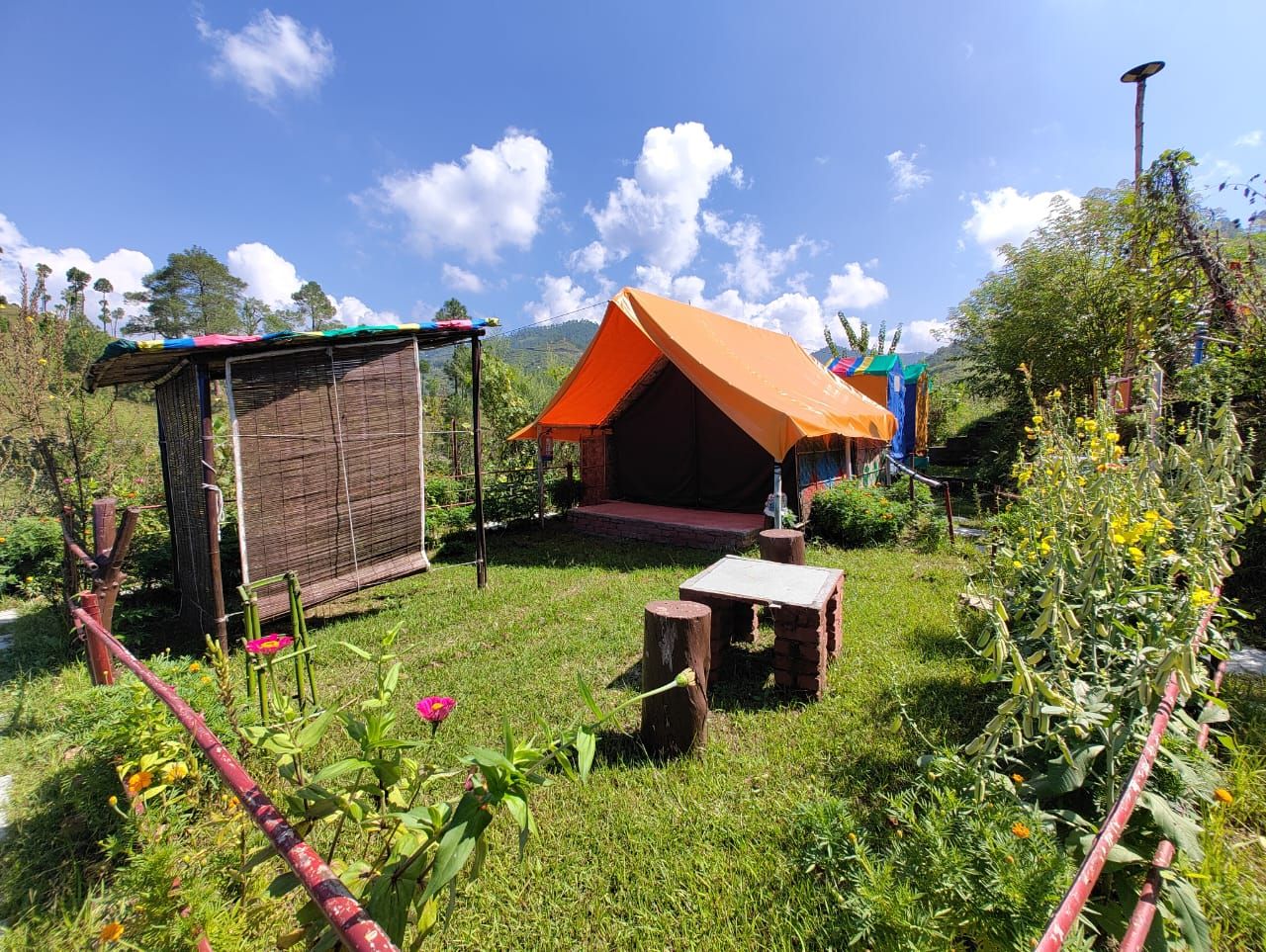
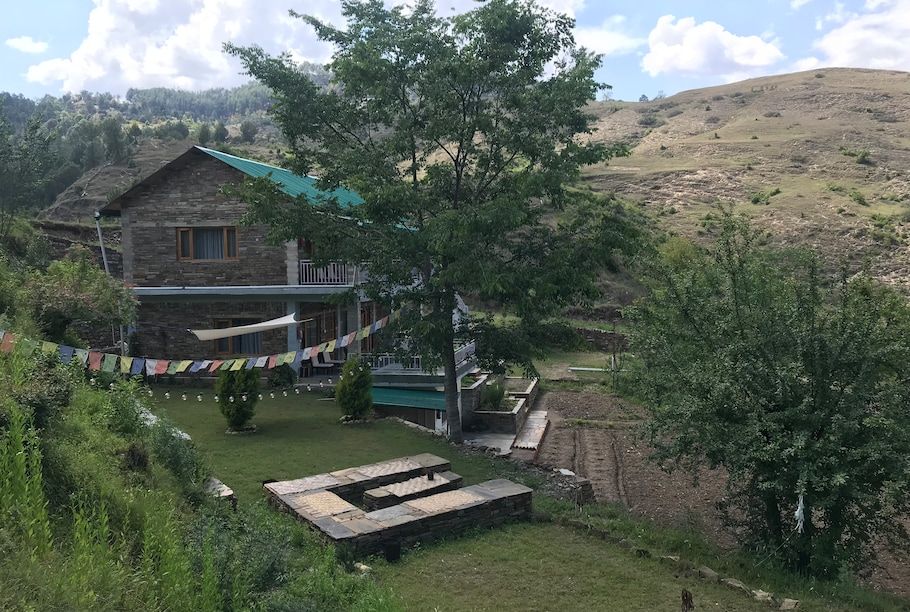
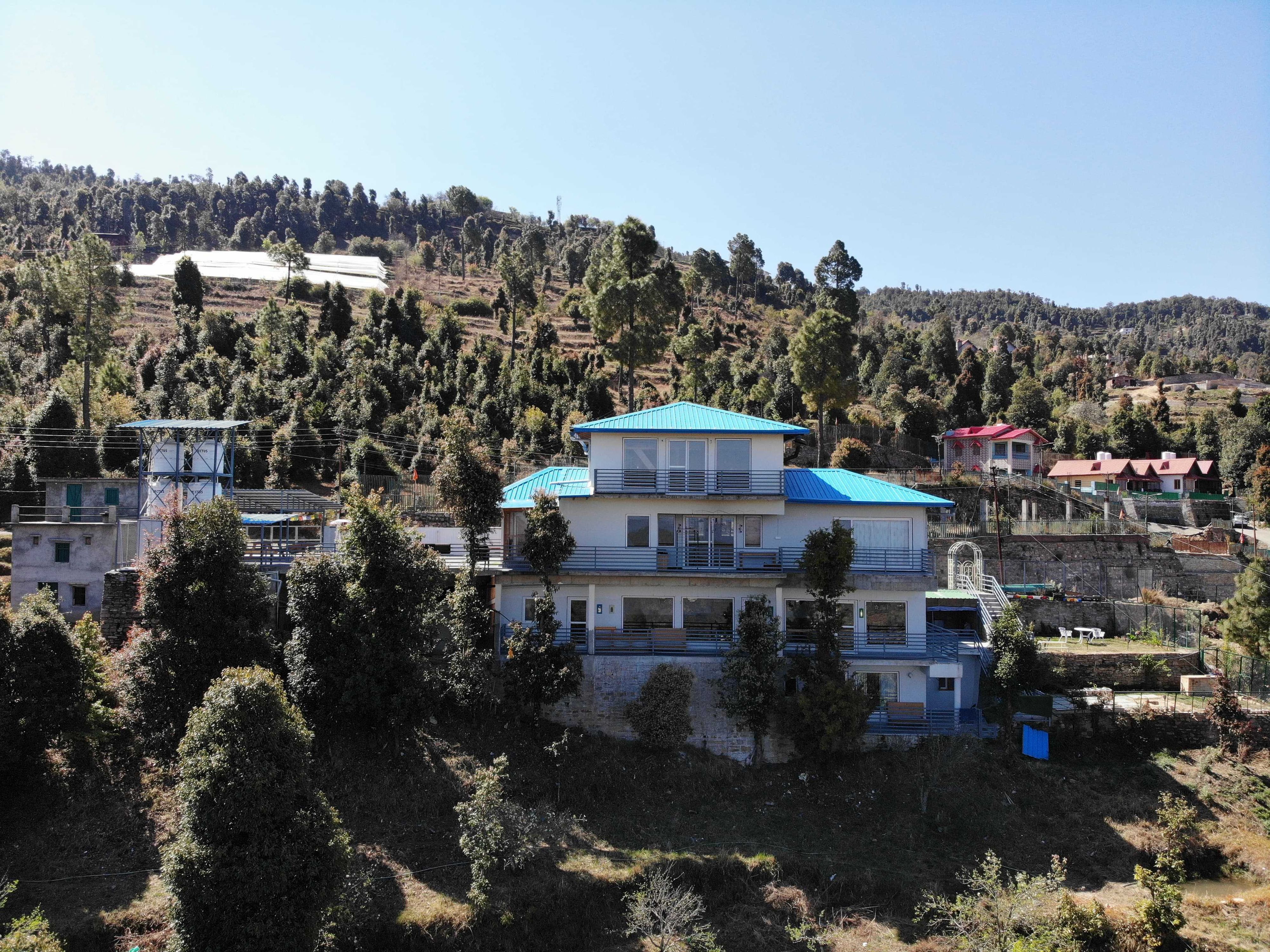
Accommodation options around Gaunap and the surrounding Binsar ridge emphasize rustic simplicity and deep immersion in nature. Travellers can choose between restored village homestays that serve home-cooked regional meals and scenic campsites set within apple orchards or pine forests.
Staying in a homestay provides an opportunity to experience traditional Kumaoni hospitality and architecture, while camping lets you sleep under starlit mountain skies with minimal light pollution. You can discover and book verified homestays, nature retreats, and eco-friendly campsites in and around Gaunap on HireACamp.
Frequently asked questions
What is Gaunap known for?
Gaunap is best known for its tranquil village environment, forest walking trails, and close proximity to the Binsar Wildlife Sanctuary. It offers quiet vantage points for viewing the high Himalayan peaks and observing regional birdlife.
How far is Gaunap from New Delhi?
Gaunap is approximately 379 kilometres from New Delhi by road. Under typical, traffic-free conditions, the drive takes around 8 hours and 30 minutes.
Which wildlife and nature sites are close to Gaunap?
The Binsar Wildlife Sanctuary borders Gaunap and sits roughly 2 kilometres away, offering dense oak forests and trails. The historic Veeneshwar Temple is also located about 2 kilometres from the village.
What is the best time of year to visit Gaunap?
The best periods to visit are spring from March to June for pleasant weather and blooming rhododendrons, and autumn from late September through November for clear mountain views and sunny days.
Where can I find accommodation near Gaunap?
You can find local homestays, rustic nature cottages, and tented campsites around Gaunap and the Binsar area listed directly on HireACamp.
Where you'll be
3 stays nearby shown with prices
Stays near Gaunap
Book a place to stay close by
Things to do in Gaunap
48 places creators recommend within 30 km
Built from 0 Instagram posts by 0 creators. Every tip links back to the post it came from, and where creators disagree we show both sides.






