
Bishweshwar Mahadev Temple
Temple near Bajaura, Himachal Pradesh
1.3 km from Bajaura
The nearest town, for stays, food and fuel.
Bishweshwar Mahadev Temple is an ancient stone temple dedicated to Lord Shiva, located in Bajaura near Bhuntar in Himachal Pradesh. Renowned for its intricate eighth-century stone architecture and detailed bas-relief sculptures, it stands out from the wooden pagoda-style shrines common across the Kullu valley. Travellers visit to admire its classical stone craftsmanship, offer prayers, and pause along the historic mountain routes flanking the Beas River.
Getting there
By road
- From BajauraNearest town17 min · 6.8 km
- From Chandigarh4 hr 30 min · 203 km
- From Ludhiana5 hr · 244 km
- From Amritsar7 hr 5 min · 355 km
Typical drive times without traffic. Stations and airports from OLA Maps; distances and typical drive times from OpenStreetMap (© OpenStreetMap contributors); notes from creators' Reels.
About Bishweshwar Mahadev Temple
Written with AI from map data and general knowledge. Check prices and timings locally before you go.
About Bishweshwar Mahadev Temple
Bishweshwar Mahadev Temple, situated in the village of Bajaura, is one of the oldest surviving stone monuments in the Kullu region. Dedicated to Lord Shiva, who is worshipped here in the form of a large stone lingam, the temple stands as a testament to classical North Indian temple design. Built around the eighth or ninth century, it is protected by the Archaeological Survey of India as a monument of national significance.
While most traditional shrines in Himachal Pradesh feature timber-and-stone bonded masonry and wooden tiered roofs, Bishweshwar Mahadev Temple belongs to the nagara or shikhara style of stone temple building. Its curvilinear stone tower rises gracefully above the valley floor, retaining sharp details despite weathering centuries of mountain rains and snow. For pilgrims, it serves as an active place of faith and worship, while art historians and heritage travellers appreciate it as an open-air museum of early medieval stone masonry.
Architecture and Carvings of Bishweshwar Mahadev Temple
The temple is acclaimed across northern India for the quality of its sculptural reliefs. The exterior facades of the stone sanctuary hold elaborate niches housing monumental carvings of Hindu deities. The southern niche features a detailed sculpture of Lord Ganesha, seated serenely with fine ornamentation. The northern niche enshrines Goddess Mahishasuramardini, depicted in dynamic movement as she vanquishes the buffalo demon with precision and grace. On the western facade sits a majestic relief of Lord Vishnu as Vaikuntha, flanked by his attributes.
Beyond these central niches, the temple walls and doorway jambs are layered with miniature motifs, floral scrollwork, musicians, celestial dancers, and river goddesses Ganga and Yamuna. The lintels display geometric precision rarely seen in mid-altitude mountain valleys. The stone used has endured centuries of outdoor exposure, allowing visitors to clearly observe the facial expressions, drapery, and ornamental details that early sculptors carved into each slab.
Read more
Best Time to Visit Bishweshwar Mahadev Temple
The temple can be visited throughout the year, but the experience changes distinctly with the rhythm of the seasons in Kullu Sub-District.
Spring and summer, running from March through June, offer pleasant weather and clear mountain views. Daytime temperatures remain comfortable, making this an ideal period to explore the grounds and study the outdoor carvings without facing extreme cold. Autumn, from September through November, brings crisp air, golden foliage across the valley, and sunny days with minimal rainfall, providing some of the clearest light for photography.
Winter, between December and February, is chilly, with temperatures dropping close to freezing during early mornings and nights. Although heavy snow falls on higher ridges surrounding the valley, Bajaura itself generally remains accessible, giving the temple a quiet, contemplative atmosphere. During the monsoon months of July and August, heavy downpours can lead to roadblocks along valley highways, so travelling then requires checking local weather and road advisories.
How to Reach Bishweshwar Mahadev Temple
Bishweshwar Mahadev Temple is situated in Bajaura, right off the main highway corridor connecting Mandi and Kullu. Its location near Bhuntar makes it very convenient to access by road and air.
Travellers arriving by air can fly to Kullu-Manali Airport at Bhuntar, which sits just a few kilometres to the north of Bajaura. From the airport, local taxis and buses cover the short distance along the highway in roughly ten to fifteen minutes under normal traffic conditions. For those travelling by road, buses running along the Chandigarh-Mandi-Manali route pass directly through Bajaura. Taxis and local transit buses regularly connect Bajaura with nearby hubs including Kullu town and Mandi.
If you are driving from Chandigarh, the journey heads north via Kiratpur, Bilaspur, and Mandi before entering the lower Kullu valley at Bajaura. The temple is positioned near the roadside, making it a natural and straightforward stop before driving onward into the Parvati or Tirthan valleys.
Tips for Your Visit
Because Bishweshwar Mahadev Temple is both an active religious sanctum and a protected historical monument, visitors are expected to maintain silence and respect local customs. Remove your footwear outside before stepping onto the raised temple plinth.
Dress modestly and check locally before taking photographs inside the central sanctum, as restrictions may apply to certain parts of the active shrine. The site is compact, and visitors generally spend thirty to sixty minutes admiring the sculptures and soaking in the setting. Carrying a small bottle of water and sun protection is helpful during sunny midday hours.
Morning and late afternoon visits are especially rewarding, as the angled sunlight brings out the three-dimensional depth of the relief carvings on the tower walls.
Places to Visit Nearby
Bajaura's central position makes it an excellent springboard for exploring the cultural and natural treasures of the broader Kullu region. A short journey toward the Sainj and Tirthan valleys leads to the pristine forests of the Great Himalayan National Park, a UNESCO World Heritage Site celebrated for its biodiversity and trekking trails.
In the Sainj Valley, roughly twenty-three kilometres away, lies the quiet meadows and wooden architecture of Shangarh village and the revered Shangchul Mahadev Temple. Travellers heading south toward Mandi can detour toward the sacred waters of Rewalsar Lake, an important pilgrimage hub for Buddhists, Hindus, and Sikhs alike.
For those drawn toward high-altitude vistas, the road winding up to Jalori Pass offers panoramic views of the inner Himalayan range. Hikers and backpackers can also continue northeast past Bhuntar into the Parvati Valley to explore riverside villages like Pulga, relax near mountain streams, or prepare for extended treks like Kheerganga.
Where to Stay near Bajaura
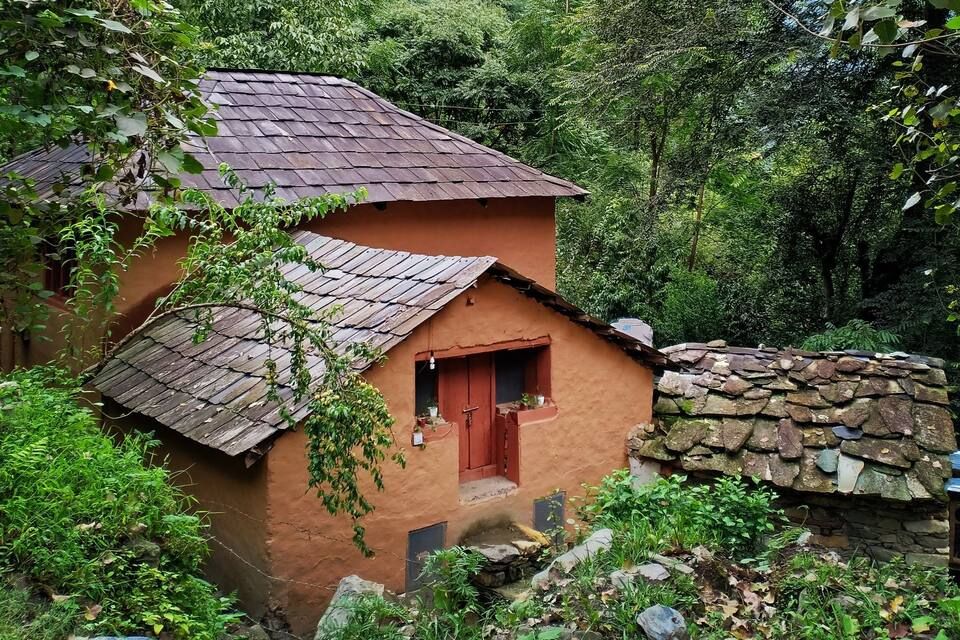
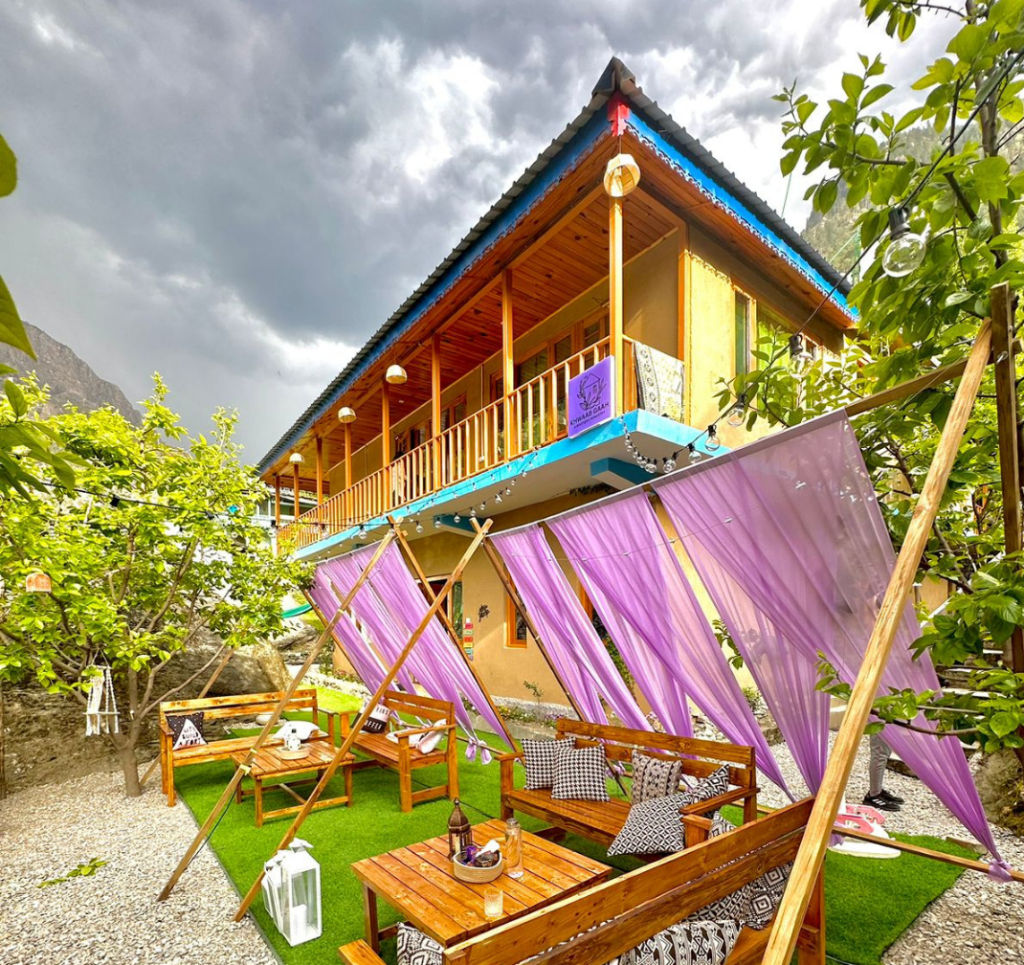
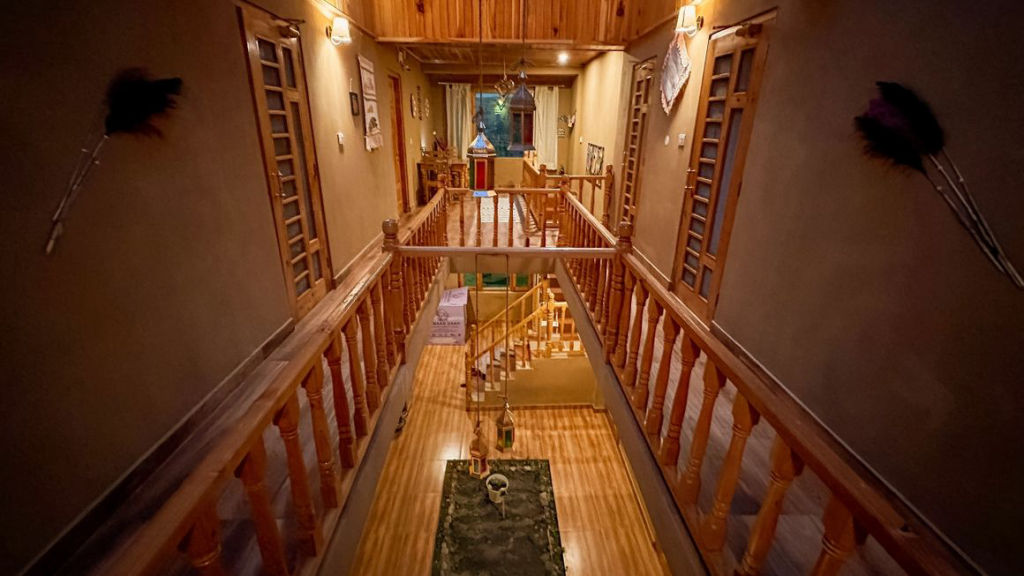
Travellers visiting Bishweshwar Mahadev Temple have a broad selection of base locations depending on their onward travel plans. Comfortable riverside homestays, traditional guesthouses, and scenic village retreats are dotted across Bhuntar, the Sainj Valley, and nearby rural hamlets.
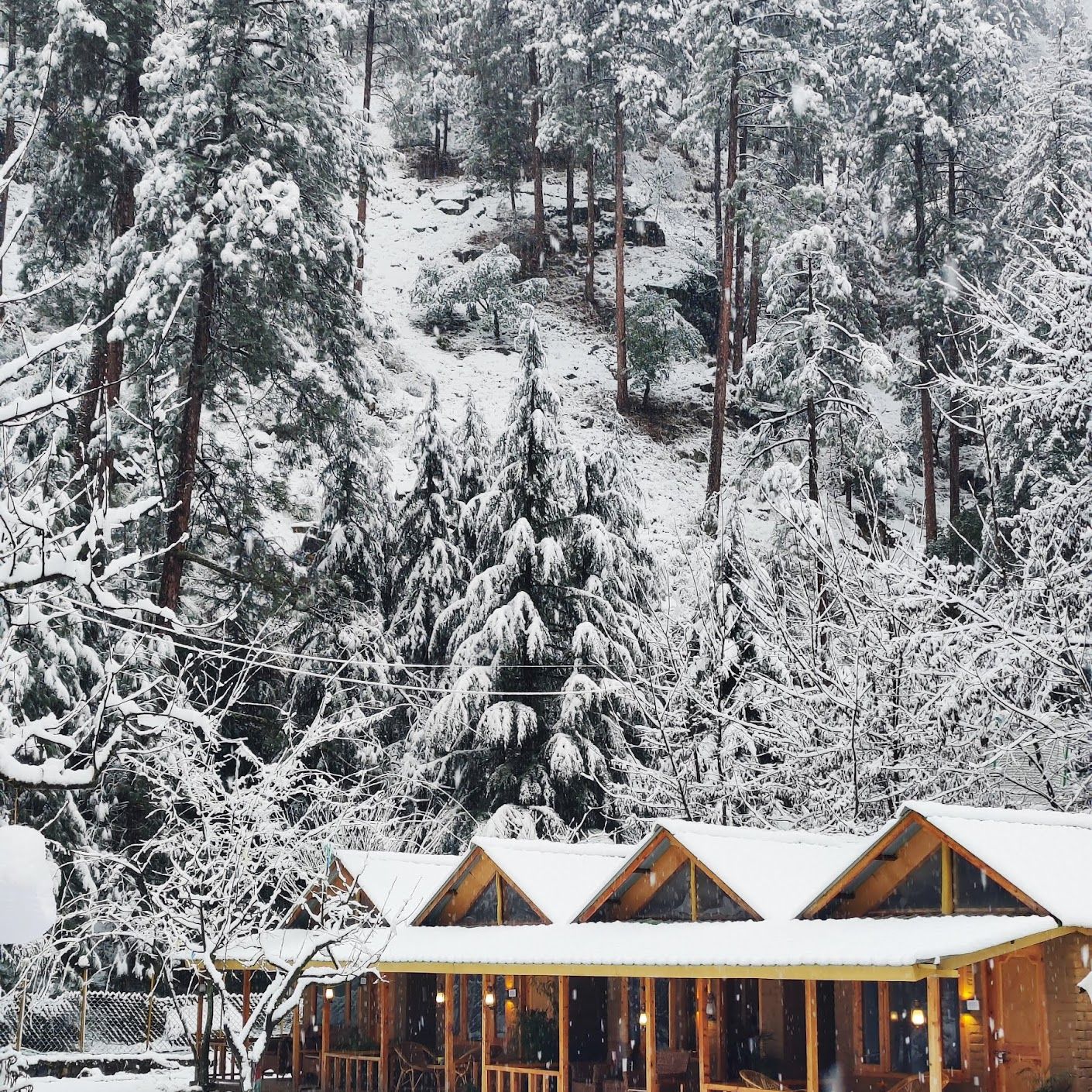
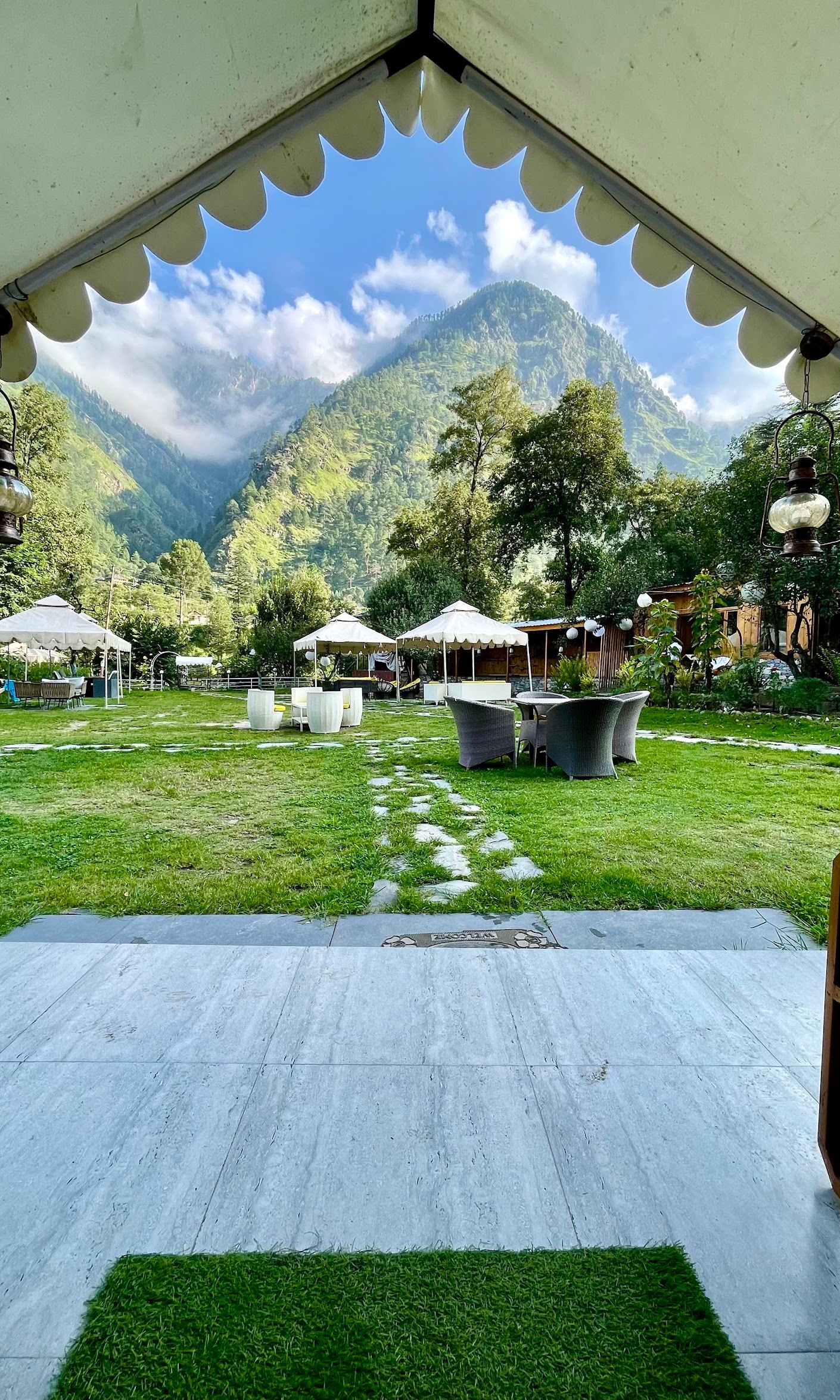
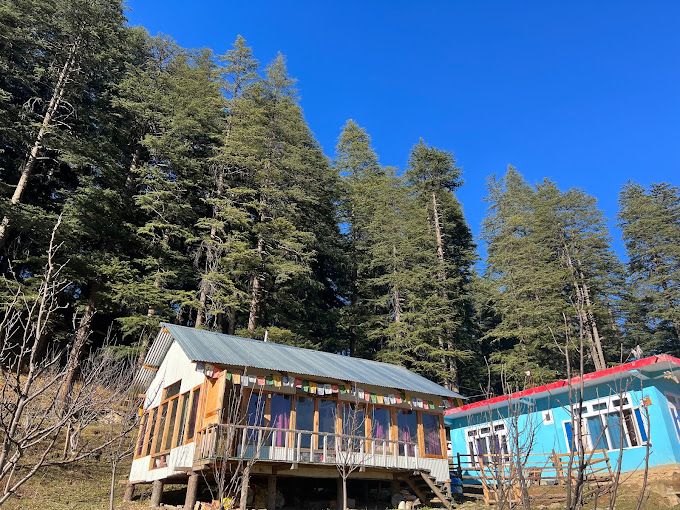
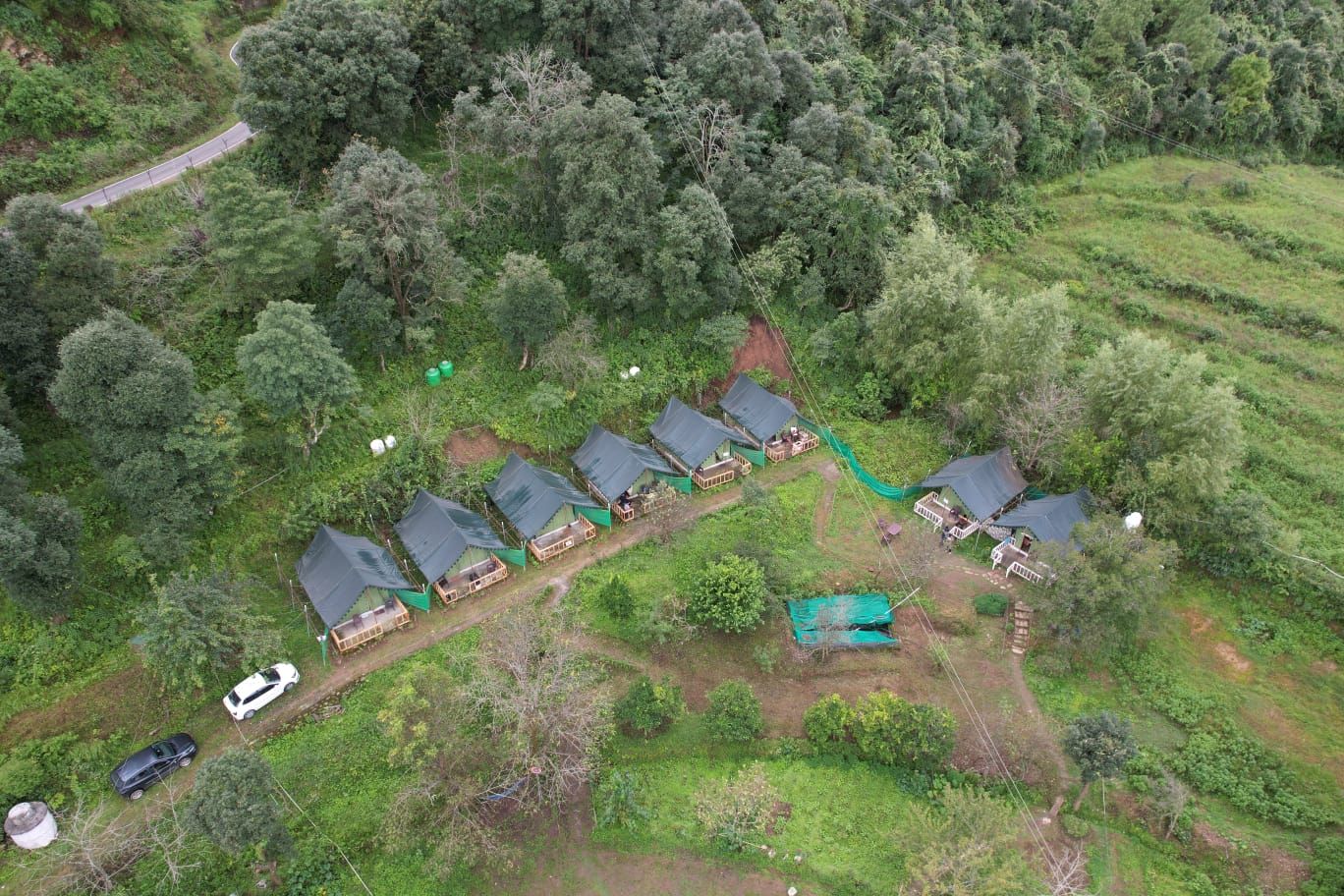
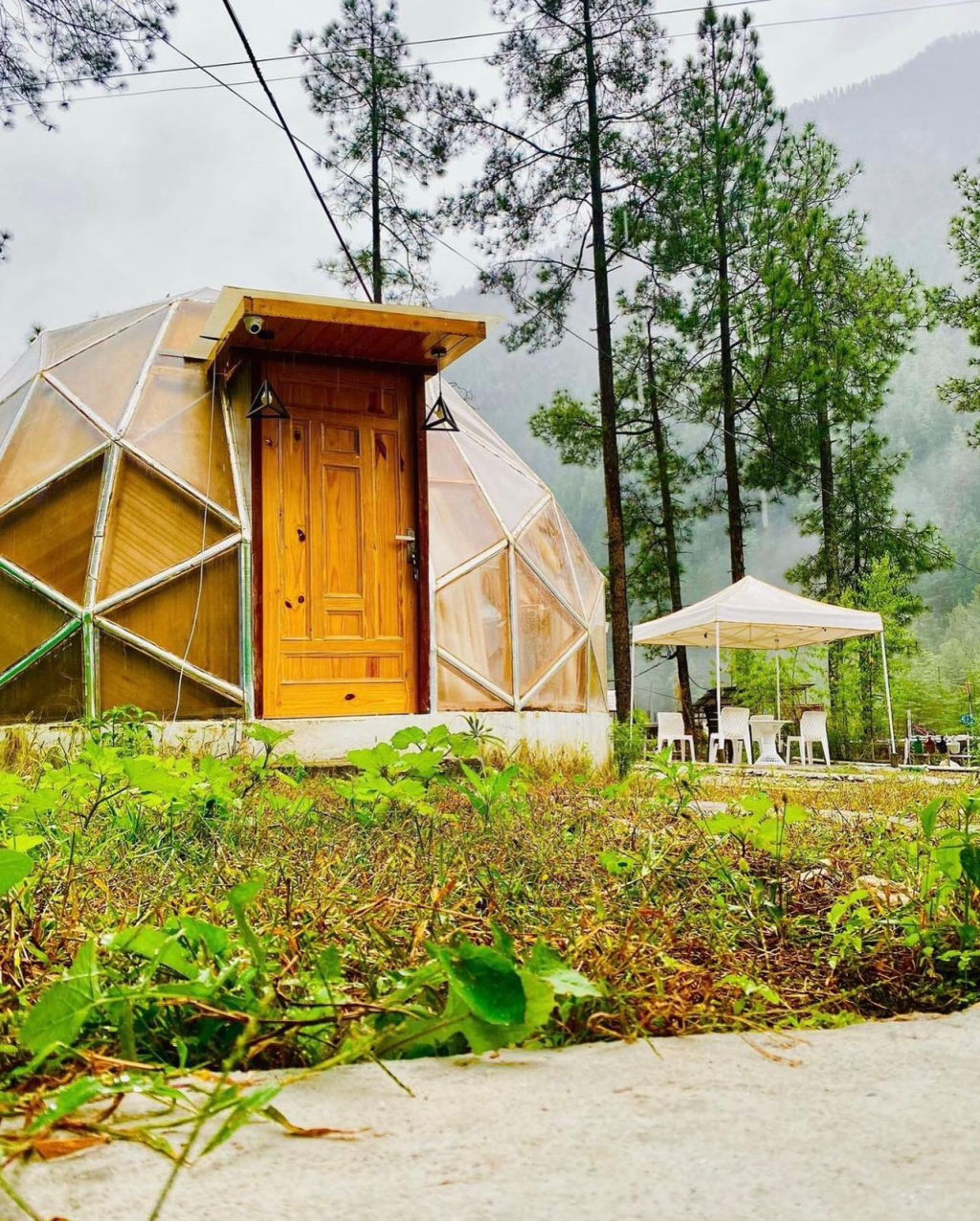
Those looking for mountain camps surrounded by pine woods, riverside camping along the Beas or Tirthan rivers, and authentic family-run homestays can explore curated listings on HireACamp to secure comfortable accommodations close to nature.
Frequently asked questions
What is Bishweshwar Mahadev Temple famous for?
The temple is renowned for its eighth-century stone shikhara architecture and remarkably detailed stone sculptures of deities like Ganesha, Mahishasuramardini, and Vishnu, making it one of the most significant early medieval monuments in Himachal Pradesh.
Where is Bishweshwar Mahadev Temple located?
It is located in the town of Bajaura in the Kullu Sub-District of Himachal Pradesh, just a short drive south of Bhuntar along the main Kullu-Mandi highway.
Are there opening hours or entry fees for Bishweshwar Mahadev Temple?
Opening times and visiting guidelines can vary throughout the year, so it is best to check locally upon arrival in Bajaura before planning your visit.
How much time is needed to visit Bishweshwar Mahadev Temple?
Most visitors spend between thirty minutes and an hour exploring the temple grounds, offering prayers, and admiring the stone carvings.
Where can I stay while visiting the temple?
You can stay in nearby towns like Bhuntar or base yourself in nearby valleys such as Tirthan or Parvati, where camps, guesthouses, and homestays are available on HireACamp.
Where you'll be
Bajaura, Himachal Pradesh, Kullu Sub-District · 8 stays nearby shown with prices
Stays near Bishweshwar Mahadev Temple
Book a place to stay close by
More places near Bishweshwar Mahadev Temple
Within 20 km

Built from 0 Instagram posts by 0 creators. Every tip links back to the post it came from, and where creators disagree we show both sides.






