
Parvati Valley
Valley near Bhuntar, Himachal Pradesh
800 m from Bhuntar
The nearest town, for stays, food and fuel.
Parvati Valley is a scenic mountain valley in the Kullu district of Himachal Pradesh, carved by the Parvati River as it flows west toward its confluence with the Beas River at Bhuntar. Surrounded by pine-clad slopes, steep rocky bluffs, and snowy Himalayan peaks, it attracts travellers seeking outdoor hiking, river landscapes, and traditional mountain village life. It also serves as the gateway to some of the region's best-known high-altitude treks and alpine meadows.
Getting there
By road
- From BhuntarNearest town2 min · 900 m
- From Chandigarh4 hr 35 min · 207 km
- From Ludhiana5 hr 10 min · 248 km
- From Amritsar7 hr 10 min · 359 km
Typical drive times without traffic. Stations and airports from OLA Maps; distances and typical drive times from OpenStreetMap (© OpenStreetMap contributors); notes from creators' Reels.
About Parvati Valley
Written with AI from map data and general knowledge. Check prices and timings locally before you go.
The Landscape of Parvati Valley
Parvati Valley extends eastward into the western Himalayas starting from Bhuntar in Himachal Pradesh. The valley is defined by the roaring Parvati River, which originates from the high-altitude glacial lake of ManTalai and cuts through dense forests of deodar, fir, and pine. The terrain transitions dramatically from wide, orchard-covered riverbanks at its lower end to narrow, sheer gorges and alpine pastures in its upper reaches.
Because of the sharp elevation changes, the valley has distinct microclimates. Lower sections feature terraced fields and fruit orchards, while higher settlements look out over glacier-capped peaks and tumbling mountain streams. Natural thermal hot springs emerge along the riverbed at various points in the valley, providing an interesting geological feature that has drawn travellers and pilgrims to the area for generations.
Villages and Mountain Culture
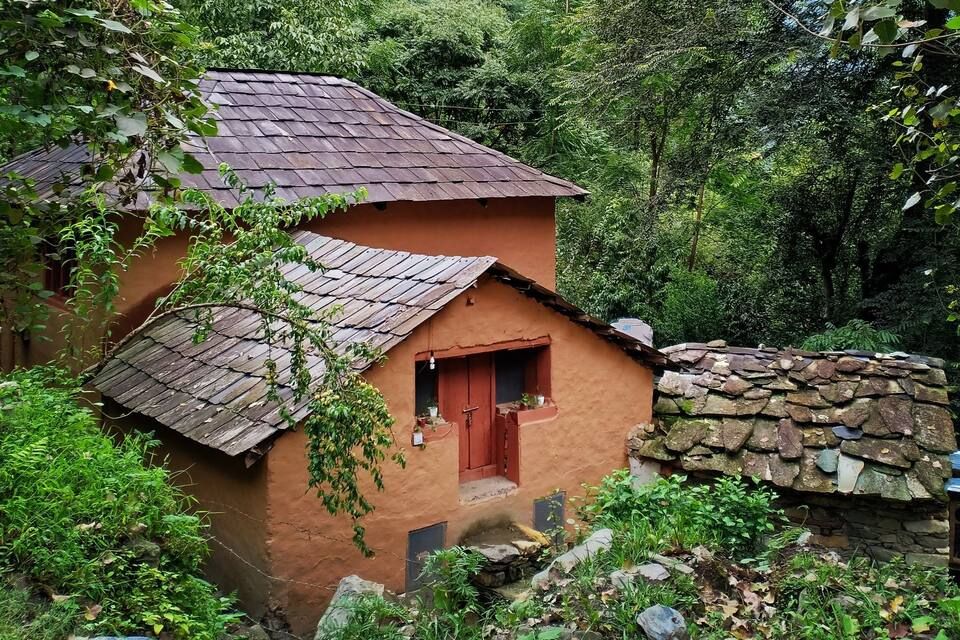
Dotted along the valley floor and perched across high hillside terraces are several traditional mountain hamlets. Many of these settlements have preserved their vernacular timber-and-stone building style, known as Kath-Kuni, which provides insulation against freezing winters and resilience against ground tremors. While road access reaches parts of the valley, many higher hamlets are connected only by pedestrian bridges and stone trails.
Villages such as Pulga, Kalga, and Tosh offer a glimpse into the everyday rhythms of life in the upper valley. Pulga, situated near a dense cedar forest, is surrounded by wooden homes, small kitchen gardens, and apple orchards. Walking through these settlements gives visitors a chance to observe traditional agrarian routines, local weave crafts, and the community architecture of the Kullu region up close.
Read more
Trekking and Outdoor Trails in Parvati Valley
Outdoor exploration is the primary highlight of a visit to Parvati Valley. The trail network ranges from short walks between neighboring hamlets to multi-day alpine crossings. Among the most popular routes is the Kheerganga trek, which begins near Barshaini and winds through dense forests, across log bridges, and past cascading waterfalls before opening into an expansive mountain clearing known for its natural thermal springs.
For more experienced mountaineers, the valley provides access to challenging long-distance routes such as the Pin Parvati Pass, which connects the verdant forests of Kullu to the arid high-altitude desert of Spiti. Shorter day hikes around village forests and riverside meadows are ideal for those who prefer leisurely walks without carrying heavy equipment.
Best Time to Visit Parvati Valley
The valley experiences four distinct seasons, each offering a different atmosphere. Spring and summer, stretching from April to June, are the most popular months to visit. During this window, temperatures are comfortable during the day, trails are clear of deep snow, and the surrounding forests and alpine meadows are vibrant green.
Monsoon season lasts from July through August, bringing heavy rainfall to the Kullu region. Traveling during this period requires caution, as mountain roads can experience mudslides, rockfall, and temporary blockages. Autumn arrives in September and lasts through November, bringing crisp air, dry trails, and golden foliage, making it an excellent time for walking and photography. Winters, from December to February, bring sub-zero nights and thick snow to higher villages like Tosh and Pulga, creating quiet, snowbound landscapes for travellers prepared for the cold.
How to Reach Parvati Valley
Parvati Valley is accessed by road via the town of Bhuntar in Kullu district. Bhuntar has a domestic airport with direct and connecting flights to select northern cities, though flight operations remain subject to weather conditions. The nearest major railway junctions on the plains are in Chandigarh and Pathankot, from where visitors can travel toward Kullu by road.
From Bhuntar, a mountain road winds eastward through the valley, passing towns like Jari, Kasol, and Manikaran before ending near Barshaini, the final roadhead for many upper village walks. Regular state-run buses and private taxis operate along this route from the Bhuntar bus stand. Road conditions can vary by season, and travel times within the valley often depend on mountain traffic and ongoing maintenance work.
Places to Visit Near Parvati Valley
Travellers spending time in Parvati Valley can easily explore attractions in nearby valleys. To the south lies the Sainj Valley, where visitors can see the sprawling meadows of Shangarh and visit the historic Shangchul Mahadev Temple. The Great Himalayan National Park, a UNESCO World Heritage site known for its intact subalpine forests and rare Himalayan fauna, is also located within driving distance.
Further south, the Tirthan Valley and the remote village of Gadagushaini offer peaceful river walks and forest trails away from crowded hubs. Sites like the Lapas Waterfalls provide pleasant day-excursion options for travellers who enjoy exploring natural water bodies and off-road walking routes.
Tips for Visiting Parvati Valley
Because most exploration in the valley involves walking on unpaved ground, carrying a dependable pair of hiking shoes with reliable tread is essential. Mountain weather can change quickly, so packing warm layers, a windbreaker, and rain protection is recommended regardless of the season.
Mobile phone connectivity is generally reliable in the lower valley around Bhuntar and Kasol, but signal strength drops significantly in upper villages and along trekking paths. ATMs are limited beyond the lower towns and frequently run out of cash, so it is wise to withdraw sufficient currency before heading deeper into the valley. Lastly, visitors should respect the local environment and community guidelines by taking all personal plastic waste back down to collection centers.
Where to Stay in Parvati Valley
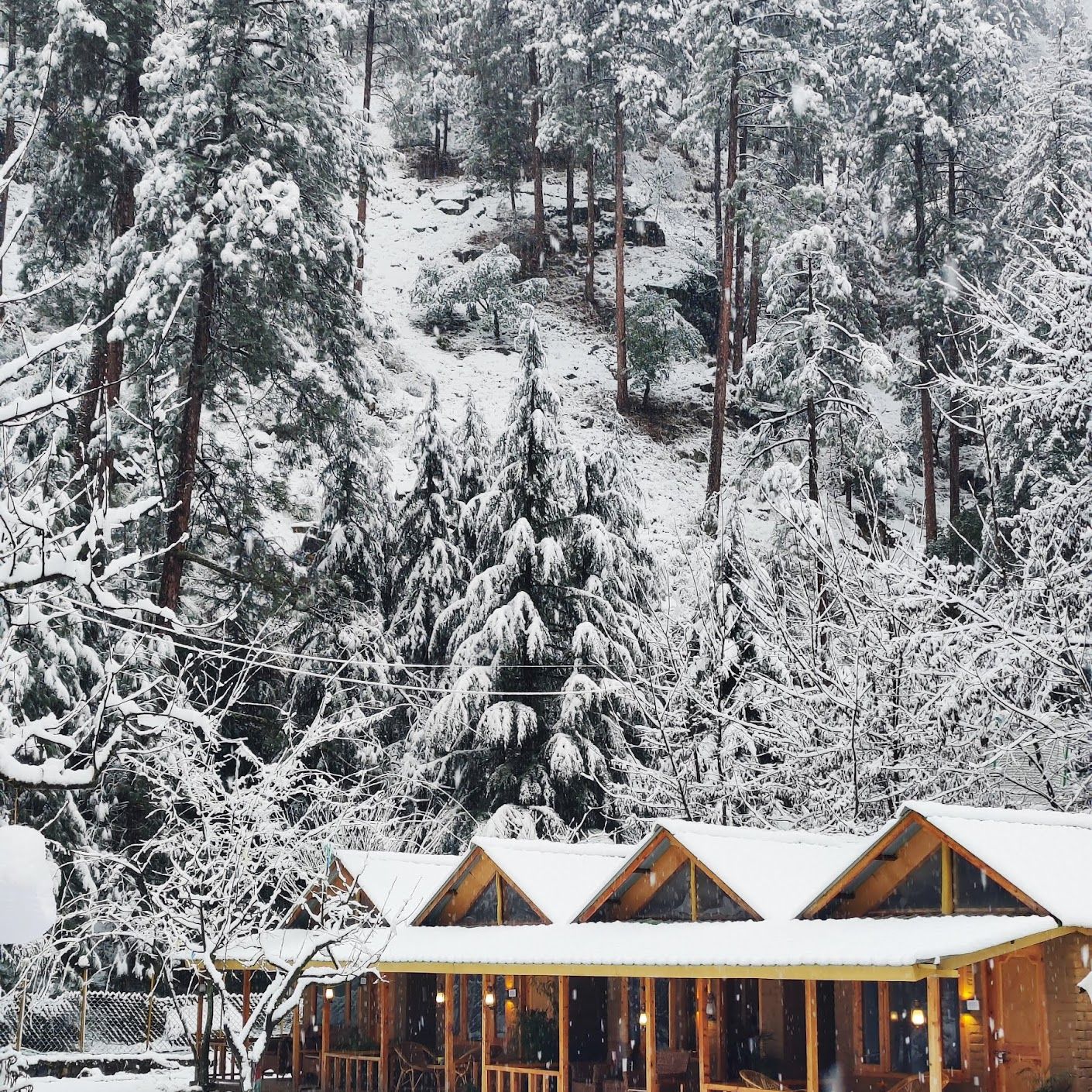
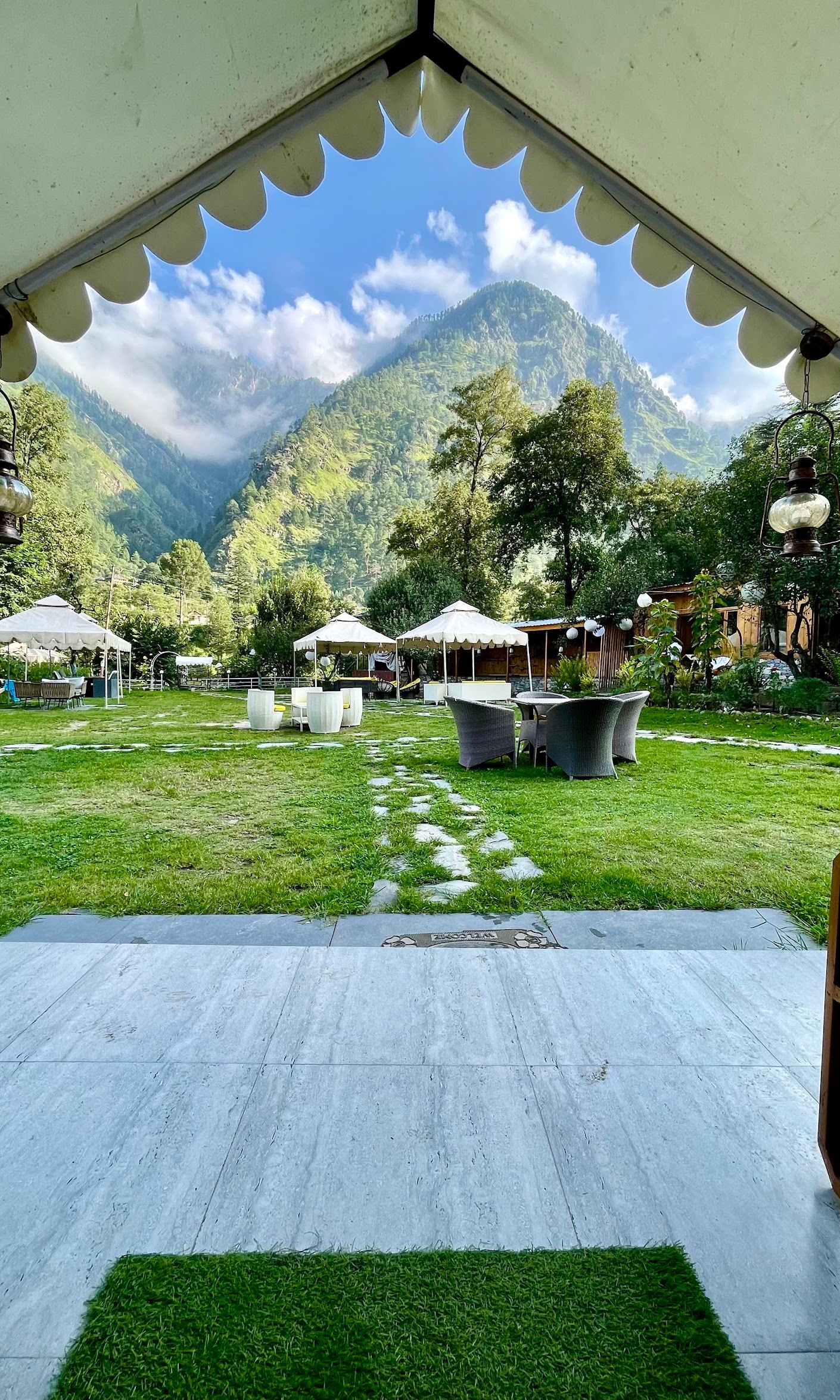
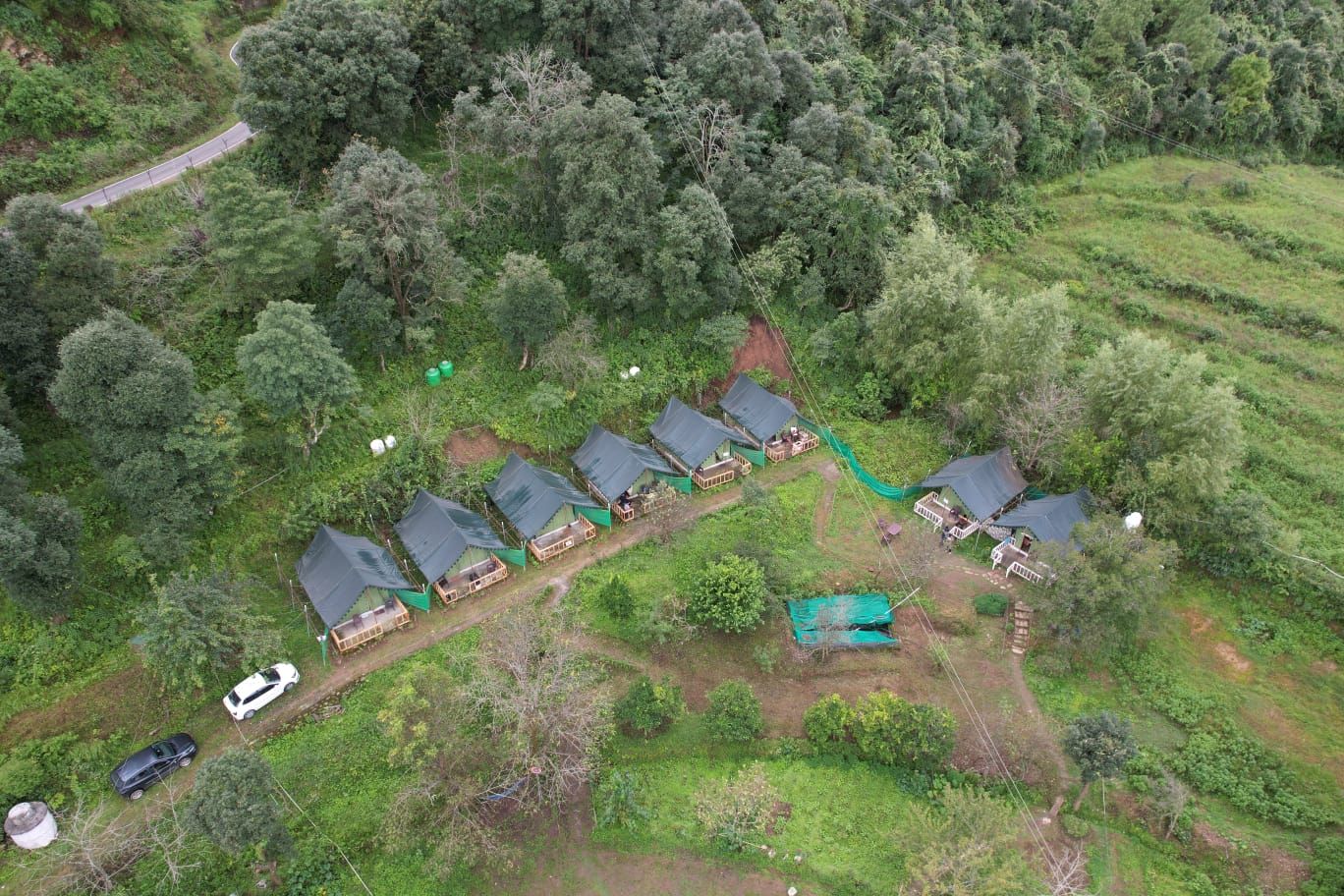
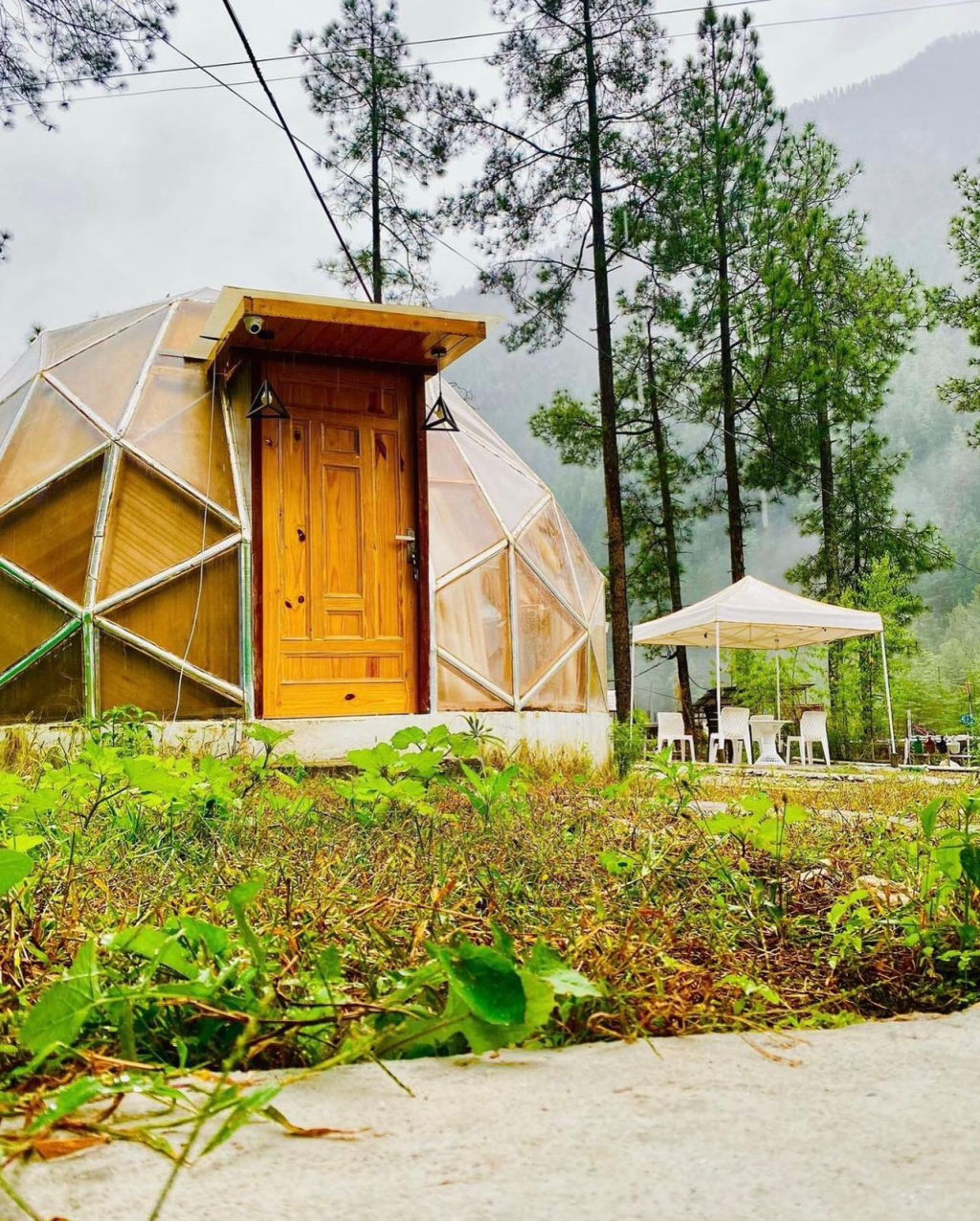
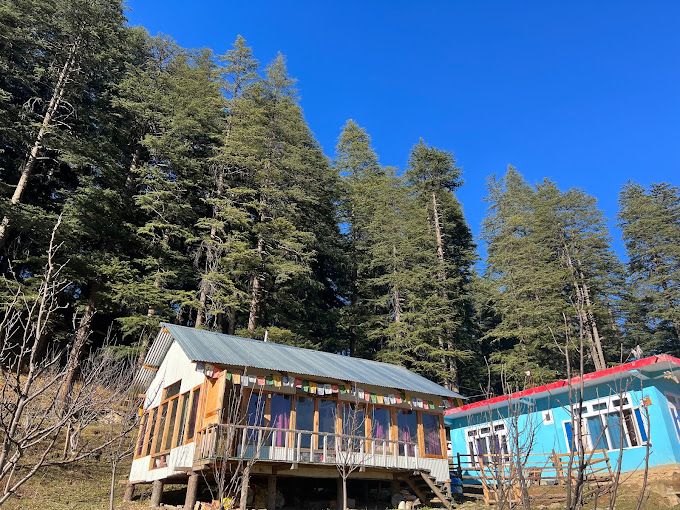
Accommodations across Parvati Valley vary widely based on how close you wish to stay to nature. Options include scenic riverside camps alongside the water, rustic wooden homestays in traditional villages, and quiet guesthouses set inside hillside apple orchards.
Staying in car-free villages like Pulga offers a peaceful environment with walking paths starting right outside your door. You can explore and book verified campsites, mountain homestays, and outdoor retreats in Parvati Valley on HireACamp.
Frequently asked questions
What is the nearest airport to Parvati Valley?
The nearest airport is Kullu-Manali Airport located at Bhuntar, situated at the entrance of Parvati Valley. Flights operate to select domestic destinations, though schedules depend heavily on weather conditions.
How many days are recommended for a trip to Parvati Valley?
A trip of four to six days allows enough time to visit traditional villages like Pulga, undertake a trek like Kheerganga, and enjoy the riverside scenery at a relaxed pace.
Can you visit Parvati Valley in winter?
Yes, Parvati Valley can be visited in winter. Higher villages often receive significant snowfall between December and February, requiring visitors to prepare for freezing temperatures and potential road delays.
Are ATMs and digital payments readily available in Parvati Valley?
ATMs and digital payments are available in lower hubs like Bhuntar and Kasol, but network connectivity and cash machines are limited in upper villages. It is best to carry sufficient cash for your stay.
Is Parvati Valley suitable for beginner hikers?
Yes, the valley offers trails for all fitness levels. While high-altitude passes demand serious preparation, walks between villages like Barshaini, Pulga, and Kalga are well-trodden and manageable for beginners.
Where you'll be
Kullu, Bhuntar · 6 stays nearby shown with prices
Stays near Parvati Valley
Book a place to stay close by
More places near Parvati Valley
Within 20 km

Built from 0 Instagram posts by 0 creators. Every tip links back to the post it came from, and where creators disagree we show both sides.






