
Burzahom
Destination in Jammu and Kashmir
Burzahom is a globally significant prehistoric archaeological site situated on a high karewa plateau in the Kashmir Valley of Jammu and Kashmir. Overlooking the floodplains of the Jhelum basin and nearby water bodies, the settlement dates back to the Neolithic and Megalithic eras. Travellers and history enthusiasts visit Burzahom to see the ancient roots of human habitation in the Himalayas, walk across its windswept terrace, and explore the broader cultural landscapes of Srinagar and Pulwama districts.
Getting there
About Burzahom
Written with AI from map data and general knowledge. Check prices and timings locally before you go.
Understanding Burzahom and its history
Burzahom occupies a distinctive place in South Asian archaeology as the premier Neolithic settlement uncovered in the Kashmir Valley. Perched on an ancient lacustrine terrace known locally as a karewa, the site revealed that human communities thrived here in subterranean dwelling pits as early as the third millennium BCE. These underground circular and rectangular homes protected early inhabitants from the harsh Himalayan winters, representing a unique architectural response to the regional climate.
Excavations at the site have also shed light on transitions into the Megalithic and early historic periods. Massive stone slabs and menhirs dot the landscape, standing as silent monuments to ancestral rituals and community life. Artefacts recovered over decades of research include polished stone tools, bone needles, unique burnished pottery, and detailed engravings. Visiting Burzahom offers a rare perspective on how prehistoric communities adapted to mountain terrain, agriculture, and animal husbandry thousands of years ago.
Things to do in and around Burzahom
A visit to Burzahom is primarily an experience of quiet reflection and historical exploration. Walking along the elevated karewa gives visitors sweeping panoramic vistas of the Kashmir Valley, framed by poplars, willow groves, and the distant snow-crested ridges of the Pir Panjal and Zabarwan ranges. Taking time to observe the standing megaliths and the open grassy terraces allows you to visualise the ancient settlement layout while enjoying the crisp mountain air.
Beyond the immediate archaeological plateau, the area serves as an excellent base for birdwatching and photography. The natural depressions and nearby water bodies attract local and migratory avifauna throughout the year. Travellers often spend time documenting the contrasts between old village settlements nearby and the fertile agricultural fields where mustard, saffron, and seasonal crops colour the valley floor.
Read more
Places to visit and getaways nearby
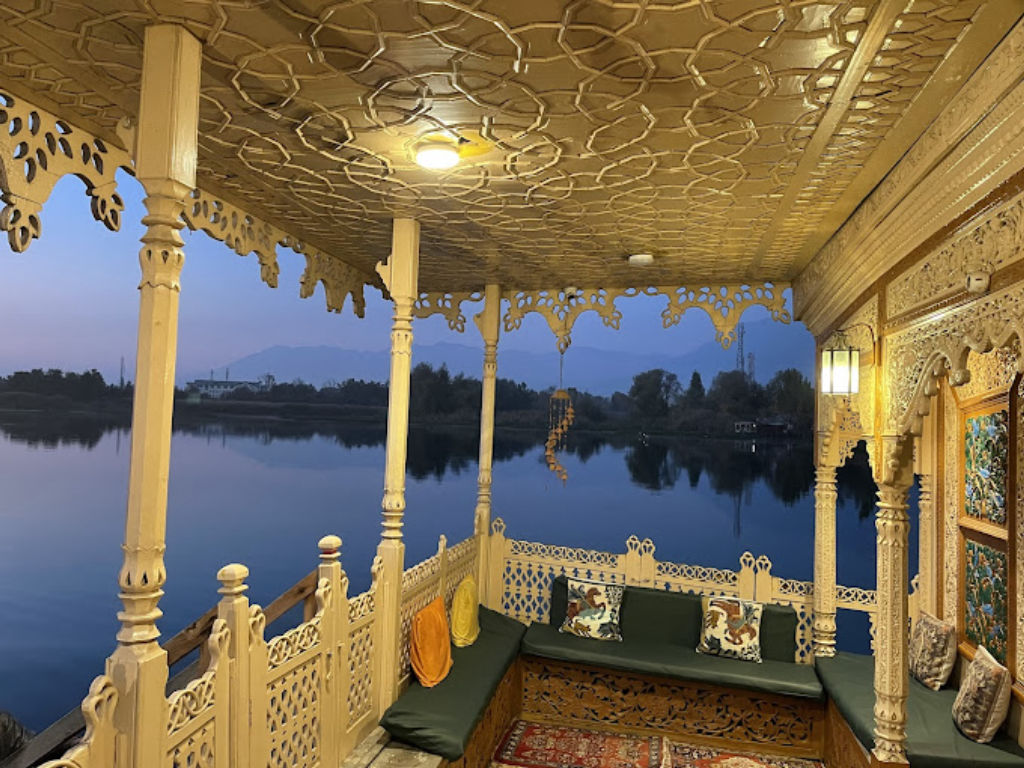
Burzahom sits within easy reach of several remarkable cultural and natural landmarks in the Kashmir Valley. Just a short drive away lies the iconic Dal Lake, famous for its historic wooden houseboats, vibrant floating markets, and scenic boulevard lined with Mughal-era terraced gardens. It offers a contrasting encounter with Kashmir's medieval and modern living heritage compared to Burzahom's ancient past.
Heading south toward Pulwama and Anantnag opens up an extraordinary route filled with historical ruins and peaceful natural spots. Along the highway lie the majestic ruins of the Avantiswami and Avantisvara temples, ninth-century stone complexes dedicated to Vishnu and Shiva that showcase exquisite classical Kashmiri temple architecture. For outdoor enthusiasts, the imposing Wustarwan peak offers trekking possibilities, while the fresh water flows of Aripal Springs provide a quiet day picnic spot amid forested surroundings.
Further across the valley, travellers can visit Charari Sharief, the revered shrine dedicated to Kashmir's patron saint Sheikh Noor-ud-Din Wali, which showcases traditional wooden Islamic architecture on a high hill. Nature lovers can also venture out to Nilnag, a serene, pine-fringed alpine lake tucked into the foothills, perfect for a peaceful day trip away from standard tourist trails.
Best time to visit Burzahom
The ideal time to explore Burzahom spans from April to October, when the valley weather is temperate and comfortable for outdoor walking. Spring brings blossoming orchards, fresh green pastures across the karewa, and pleasant afternoon temperatures. The surrounding countryside fills with vibrant wildflowers, making it an exceptionally photogenic season.
Summer months, from June through August, are warm and clear, offering long daylight hours to combine visits to the site with longer driving circuits around Srinagar and the southern districts. Autumn, extending through September and October, brings crisp air, clear blue skies, and the rich golden hues of turning chinar trees. Winter transforms the landscape with sub-zero temperatures and occasional heavy snowfall; while beautiful, outdoor exploration on the open plateau during this period requires proper thermal layers and attention to road conditions.
How to reach Burzahom
Burzahom is located in the Srinagar district of Jammu and Kashmir, making it accessible from Srinagar city centre and surrounding areas by road. The nearest airport is Sheikh ul-Alam International Airport in Srinagar, which operates regular domestic flights connecting to major Indian cities including New Delhi, Mumbai, and Chandigarh. From the airport, private taxis and rental vehicles can navigate the scenic route northward toward the site.
The nearest major railhead is Jammu Tawi, which is linked to all parts of the country by regular express trains. Travellers arriving by train typically take private cabs or shared vehicles along the scenic national highway north to Srinagar before continuing to the Burzahom area. Local transport, including shared jeeps and buses, operates between Srinagar and neighboring rural belts, though private vehicles or hired cabs provide the most flexibility.
Tips for your visit
Because Burzahom is an open-air archaeological site without extensive shade, carrying sun protection such as a broad-rimmed hat, sunglasses, and sunscreen is recommended during the warmer months. Sturdy, comfortable walking shoes are essential for navigating the unpaved terrain and grassy plateaus.
Weather conditions in the Kashmir Valley can change quickly, so carrying light layers even during late summer is a practical precaution. Visitors should remember that this is a protected cultural heritage site; ensure that you walk gently, leave standing stones and ground structures undisturbed, and carry back all personal trash to preserve the fragile landscape. Always check local guidelines and regulations on site prior to filming or photography.
Where to stay around Burzahom
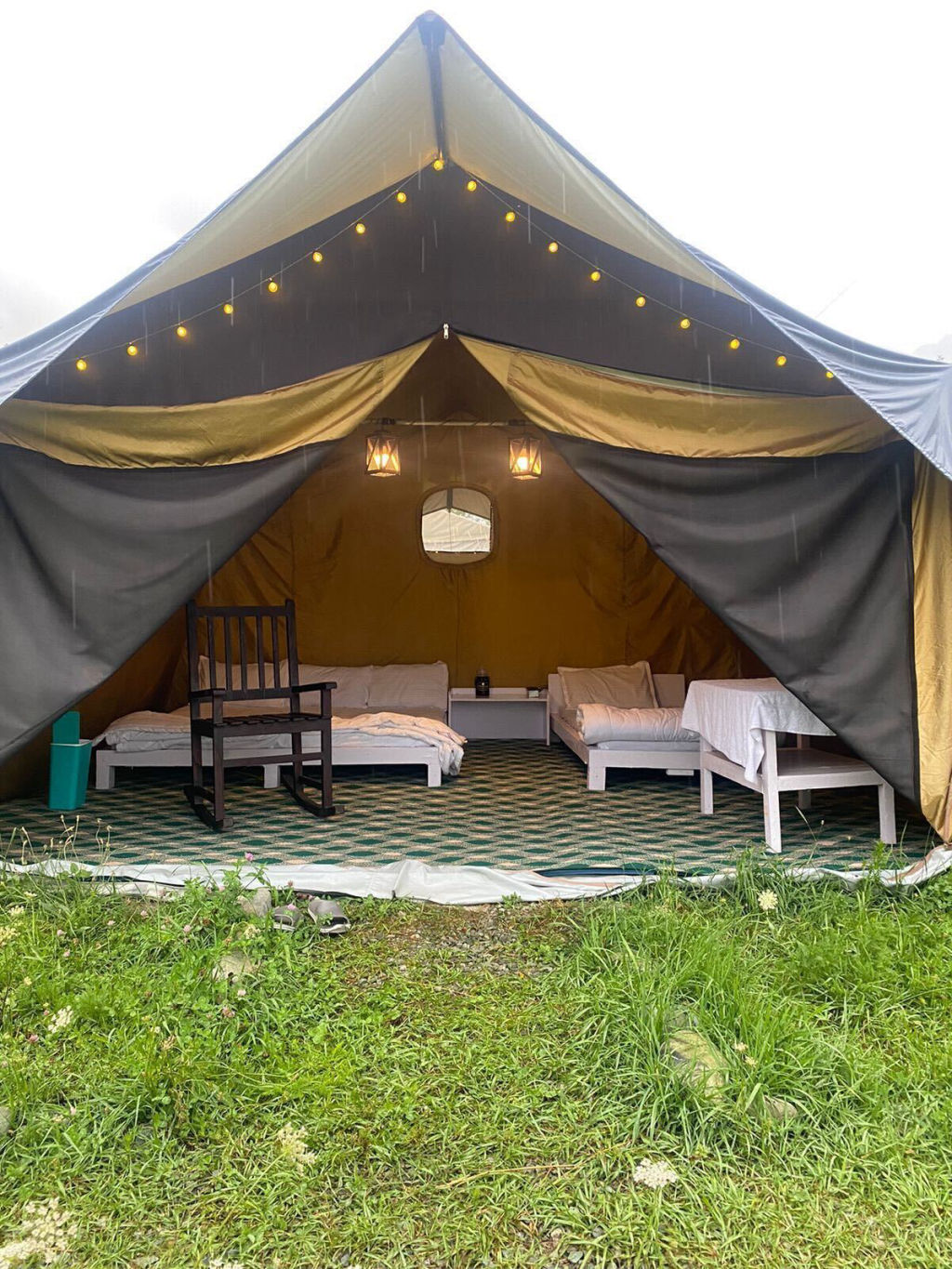
Staying near Burzahom allows travellers to experience the quiet morning light and rural rhythms of the Kashmir Valley away from busier town centres. The surrounding landscape offers a range of options, from traditional village homestays nestled in apple and walnut orchards to eco-friendly camps on the valley fringes.
Choosing a local homestay offers the chance to sample authentic Kashmiri home-cooked meals, warm kehwa, and hospitable local culture. For nature enthusiasts, riverside and meadow campsites nearby offer quiet evenings under starry mountain skies. Travellers looking for curated outdoor stays, scenic campsites, and village homestays in and around Srinagar district can explore listings directly on HireACamp.
Frequently asked questions
What is Burzahom famous for?
Burzahom is world-famous as an important prehistoric archaeological site in the Kashmir Valley, known for its underground Neolithic pit dwellings, megalithic standing stones, and unique prehistoric artefacts.
Where is Burzahom located?
Burzahom is situated on a high karewa plateau in the Srinagar district of Jammu and Kashmir, in northern India.
Can Burzahom be visited as a day trip from Srinagar?
Yes, Burzahom is located close to Srinagar and can be easily explored on a half-day or full-day excursion along with Dal Lake and nearby gardens.
What should I wear while visiting Burzahom?
Wear comfortable walking shoes suitable for uneven earthen paths, and dress in modest, weather-appropriate layers, with warm clothing if travelling during autumn or winter.
Are there historical places to explore near Burzahom?
Nearby historic landmarks include the ninth-century stone temples of Avantiswami and Avantisvara, the historic shrine of Charari Sharief, and the Mughal heritage sites surrounding Dal Lake.
Where you'll be
2 stays nearby shown with prices
Stays near Burzahom
Book a place to stay close by
Things to do in Burzahom
48 places creators recommend within 30 km
Built from 0 Instagram posts by 0 creators. Every tip links back to the post it came from, and where creators disagree we show both sides.






