
Hari Parbat
Peak near Nowhatta, Jammu and Kashmir
1 km from Nowhatta
The nearest town, for stays, food and fuel.
Hari Parbat is an iconic historic hill rising above Srinagar in Jammu and Kashmir, crowned by an ancient fortification. The hill holds deep multireligious significance for Hindus, Muslims, and Sikhs alike, housing revered shrines along its slopes. Travellers visit to explore its centuries-old fort architecture, seek spiritual blessings, and take in panoramic views of Srinagar and the surrounding Kashmir Valley.
Getting there
By road
- From NowhattaNearest town7 min · 1.5 km
Typical drive times without traffic. Stations and airports from OLA Maps; distances and typical drive times from OpenStreetMap (© OpenStreetMap contributors); notes from creators' Reels.
About Hari Parbat
Written with AI from map data and general knowledge. Check prices and timings locally before you go.
About Hari Parbat and Its Cultural Heritage
Hari Parbat, historically referred to as Koh-e-Maran, is a prominent hill that rises sharply above the historic city of Srinagar in Jammu and Kashmir. For centuries, this hill has stood as a visual anchor in the Kashmir Valley, visible from various points across Srinagar and the surrounding waterways. Beyond its geographical prominence, Hari Parbat holds immense spiritual significance across multiple faiths, making it one of the most culturally diverse hilltops in northern India.
At the base and along the slopes of the hill lie shrines dedicated to different traditions that have coexisted for generations. On the western slope stands the revered temple of Sharika Devi, an aspect of the goddess Durga worshipped as the presiding deity of Srinagar by Kashmiri Pandits. Nearby, the shrine of Hazrat Sultan-ul-Arifin Sheikh Hamza Makhdoom, popularly called Makhdoom Sahib, attracts thousands of Sufi devotees seeking blessings. At the foot of the hill rests Gurdwara Chatti Padshahi, commemorating the historic visit of the sixth Sikh Guru, Guru Hargobind. This shared sacred geography makes a visit to the hill a profound window into the region's pluralistic spiritual past.
The Fort and Panoramic Views at Hari Parbat
Crowning the peak of Hari Parbat is a historic fortress originally conceptualized during the Mughal period and later fortified during the Afghan Durrani rule in the eighteenth century. The outer fortification wall was commissioned under the reign of Mughal Emperor Akbar, who envisioned an administrative settlement within its vast stone ramparts. The massive gates, known as Kathi Darwaza and Sangin Darwaza, still stand as impressive remnants of that architectural undertaking, displaying classic stone masonry and arches.
Climbing towards the ramparts provides an unmatched vantage point over Srinagar. From the summit, visitors can gaze across the dense roofscape of downtown Srinagar, the winding waters of the Jhelum River, and the serene expanse of Dal Lake framed by the distant Zabarwan and Pir Panjal mountain ranges. The contrast between the ancient wooden architecture of the old city below and the snow-dusted peaks in the distance makes Hari Parbat an exceptional spot for landscape photography and quiet contemplation.
Read more
Best Time to Visit Hari Parbat
Hari Parbat experiences the classic four seasons of the Kashmir Valley, each lending a distinct character to the landscape. Spring, from late March through May, is widely regarded as one of the most delightful times to visit. During this period, the almond orchards at Badamwari garden located at the foot of the hill burst into delicate pink and white blooms, creating a festive atmosphere throughout the neighbourhood.
Summer, from June to August, brings warm days and lush green slopes, making it a comfortable time for walking uphill during early mornings or late afternoons. Autumn, spanning September to November, bathes the surrounding valley in rich hues of amber and gold as the majestic chinar trees change colour. Winter, from December to February, transforms the hill into a snow-covered fortress. While the climb can be chilly and occasionally slippery during snowy weeks, the panoramic view of a snowbound Srinagar under clear winter skies is truly memorable.
How to Reach Hari Parbat
Located in the central part of Srinagar, Hari Parbat is easily accessible from any part of the city. The nearest airport is Sheikh ul-Alam International Airport in Srinagar, which connects the valley with major Indian hubs like Delhi, Mumbai, and Chandigarh. From the airport, visitors can hire local taxis to reach the foothill area of the old city.
If arriving by rail, the Srinagar railway station connects with towns across the Kashmir rail corridor, while Jammu Tawi and Udhampur remain the primary rail terminals connecting Jammu and Kashmir to the rest of the nation. From Jammu, travellers journey along the National Highway towards Srinagar. Within Srinagar, auto-rickshaws, shared cabs, and private taxis run regularly towards the Rainawari, Hawal, and Makhdoom Sahib foothill access points. Visitors should expect a moderate uphill walk along paved steps and stone pathways to reach the fort and various shrines.
Tips for Your Visit to Hari Parbat
A visit to Hari Parbat involves walking up sloped roads and flights of stone steps, so wearing sturdy, comfortable footwear is essential. The pathway can become slick after rain or snowfall, requiring extra caution on the descent. If you plan to visit the religious sites along the hill, remember to dress modestly and carry a scarf or handkerchief to cover your head when entering shrines and places of worship.
Because parts of the fort and surrounding ramparts fall under archaeological and security oversight, administrative access policies or entry points may change periodically. It is always wise to check locally with residents or tourism desks in Srinagar regarding the current access routes to the fort ramparts. Carry water and light refreshments, as amenities on the upper slopes can be sparse, and be sure to carry back all personal trash to preserve the cleanliness of the heritage precinct.
Places to Visit Near Hari Parbat
The area surrounding Hari Parbat is steeped in history and natural charm, offering plenty to explore within short distances. Right at the southern foot of the hill is Badamwari, a historic garden celebrated for its spring almond blossoms and well-tended lawns. Exploring the historic downtown area known as Shehr-e-Khas brings you face to face with the intricate wooden architecture of the Jama Masjid and the Khanqah-e-Moula along the banks of the Jhelum.
Slightly further east lies the iconic Dal Lake, where travellers can spend a peaceful evening on a traditional wooden shikara or stroll along the boulevard. Those interested in valley excursions can plan day trips towards Charari Sharief to visit the revered shrine of Sheikh Noor-ud-Din Wali, or head south towards the ancient stone carvings of the Avantiswami Temple ruins along the Srinagar-Anantnag highway.
Where to Stay Near Hari Parbat
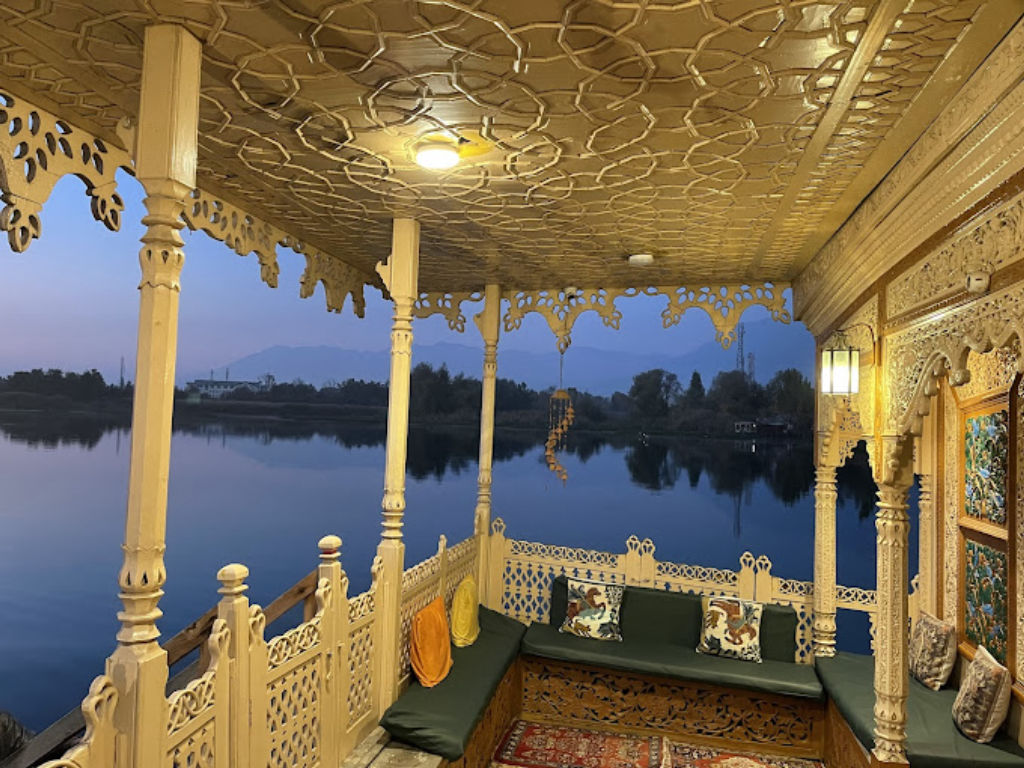
Travellers planning to explore Hari Parbat and the wider Srinagar area have a variety of choices depending on their travel style. The city offers homestays nestled within quiet neighbourhoods, heritage properties in the old quarter, and scenic lakeside retreats that allow you to unwind after a day of walking the heritage trails.
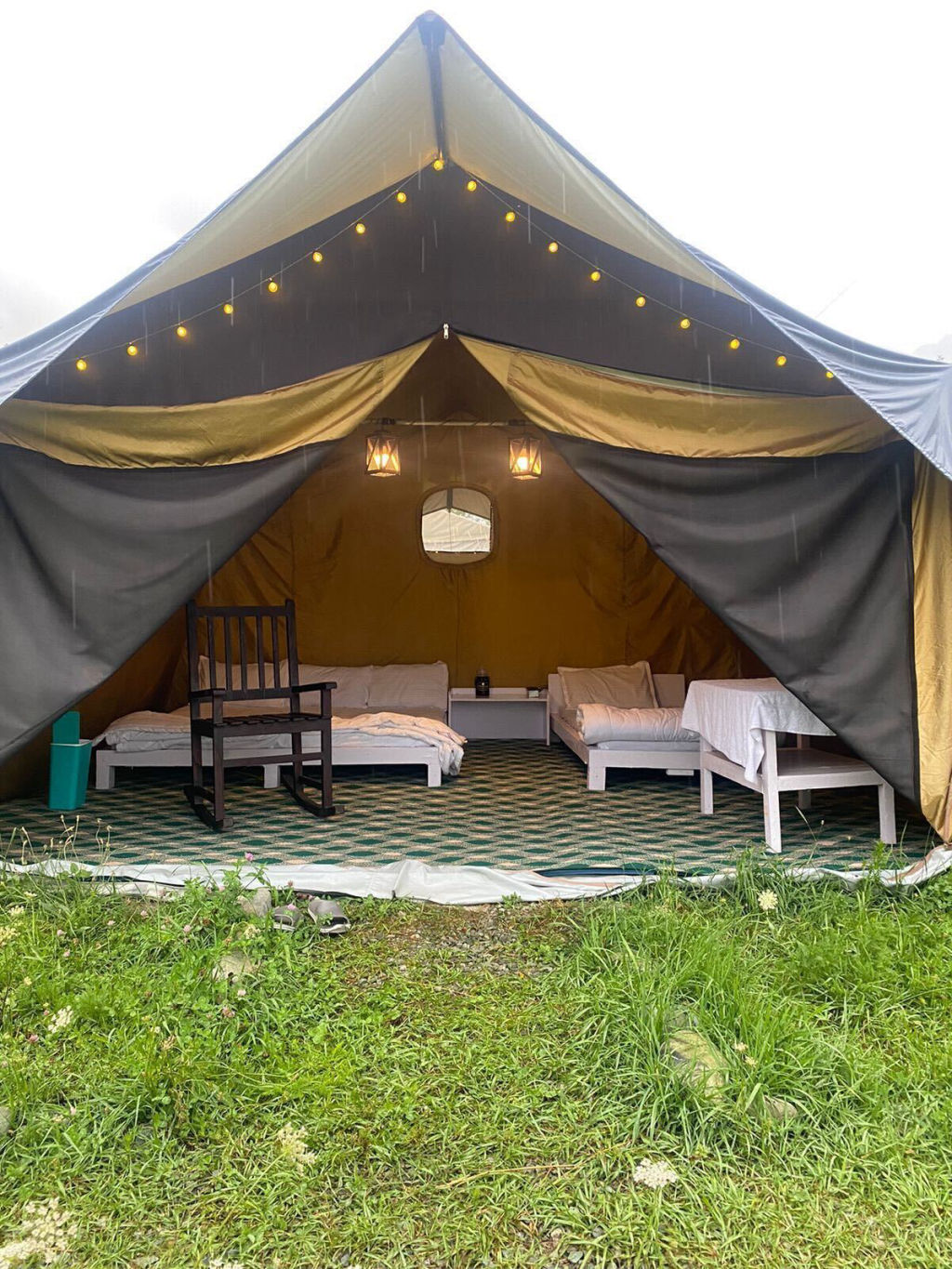
For those who wish to combine their cultural exploration of Srinagar with peaceful getaways in nature, eco-stays and outdoor stays are situated within easy driving distance of the city. You can discover and book verified homestays, nature retreats, and outdoor campsites on HireACamp to suit your travel itinerary across the Kashmir Valley.
Frequently asked questions
What is Hari Parbat known for?
Hari Parbat is renowned for its historic hilltop fort and its unique multireligious heritage, featuring the Sharika Devi Temple, the Makhdoom Sahib Sufi shrine, and Gurdwara Chatti Padshahi.
Where is Hari Parbat located?
Hari Parbat is located in the old city quarter of Srinagar in the Kashmir Valley, Jammu and Kashmir.
Is there a climb to reach Hari Parbat Fort?
Yes, reaching the fort and the shrines on Hari Parbat involves walking uphill along stone steps and inclined paths, making comfortable walking shoes advisable.
What is the best season to see blooms near Hari Parbat?
Spring, particularly from late March through April, is the best time to see the almond blossoms at the Badamwari garden situated at the foot of Hari Parbat.
Can Hari Parbat be visited on a day trip in Srinagar?
Yes, because it is located within Srinagar city, Hari Parbat can easily be explored over half a day, often combined with a walk through the downtown heritage markets and nearby gardens.
Where you'll be
Jammu and Kashmir · 2 stays nearby shown with prices
Stays near Hari Parbat
Book a place to stay close by
More places near Hari Parbat
Within 20 km
Built from 0 Instagram posts by 0 creators. Every tip links back to the post it came from, and where creators disagree we show both sides.






