
Changthang Valley
Wildlife sanctuary near Leh Ladakh, Ladakh
1.5 km from Leh Ladakh
The nearest town, for stays, food and fuel.
Changthang Valley is an expansive high-altitude plateau situated in eastern Ladakh, known for its sweeping cold-desert landscapes and high-altitude wildlife sanctuary. The region stretches along the western Tibetan border and serves as home to nomadic pastoralists, vast wetlands, and rare Himalayan species. Travellers journey through this raw, remote terrain to experience dramatic alpine lakes, wide open skies, and an untouched way of mountain life.
Getting there
By road
- From Leh LadakhNearest town4 min · 2 km
Typical drive times without traffic. Stations and airports from OLA Maps; distances and typical drive times from OpenStreetMap (© OpenStreetMap contributors); notes from creators' Reels.
About Changthang Valley
Written with AI from map data and general knowledge. Check prices and timings locally before you go.
Understanding Changthang Valley and its wildlife
Changthang Valley forms the western flank of the immense Tibetan Plateau, resting at elevations largely exceeding four thousand metres above sea level. This windswept, barren realm features harsh geographic conditions that have shaped a delicate cold-desert ecosystem. Within this area lies the Changthang Wildlife Sanctuary, an expansive protected habitat established to safeguard several threatened high-altitude species and fragile marshland habitats.
The valley is internationally recognized for supporting rare wildlife adapted to survive freezing temperatures and thin air. Visitors traversing the region often spot herds of kiang, the wild asses that roam the grasslands in large numbers. The wetlands and lakes across the plateau provide crucial nesting grounds for migratory waterfowl, most notably the black-necked crane, alongside bar-headed geese and Tibetan gazelles. Predatory species such as the elusive snow leopard, Tibetan wolf, and Pallas's cat also dwell within the rugged mountain ridges framing the plains.
Nomadic culture and traditional life in Changthang
Beyond its natural grandeur, Changthang Valley is renowned for its human heritage, particularly the Changpa nomads. These semi-nomadic pastoralists inhabit the harsh terrain year-round, moving their seasonal camps to provide grazing pastures for their livestock. Their herds comprise yaks, sheep, and the famous Changthangi goats, whose fine undercoat yields authentic Pashmina wool.
Encountering a nomadic encampment reveals an ancient pastoral rhythm dictated entirely by the seasons and climate. Their traditional felt tents, known as rebo, are made from hand-spun yak wool and offer insulation against bitter winds. Learning about the survival strategies of the Changpa provides a meaningful appreciation for how humans and nature coexist under extreme environmental constraints.
Read more
Best time to visit Changthang Valley
Given its extreme elevation and sub-zero winter temperatures, the optimal period to visit Changthang Valley is during the summer months, from late May to September. During this window, mountain passes are generally cleared of heavy snow, daytime temperatures are relatively mild, and the wetlands come alive with migratory bird activity. Sunny skies and long daylight hours make travelling across the vast distances much more practical.
By October, autumn brings sharp drops in temperature, freezing winds, and early snow showers, which gradually prompt pastoralists to seek lower pastures. Winter, extending from November through April, is characterized by relentless freezing conditions, frozen waterways, and frequent pass closures. While winter travel into parts of Changthang is sometimes pursued by cold-weather adventurers seeking snow leopards or frozen lake landscapes, it demands rigorous preparation, specialized transport, and high tolerance for severe cold.
How to reach Changthang Valley from Leh
The primary gateway to Changthang Valley is the town of Leh, which is connected by scheduled flights to major Indian cities and by seasonal overland highways from Manali and Srinagar. From Leh, journeys into Changthang typically follow routes leading toward high-altitude lakes like Pangong Tso or Tso Moriri, traversing high mountain passes along paved and unpaved mountain roads.
Travelling across Changthang requires sturdy, high-clearance vehicles such as four-wheel-drive SUVs, as remote stretches feature rough gravel paths, stream crossings, and unpredictable washouts. Public transport options into the far interior are limited to infrequent local shared buses, so hiring a private vehicle with an experienced local driver in Leh is the most common and dependable way to explore the valley.
Essential travel tips for the high plateau
Due to the extreme elevation of Changthang Valley, gradual acclimatization is vital before venturing into the region. Spend at least two to three days resting and hydrating in Leh before driving across the higher passes. High Altitude Sickness can become severe rapidly in remote areas with limited medical facilities, so carrying emergency oxygen canisters and personal medication is sensible.
Weather conditions in the valley change quickly. Dressing in multiple layers is essential, with thermal base layers, fleece mid-layers, and a windproof, waterproof outer shell. Even during bright summer afternoons, the wind chill can be biting. Sun protection is equally crucial due to the intense ultraviolet radiation at high elevations; pack a high-SPF sunscreen, polarized sunglasses, and a wide-brimmed hat. Furthermore, inner line permits and checkpoint requirements apply to most parts of the border region, so ensure all paperwork and local permissions are secured in Leh prior to departure.
Places to visit and cultural landmarks nearby
A trip through the broader Leh district offers opportunities to visit significant heritage sites and natural landmarks along the route. Historic monasteries such as Phyang, Chemrey, and Basgo provide architectural and cultural insight into Ladakh's centuries-old Buddhist traditions, while the sacred Gurudwara Patthar Sahib sits along the highway leading westward from Leh.
Nature enthusiasts can explore the dramatic confluence of the Indus and Zanskar rivers near Nimmu, or venture toward the rugged Markha River valley and Hemis National Park, renowned for its pristine alpine valleys and diverse wildlife. In the surrounding region, peaks like Stok Kangri rise majestically above the landscape, serving as prominent landmarks for trekkers and mountain lovers across the valley.
Where to stay in and around Changthang
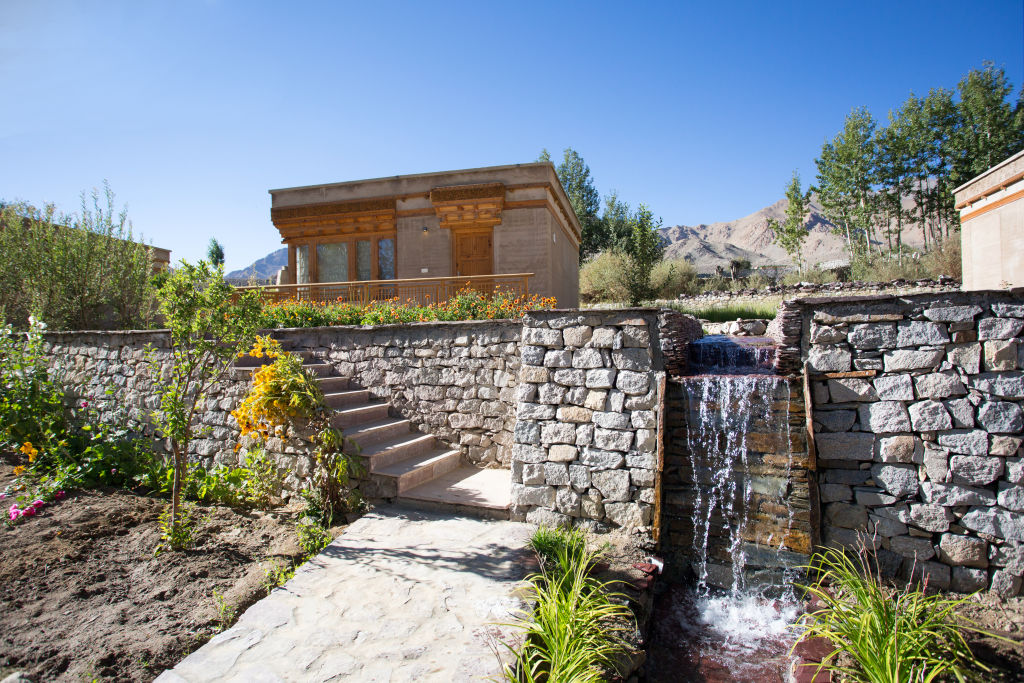
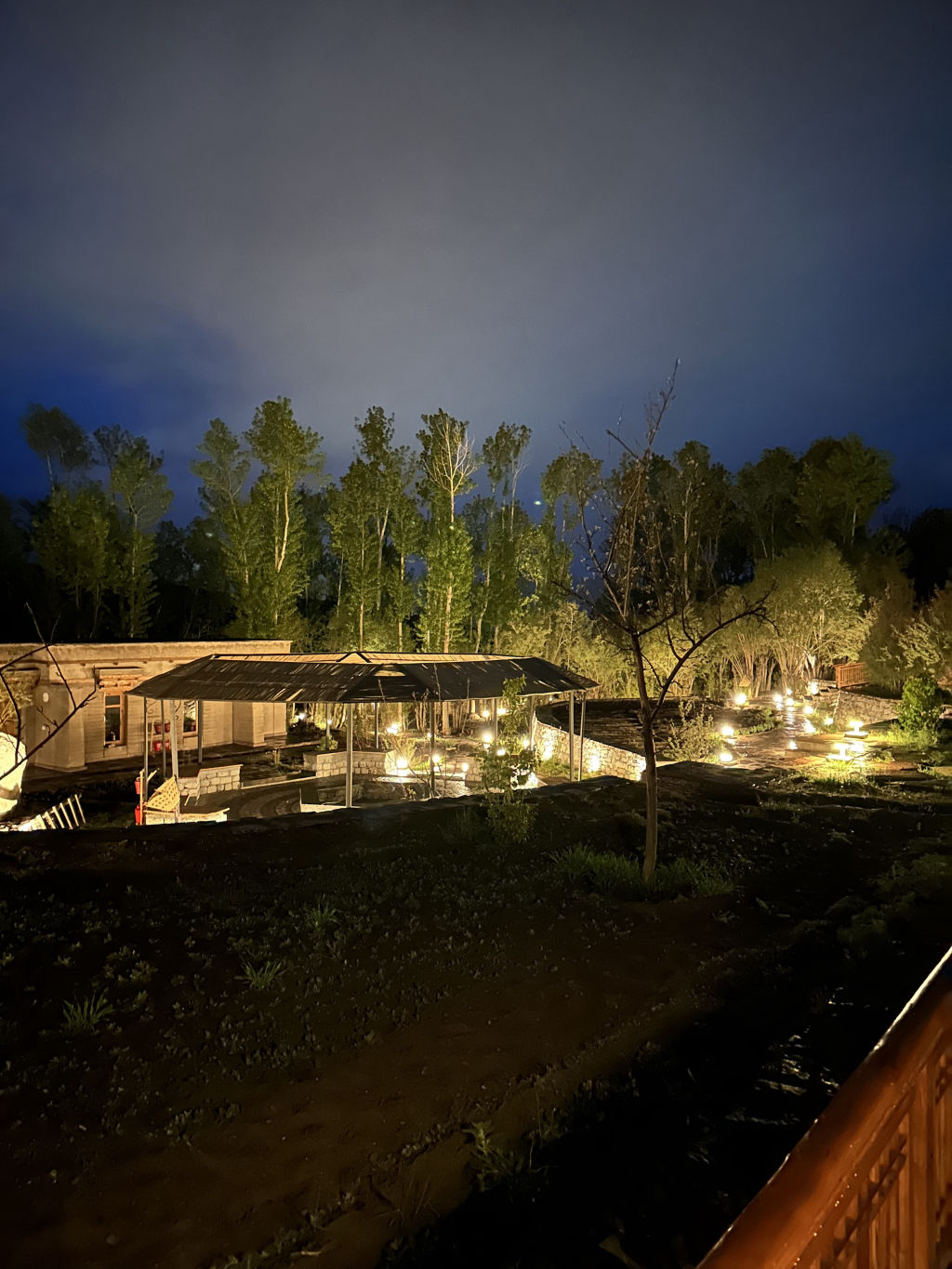
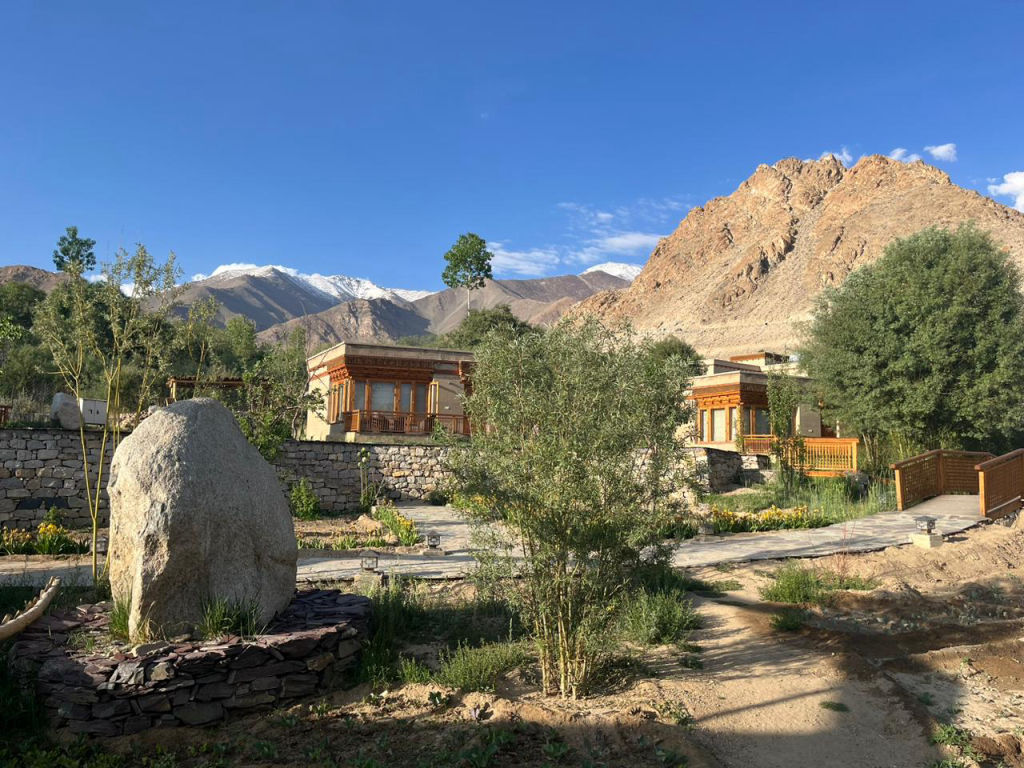
Accommodation options in Changthang Valley itself are rustic and geared toward responsible low-impact travel. Small settlements near the lakes and nomadic grazing grounds often host simple homestays run by local families, providing authentic regional hospitality, warm tea, and home-cooked Ladakhi meals. Seasonal tented camps operate in designated areas during the summer months, offering comfortable bedding suited to the brisk nights.
For travellers seeking traditional stays, eco-friendly campsites, and village homestays across the region, a variety of handpicked accommodations can be found on HireACamp. Booking in advance ensures you have a secure base, especially during the peak summer season when travel in Ladakh is at its busiest.
Frequently asked questions
What kind of wildlife can you see in Changthang Wildlife Sanctuary?
Visitors may spot the Tibetan wild ass (kiang), black-necked cranes, bar-headed geese, Tibetan gazelles, marmots, and occasionally predators like the Tibetan wolf or snow leopard in remote rocky sections.
Do you need a permit to visit Changthang Valley?
Yes, because Changthang Valley lies close to international border areas in eastern Ladakh, domestic and international travellers require inner line permits or protected area permits obtained through local authorities in Leh.
How cold does it get in Changthang Valley?
Even during summer, night temperatures often hover near or below freezing, while daytime temperatures range between ten and twenty degrees Celsius. In winter, temperatures regularly plummet far below minus twenty degrees Celsius.
How do you avoid altitude sickness in Changthang?
Spend at least forty-eight to seventy-two hours acclimatizing in Leh before ascending into the valley, stay thoroughly hydrated, avoid heavy physical exertion initially, and carry basic high-altitude medications.
Are mobile networks and internet available in Changthang Valley?
Connectivity is extremely sparse and unreliable throughout most of Changthang. Postpaid connections from select service providers may work near larger settlements, but travellers should anticipate long stretches with no signal.
Where you'll be
Pangong-Leh Road, Leh · 3 stays nearby shown with prices
Stays near Changthang Valley
Book a place to stay close by
More places near Changthang Valley
Within 20 km
Built from 0 Instagram posts by 0 creators. Every tip links back to the post it came from, and where creators disagree we show both sides.






