
Choglamsar
Destination in Ladakh
Choglamsar is a quiet, culturally rich settlement situated along the banks of the Indus River just south of Leh in Ladakh. Known for its strong Tibetan heritage, Buddhist learning institutions, and serene riverfront setting, it provides a peaceful mountain retreat close to the regional hub. Travellers visit to experience traditional craft traditions, explore historic monasteries across the valley, and soak in panoramic Himalayan views.
Getting there
About Choglamsar
Written with AI from map data and general knowledge. Check prices and timings locally before you go.
About Choglamsar and its heritage
Located along the southern banks of the Indus River, Choglamsar developed in the mid-twentieth century as an important settlement for Tibetan refugees who arrived in Ladakh. Over the decades, it has evolved into a prominent center for Tibetan culture, Himalayan philosophy, and Buddhist scholarship. The town houses key educational institutions such as the Central Institute of Buddhist Studies, as well as several traditional craft centers, weaving workshops, and residential clusters marked by prayer flags fluttering against the barren mountain slopes.
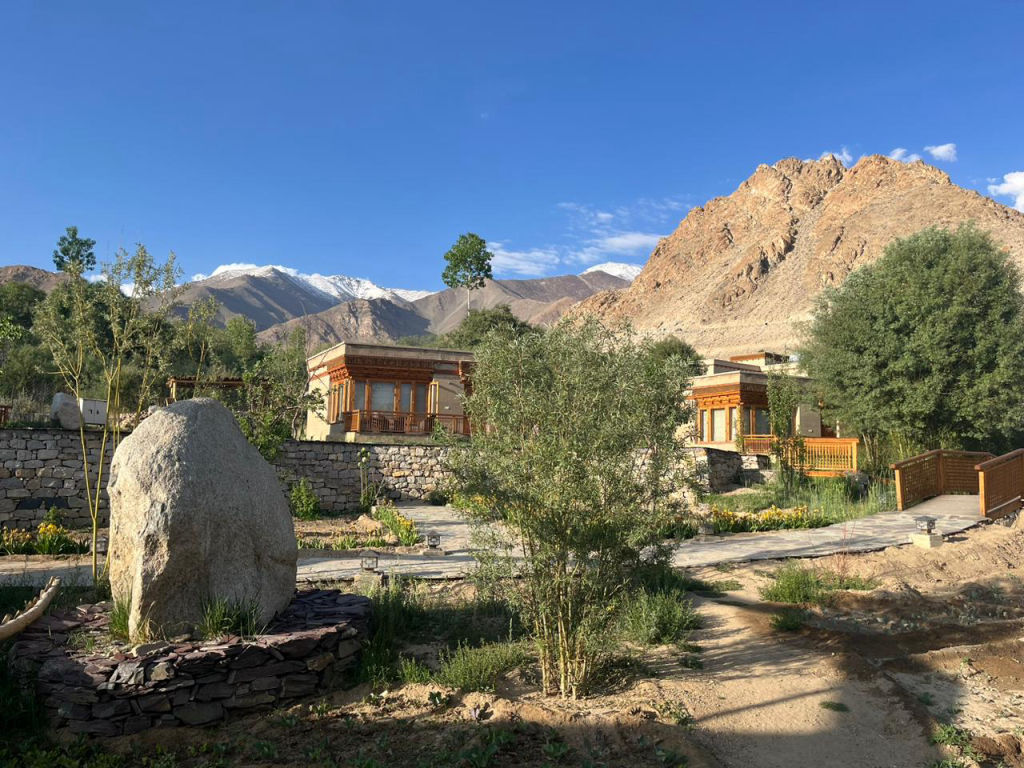
Unlike the bustling tourist streets of central Leh, Choglamsar maintains an unhurried, local pace of life. Groves of willow and poplar trees flank the waterways, contrasting vividly with the jagged peaks of the Ladakh Range. The presence of the Dalai Lama's summer teaching residence, known locally as Jive-tsal, lends the town a special spiritual reverence, attracting pilgrims, scholars, and mindful travellers from across the world.
Things to do in Choglamsar
Exploring the neighborhood on foot offers an authentic glimpse into the daily rhythm of Ladakhi and Tibetan life. You can visit artisan workshops and handicraft cooperatives where weavers hand-knot traditional Tibetan carpets and craft wooden thangka frames. Strolling through the residential lanes reveals small neighborhood stupas, communal prayer wheels spinning in the breeze, and incense burning outside whitewashed family homes.
The banks of the Indus River along Choglamsar offer open, quiet spots for early morning and evening strolls. Birdwatchers often spend time along the watercourses observing resident and migratory birds that rest on the pebble bars. The town's open spaces also serve as fantastic vantage points for landscape photography, capturing the interplay of shadows, golden evening light, and raw mountain silhouettes across the valley floor.
Read more
Places to visit around Choglamsar
Because of its central location in the Leh district, Choglamsar is a convenient springboard for day trips across the upper and lower Indus Valley. Just a short drive north brings you into Leh, where historic attractions like the Leh Palace, the Tsemo Fort ruins, and the peaceful grounds of Leh Buddha Park invite exploration alongside bustling bazaars.
Heading westward along the highway leads to Sangam Point, the spectacular confluence where the turquoise waters of the Indus meet the rushing Zanskar River within a deep, rocky gorge. Travelling southeast from Choglamsar leads toward some of Ladakh's most celebrated monasteries, including the ancient royal complex at Shey, the tiered facade of Thiksey Gompa, and the historic Hemis Monastery nestled in a secluded valley. For travellers venturing further afield, high mountain routes lead upward toward the famous pass of Khardung La or onward into the vast, rolling terrain of the Changthang Valley.
Best time to visit Choglamsar
The ideal period to visit Choglamsar is between May and September, corresponding with Ladakh's brief and pleasant summer. During these months, the daytime temperatures are mild, sunshine is abundant, and the trees along the Indus are in full green leaf. High-altitude highway routes into Ladakh are open, making road travel and outdoor exploration convenient and comfortable.
Late September and October bring crisp autumn weather, when the poplars turn brilliant shades of gold and the skies remain exceptionally clear, though evening temperatures drop sharply. Winter, extending from November through March, brings severe sub-zero cold and snowfall to the surrounding passes. While winter travel requires serious thermal preparation and flexible plans, it offers an exceptionally peaceful atmosphere for those wanting to witness the Himalayan winter landscape without crowds.
How to reach Choglamsar
The fastest way to reach Choglamsar is by air through Kushok Bakula Rimpochee Airport in Leh, which connects to major Indian cities such as Delhi, Mumbai, and Chandigarh. The drive from the airport to Choglamsar is brief, and local taxis as well as shared transport are readily available outside the terminal.
Travellers who prefer overland journeys can take either the Manali-Leh Highway or the Srinagar-Leh Highway during the summer season, usually between June and October. Both routes traverse multiple high mountain passes, dramatic river gorges, and alpine valleys, requiring one to two days of travel. Once you arrive at the outskirts of Leh, Choglamsar is located just a few minutes south along the primary highway toward the upper Indus Valley.
Travel tips for your visit
Because Choglamsar sits at an altitude exceeding 3,200 metres, gradual acclimatisation is essential. If you arrive by flight, commit to resting completely for your first twenty-four to forty-eight hours. Drink plenty of water, avoid heavy physical exertion, and allow your body to adjust to the thinner air to prevent acute mountain sickness.
The Himalayan sun is remarkably intense at this elevation, so carry reliable sun protection, including high-SPF sunscreen, sunglasses, and a wide-brimmed hat. Pack multiple warm layers regardless of the season, as temperatures fall quickly once the sun dips behind the ridges. Always dress respectfully when visiting religious grounds, prayer sites, and monastic schools, and remember to walk clockwise around stupas and mani stones.
Where to stay in and around Choglamsar
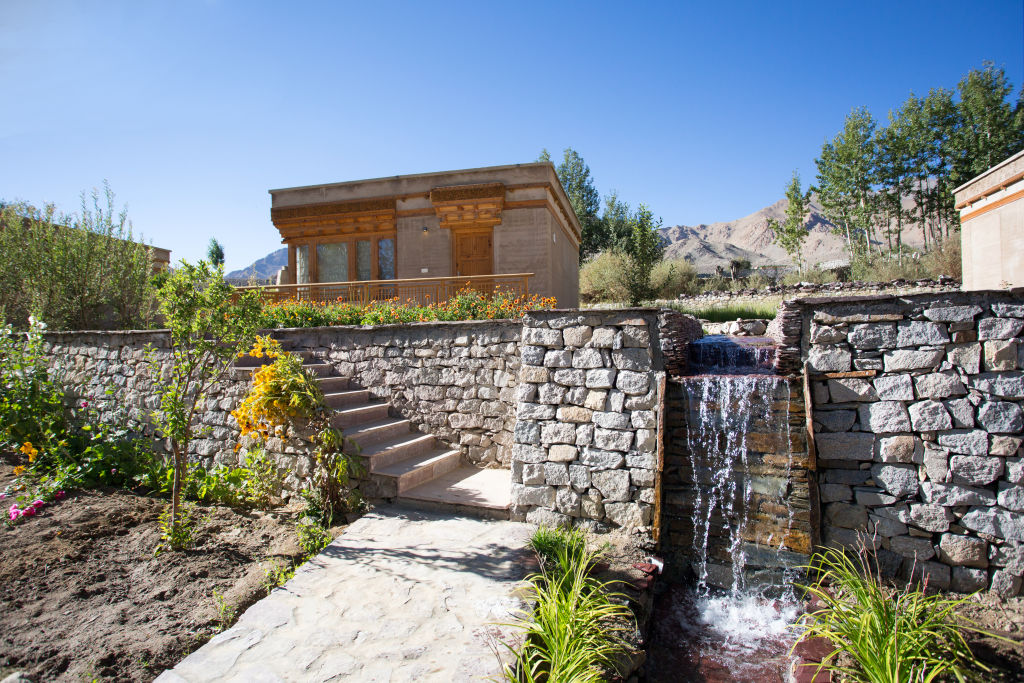
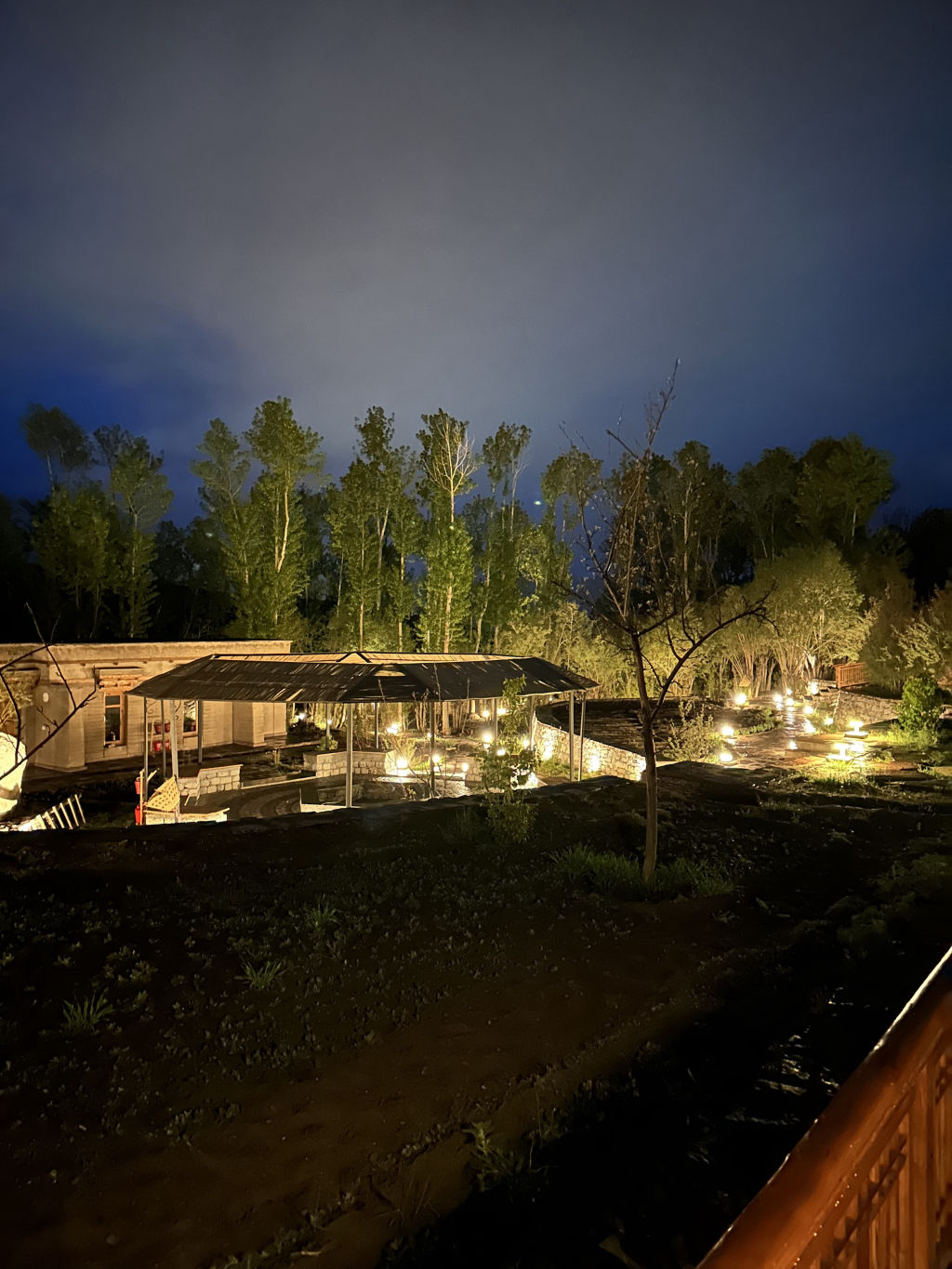
Choglamsar offers a calm, village-like atmosphere that makes it an attractive alternative to staying in the busier center of Leh. Accommodation options in and around the town include family-run Ladakhi homestays, riverside cottages, and scenic outdoor camping grounds. Travellers seeking characterful, nature-focused stays can find and book vetted camps, homestays, and unique regional retreats on HireACamp.
Frequently asked questions
What is Choglamsar known for?
Choglamsar is renowned as a prominent center for Tibetan culture, Buddhist education, and traditional handicraft weaving in Ladakh, as well as the home of the Dalai Lama's summer retreat, Jive-tsal.
How far is Choglamsar from central Leh?
Choglamsar sits just south of Leh, typically requiring a drive of roughly ten to fifteen minutes depending on road conditions and local traffic.
Do I need special permits to visit Choglamsar?
No special permits are required to stay in or visit Choglamsar itself, though travellers require protected area permits if planning day trips to sensitive border regions like Nubra Valley or Pangong Lake.
What is the best season to explore Choglamsar?
The summer months from May to September are the best time to visit, offering comfortable daytime weather, open highways, and lush scenery along the Indus River.
What kind of clothing should I carry for a trip to Choglamsar?
Pack breathable clothing for sunny daytime outings along with warm fleece layers, a windproof down jacket, and thermal base layers to stay warm during cold evenings and mornings.
Where you'll be
3 stays nearby shown with prices
Stays near Choglamsar
Book a place to stay close by
Things to do in Choglamsar
48 places creators recommend within 30 km
Built from 0 Instagram posts by 0 creators. Every tip links back to the post it came from, and where creators disagree we show both sides.






