
Damdama Lake
Lake near Gurugram, Haryana
2.2 km from Gurugram
The nearest town, for stays, food and fuel.
Damdama Lake is a scenic rainwater lake situated in the Gurugram district of Haryana, framed by the rugged ridgelines of the ancient Aravalli Hills. Created in the late 1940s when a stone and earthen dam was built to store monsoon runoff, it has evolved into a popular outdoor retreat for people seeking open skies and nature away from the dense urban bustle of the National Capital Region. Visitors come for lakeside walks, peaceful day outings, and birdwatching along the seasonal wetlands and scrub forest fringes.
Getting there
By road
- From GurugramNearest town6 min · 2.2 km
- From New Delhi39 min · 28 km
- From Jaipur3 hr 50 min · 268 km
- From Dehradun4 hr 15 min · 304 km
Typical drive times without traffic. Stations and airports from OLA Maps; distances and typical drive times from OpenStreetMap (© OpenStreetMap contributors); notes from creators' Reels.
About Damdama Lake
Written with AI from map data and general knowledge. Check prices and timings locally before you go.
About Damdama Lake
Damdama Lake is one of the most prominent waterbodies in the Gurugram region of Haryana. Formed in 1947 after an earthen bund was constructed to harvest rainwater from the surrounding catchment area, the lake fills an expansive depression cupped between weathered rocky spurs. Depending on the strength of the seasonal monsoon, the lake's water spread expands dramatically during the rainy season and gradually shrinks through the dry spring and summer months.
The lake sits against the dramatic, thorny backdrop of the Aravalli Range, which is among the oldest geological features on the Indian subcontinent. Unlike landscaped urban parks, the setting around Damdama Lake retains a rustic, semi-wild character marked by undulating terrain, native acacia scrub, and farmland paths. It offers a stark and welcome contrast to the highway corridors and glass-fronted office parks of nearby Gurugram and New Delhi.
The Landscape and Ecology of the Aravallis
The terrain surrounding Damdama Lake consists primarily of northern dry deciduous scrub and open woodlands characteristic of the Aravalli hills. Rocky outcrops of quartzite and sandy gravel support hardy indigenous flora like dhau, vilayati kikar, ber, and various arid grasses that survive long stretches of dry weather.
This fringe habitat serves as a vital ecological corridor for native terrestrial wildlife. While large carnivores are rare, the scrub around the lake is inhabited by golden jackals, nilgai, wild boars, Indian hares, and various species of reptiles such as monitor lizards. During the cooler months of the year, the lake water and muddy shoreline draw diverse birdlife, making it an ecologically meaningful pocket of biodiversity within an otherwise heavily developed region.
Read more
Things to do at Damdama Lake
A visit to Damdama Lake is best spent outdoors enjoying unhurried, natural pastimes. The shoreline offers ample room for scenic walks, where visitors can trace the boundary between open water and the rocky ridge. Early mornings are peaceful and especially rewarding for quiet strolls along the dirt tracks, providing expansive views across the water with the morning haze lifting off the hills.
Birdwatching is one of the primary reasons nature lovers head to the lake between late autumn and early spring. Armed with binoculars, enthusiasts can spot a mixture of resident waterbirds and woodland species perched among the reeds and thorn trees, including egrets, herons, kingfishers, cormorants, and seasonal waterfowl. The rocky hillside tracks bordering the lake also present easy to moderate terrain for casual hill walking and nature photography, particularly around sunrise and sunset when the low light reflects across the water.
Best time to visit Damdama Lake
The ideal time to plan a visit to Damdama Lake is from October through March, when northwest India enjoys clear skies and mild temperatures. During these cooler months, daytime temperatures are comfortable for outdoor exploration, and the lake maintains a good volume of water left over from the monsoon showers. Winter mornings can be brisk and occasionally foggy, followed by sunny afternoons that are well suited for walking and birding.
The monsoon period between July and September brings welcome rains that turn the parched Aravalli landscape vibrant green and replenish the lake basin. However, unpaved tracks can turn muddy during heavy spells. In contrast, the summer months from April to June are characterized by extreme heat, hot dry winds known locally as the loo, and severely receded water levels, making travel during midday unadvisable.
How to reach Damdama Lake
Damdama Lake is located off the Sohna-Alwar corridor in southern Gurugram, making it easily accessible by road from major hubs across the National Capital Region. From central Gurugram, the drive south along Sohna Road covers the distance smoothly before branching off onto rural approach roads that lead directly to the lake area.
Travelers starting from New Delhi or Faridabad can access the region via national and state highways linking to the southern peripheral routes around Gurugram. Private vehicles, rental cars, and hired taxis are the most practical modes of transportation, as local bus services drop passengers on the primary highways, leaving a final stretch of rural road that is best navigated on your own wheels.
Tips for your visit to Damdama Lake
Because water levels fluctuate significantly with seasonal rainfall, it is sensible to keep your expectations aligned with the time of year. After a weak monsoon or towards the late summer, the water line retreats deep into the basin, leaving behind dry, cracked mudflats.
Dress in breathable cotton clothing during warm days and bring layers if you plan to visit early on winter mornings. Sturdy walking shoes or trail runners are strongly recommended, as the paths around the water are unpaved, uneven, and peppered with loose gravel and thorn bushes. There are limited commercial facilities directly along the untamed sections of the shoreline, so carrying sufficient drinking water, sun protection, and personal snacks will ensure a comfortable outing. Always respect the natural surroundings by packing out all trash and avoiding loud noise that disturbs roosting birds.
Places to visit nearby
A day trip or weekend outing to Damdama Lake can easily be paired with other historical and natural landmarks across south Delhi and the Gurugram district. The historical hot springs and older architecture of Sohna town sit a short drive away along the highway, offering an interesting cultural stop.
Further north, toward Delhi, lies the Mehrauli Archaeological Park, an extensive heritage area dotted with centuries-old monuments, and the iconic Qutab Minar complex. Visitors drawn to tranquil green spaces can also explore The Garden of Five Senses or the medieval ruins of Hauz Khas Fort, each showcasing a different chapter of the regional heritage within reach of the Aravalli corridor.
Where to stay near Damdama Lake
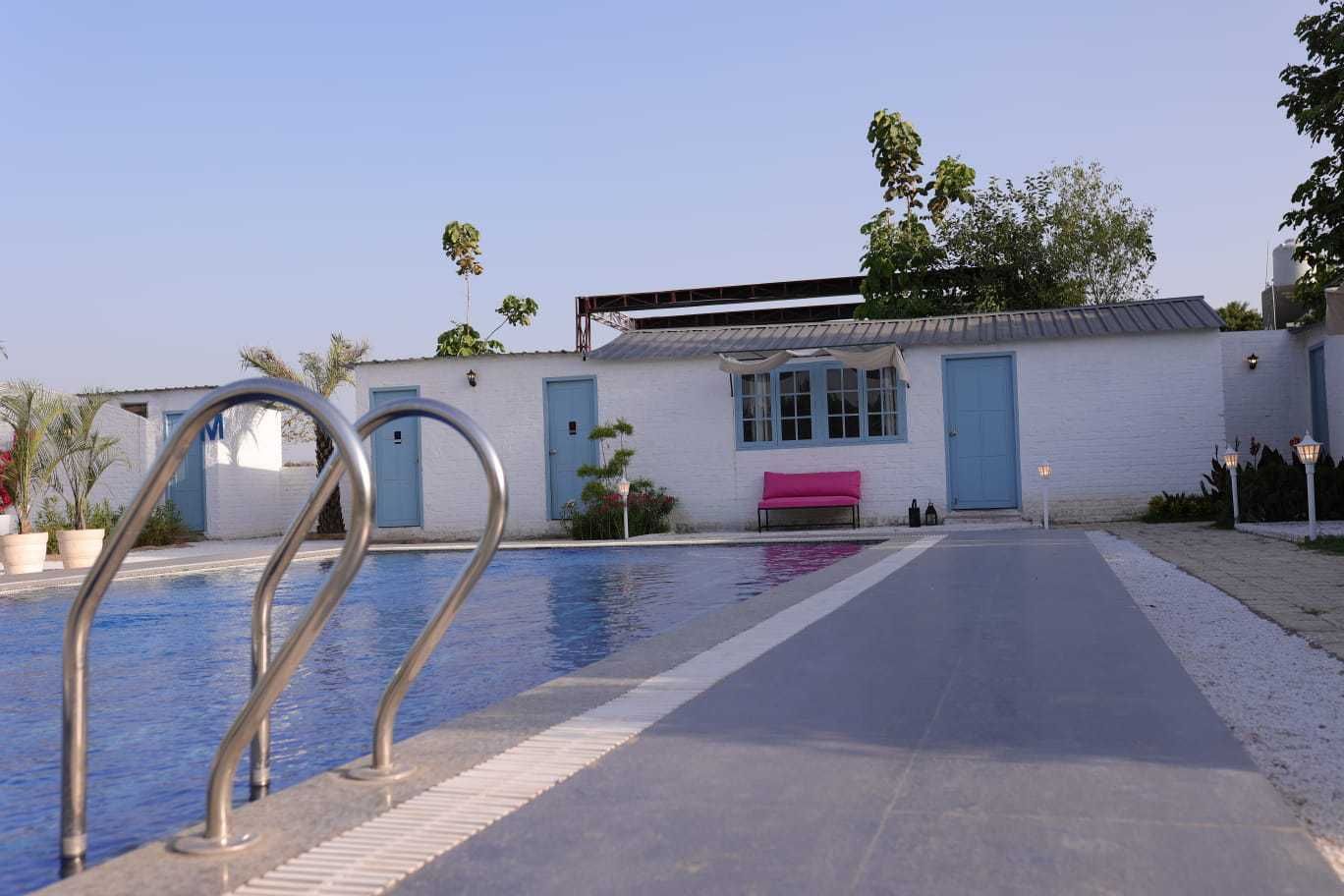
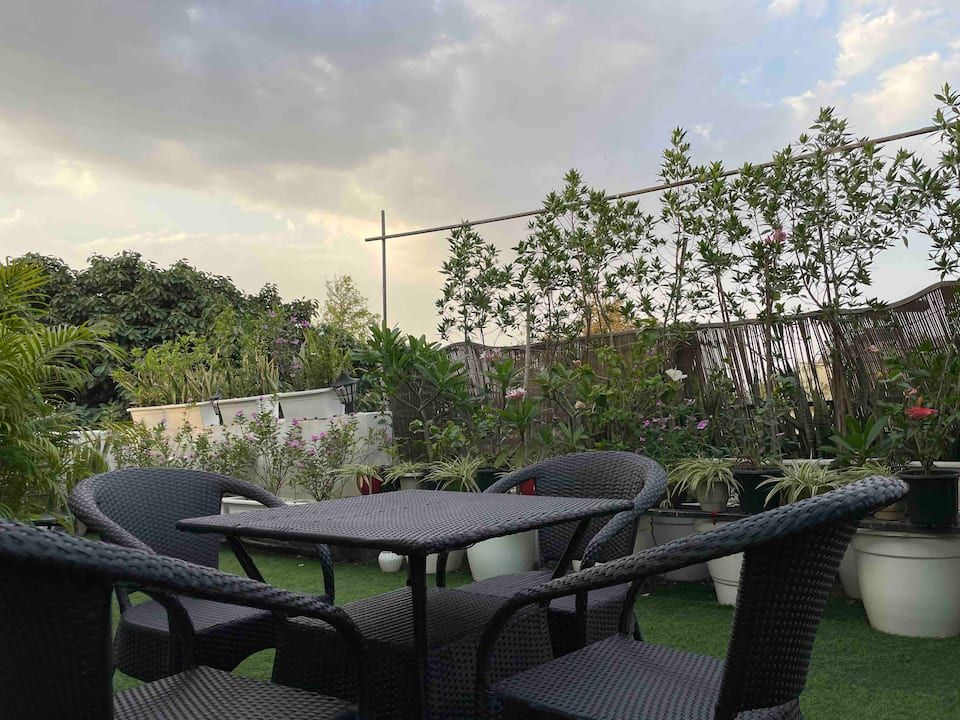
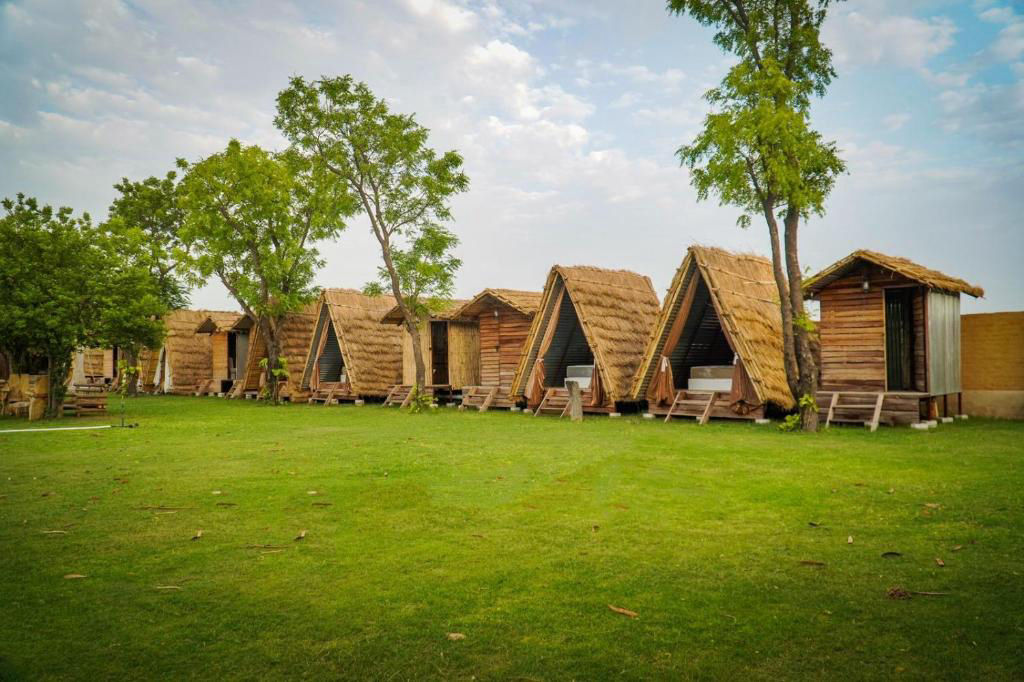
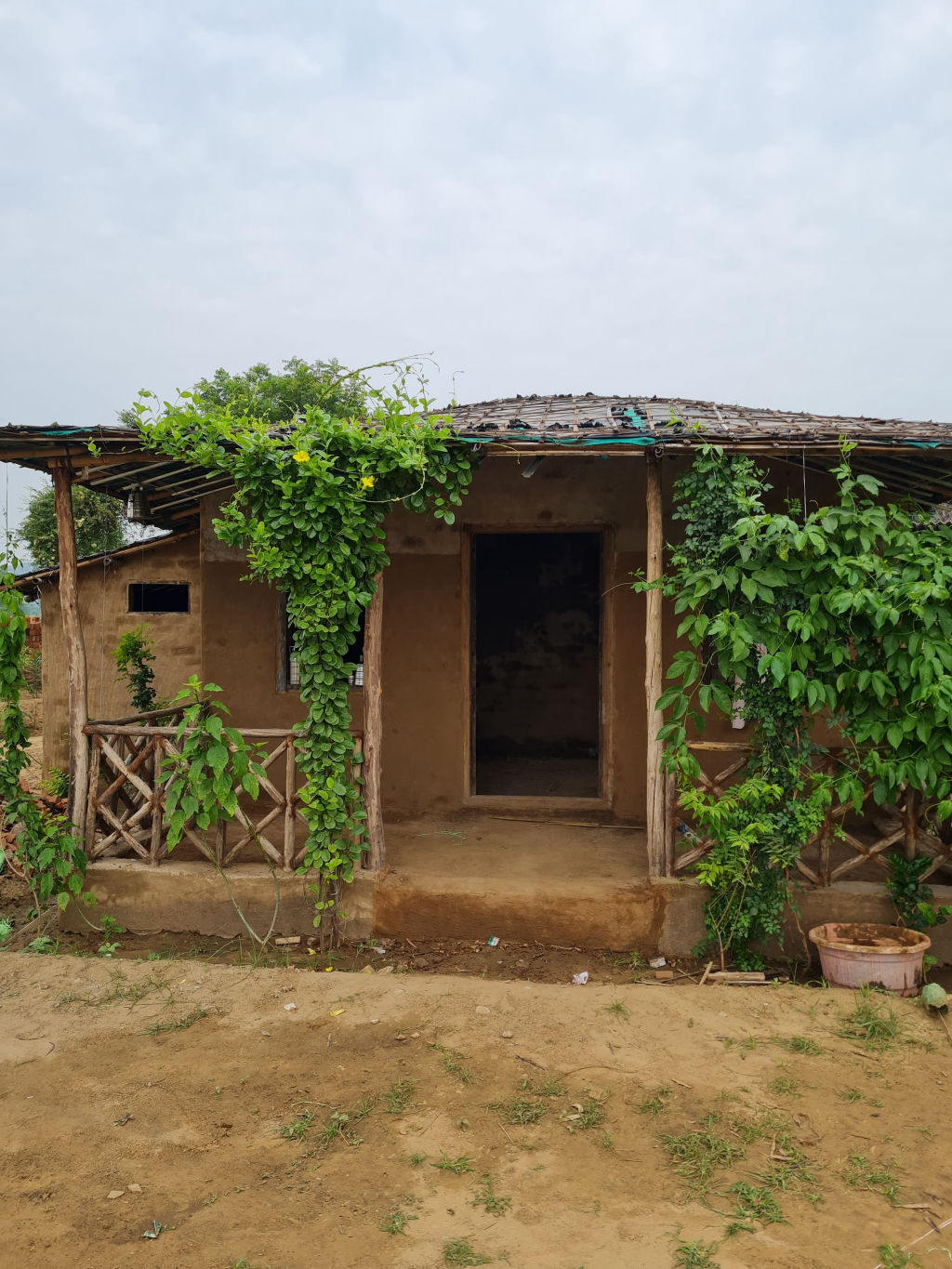
If you wish to extend your stay beyond a day trip, the rural landscape surrounding the lake and the neighboring Aravalli hillsides offers an array of relaxed accommodations. Travelers can find comfortable rural homestays, nature retreats, and outdoor campsites on HireACamp. Booking a stay nearby allows you to catch the tranquil morning atmosphere by the water long before day-trippers arrive.
Frequently asked questions
Where is Damdama Lake located?
Damdama Lake is situated off Sohna Road in the Gurugram district of Haryana, set against the foothills of the Aravalli Range.
What is the best time of year to visit Damdama Lake?
The most pleasant time to visit is from October to March, when the weather is cool and water levels from the preceding monsoon are typically favorable.
Is Damdama Lake a natural or man-made lake?
It is a semi-natural rainwater reservoir formed after a bund was constructed by the British administration in 1947 to harvest runoff from the surrounding hills.
Can you spot migratory birds at Damdama Lake?
Yes, during the winter months from November to February, various waterfowl and migratory birds visit the wetlands and tree lines bordering the lake.
How far is Damdama Lake from Delhi and Gurugram?
The lake is located roughly thirty kilometers south of central Delhi and is easily reached within a standard drive from Gurugram via Sohna Road.
Where you'll be
Sohna Road, Gurugram, HR · 4 stays nearby shown with prices
Stays near Damdama Lake
Book a place to stay close by
More places near Damdama Lake
Within 20 km


Lists for this area
Ranked by how many creators recommend each place


Built from 0 Instagram posts by 0 creators. Every tip links back to the post it came from, and where creators disagree we show both sides.






