
Ramganga River
Riverside spot near Mohan
8 km from Mohan
The nearest town, for stays, food and fuel.
Flowing through the forested foothills of Uttarakhand, the Ramganga River near Chimtakhal offers a tranquil mountain escape defined by clear running water, pebble banks, and dramatic valley views. Originating high in the Garhwal Himalayas, it sustains the lush wilderness of the nearby Corbett and Kalagarh reserves. Visitors come here to unwind by the water, observe riverine birdlife, and enjoy the pristine natural surroundings away from busy tourist hubs.
Getting there
By road
- From MohanNearest town30 min · 13 km
- From Dehradun5 hr · 212 km
- From New Delhi6 hr 25 min · 296 km
- From Chandigarh8 hr 35 min · 380 km
Typical drive times without traffic. Stations and airports from OLA Maps; distances and typical drive times from OpenStreetMap (© OpenStreetMap contributors); notes from creators' Reels.
About Ramganga River
Written with AI from map data and general knowledge. Check prices and timings locally before you go.
About the Ramganga River
The Ramganga River is one of the most prominent watercourses in Uttarakhand, rising in the Dudhatoli ranges of the Garhwal Himalayas and winding its way southward through deep ravines, terraced hillsides, and dense foothill forests. In the vicinity of Chimtakhal, the river cuts through an undulating landscape where rocky spurs meet wide gravel beds. This sector forms a crucial ecological lifeline for the surrounding terrain, providing water and shelter for diverse species that roam between the higher hills and the expansive plains below.
Unlike its downstream journey through heavy agricultural plains, the upper and mid-stretches of the Ramganga remain remarkably scenic and relatively unspoiled. The water runs cool and clear for much of the year, carving out secluded bends, shallow pools, and wide gravel bars. For travellers seeking a slower pace, the banks of the river provide a natural sanctuary where the sound of moving water replaces highway traffic, making it a rewarding stop for nature lovers and outdoor enthusiasts.
Things to do along the Ramganga River
Spending time along the Ramganga River is largely centered on appreciating the raw natural rhythm of the foothills. Taking quiet walks along the riverbanks and pebbled sandbars is one of the simplest and most rejuvenating activities. During the drier months, calm pools and gentle shallows form near the edges, providing welcoming spots to sit, dip your feet, and unwind amidst cool mountain breezes.
Birdwatching is another highlight of the river corridor. The confluence of freshwater, riverine brush, and forested slopes attracts a wide array of avian life. Travellers with binoculars can often spot kingfishers darting across the surface, cormorants drying their wings on rocks, forktails hunting along river eddies, and various raptors circling overhead. Nature photographers will appreciate the dramatic shifts in light as morning mist lifts off the cold water or as sunset colours illuminate the surrounding ridges.
Read more
Best time to visit
The best time to visit the Ramganga River is between October and April, when the weather across this region of Uttarakhand remains pleasant, clear, and mild. Autumn, from October to November, brings crisp air and crystal-clear river waters following the departure of the seasonal rains. This is an ideal period for outdoor strolls and riverside sitting, with warm days and comfortably cool nights.
Winter, stretching from December to February, offers sunny days with a pronounced chill in the early mornings and late evenings. The river valley often sees morning fog, which burns off to reveal brilliant blue skies and active bird populations. Spring and early summer, from March to May, bring warmer temperatures and blooming vegetation along the valley slopes. The monsoon season from July to September is generally best avoided for riverside exploration, as rainfall in the catchment areas can cause water levels to surge rapidly, turning the river turbid and making the banks inaccessible or hazardous.
How to reach the Ramganga River near Chimtakhal
Reaching this stretch of the Ramganga River near Chimtakhal involves travelling through the scenic foothill roads of Uttarakhand. The primary gateway town for the lower river valley is Ramnagar, which is well connected by road and rail to major northern hubs including New Delhi. From Ramnagar, roads wind northward into the hills towards Chimtakhal and Marchula, flanking stretches of the river along the way.
Alternatively, travellers approaching from the western side of the state can travel via Kotdwar, following winding mountain routes through Pauri Garhwal. The nearest major railway stations are located at Ramnagar and Kotdwar, from where private taxis and shared local transport operate up into the hills. Driving by private car or hired vehicle is often the most convenient way to explore, allowing visitors to stop at scenic viewpoints along the river bends. Road conditions can vary with the season, so it is advisable to check local weather and route updates before setting out.
Places to visit nearby
The region surrounding the Ramganga River is rich in wilderness areas, cultural sites, and mountain panoramas. Just downstream lies Jim Corbett National Park, India's oldest national park and a renowned sanctuary for Bengal tigers, wild elephants, and rich biodiversity. The Kalagarh Tiger Reserve and the Dhikala zone also encompass vast forested landscapes nourished directly by the Ramganga system, offering famous wildlife habitats.
For cultural and spiritual excursions, the nearby hills host several historic shrines. The Gujru Garhi Temple and Deeba Devi Mandir sit perched on elevated ridges, offering peaceful spiritual settings alongside sweeping views of the lower valleys and distant Himalayan peaks. Manila Devi Temple, located slightly further along the mountain ridges, is another respected pilgrimage site that rewards travellers with wide-angle vistas across the surrounding ranges.
Tips for visiting the river
When planning an outing to the Ramganga River, personal safety should always be the top priority. Mountain rivers can have deceptive currents, submerged boulders, and sudden variations in depth. Never attempt to wade or swim across deep or fast-flowing sections, and remain alert to changes in water levels, especially if there has been rain upstream.
Because the river traverses wilderness corridors near protected reserves, it is wise to be aware of local wildlife movements. Avoid venturing out along quiet riverbanks after dark, and travel in small groups rather than alone. Carry essential supplies, including drinking water, sun protection, insect repellent, and comfortable footwear with sturdy grip for navigating loose river stones. Lastly, practice responsible travel by packing out all trash and avoiding the use of single-use plastics along the watercourses to preserve the delicate riparian ecosystem.
Where to stay near the Ramganga River
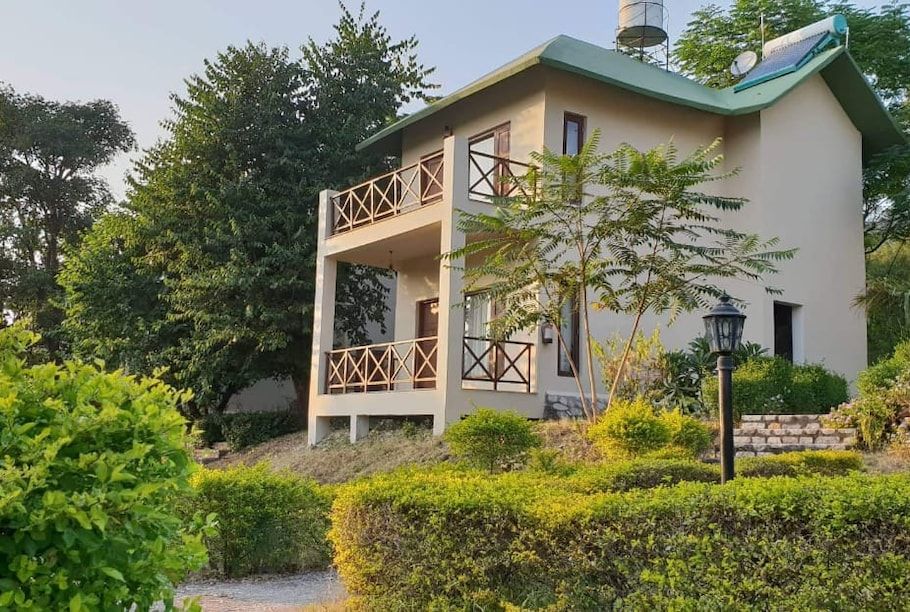
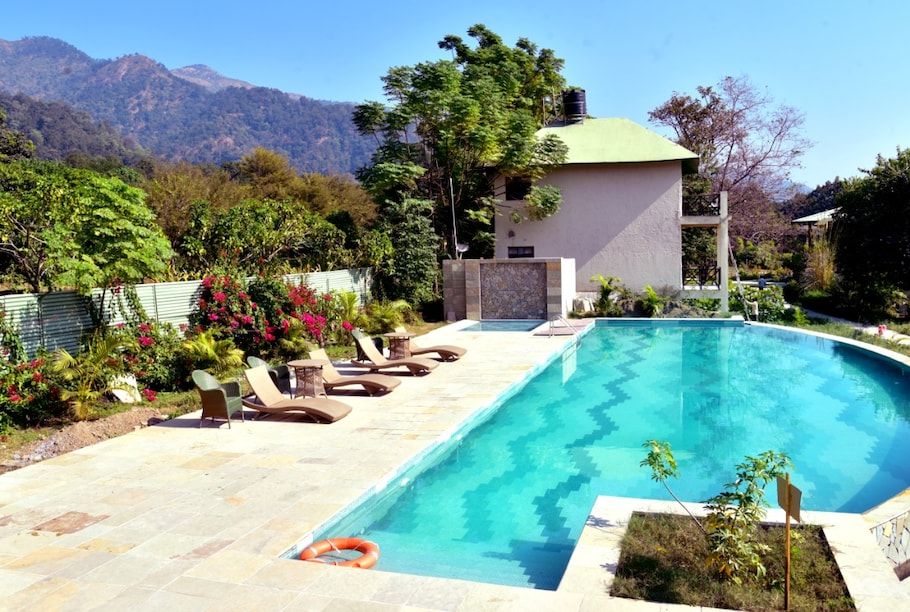
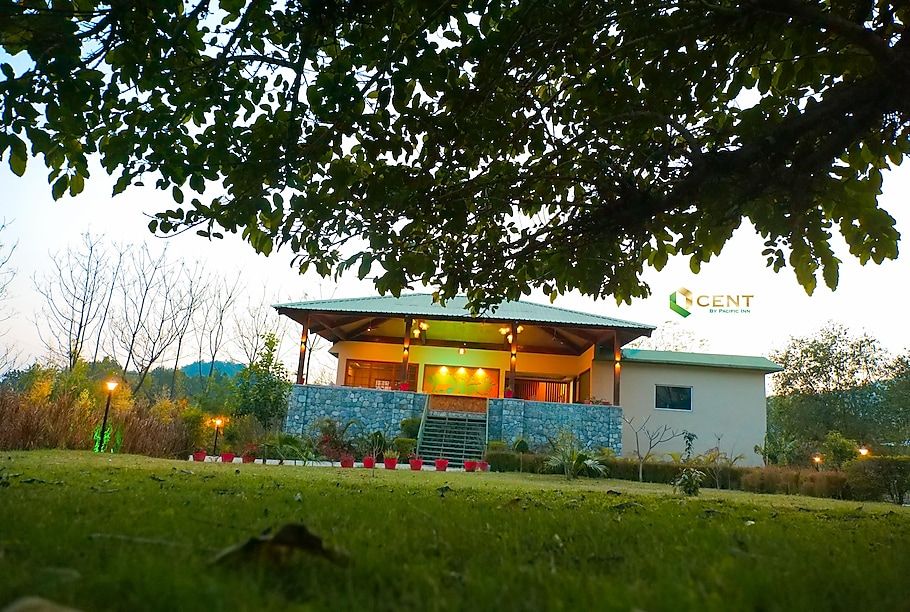
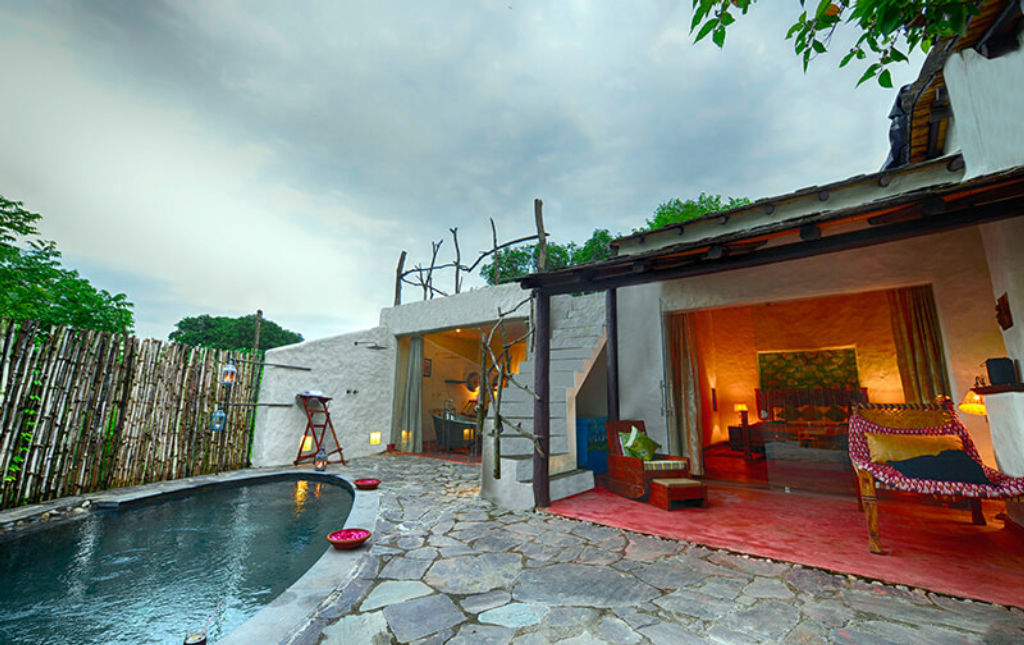
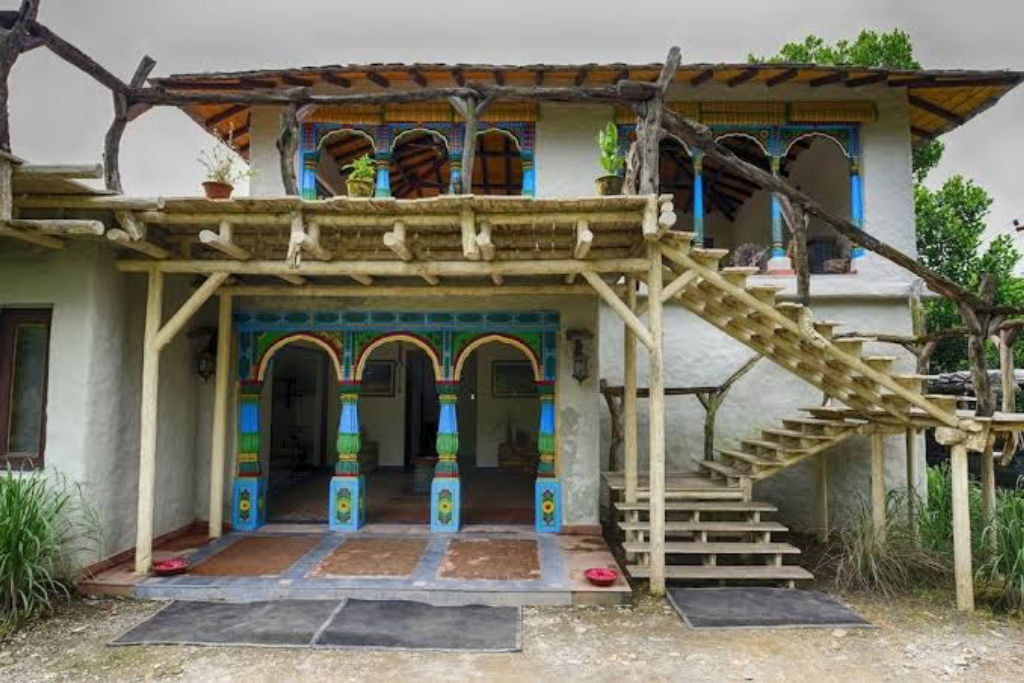
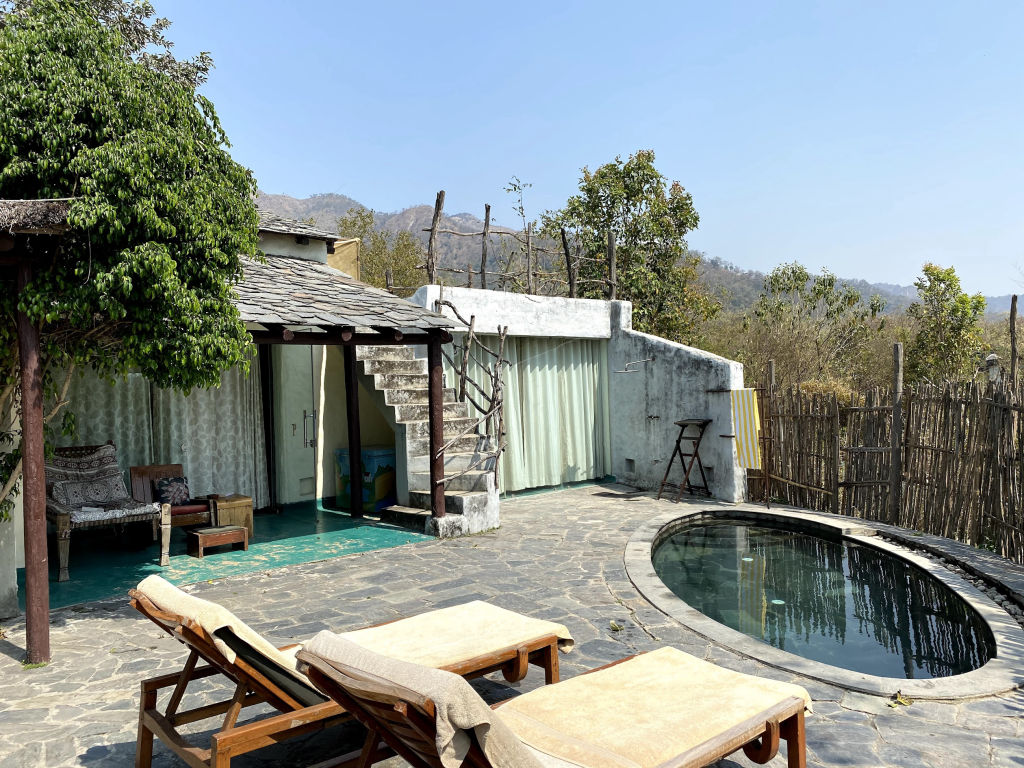
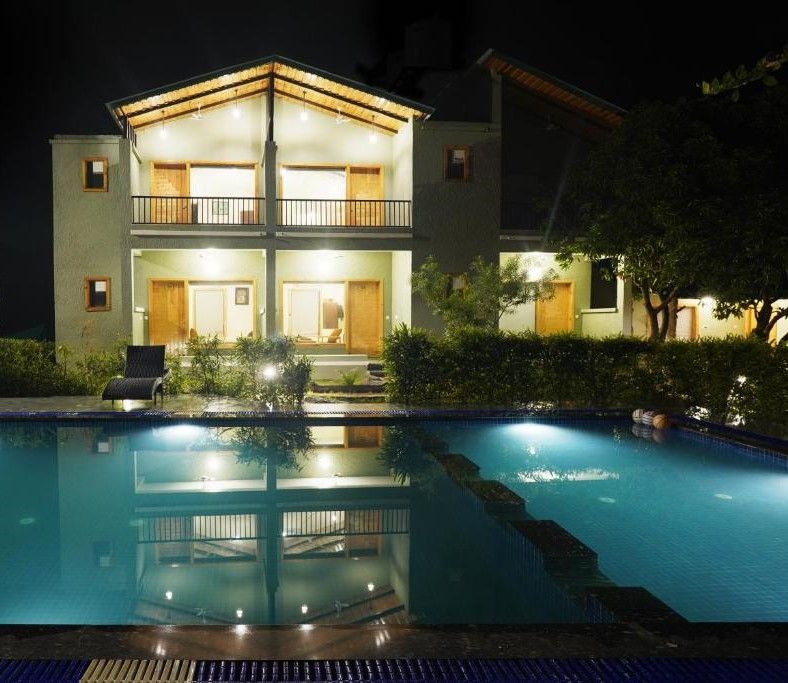
Accommodation options in this tranquil pocket of Uttarakhand cater well to travellers looking to stay close to nature. Along the river valley and in the nearby hill hamlets, you can find quiet riverside camps, rustic eco-lodges, and family-run homestays that provide an authentic taste of local Garhwali and Kumaoni hospitality.
Staying near the river allows you to wake to the sound of flowing water and crisp valley air, far removed from congested highway corridors. Whether you prefer pitching a tent beside the riverbank or unwinding in a comfortable mountain cottage, a wide selection of camps, homestays, and outdoor getaways in the area can be found and booked directly on HireACamp.
Frequently asked questions
Where is the Ramganga River located?
The Ramganga River originates in the Dudhatoli hills of the Garhwal Himalayas in Uttarakhand. It flows southward through districts like Pauri Garhwal and Almora, passing near Chimtakhal and through Jim Corbett National Park before reaching the northern plains.
Is it safe to swim in the Ramganga River?
Swimming is not advised due to strong underwater currents, uneven rocky beds, and wildlife presence along the riverbanks. Dipping your feet in shallow, calm edges is generally safer, but always exercise caution and heed local guidance.
What wildlife can be seen along the Ramganga River?
The river corridor supports diverse birdlife such as kingfishers, eagles, cormorants, and river lapwings. Because it borders major wildlife reserves like Jim Corbett, mammals including deer, otters, and occasionally wild elephants may also frequent the surrounding forested banks.
What is the best time of year to visit the Ramganga River?
The best period to visit is between October and April, when the weather is cool and dry and the river waters are clear. The monsoon months from July to September should be avoided due to heavy rains and high water currents.
Where can I find stays near the Ramganga River?
Travellers can find riverside campsites, eco-lodges, and homestays dotted along the foothills and near Chimtakhal. Stays throughout this scenic region can be explored and booked on HireACamp.
Where you'll be
Chimtakhal, UT · 7 stays nearby shown with prices
Stays near Ramganga River
Book a place to stay close by
More places near Ramganga River
Within 20 km

Built from 0 Instagram posts by 0 creators. Every tip links back to the post it came from, and where creators disagree we show both sides.






