
Jim Corbett National Park
National park near Dhangari, Uttarakhand
1 post · 1 sourced tip
Guide from 1 post by 1 creator
@things2doindelhi
21 km from Dhangari
The nearest town, for stays, food and fuel.
Travel Guide for Jim Corbett National Park
Basic travel details for reaching Jim Corbett National Park from Delhi.
Good to know
Tips from creators' posts. Each one links to its source.
Getting There
Jim Corbett National Park is located approximately 260 km from Delhi, requiring roughly a 6-hour drive by road.
Reported by @things2doindelhiSource
Getting there
By road
- From DhangariNearest town1 hr 10 min · 29 km
By train, bus or air
- Kashipur Bus DepotNearest bus stand1 hr 55 min · 80 km
- Terminal 1 Indira Gandhi International AirportNearest airport5 hr 55 min · 278 km
Typical drive times without traffic. Stations and airports from OLA Maps; distances and typical drive times from OpenStreetMap (© OpenStreetMap contributors); notes from creators' Reels.
About Jim Corbett National Park
Written with AI from creators' posts and map data. Check prices and timings locally before you go.
The Landscape and Legacy of Jim Corbett
Established in 1936, Jim Corbett National Park holds the distinction of being India's first national park and the cradle of Project Tiger. Located primarily within the Nainital and Pauri Garhwal districts of Uttarakhand, the park covers a dramatic transition zone between the Shivalik hills and the Terai plains. Its physical geography is dominated by the Ramganga, Kosi, and Sonanadi rivers, which carve through valleys, creating a lush environment that sustains immense biological diversity.
Unlike flatter forest reserves, the terrain in Corbett includes steep forested ridges, deep ravines, seasonal water channels called sots, and vast alluvial grasslands known as chaurs. Dhikala chaur is one of the most prominent open expanses in the park, framed by the lower Himalayan range. The vegetation is rich and layered, with towering sal trees covering much of the lower ridges, accompanied by shisham, dhak, and dense bamboo thickets that create dynamic habitats for both predators and prey.
Wildlife of Jim Corbett National Park
Jim Corbett National Park is celebrated for sheltering a healthy population of Royal Bengal tigers, making it one of the premier big-cat territories in northern India. Alongside the tiger, the park supports large herds of Asian elephants, which can frequently be observed navigating forest clearings or crossing riverbeds during early mornings and late afternoons. Other predatory mammals residing here include leopards, jungle cats, and fishing cats, while herbivores such as spotted deer, sambar, barking deer, and wild boar thrive across the grasslands and wooded slopes.
Bird life within Corbett is exceptionally diverse, with over six hundred documented species making the region an important birding hub. The convergence of river, forest, and mountain habitats attracts raptors like the crested serpent eagle and Pallas's fish eagle, as well as several species of kingfishers, hornbills, and migratory waterfowl in winter. In the waterways of the Ramganga, sharp-eyed observers might spot the critically endangered gharial alongside marsh mugger crocodiles basking on sandy riverbanks.
Read more
Best Time to Visit Jim Corbett
The park experiences distinct climatic shifts across the year, and conditions vary significantly by season. Winter runs from November through February, bringing crisp, cool days and cold nights. Daytime temperatures during these months are comfortable for spending long hours in the forest, and migratory birds are at their peak. You should carry heavy woollens, jackets, and thermal wear if you plan on morning outings, as the forest air remains quite cold until the sun climbs high.
From March to June, the weather warms up considerably, with summer temperatures rising steadily. While afternoons can be hot and dusty, the thinning foliage and receding water sources draw animals closer to established water bodies, often improving wildlife tracking opportunities. The monsoon arrives in July and lingers through September, bringing heavy rainfall that replenishes the forest and swells the river channels. Some core zones are temporarily closed during this period for conservation and safety, while buffer zones and surrounding forested belts remain open to visitors who appreciate mist-covered scenery and quiet nature.
How to Reach Jim Corbett National Park
Jim Corbett National Park is well connected by road to major towns in northern India. From Delhi, the park is located approximately 260 km away, typically requiring roughly a 6-hour drive depending on road and traffic conditions. The usual driving route heads east from Delhi through Hapur, Moradabad, and Kashipur before reaching Ramnagar, which serves as the primary gateway town to the national park.
Travelers relying on public transit can take regular express trains from Delhi to Ramnagar railway station, which sits right outside the park boundaries. From the station, local taxis and jeeps are readily available to transport visitors to their accommodations or designated park entry gates. State and private buses also connect Delhi and other regional centers like Dehradun and Haridwar with Ramnagar on a daily schedule.
Things to Do Around the Park
The primary activity within Jim Corbett National Park is exploring the forest on guided vehicle safaris through designated ecotourism zones. Each zone offers a distinct mix of topography, from the wide river plains of Dhikala to the thick sal forests of Bijrani and Jhirna. Traveling along forest tracks accompanied by registered nature guides allows visitors to learn about animal tracks, alarm calls, and indigenous flora while searching for forest wildlife.
Beyond safaris, the area surrounding the park is well suited for relaxed nature walks along permitted river trails, birdwatching excursions, and landscape photography. Angling and fishing are regulated along specific stretches of the river, and visitors interested in local village life can explore the rural settlements flanking the park boundaries to understand the balance between local communities and forest conservation.
Places to Visit Nearby
The forested landscape around Corbett provides easy access to several regional attractions within driving distance. The banks and viewpoints overlooking the Ramganga and Kosi rivers offer calm spots to pause, watch the water flow, and observe riverine birds in their natural environment.
Those willing to take a day excursion into the higher hills can drive toward the quiet cantonment town of Lansdowne, located roughly 37 to 38 kilometers away in straight-line distance. Notable stops in that direction include Bhulla Taal, a peaceful artificial lake surrounded by pine and oak trees, and the historic Garhwal War Memorial, which commemorates the contributions of the Garhwal Rifles. These upland destinations provide a pleasant mountain contrast to the lowland forest reserves below.
Where to Stay around Jim Corbett
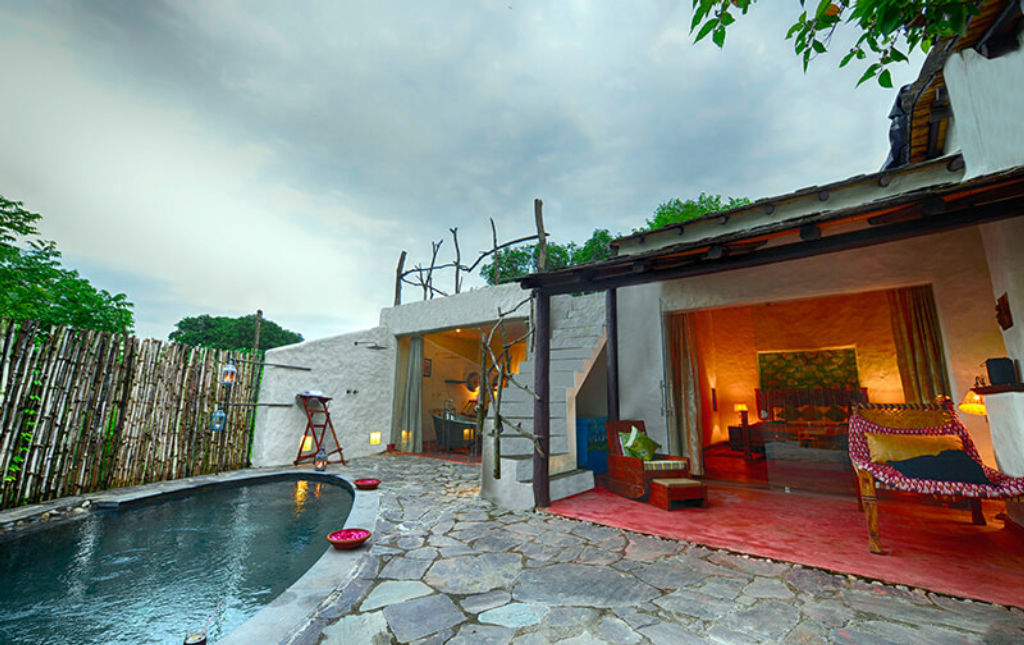
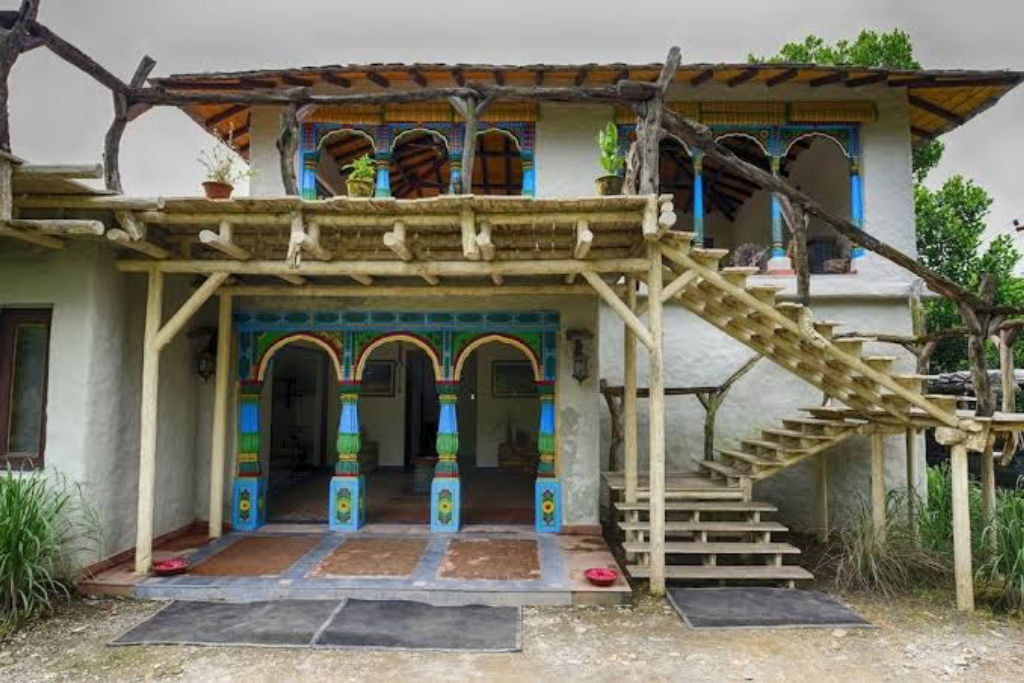
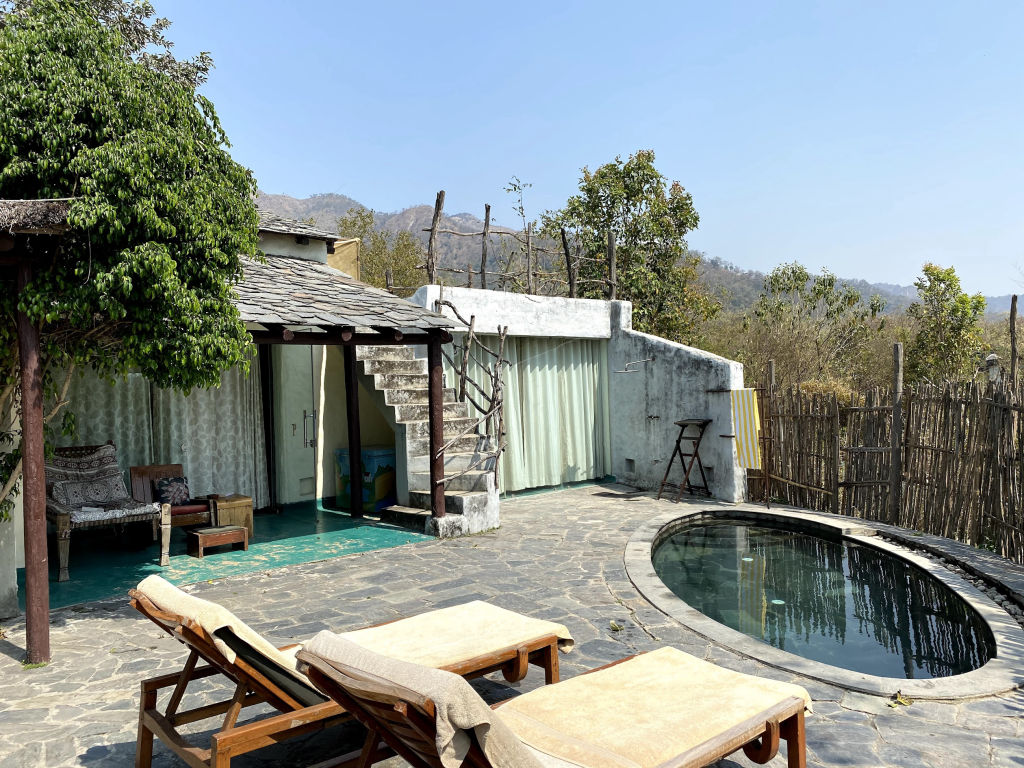
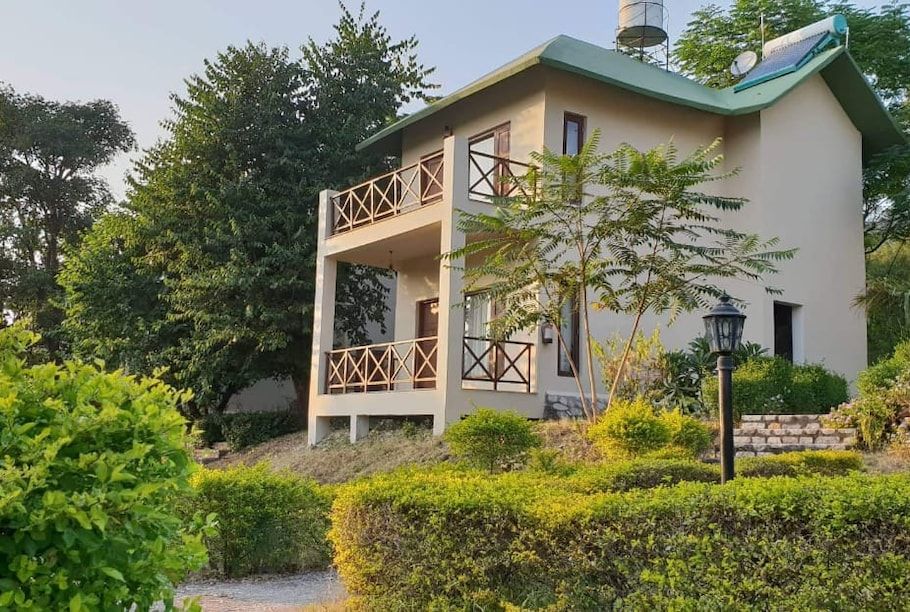
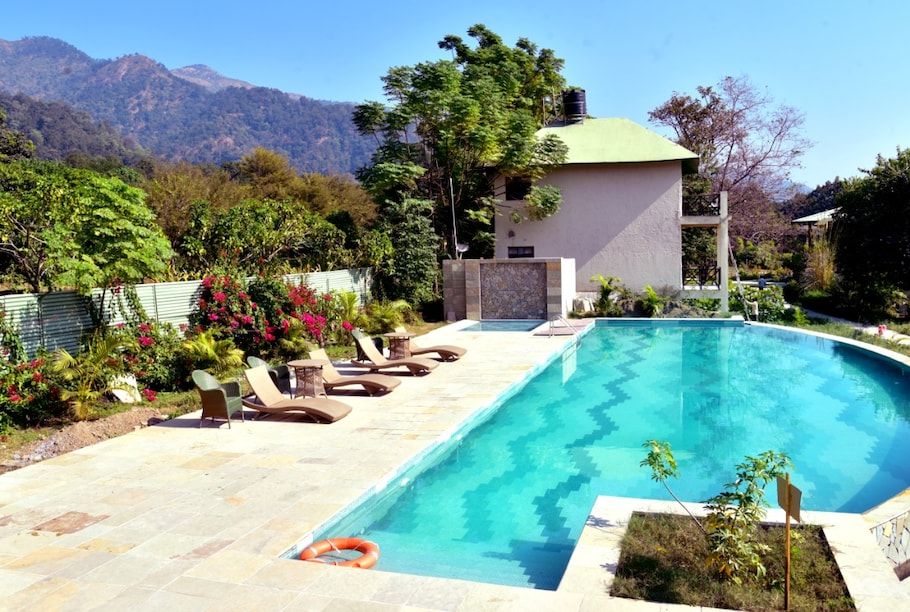
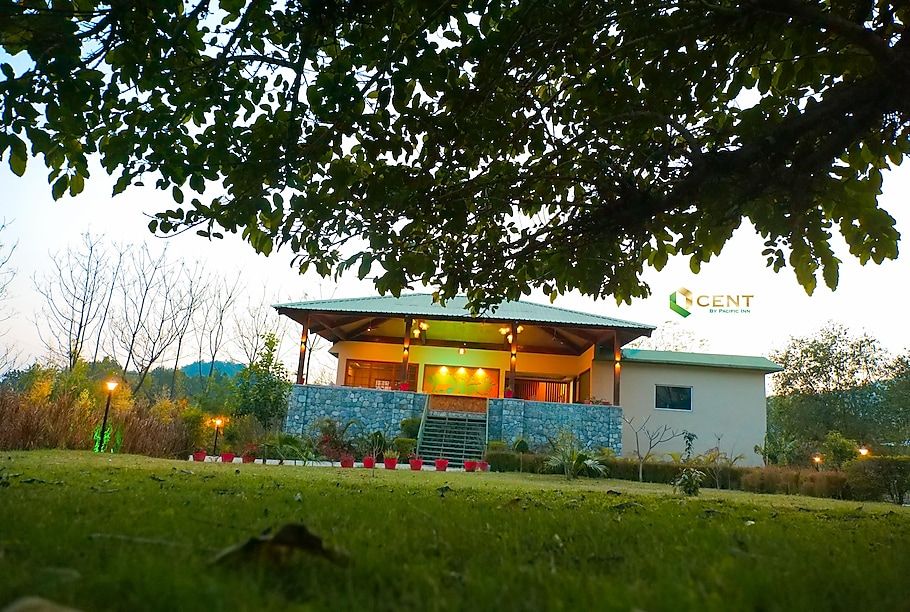
Accommodations around Jim Corbett National Park are distributed along the fringes of the park boundary, particularly bordering the Kosi River and near the various safari entry gates. Staying on the periphery allows travelers to remain immersed in nature while ensuring the protected core habitats of the reserve remain undisturbed.
Options in the area range from rustic riverside camping setups and eco-friendly cottages to family-run village homestays and comfortable nature retreats. You can find and book vetted camps, homestays, and outdoor getaways around Jim Corbett National Park on HireACamp. Booking in advance is recommended, particularly for weekends and the busy winter travel months.
Frequently asked questions
How far is Jim Corbett National Park from Delhi?
Jim Corbett National Park is approximately 260 km from Delhi. The journey by road typically takes roughly 6 hours, depending on traffic conditions.
What is the closest railway station to Jim Corbett National Park?
The nearest railhead is Ramnagar railway station, which lies just outside the park and is well connected by direct train services to Delhi and other regional hubs.
Is Jim Corbett National Park open throughout the year?
Certain buffer zones of the park remain accessible throughout the year, but several core safari zones close during the monsoon season between July and October for wildlife breeding and road maintenance. It is best to check zone-specific schedules locally before planning a trip.
What clothes should I pack for a trip to Jim Corbett?
Pack earthy, muted colors like olive green, khaki, or brown to blend in with the forest setting. In winter, bring warm layers, jackets, and woollen caps for cold early morning drives, while light cottons and sun protection are essential for summer visits.
Can I explore Jim Corbett National Park on foot?
Walking is strictly prohibited inside the core national park zones for safety and wildlife protection. Walking trails and birdwatching excursions are limited to designated buffer regions and private lands outside the official reserve boundaries.
Where you'll be
Uttarakhand · 6 stays nearby shown with prices
As seen on Instagram
The posts this guide is built from
Stays near Jim Corbett National Park
Book a place to stay close by
More places near Jim Corbett National Park
Within 20 km
Built from 1 Instagram post by 1 creator. Every tip links back to the post it came from, and where creators disagree we show both sides. Guide updated 22 Oct 2026.






