
Elephant's Head
Viewpoint near Jaoli, Maharashtra
1.9 km from Jaoli
The nearest town, for stays, food and fuel.
Elephant's Head Point is a prominent clifftop viewpoint located in the hill station of Mahabaleshwar in Maharashtra. The viewpoint gets its name from a distinct natural rock formation that closely resembles the head and trunk of an elephant protruding into the open valley. Travellers visit throughout the year to enjoy sweeping views of the Western Ghats, deep ravines, and the cool mountain climate.
Getting there
By road
- From JaoliNearest town40 min · 21 km
- From Mahabaleshwar43 min · 22 km
- From Pune2 hr 55 min · 123 km
- From Mumbai 4 hr 45 min · 226 km
Typical drive times without traffic. Stations and airports from OLA Maps; distances and typical drive times from OpenStreetMap (© OpenStreetMap contributors); notes from creators' Reels.
About Elephant's Head
Written with AI from map data and general knowledge. Check prices and timings locally before you go.
The Landscape of Elephant's Head Point
Elephant's Head Point sits along the western rim of the Mahabaleshwar plateau, jutting outward over an immense chasm in the Sahyadri mountains. The defining geological highlight is an overhanging ridge of volcanic basalt that curves downwards, bearing an uncanny resemblance to an elephant's trunk and head. An opening in the rock structure, often referred to locally as the Needle Hole, allows visitors to look right through the sheer cliff face to the valley floor below.
The broader landscape consists of stepped Deccan Trap lava flows layered over millions of years and carved into dramatic peaks and canyons by weathering and rain. Deep valleys drop down toward the Koyna and Savitri river basins, lined with moist evergreen and semi-evergreen forests. On bright, clear days, the contrasting shades of dark rock faces and bright green hill slopes create one of the most striking panoramic settings anywhere in the Western Ghats.
What to Experience at Elephant's Head
Visiting Elephant's Head Point offers travellers an expansive view across the rugged folds of the Sahyadri mountain range. From this vantage, one can see wide ridgelines stretching into the distance and pick out historic landmarks such as Pratapgad Fort resting on its distant hill. During the early morning hours, the canyons below often cradle thick layers of low-lying cloud, creating the sensation of standing above a rolling sea of white mist before the sun warms the valley.
The walk leading to the viewpoint passes along shaded, paved paths bordered by dense woodland. This canopy provides a habitat for various bird species endemic to the Western Ghats, making the walk enjoyable for birdwatchers and nature enthusiasts. Raptors and swifts are frequently observed catching rising air currents off the cliff edge, circling effortlessly over the gorge while visitors relax along the railed lookouts.
Read more
Best Time to Visit Elephant's Head
The atmosphere at Elephant's Head Point shifts noticeably across the seasons, making different times of year appealing for different reasons. The post-monsoon period, from October through November, is widely regarded as the most pleasant time to visit. During these weeks, the surrounding hills are carpeted in fresh greenery, seasonal mountain streams run along the rock faces, and the air is exceptionally clean and crisp.
Winter, lasting from December to February, offers bright sunny days paired with cool, refreshing mountain breezes. Daytime temperatures remain comfortable for walking, and long-range visibility across the valleys is at its peak. The summer months from March to May bring warmer days, though the altitude ensures that evenings remain cooler than the low-lying plains. From June to September, the monsoon unleashes heavy rainfall and dense fog across Mahabaleshwar. While distant views can be obscured by clouds during heavy downpours, the moody atmosphere, roaring wind, and drifting mist attract many monsoon travellers.
How to Reach Elephant's Head
Elephant's Head Point is located in Mahabaleshwar and can be reached via a short road journey from the main town centre. Paved hill roads wind through the wooded edges of the plateau to the parking area near the viewpoint, from where visitors complete a brief walk along stone pathways to reach the lookout. Taxis, local auto-rickshaws, and private cars regularly ply this route from central Mahabaleshwar and neighboring Panchgani.
Travellers driving from major cities typically approach via Pune or Mumbai. The drive from Pune heads south along the national highway before climbing up the ghat roads past Wai and Panchgani. Visitors travelling from Mumbai can take the Mumbai-Pune Expressway or travel via the scenic Konkan highway before ascending the hills. Regular state transport buses run between Mahabaleshwar and major urban centers across Maharashtra. For those arriving by train, the closest railheads are at Satara and Pune, from which road transport into the hills is easily arranged.
Places to Visit Around Mahabaleshwar
A visit to Elephant's Head Point can easily be combined with exploring the wide range of natural and historical attractions nearby. In nearby Panchgani, Table Land offers a vast volcanic plateau that serves as one of the largest flat tablelands in Asia, providing extensive views of surrounding valleys. Down in the valley near Wai, Dhom Lake provides a calm waterside setting surrounded by rolling hillocks and quiet farming hamlets.
The region is also renowned for its historic hill forts that played key roles in Maratha history. Hikers and history enthusiasts can head toward Kamalgad and Kenjalgad, two prominent forts that offer rewarding trails and views over the Deccan plateau. Farther afield, the dramatic battlements of Raigad Fort and the towering peak of Torna Fort provide challenging day trips. During late monsoon and early autumn, a journey south toward the Kaas Plateau reveals a designated natural heritage site blanketed with thousands of endemic wildflowers.
Tips for Your Visit to Elephant's Head
Because Elephant's Head Point sits above sheer vertical drops, safety should always be the top priority. Visitors should remain behind the stone walls and metal safety barriers at all times and avoid climbing onto slippery rocks for photographs. Wearing comfortable walking shoes with good grip is advisable, as the stone pathways can become damp or mossy, especially during and after the rainy season.
Troops of bonnet macaques inhabit the wooded areas around the viewpoint and are accustomed to human presence. To avoid unwanted attention, keep food packets, fruits, and plastic bottles secured inside backpacks rather than carrying them openly in hand. The weather can change quickly on the plateau, so carrying a light jacket or windbreaker is helpful during breezy winter mornings and post-monsoon afternoons. Finally, visitors should carry reusable water bottles and take care to leave no plastic waste behind in the surrounding forest.
Where to Stay near Elephant's Head
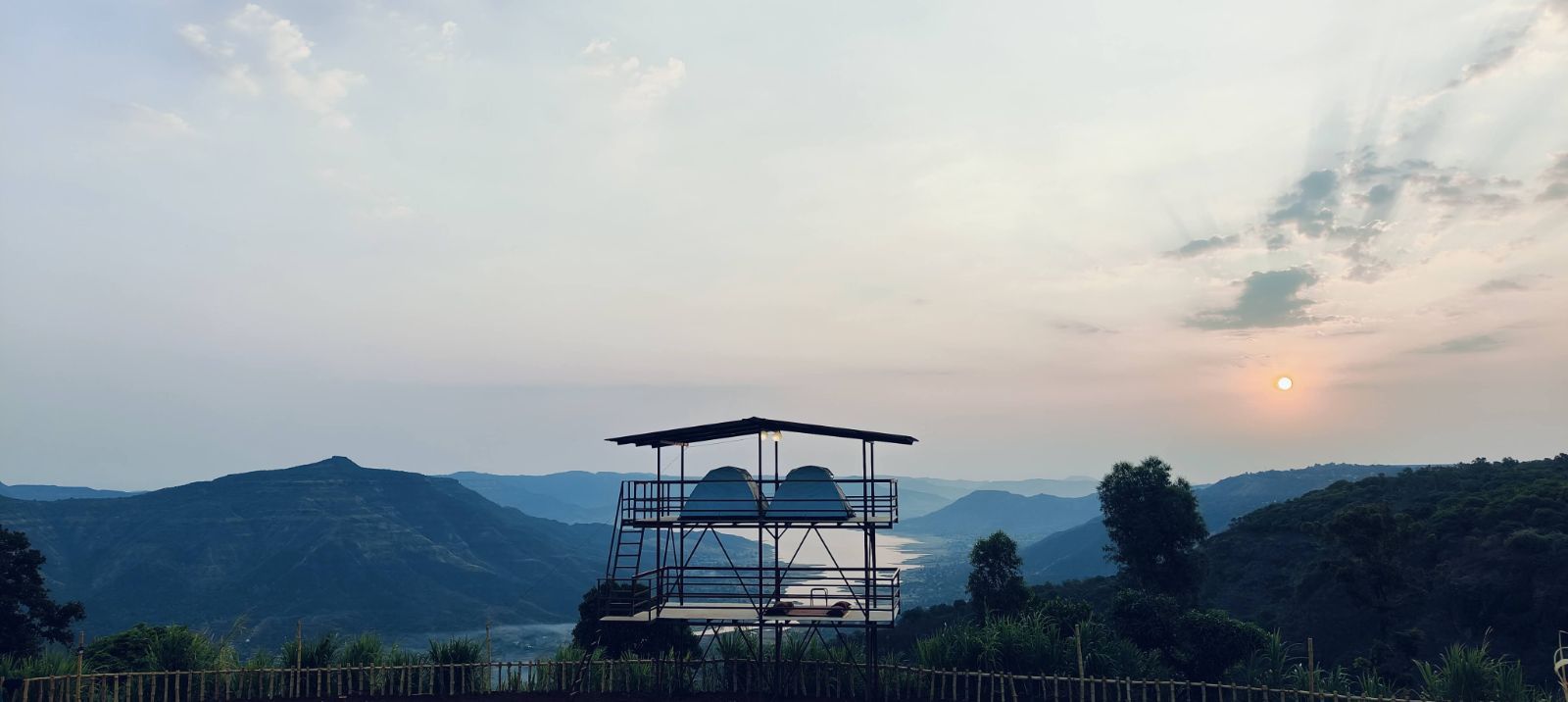
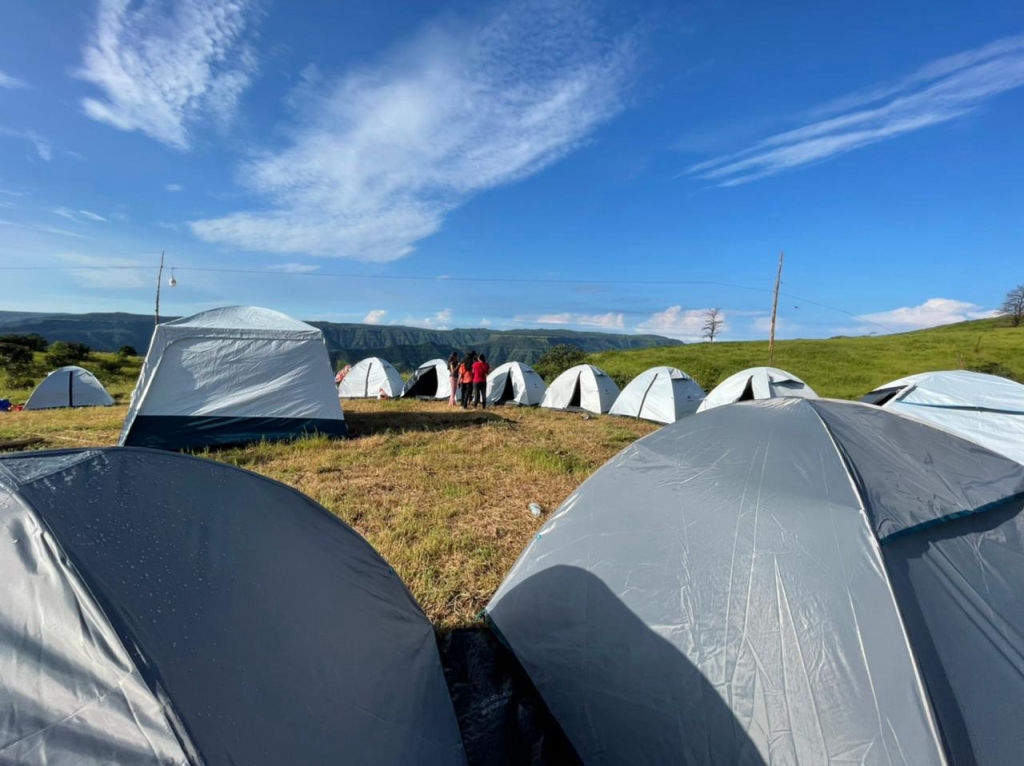
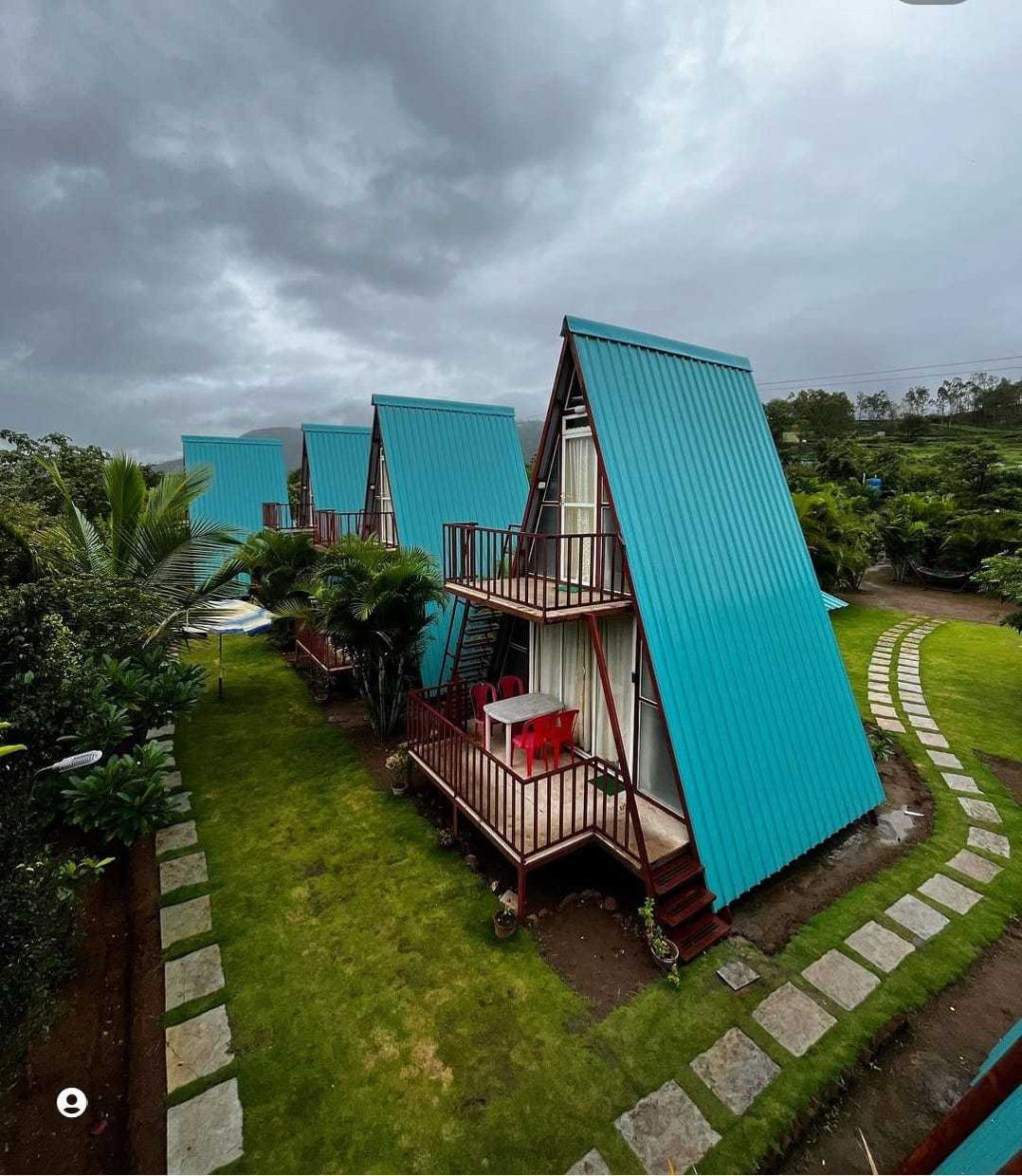
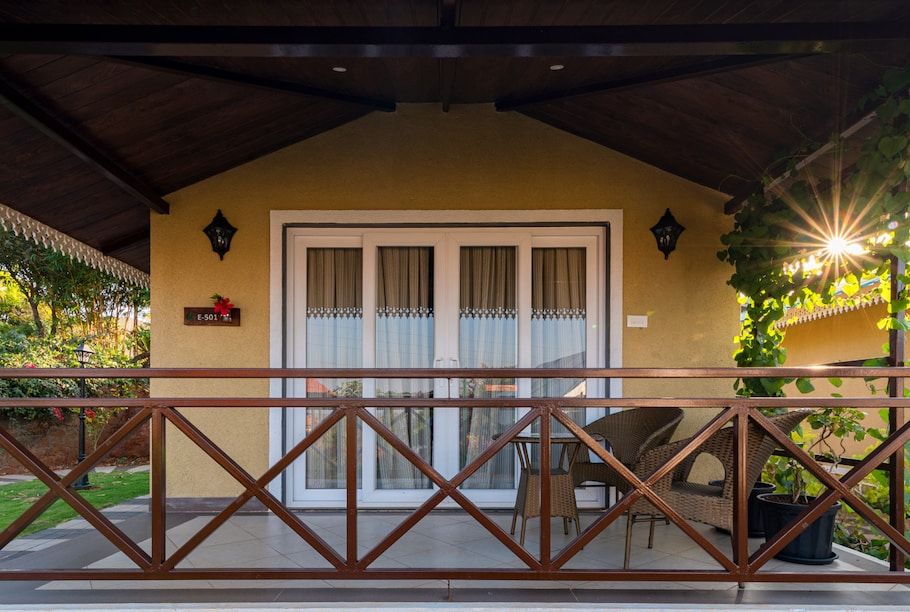
Mahabaleshwar and the adjoining Panchgani plateau provide a diverse range of accommodations suited to outdoor enthusiasts, families, and solo travellers. Options in the area include quiet village homestays set amidst strawberry farms, heritage hillside bungalows, and rustic nature retreats tucked into the surrounding valley valleys.
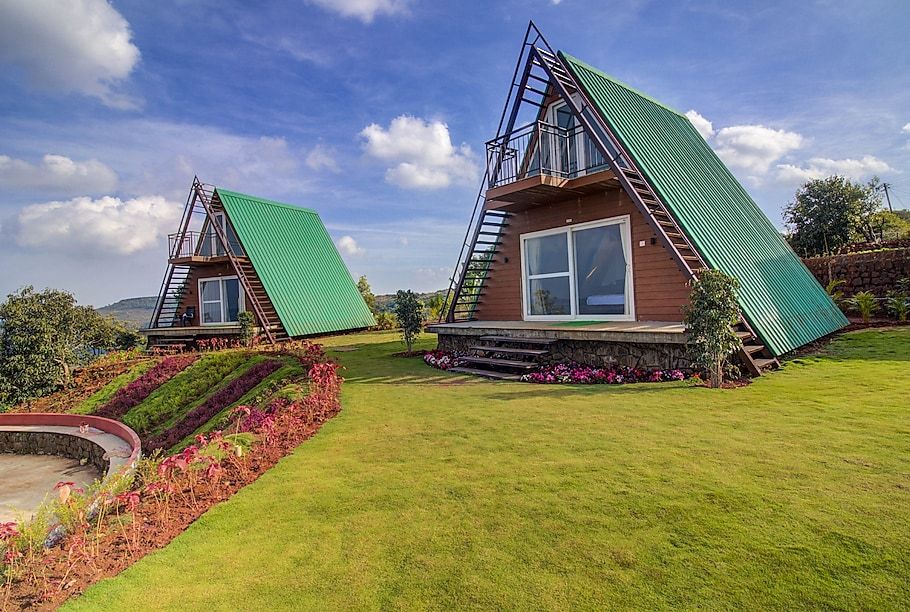
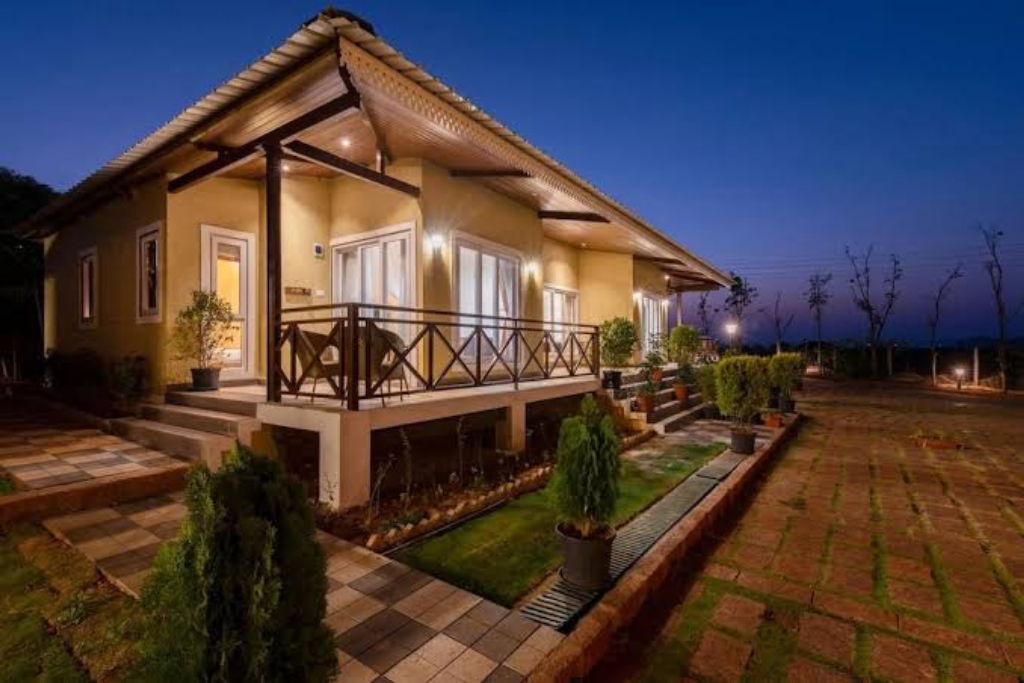
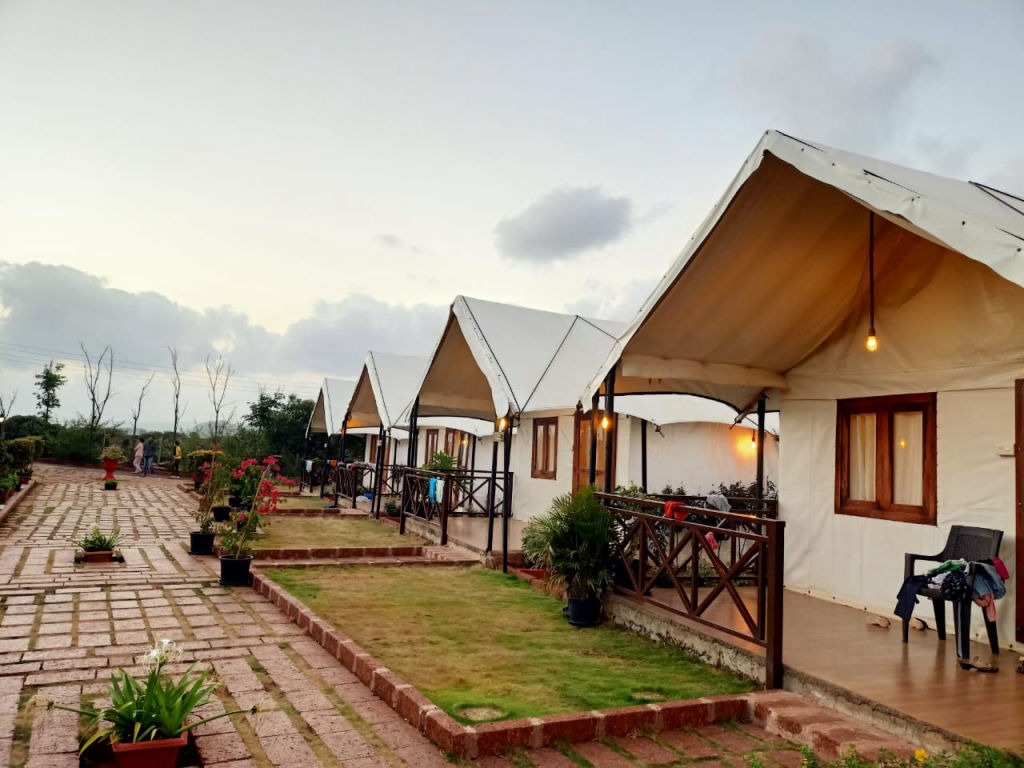
Those looking to stay close to nature can opt for scenic outdoor campsites and eco-friendly cottages that make the most of the region's mountain air and starlit nights. You can find and book verified campsites, peaceful homestays, and unique nature stays in and around Mahabaleshwar directly on HireACamp.
Frequently asked questions
Why is it called Elephant's Head Point?
The viewpoint is named after a natural rock overhang that curves downward in a shape resembling an elephant's head and trunk, complete with a natural opening known as the Needle Hole.
Is trekking required to reach Elephant's Head Point?
No strenuous trekking is required. Visitors can drive close to the viewpoint and then take a short, easy walk along paved pathways and steps from the parking area.
What is the best season to visit Elephant's Head Point?
The months from October to February offer the best combination of clear valley views, pleasant daytime temperatures, and green landscapes following the monsoon.
Can Elephant's Head Point be visited during the monsoon?
Yes, the viewpoint is open during the monsoon, offering dramatic mist, cool winds, and lush scenery, though heavy fog may periodically reduce long-distance valley visibility.
Are there wild monkeys at Elephant's Head Point?
Yes, wild macaques frequently roam the paths near the viewpoint. It is best to keep food items, drinks, and loose accessories safely stowed in your bags.
Where you'll be
Mahabaleshwar, Mahabaleshwar, MH · 7 stays nearby shown with prices
Stays near Elephant's Head
Book a place to stay close by
More places near Elephant's Head
Within 20 km


Lists for this area
Ranked by how many creators recommend each place


Built from 0 Instagram posts by 0 creators. Every tip links back to the post it came from, and where creators disagree we show both sides.






