
Fatorpa
Destination in Goa
Fatorpa is a serene village in South Goa, nestled in the scenic hinterland away from the crowded coastal belt. It is renowned across Goa for its deep spiritual heritage, centered around the revered shrine of Goddess Shantadurga. Travellers visit Fatorpa to experience authentic rural Goan culture, explore historic pilgrimage routes, and enjoy the tranquil green landscapes of the region.
Getting there
By road
- From Pune9 hr 55 min · 481 km
Typical drive times without traffic. Stations and airports from OLA Maps; distances and typical drive times from OpenStreetMap (© OpenStreetMap contributors); notes from creators' Reels.
About Fatorpa
Written with AI from map data and general knowledge. Check prices and timings locally before you go.
About Fatorpa and its cultural heritage
Fatorpa holds a meaningful place in Goan cultural history. Located in the taluka of Quepem in South Goa, the settlement developed into a major pilgrimage point centuries ago. During the sixteenth century, several local deities were relocated from coastal settlements to interior foothill regions to preserve traditional worship. Among these was the deity Shantadurga Kuncolienkarin, which was moved here from nearby Cuncolim.
Today, Fatorpa remains defined by this living legacy. Unlike the lively tourist enclaves on the coast, everyday life here moves to a gentle and unhurried rhythm. Traditional Goan houses painted in soft hues line quiet village roads, framed by coconut groves, areca nut plantations, and rolling forested mounds. Visiting the village offers a glimpse into a side of Goa rooted in devotion, agricultural routines, and tightly knit community celebrations.
Things to do in Fatorpa
The focal point of any visit to Fatorpa is spending time around its primary temple complexes. The temple dedicated to Goddess Shantadurga stands out with its distinct regional architecture, featuring a prominent Deepastambha or lamp tower, intricate woodwork, and expansive courtyards. Walking through the temple precincts provides a reflective setting to observe local customs, bell chimes, and traditional rituals.
Beyond worship, Fatorpa is wonderful for slow walking and cycling. The village paths weave past ancestral homes, rustic compound walls made of laterite stone, and dense patches of orchard greenery. Photography enthusiasts will find subtle charm in the village streetscapes, temple water tanks, and the play of morning light filtering through tropical canopies.
Read more
Places to visit around Fatorpa
Fatorpa is strategically situated to explore numerous cultural and natural landmarks in the South Goan hinterland. Just a short drive away lies the historic village of Cuncolim and the Chieftain's Memorial Park, which commemorates the historic revolt of local chieftains in 1583. This memorial stands as a proud testament to the region's spirit of self-determination.
A few kilometres to the east rises the Chandranath hill, topped by the ancient Shri Chandreshwar Bhootnath Temple. Perched amid dense foliage with expansive views across the Goan countryside, it is an inspiring vantage point for those who appreciate old hill shrines. Nearby, you will also find the Shri Shantadurga Ballikarin Temple and the sacred Shree Damodar Temple in Zambaulim, located along the Kushawati River, which is deeply revered throughout the state.
Travelers interested in ancient rock architecture can also plan an excursion toward the Pandava Caves in the neighbouring belt. These rock-hewn chambers carved out of laterite date back centuries and offer an intriguing stop for history and archaeology enthusiasts.
Best time to visit Fatorpa
The best time to visit Fatorpa is between November and February. During these winter months, the weather is pleasant, with dry days, cool mornings, and comfortable evenings, making outdoor walks and temple visits especially enjoyable. The famous annual Fatorpa Zatra, a multi-day temple festival marked by night chariot processions and traditional fairs, usually takes place during this season.
The monsoon months from June to September transform Fatorpa into an emerald paradise. Heavy rainfall revives local streams, turns the countryside vivid green, and creates a misty, peaceful atmosphere. However, travel during the monsoon requires sturdy rain gear and flexible plans. The summer months from March to May can be hot and humid, so daytime excursions are best limited to the early morning or late afternoon.
How to reach Fatorpa
Fatorpa is well connected by road to the major transport hubs of South Goa. The primary gateway city is Margao, located roughly twenty kilometres away. Margao has the main railway station, Madgaon Junction, which connects to major cities across India via the Konkan Railway network. From Margao, local state transport buses, auto-rickshaws, and private taxis regularly ply the route toward Cuncolim and Quepem, passing through or near Fatorpa.
For air travellers, Goa is served by two international airports: Dabolim Airport in South Goa and Manohar International Airport at Mopa in North Goa. Dabolim is significantly closer, making the onward road journey to Fatorpa smoother. Self-driving by car or rented scooter is one of the most convenient ways to reach the village, allowing you to stop easily along rural country lanes.
Tips for travellers visiting Fatorpa
When visiting Fatorpa, dress modestly and respectfully, particularly when entering temple premises. It is customary to take off your footwear before entering temple courtyards and shrines. Photography rules may vary within sacred spaces, so it is always wise to check posted notices or ask local attendants before clicking pictures of deities or rituals.
Carry sufficient drinking water, sun protection, and some cash, as smaller village shops and local transport operators may not always have reliable digital payment terminals. Respect the quiet nature of residential lanes and local farming plots during your visit.
Where to stay near Fatorpa
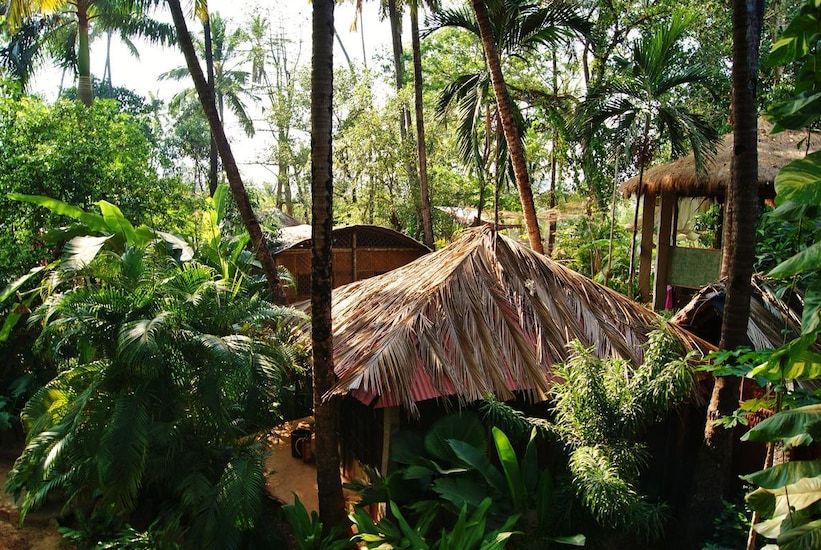
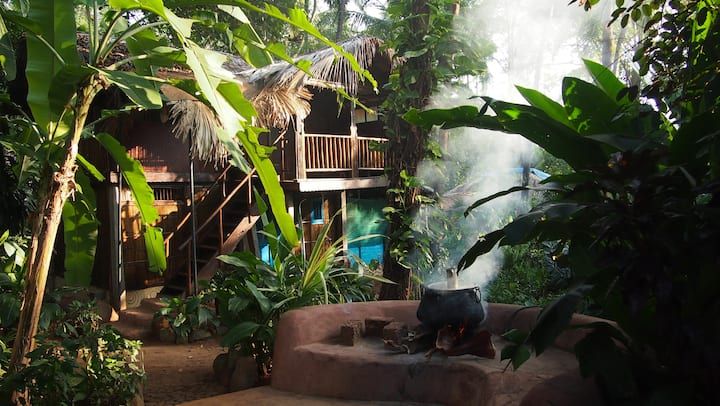
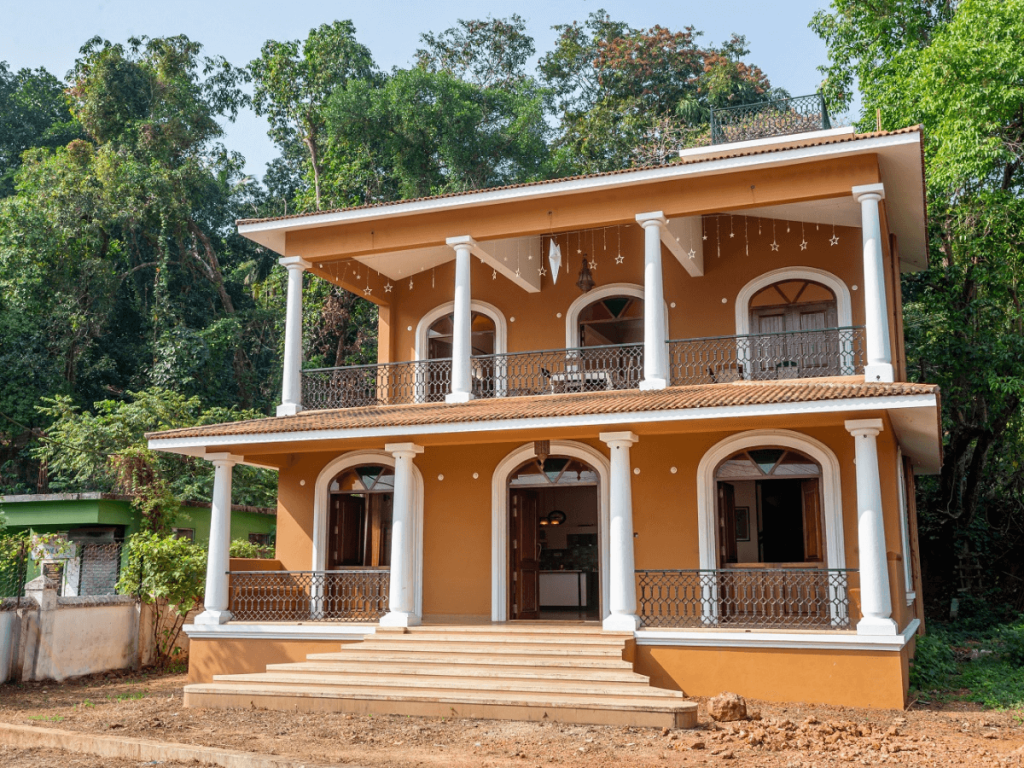
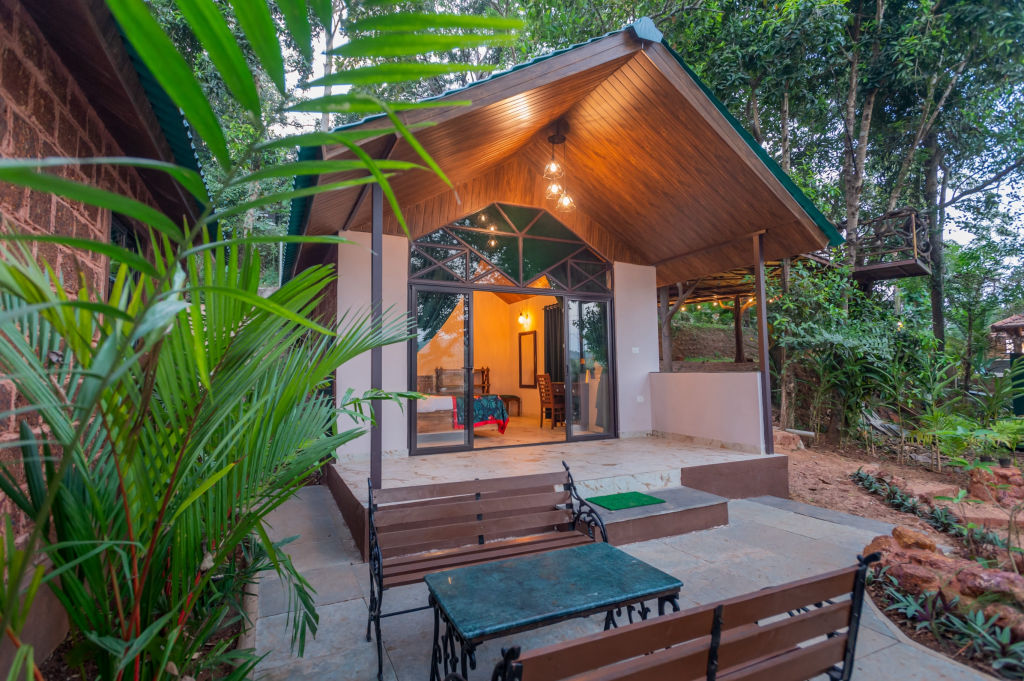
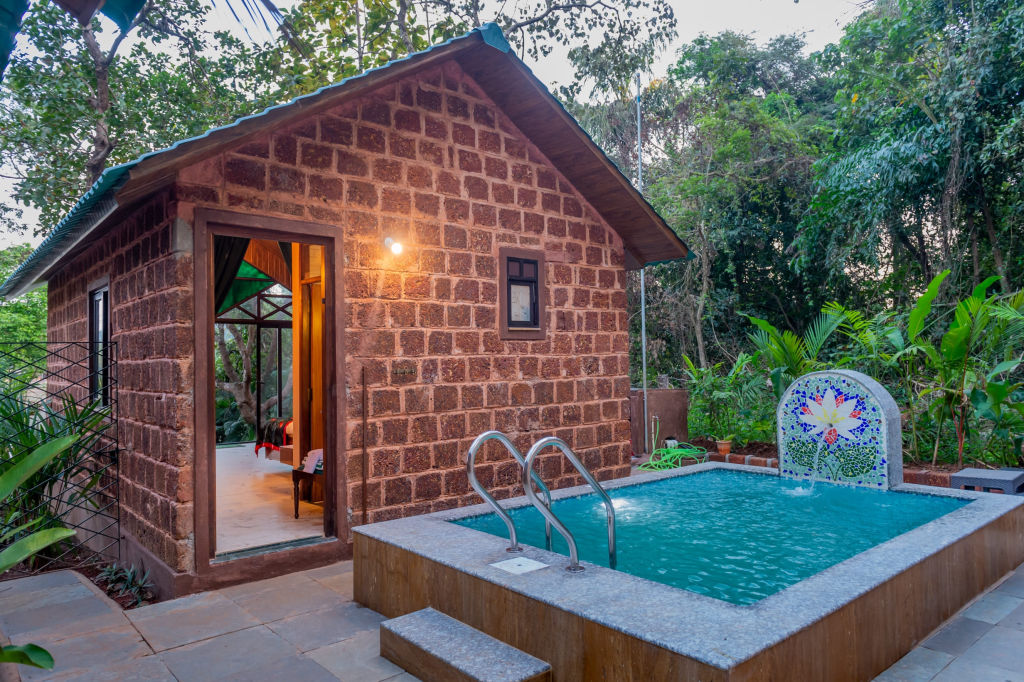
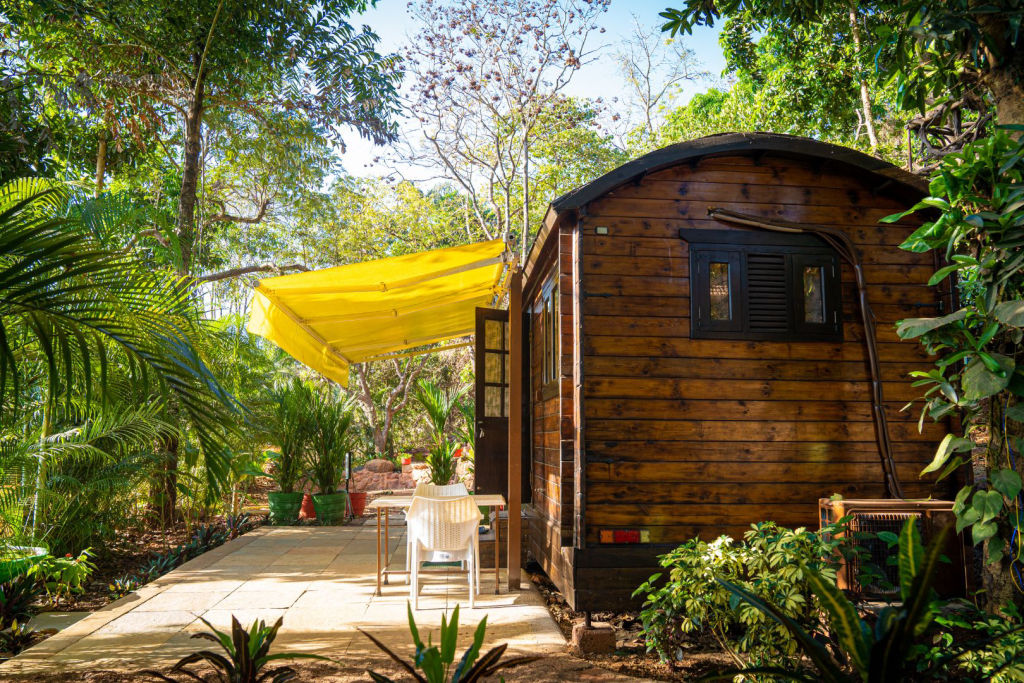
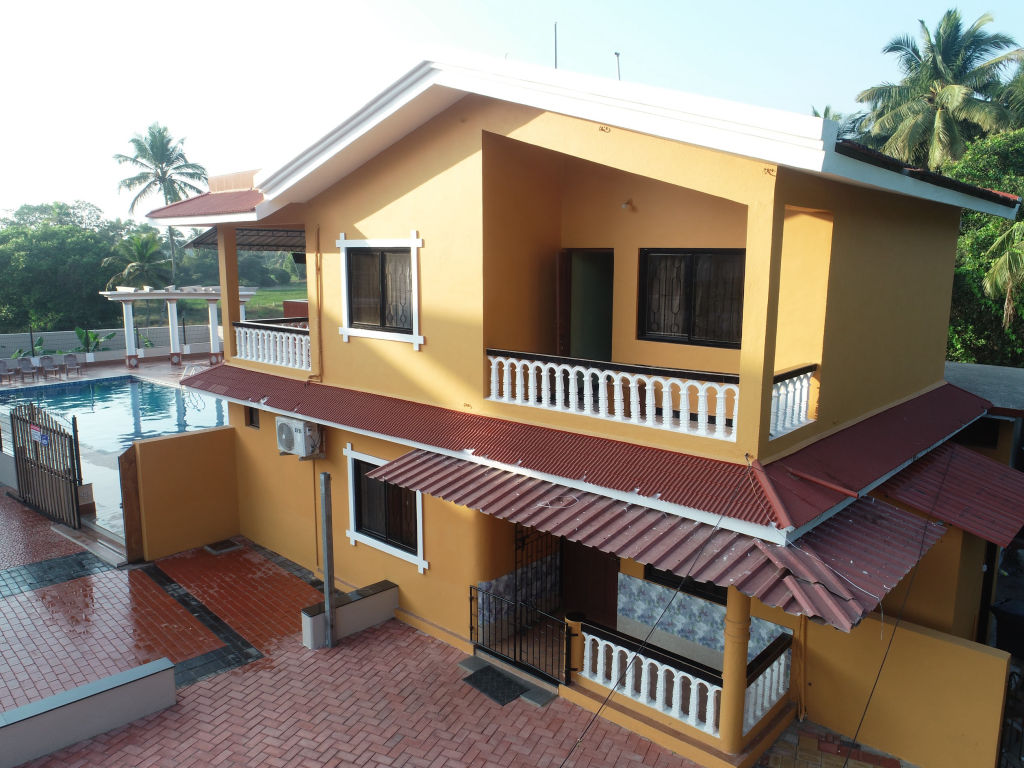
Accommodations right inside the village are limited mainly to simple pilgrim lodgings and family-run spaces. However, the surrounding countryside of South Goa offers delightful choices for travellers wanting to stay immersed in nature. You can find peaceful farm stays, heritage homestays, and rustic camping sites in nearby villages through HireACamp.
Staying in the hinterlands gives you the advantage of quiet surroundings, fresh local home-cooked food, and easy day trips to both inland heritage spots and the coastal beaches of the south.
Frequently asked questions
What is Fatorpa famous for?
Fatorpa is famous for the Shri Shantadurga Fatorpekarin Temple, an important pilgrimage destination that holds significant cultural and religious importance in Goan history.
Which is the nearest railway station to Fatorpa?
The nearest major railhead is Madgaon Junction in Margao, located roughly twenty kilometres away, with regular bus and taxi connections to Fatorpa.
Is Fatorpa suitable for a day trip from South Goa beaches?
Yes, Fatorpa makes an easy half-day or full-day excursion from popular South Goan coastal areas like Benaulim, Mobor, and Agonda, offering a rich cultural contrast to beach tourism.
What should visitors wear when visiting temples in Fatorpa?
Visitors should dress modestly, covering their shoulders and knees, to respect local traditions when visiting temple courtyards and sanctums.
Where you'll be
9 stays nearby shown with prices
Stays near Fatorpa
Book a place to stay close by


Things to do in Fatorpa
48 places creators recommend within 30 km
Built from 0 Instagram posts by 0 creators. Every tip links back to the post it came from, and where creators disagree we show both sides.






