
Shree Mahalaxmi Temple
Temple near Panjim, Goa
100 m from Panjim
The nearest town, for stays, food and fuel.
Shree Mahalaxmi Temple is an esteemed Hindu sanctuary located on Dr Dada Vaidya Road in the bustling center of Panjim, Goa. Dedicated to Goddess Mahalaxmi, widely revered as the protector deity of the city, the shrine holds deep cultural and spiritual significance for local residents. Travellers visit to experience its tranquil ambience, appreciate classic Goan temple architecture, and witness the region's rich devotional heritage.
Getting there
By road
- From PanjimNearest town2 min · 600 m
- From Pune8 hr 55 min · 433 km
Typical drive times without traffic. Stations and airports from OLA Maps; distances and typical drive times from OpenStreetMap (© OpenStreetMap contributors); notes from creators' Reels.
About Shree Mahalaxmi Temple
Written with AI from map data and general knowledge. Check prices and timings locally before you go.
History and significance of Shree Mahalaxmi Temple
Shree Mahalaxmi Temple holds a notable place in the religious history of Goa. During the early centuries of Portuguese colonial rule, the construction and open practice of Hindu religious rites faced severe restrictions across the territory. For a long period, devotees kept sacred idols hidden or worshipped them in modest residential settings to protect them from suppression.
In the early nineteenth century, changing socio-political conditions allowed the local Hindu community in Panjim to seek official sanction for building a dedicated house of worship. Completed around 1818, Shree Mahalaxmi Temple became the first prominent Hindu temple permitted for construction in the capital under Portuguese governance. Today, the presiding deity is considered the guardian of Panjim, drawing generations of families to offer daily prayers, express gratitude, and partake in time-honoured Goan traditions.
Architectural features of the temple
The architecture of Shree Mahalaxmi Temple displays the distinctive synthesis characteristic of Goan temple design, which developed from an interplay of indigenous Konkani aesthetics and European colonial influences. Rather than the soaring stone towers found in many southern Indian temples, the temple features a graceful, whitewashed exterior with subtle mouldings, arched entranceways, and sloped tiled roofs designed to withstand the fierce monsoon deluges of the coastal region.
At the entrance stands an elegant deepastambha, or multi-tiered lamp tower, which is lit up with small oil lamps during auspicious festivals to illuminate the courtyard. The interior hall is flanked by carved wooden pillars, and the inner sanctum houses the venerable stone idol of Goddess Mahalaxmi adorned with silver embellishments. The ceiling of the main hall often showcases intricate woodwork, offering visitors a calm and visually harmonious setting for quiet contemplation.
Read more
Festivals and celebrations
While Shree Mahalaxmi Temple remains an active centre of devotion throughout the year, the atmosphere becomes especially lively during annual religious observances. Navratri is celebrated here with exceptional fervour across nine days, drawing devotees from across Goa to attend special aartis, listen to traditional music, and offer floral garlands to the deity.
Another significant event is the annual Rathotsav, or chariot festival, which takes place in the post-monsoon period. During this festival, the processional idol is carried through the surrounding streets in an ornate wooden chariot, accompanied by rhythmic drumming, chants, and devotional singing. Mahashivratri and Chaitra festivals also see heightened attendance. Visiting during these festive periods gives travellers a vivid window into authentic Goan Hindu customs and collective community spirit.
Best time to visit
The ideal time to visit Shree Mahalaxmi Temple coincides with the cooler, drier months between November and February. During this winter season, the weather in Goa is comfortably warm during the day and pleasant in the evening, making city walks through Panjim delightful.
The monsoon season, spanning from June to September, brings heavy rainfall and lush greenery to the coastal strip. While moving around the city requires rain gear, visiting the temple during the monsoon offers a peaceful, reflective experience away from major tourist crowds. The summer months from March to May can be hot and humid, so early morning or dusk visits are best suited for travellers visiting at that time.
How to reach Shree Mahalaxmi Temple
Shree Mahalaxmi Temple is situated along Dr Dada Vaidya Road in central Panjim, right next to the historic Mushtifund institution. Because of its prime location within the capital city, it is easily reachable on foot or via local transportation from anywhere in central Panjim.
Travellers arriving by intercity bus can alight at the Panaji KTC Bus Stand, located approximately two kilometres away, and hire an auto-rickshaw or take a local city bus into town. For those arriving by train, the closest major railway junctions are Karmali Railway Station and Madgaon Junction. Taxis and local buses run regularly between these stations and the capital. If you are flying into Goa, both Dabolim Airport and Manohar International Airport at Mopa connect smoothly to Panjim via state highways and public airport coaches.
Places to explore nearby
Due to its central address, a visit to Shree Mahalaxmi Temple can easily be paired with other cultural highlights of Panjim. Just a short walk away lies Fontainhas, the historic Latin Quarter renowned for its winding lanes, vibrant pastel-coloured houses, and distinctive heritage architecture. Strolling through its quiet streets reveals old wooden balconies, tiled street signs, and an unmistakable old-world charm.
The scenic Mandovi riverfront and local municipal gardens are also nearby, offering pleasant afternoon walks. For travellers interested in exploring more of Goa's temple heritage, the town of Ponda is located inland and serves as home to famous shrines such as Shree Shantadurga Temple, Mangeshi Temple, and Shree Ramnath Devasthan. Those interested in modern amenities or indoor shopping will find Caculo Mall within a short drive.
Tips for your visit
When planning your visit to Shree Mahalaxmi Temple, dress conservatively as a sign of respect for local customs; shoulders and knees should be covered before entering the temple compound. Footwear must be removed at the designated area near the entrance before stepping into the inner hall.
Photography is typically prohibited inside the inner sanctum, so always look for signage or ask the priests on duty before taking pictures within the premises. Silence and decorum should be maintained inside the prayer hall. Because temple timings for darshan and midday closures can vary depending on ritual schedules and festival calendars, travellers are advised to confirm visiting hours locally on the day of their visit.
Where to stay
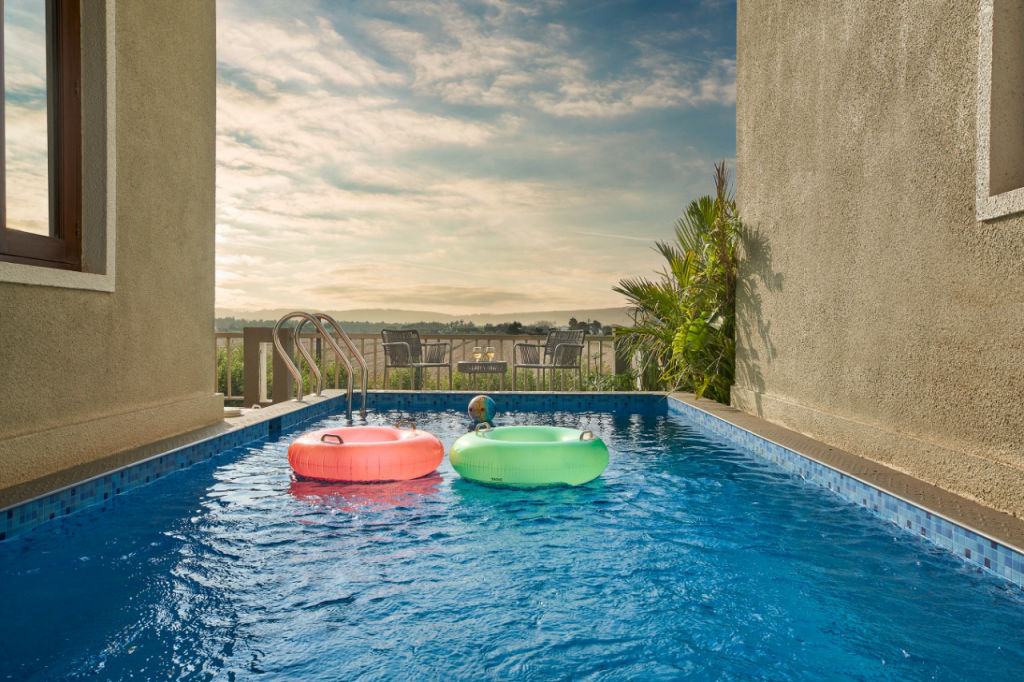
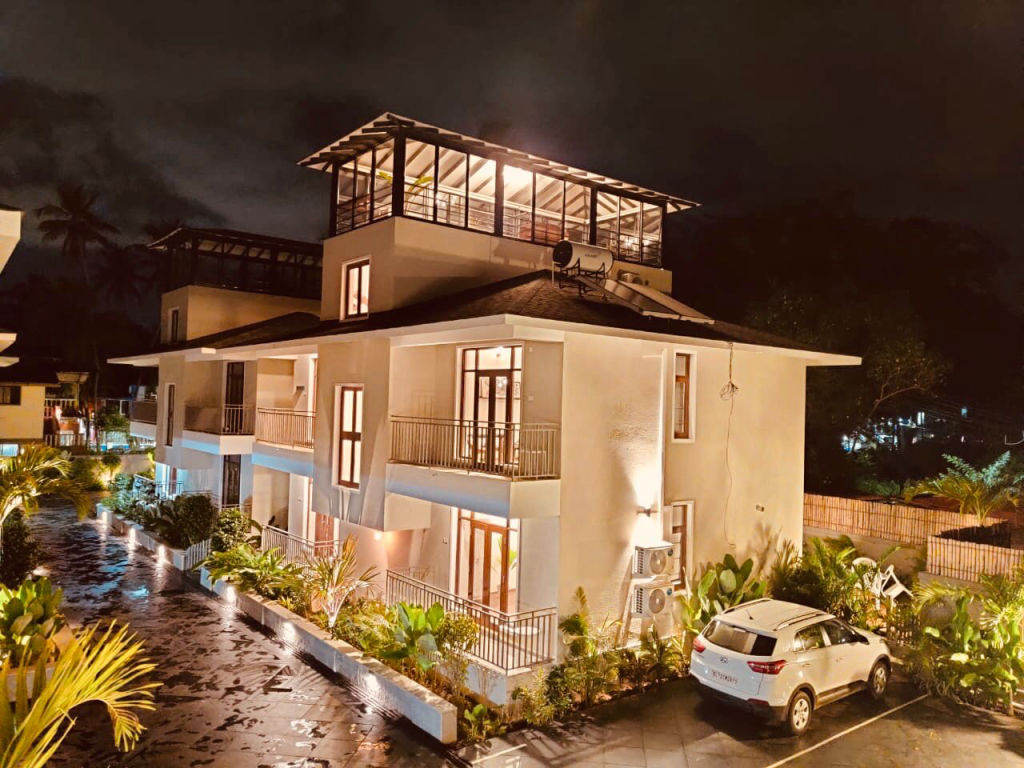
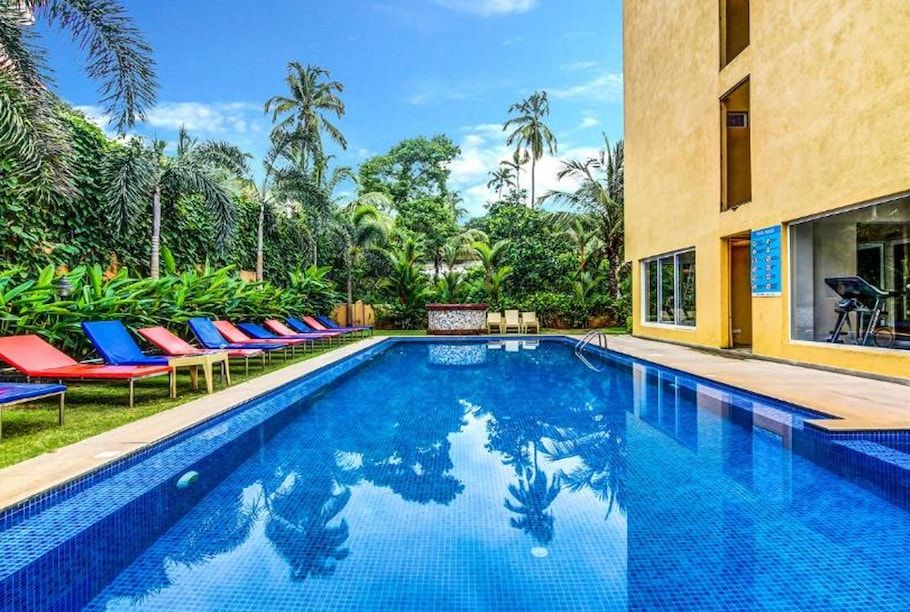
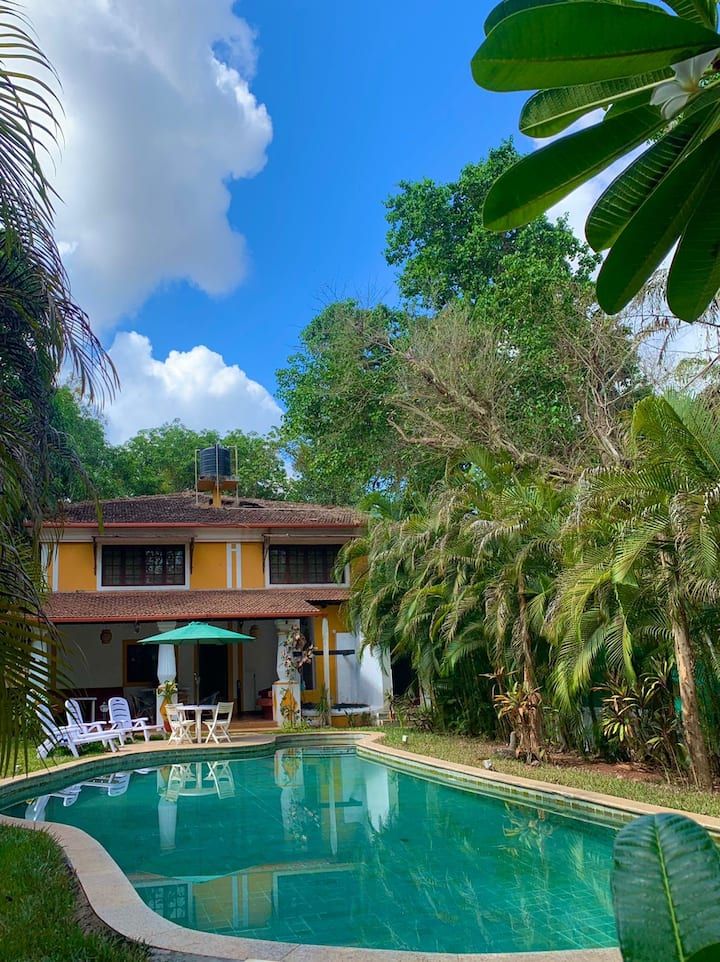
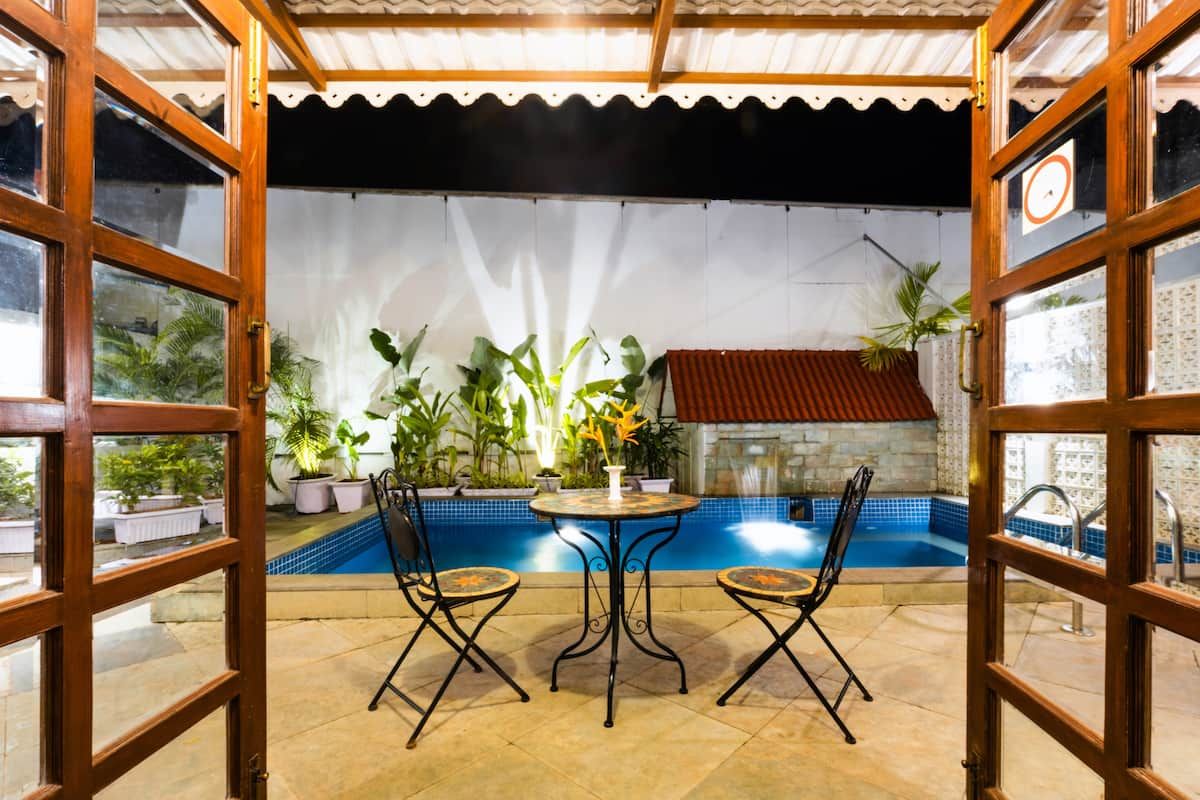
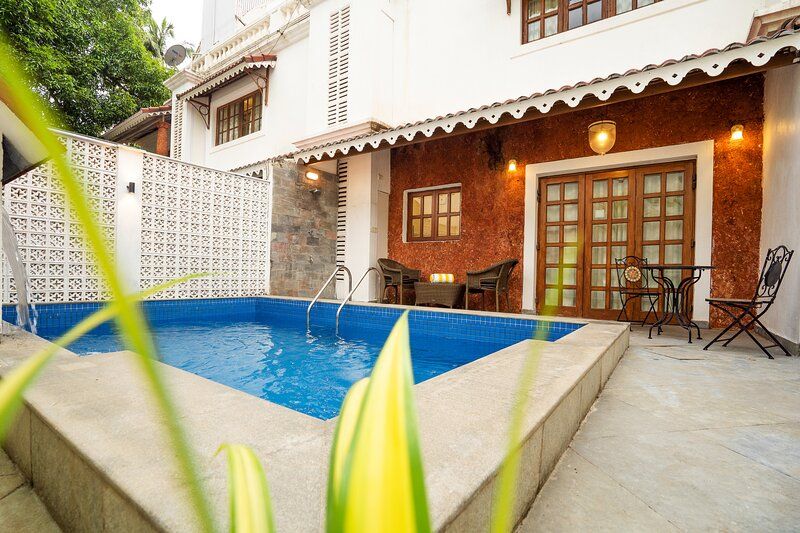
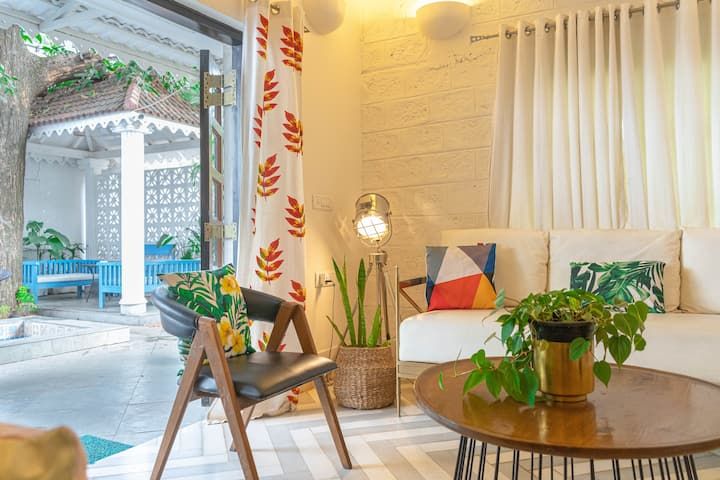
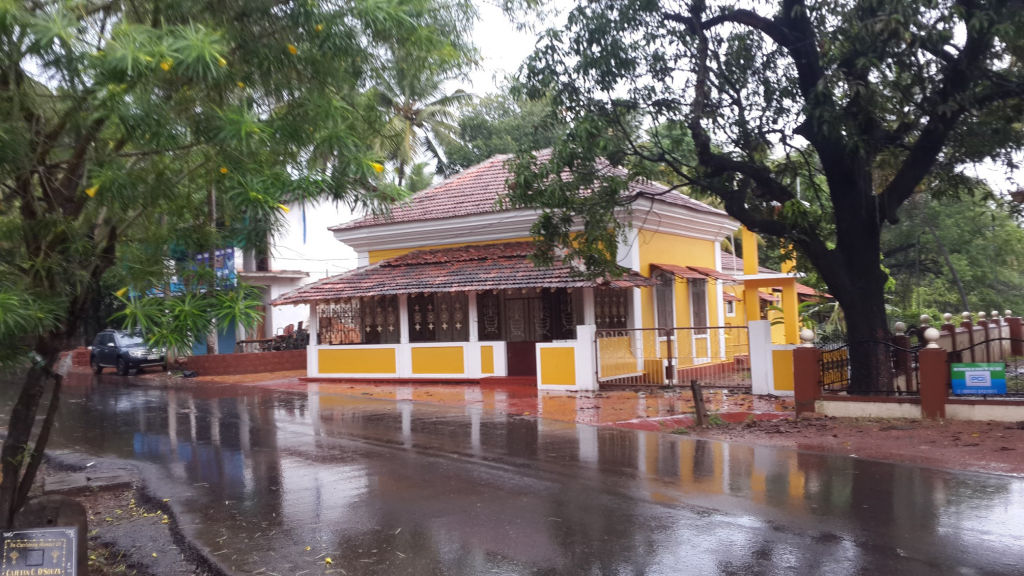
Panjim offers a diverse range of accommodations suited for different travel styles, from boutique heritage homes in historic quarters to peaceful residences near the river. Staying within or around the capital makes exploring both North and South Goa convenient. Travellers looking for authentic homestays, private cottages, or nature-centric camps across the region can browse the curated listings on HireACamp to secure a restful base for their journey.
Frequently asked questions
Where is Shree Mahalaxmi Temple located?
Shree Mahalaxmi Temple is located along Dr Dada Vaidya Road, next to the Mushtifund building in Panaji, the capital city of Goa.
Is there a dress code for visiting the temple?
Devotees and visitors are expected to dress modestly, covering their shoulders and knees. Footwear must be removed outside before entering the sacred areas.
Can visitors take photographs inside Shree Mahalaxmi Temple?
Photography is usually permitted in the open courtyard areas, but taking pictures inside the sanctum sanctorum is generally not allowed. Please check local guidelines on site before using cameras.
What is the best time of day to visit the temple?
Early mornings and late afternoons are the best times to visit for a calm atmosphere and to attend the morning or evening devotional prayers.
Are there other attractions close to Shree Mahalaxmi Temple?
Yes, the temple is within walking distance of the historic Fontainhas Latin Quarter, the Mandovi riverfront, and central Panjim landmarks.
Where you'll be
Dr Dada Vaidya Rd, next to Mushtifund, Panaji · 12 stays nearby shown with prices
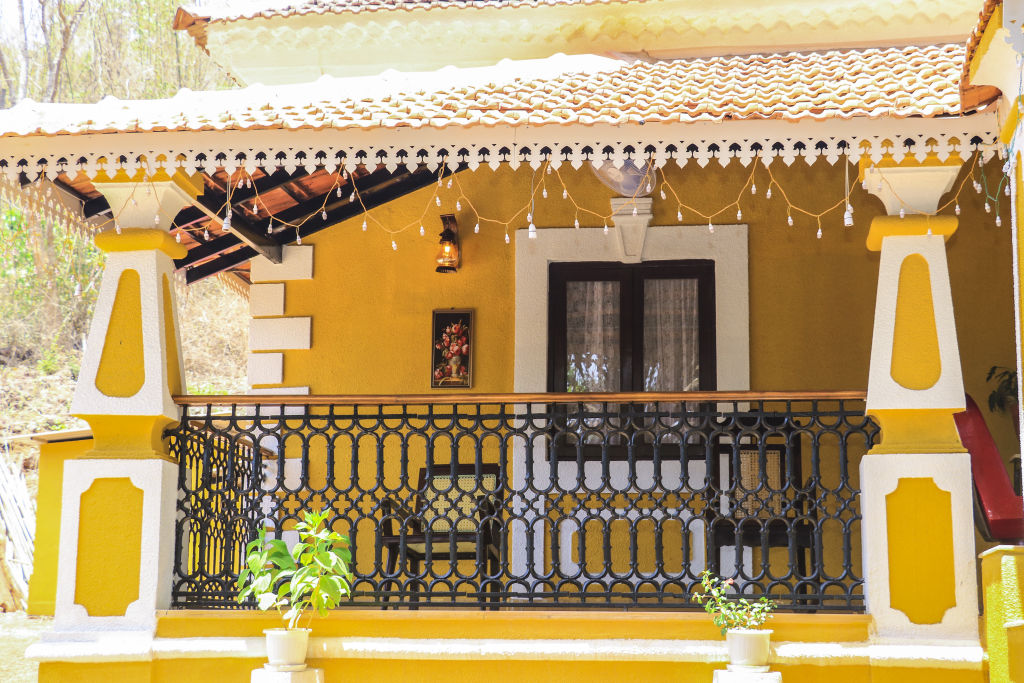
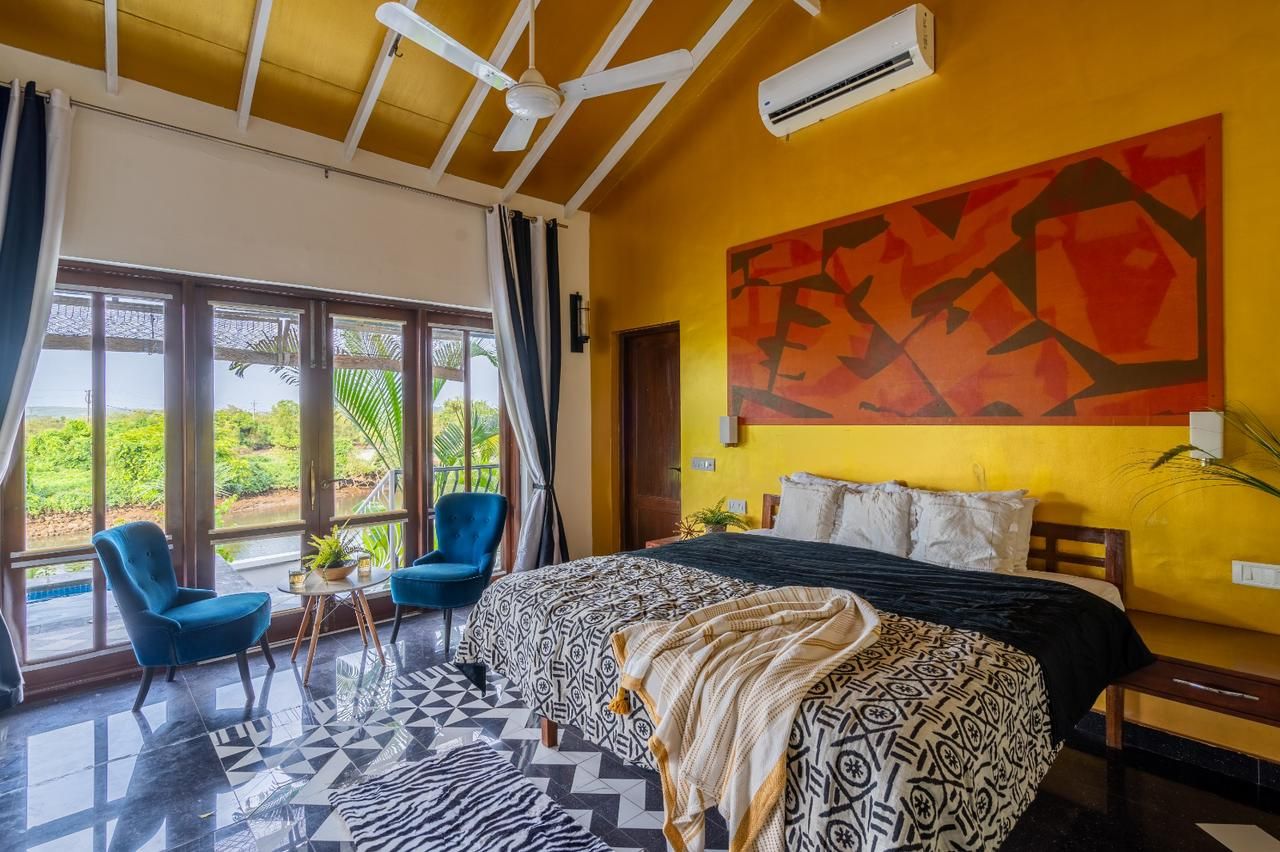
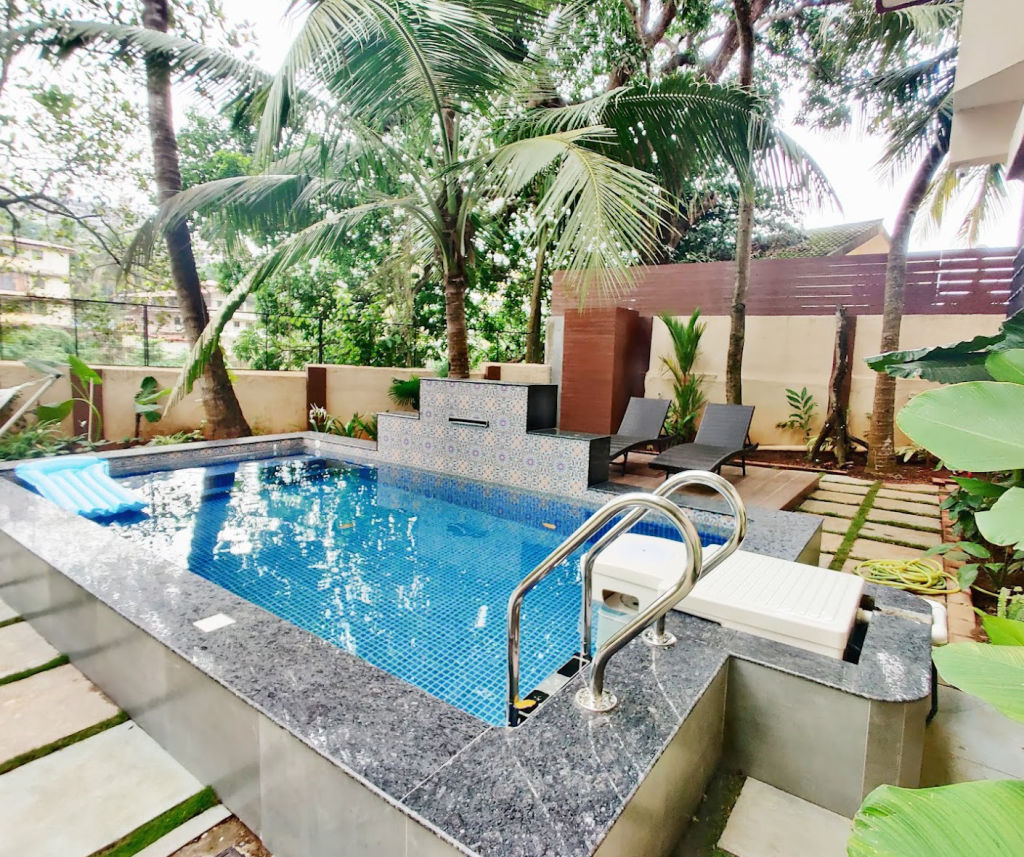
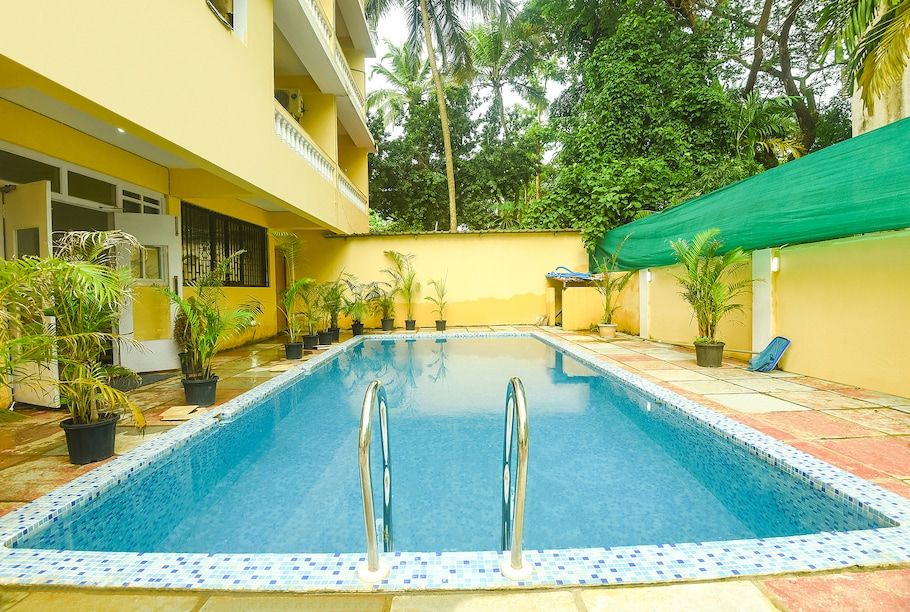
Stays near Shree Mahalaxmi Temple
Book a place to stay close by
More places near Shree Mahalaxmi Temple
Within 20 km
Built from 0 Instagram posts by 0 creators. Every tip links back to the post it came from, and where creators disagree we show both sides.






