
Ghewar Mata Temple
Temple near Rajsamand, Rajasthan
500 m from Rajsamand
The nearest town, for stays, food and fuel.
Ghewar Mata Temple is a historic shrine situated along the scenic Nau Chauki Pal embankment of Rajsamand Lake in Rajasthan. Dedicated to Ghewar Mata, a folk figure revered for her legendary role in the construction of the lake's grand dam, the temple draws pilgrims and travellers alike. Visitors come to pay their respects, admire the surrounding seventeenth-century marble architecture, and enjoy peaceful views across the lake.
Getting there
By road
- From Jodhpur3 hr 55 min · 189 km
- From Ahmedabad6 hr 40 min · 327 km
- From Jaipur6 hr 45 min · 333 km
- From Vadodara8 hr 10 min · 419 km
Typical drive times without traffic. Stations and airports from OLA Maps; distances and typical drive times from OpenStreetMap (© OpenStreetMap contributors); notes from creators' Reels.
About Ghewar Mata Temple
Written with AI from map data and general knowledge. Check prices and timings locally before you go.
History and significance of Ghewar Mata Temple
Ghewar Mata Temple is closely bound to the creation of Rajsamand Lake, commissioned in the seventeenth century by Maharana Raj Singh of Mewar. According to local folklore and regional history, early attempts to build the vast masonry embankment repeatedly failed because the structures gave way under water pressure or collapsed during seasonal floods. The royal astrologers and advisors suggested that the foundation stone needed to be laid by a virtuous woman possessing a rare auspicious mark on her body.
Ghewar Bai, a woman hailing from Malwa, travelled to Mewar to fulfil this sacred task. After successfully laying the foundation stone on what is now known as Nau Chauki Pal, she is said to have immolated herself at the site to ensure the eternal stability of the embankment. The dam held firm, and the lake was completed as a major famine-relief initiative. In honour of her supreme sacrifice, Maharana Raj Singh constructed the Ghewar Mata Temple right on the embankment, cementing her legacy in the spiritual and cultural heritage of Rajsamand.
Architecture and setting at Nau Chauki Pal
The temple stands proudly on the historic Nau Chauki Pal, one of the most remarkable water-front works in western India. The embankment is celebrated for its finely carved white marble pavilions, ornate toranas or ornamental gateways, and expansive stone steps that lead gracefully down to the edge of the lake. Ghewar Mata Temple blends harmoniously with this heritage stonework, reflecting traditional Rajput architecture.
Inside the sanctum, the idol of Ghewar Mata is decorated in traditional Rajasthani attire and jewellery. Devotees offer prayers, coconuts, and traditional sweets while seeking blessings for well-being and perseverance. Walking through the temple precincts allows visitors to observe intricate stone carvings, sculpted pillars, and the vast expanse of Rajsamand Lake stretching toward the horizon, creating a serene and reflective atmosphere.
Read more
Best time to visit Ghewar Mata Temple
The best time to visit Ghewar Mata Temple is between October and March, when the winter weather across southern Rajasthan is pleasant and cool. Daytime temperatures during these months remain comfortable for walking along the open marble embankment and exploring the temple premises without the fatigue caused by harsh desert heat.
The monsoon months between July and September also offer a captivating experience. The rains breathe fresh life into the Aravalli hills, replenishing Rajsamand Lake and cooling the surroundings. The lake views during and immediately after the monsoon are especially dramatic, with full waters and green hills in the distance. Summer, stretching from April to June, can be extremely hot and dry, making early morning or late evening visits the only comfortable option if travelling during that period.
Things to do around the temple
A visit to Ghewar Mata Temple can be complemented by leisurely strolls along the Nau Chauki Pal. The embankment features beautifully carved pavilions where travellers can sit, relax, and soak in the evening breeze coming off the lake. Photography enthusiasts will find ample subjects in the sculpted stone friezes, historic inscriptions, and the broad views of the water reflecting the sky.
Adjacent to the embankment lies Nau Chauki Park, an open green space ideal for quiet walks with family or friends. Visitors can easily spend an hour or two soaking in the quiet pace of life in Rajsamand, watching migratory birds that often visit the lake during the winter months, and observing local religious ceremonies conducted by residents along the ghats.
How to reach Ghewar Mata Temple
Ghewar Mata Temple is located within the town of Rajsamand, roughly sixty kilometres north of Udaipur. Travellers arriving by air can land at Maharana Pratap Airport in Udaipur, which offers regular flights from major Indian cities, and continue the journey to Rajsamand by road via the national highway.
For those travelling by train, Udaipur City Railway Station and Mavli Junction are the nearest key railheads connecting the region to places across India. From Udaipur or Mavli, frequent state transport buses, private coaches, and taxis operate regularly toward Rajsamand. Within Rajsamand town, auto-rickshaws and local cabs readily provide rides straight to the entrance of Nau Chauki Pal.
Tips for your visit
Dress modestly and respect local customs, as Ghewar Mata Temple is an active place of daily worship. Footwear must be removed before entering the inner sanctum, and visitors should remember that the stone steps and marble courtyards can heat up significantly under direct afternoon sunlight.
Carry drinking water and sun protection such as a hat or sunglasses, particularly if you plan to explore the long stretch of Nau Chauki Pal. If you wish to witness peaceful temple rituals or take unobstructed photographs of the lake, plan your visit for the early morning hours or around sunset when the soft light illuminates the white marble.
Places to visit nearby
A trip to Ghewar Mata Temple easily combines with several notable destinations across the Rajsamand district. Kumbhalgarh Fort, a grand UNESCO World Heritage site known for having the second-longest continuous wall in the world, is situated approximately thirty-one kilometres to the west amid the rugged hills of the Aravalli Range. Adjacent to the fortress is the Kumbhalgarh Wildlife Sanctuary, home to diverse flora, leopards, wolves, and birdlife.
Travellers interested in heritage and pilgrimage can also visit the revered Charbhuja Temple, situated about twenty-eight kilometres away, or stop by the historic birthplace of Maharana Pratap near Kumbhalgarh. Together with scenic water bodies such as Lakhela Talao and Hammeripal Lake, the region offers a rewarding combination of history, devotion, and nature.
Where to stay near Ghewar Mata Temple
Travellers seeking accommodation can find options ranging from heritage homestays to rustic countryside retreats in the surrounding countryside and along the roads leading toward Kumbhalgarh and Udaipur. Staying near the Aravalli hills provides easy access to the lake as well as the forest trails nearby.
To discover well-curated homestays, nature campsites, and independent getaways around Rajsamand and Kumbhalgarh, travellers can explore the listings available on HireACamp. Booking in advance is recommended during the peak winter travel season and festive weekends.
Frequently asked questions
Where is Ghewar Mata Temple located?
Ghewar Mata Temple is located along the Nau Chauki Pal embankment of Rajsamand Lake in the town of Rajsamand, Rajasthan.
What is the legend behind Ghewar Mata Temple?
Legend holds that Ghewar Bai from Malwa placed the foundation stone of the Rajsamand Lake embankment to prevent it from repeatedly collapsing, and later immolated herself on the site. Maharana Raj Singh built the temple in her honour.
Which is the nearest major city to Ghewar Mata Temple?
Udaipur is the nearest major city, located about sixty kilometres south of Rajsamand by road.
What are the best months to visit Ghewar Mata Temple?
The most comfortable time to visit is between October and March, when the weather in southern Rajasthan is pleasantly cool.
What other attractions can I visit nearby?
Nearby attractions include the expansive Rajsamand Lake, Nau Chauki Park, Kumbhalgarh Fort, and the Kumbhalgarh Wildlife Sanctuary.
Where you'll be
Nau Chauki Pal, Rajsamand · 1 stay nearby shown with prices
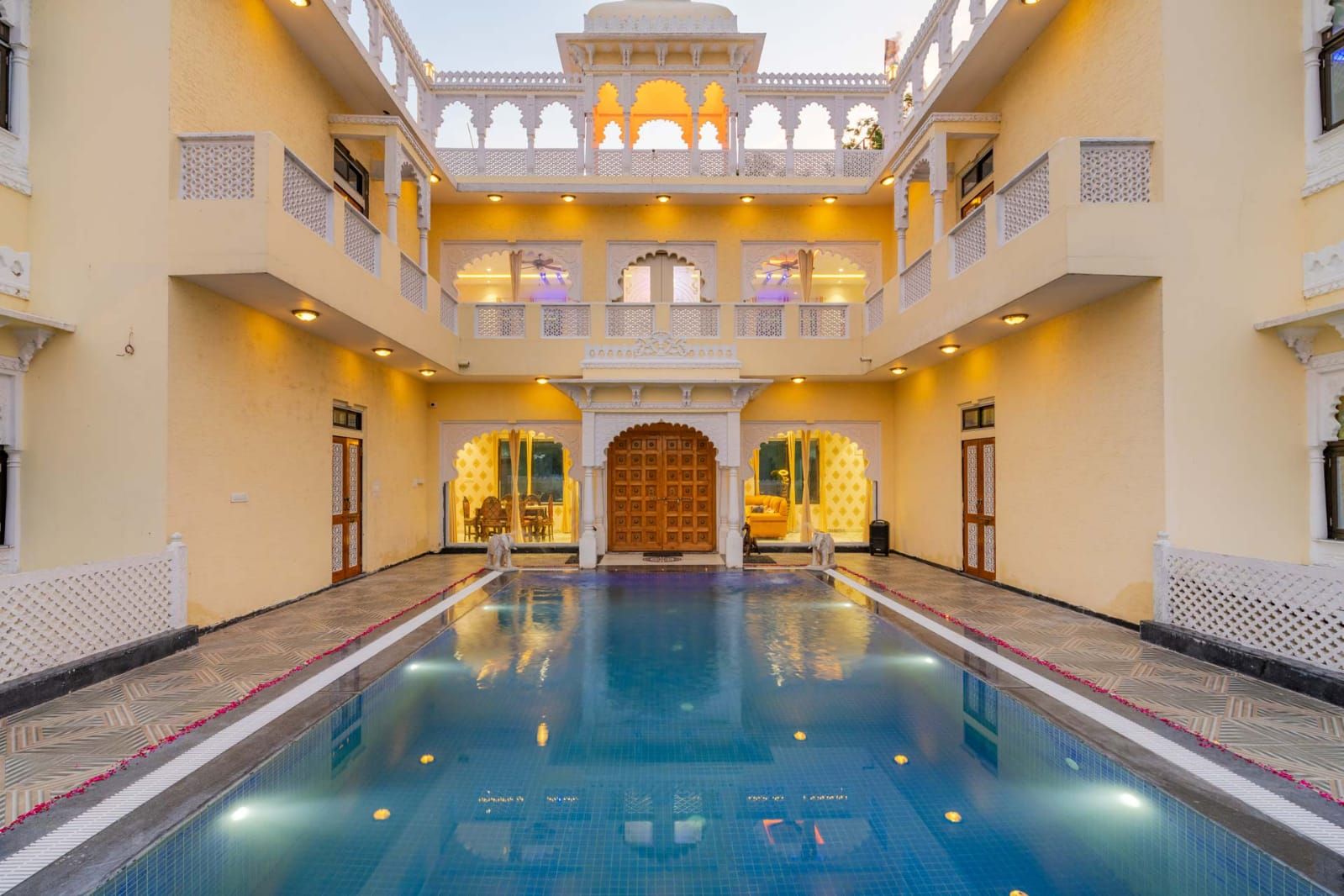
Stays near Ghewar Mata Temple
Book a place to stay close by
More places near Ghewar Mata Temple
Within 20 km
Built from 0 Instagram posts by 0 creators. Every tip links back to the post it came from, and where creators disagree we show both sides.






