
Ghoom
Destination in West Bengal
Ghoom is a high-altitude settlement in the Darjeeling district of West Bengal, widely known for hosting the highest railway station on the historic Darjeeling Himalayan Railway network. Surrounded by pine forests and tea garden slopes, it sits at an elevation of over 2,200 metres along the main hill ridge. Travellers visit Ghoom to explore its mountain railway heritage, visit centuries-old Buddhist monasteries, and enjoy views of the Eastern Himalayas.
Getting there
By train, bus or air
- PC Mittal Bus TerminusNearest bus stand1 hr 30 min · 61 km
- Bagdogra International AirportNearest airport1 hr 35 min · 69 km
Typical drive times without traffic. Places, distances and typical drive times from OLA Maps; notes from creators' Reels.
Itinerary for Ghoom and Darjeeling
A practical exploration centered around Ghoom railway heritage, mountain viewpoints, historic tea spots, and Buddhist temples across the Darjeeling hills.
1-Day Ghoom & Surrounds Highlights
Best for travellers wanting to see the iconic sights around Ghoom in a single day
Day 1
Ghoom Heritage, Sunrise & Panoramic Views
early_morning
Tiger Hill, DarjeelingAbout 1 hr 30 min
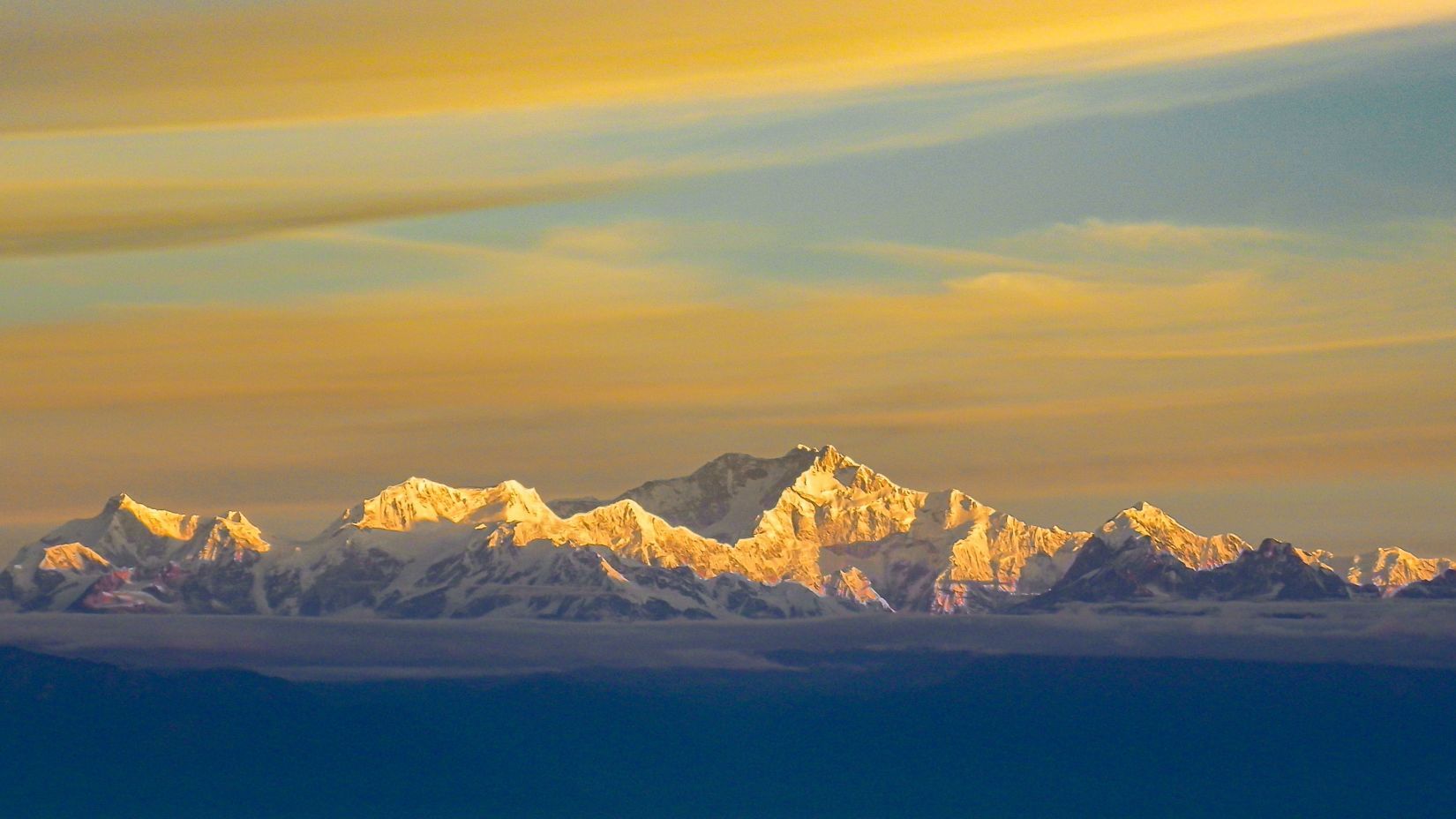
Watch the sunrise over Mount Kanchenjunga.
morning
Ghum Railway MuseumAbout 45 min · 4.2 km from the last stop
Explore vintage railway artifacts and original Toy Train steam engines inside India's highest railway station.
morning
Batasia Loop DarjeelingAbout 1 hr · 1.2 km from the last stop
Observe panoramic Himalayan views and visit the war memorial in the center of the loop.
afternoon
Darjeeling Himalayan RailwayAbout 2 hr · 2.2 km from the last stop
Ride the heritage toy train along the scenic mountain route.
evening
Peace Pagoda, DarjeelingAbout 1 hr · 2.8 km from the last stop
Explore the Buddhist stupa and Japanese temple site.
- Padmaja Naidu Himalayan Zoological Park is closed on Thursdays, and ticket sales end at 4:00 pm.
- Entry tickets to the zoological park cost ₹60 per person for visitors from SAARC countries.
- Tiger Hill is best reached in the early morning before dawn to catch the sunrise across Mount Kanchenjunga.
Visit lengths are suggestions; distances are straight-line between stops.
About Ghoom
Written with AI from map data and general knowledge. Check prices and timings locally before you go.
An introduction to Ghoom
Resting at an altitude of over 2,200 metres, Ghoom is one of the most prominent mountain junctions in the Darjeeling hills. Long known to travellers as a transit hub connecting the plains of North Bengal with the high ridges of the Eastern Himalayas, it possesses a distinct microclimate marked by rolling mists, crisp mountain air, and tall stands of coniferous trees. Unlike the busier commercial core of nearby Darjeeling, Ghoom maintains a quieter, unhurried pace that appeals to visitors looking for mountain heritage, forest walks, and traditional village life.
The town is globally recognised for having the highest railway station on the UNESCO World Heritage-listed Darjeeling Himalayan Railway route. Beyond the narrow-gauge tracks, Ghoom is deeply tied to regional Buddhist culture, with prayer flags strung across rooftops and historic gompas set into hillside groves. It serves as both a worthwhile destination in its own right and an accessible base from which to explore the wider hill district.
Things to see and do in Ghoom
Much of the activity in Ghoom centres on its railway heritage. The Ghum Railway Museum, located right on the station grounds, houses archival photographs, century-old engineering instruments, and vintage railway relics that document the construction of the narrow-gauge line in the late nineteenth century. Watching the heritage steam locomotives hiss, shunt, and haul vintage carriages along the platform remains a classic Himalayan experience.
A short walk along the railway alignment leads to Batasia Loop, an engineering marvel constructed to help the train negotiate a steep altitude drop by circling around a landscaped hillock. At the centre of the loop stands a memorial dedicated to Gorkha soldiers, surrounded by flower gardens that offer views of snow peaks on clear days. Ghoom is also celebrated for its monastic heritage. The historic Yiga Choeling Monastery, established in 1850, is among the oldest Tibetan Buddhist monasteries in the region and preserves a central statue of the Maitreya Buddha alongside ancient manuscripts. Further along the road lies Samten Choling Monastery, where travellers can observe quiet monastic routines amidst towering prayer wheels.
Read more
Places to explore around Ghoom
Ghoom's central location along the ridge makes it a convenient launching point for day excursions. Just a short drive uphill is Tiger Hill, one of the most celebrated viewpoints in North Bengal. Travellers travel up before dawn to watch the morning sun strike Mount Kanchenjunga and the neighbouring Himalayan skyline, illuminating the snow peaks in shades of orange and gold.
Heading towards Darjeeling, travellers can visit the Peace Pagoda and the adjacent Japanese Buddhist Temple, nestled in a quiet cedar forest that provides a calm setting for reflection. Further down the mountain slopes lies the Rock Garden, where tiered sitting areas and pathways wind around a natural hillside waterfall. For wildlife and nature enthusiasts, the Padmaja Naidu Himalayan Zoological Park is located nearby and focuses on breeding programmes for endangered alpine species such as the red panda and snow leopard. Travellers seeking quiet nature trails can also head toward Lamahatta, known for its terraced gardens and tall canopy of pine trees overlooking the river valleys below.
Best time to visit Ghoom
The atmosphere in Ghoom changes considerably with the seasons, making timing an important consideration for travellers. Autumn, spanning October and November, is widely regarded as the most pleasant time to visit. After the monsoon rains withdraw, the air clears, providing comfortable daytime temperatures and sharp, unobstructed views of Mount Kanchenjunga across open skies.
Spring, running from March through May, is another popular season. Hill slopes burst into colour with blooming rhododendrons and magnolias, and daytime weather is mild and comfortable for walking. Winter, from December through February, brings cold temperatures that often dip close to freezing, along with heavy morning frosts and persistent valley fog. The monsoon season from June to September brings heavy, continuous downpours to the region. While the landscape turns lush and green, rain and mist regularly conceal mountain vistas, and road travel can occasionally be delayed by hill slides.
How to reach Ghoom
Ghoom is well connected by road and rail to transit hubs in the plains of West Bengal. The closest airport is Bagdogra Airport, and the nearest major broad-gauge railhead is New Jalpaiguri Junction, both situated near Siliguri. From either hub, shared jeeps and private taxis make the winding uphill journey along the Hill Cart Road or via the Rohini route, passing through Kurseong before arriving at Ghoom.
For a traditional journey, visitors can take the narrow-gauge Darjeeling Himalayan Railway toy train up from the plains or board one of the frequent joy ride services operating between Darjeeling and Ghoom. The joy ride allows passengers to experience the historic steam route, passing Batasia Loop and stopping at the high-altitude station museum. Regular local shared taxis run constantly between Ghoom and central Darjeeling throughout the day, making transit between the two settlements easy and frequent.
Where to stay in and around Ghoom
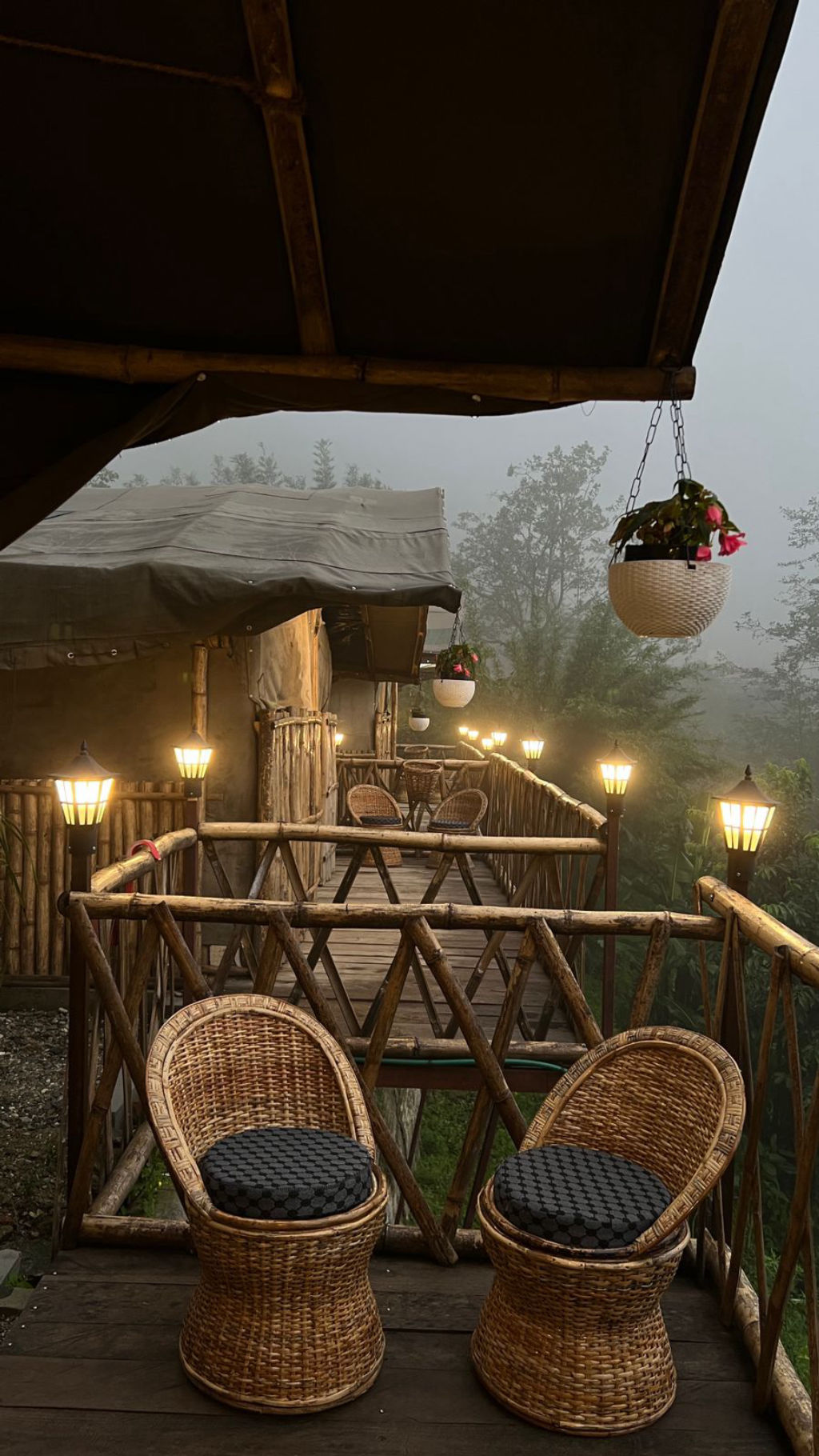
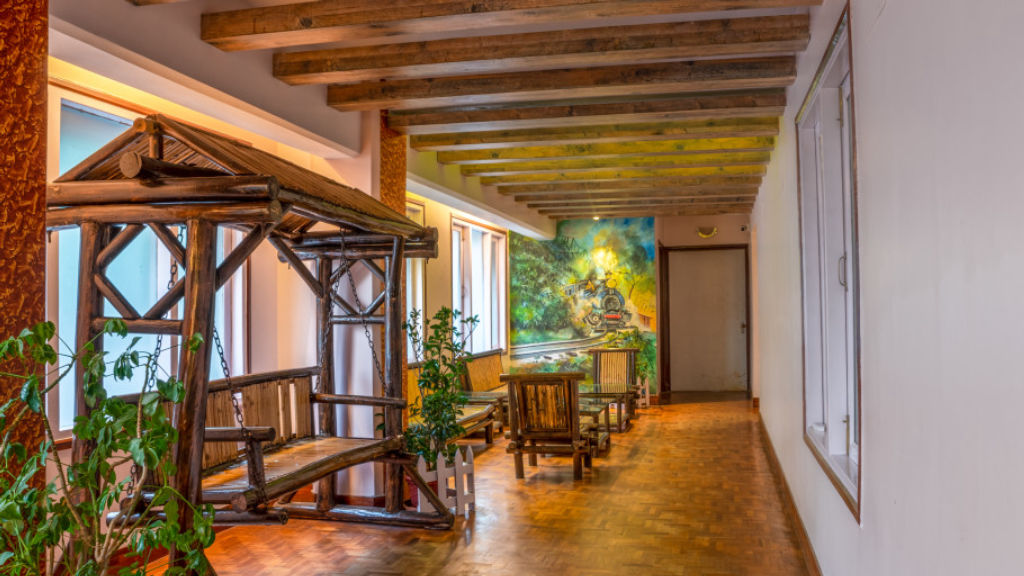
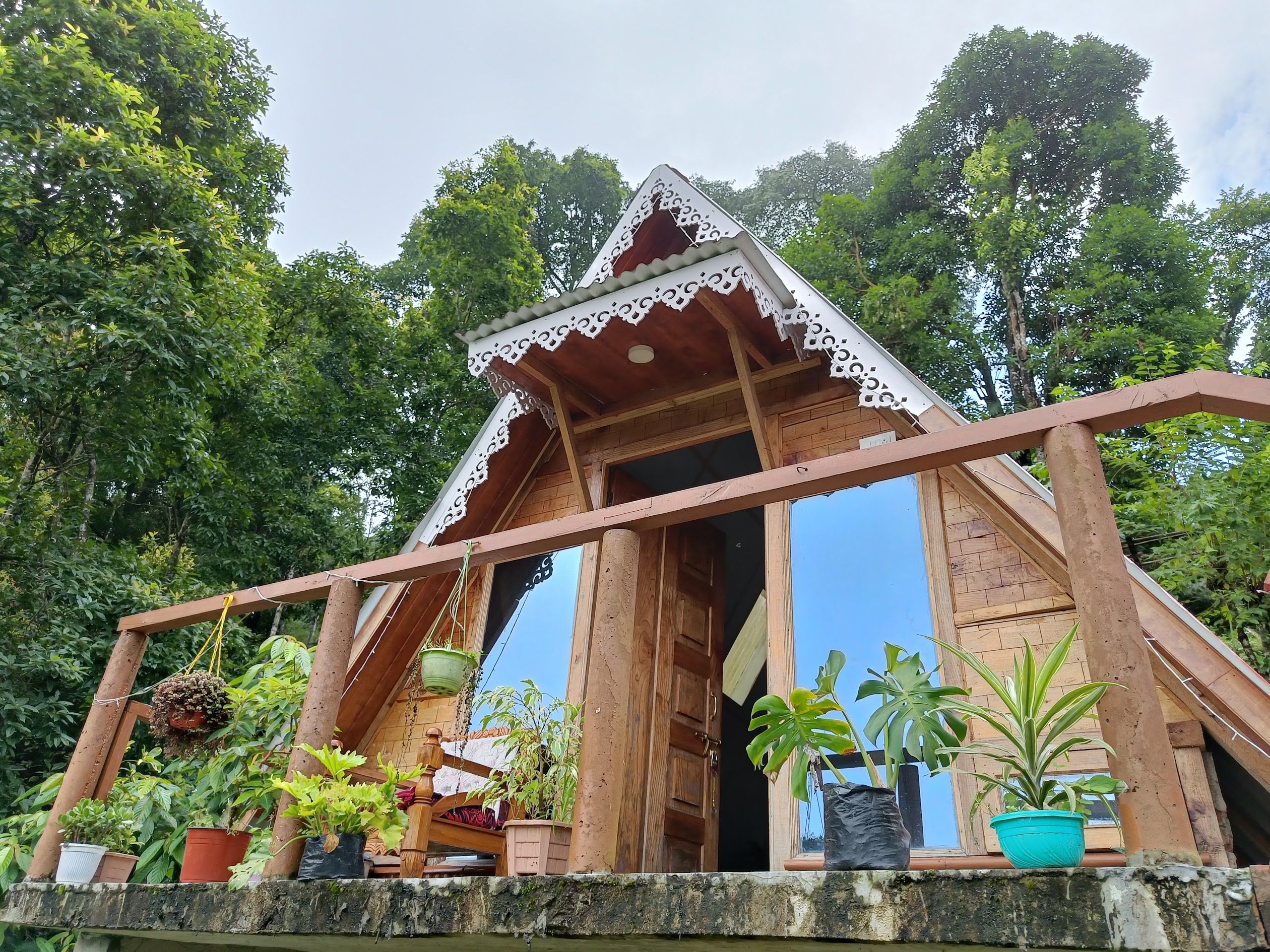
Choosing to stay in Ghoom allows travellers to experience the quiet charm of the Darjeeling hills without the constant foot traffic of the main town centre. The ridge lines and forest pockets around the area are home to family-run homestays, traditional cottages, and quiet hill lodgings where guests can enjoy home-cooked regional meals and peaceful mountain mornings.
Whether you are searching for a serene homestay tucked among tea gardens, a simple countryside room near the railway loop, or outdoor camps in the nearby valleys, you can explore and book verified accommodations across Ghoom and the Darjeeling region on HireACamp.
Frequently asked questions
Why is Ghoom famous?
Ghoom is famous for having the highest railway station on the UNESCO-listed Darjeeling Himalayan Railway, situated at an altitude of over 2,200 metres, as well as for historic Tibetan monasteries like Yiga Choeling.
How far is Ghoom from Darjeeling town?
Ghoom is located roughly six kilometres south of central Darjeeling, and the drive between the two points typically takes fifteen to twenty-five minutes depending on road conditions.
Can I take the toy train between Darjeeling and Ghoom?
Yes, regular heritage toy train joy rides run between Darjeeling and Ghoom, usually including a halt at Batasia Loop and time to visit the Ghum Railway Museum.
Does it snow in Ghoom?
Snowfall is rare but can occasionally occur during the coldest winter weeks of January or early February, though dense fog and freezing frost are much more common.
What clothes should I pack for Ghoom?
Because of its high elevation, Ghoom remains cool throughout the year. Bring warm layers and a light jacket for summer, and heavy woollens, thermal wear, and windproof coats for autumn and winter.
Where you'll be
5 stays nearby shown with prices
Stays near Ghoom
Book a place to stay close by

Things to do in Ghoom
40 places creators recommend within 30 km


Lists for this area
Ranked by how many creators recommend each place


Built from 0 Instagram posts by 0 creators. Every tip links back to the post it came from, and where creators disagree we show both sides.






