
Ghoom Monastery
Monastery near Ghoom, West Bengal
400 m from Ghoom
The nearest town, for stays, food and fuel.
Ghoom Monastery, historically known as Yiga Choeling Monastery, is one of the oldest and most revered Tibetan Buddhist establishments in the Darjeeling hills of West Bengal. Established in 1850, it sits at a high mountain elevation surrounded by pines and frequent drifting mist. Travellers and pilgrims visit to admire its monumental clay statue of Maitreya Buddha, study antique Buddhist scriptures, and experience the contemplative stillness of Himalayan monastic life.
Getting there
By road
- From GhoomNearest town1 min · 400 m
Typical drive times without traffic. Stations and airports from OLA Maps; distances and typical drive times from OpenStreetMap (© OpenStreetMap contributors); notes from creators' Reels.
About Ghoom Monastery
Written with AI from map data and general knowledge. Check prices and timings locally before you go.
History and Heritage of Ghoom Monastery
Built in the mid-nineteenth century, Ghoom Monastery is among the foundational seats of the Gelugpa order, or Yellow Hat sect, in the northern hills of West Bengal. It was founded in 1850 by Lama Sherab Gyatso, a revered Mongolian monk and scholar who travelled across the Himalayas to establish a centre for Buddhist study and worship in this ridge settlement. Over the decades, the monastery developed into a vital spiritual sanctuary for the regional Buddhist community, fostering ties between Tibet, Sikkim, and the tea-growing districts of Bengal.
Unlike modern monuments, Ghoom Monastery carries the rich patina of over a century and a half of devotional life. The sanctum preserves classical murals, ceremonial drums, brass butter lamps, and sacred scrolls that survived political changes across the wider Himalayan region. Walking into the monastery grounds offers travellers an authentic look into the spiritual lineage and quiet dedication of the resident monks who continue to uphold its traditions.
Inside the Sacred Shrine Hall
The defining focal point of Ghoom Monastery is the monumental fifteen-foot statue of Maitreya Buddha, the future Buddha who, according to Buddhist belief, will appear on Earth to preach pure dharma. Rendered in clay and adorned with gilded paint and semi-precious ornaments, the statue is seated in the classic European-style posture known as Bhadrasana. Historical accounts note that the sacred clay used in creating this magnificent idol was brought directly from central Tibet, giving the shrine immense significance among followers of Tibetan Buddhism.
Surrounding the central altar are rows of low benches where resident monks gather for morning and afternoon prayers. Elaborate silk thangkas hang from the ceiling beams, depicting various bodhisattvas, wrathful guardian deities, and cosmological maps. Along the assembly hall's perimeter walls rest antique wooden shelves housing volumes of the Kangyur and Tengyur, the canonical translations of the Buddha's teachings and philosophical commentaries, wrapped in traditional brocade cloth.
Read more
Best Time to Visit Ghoom Monastery
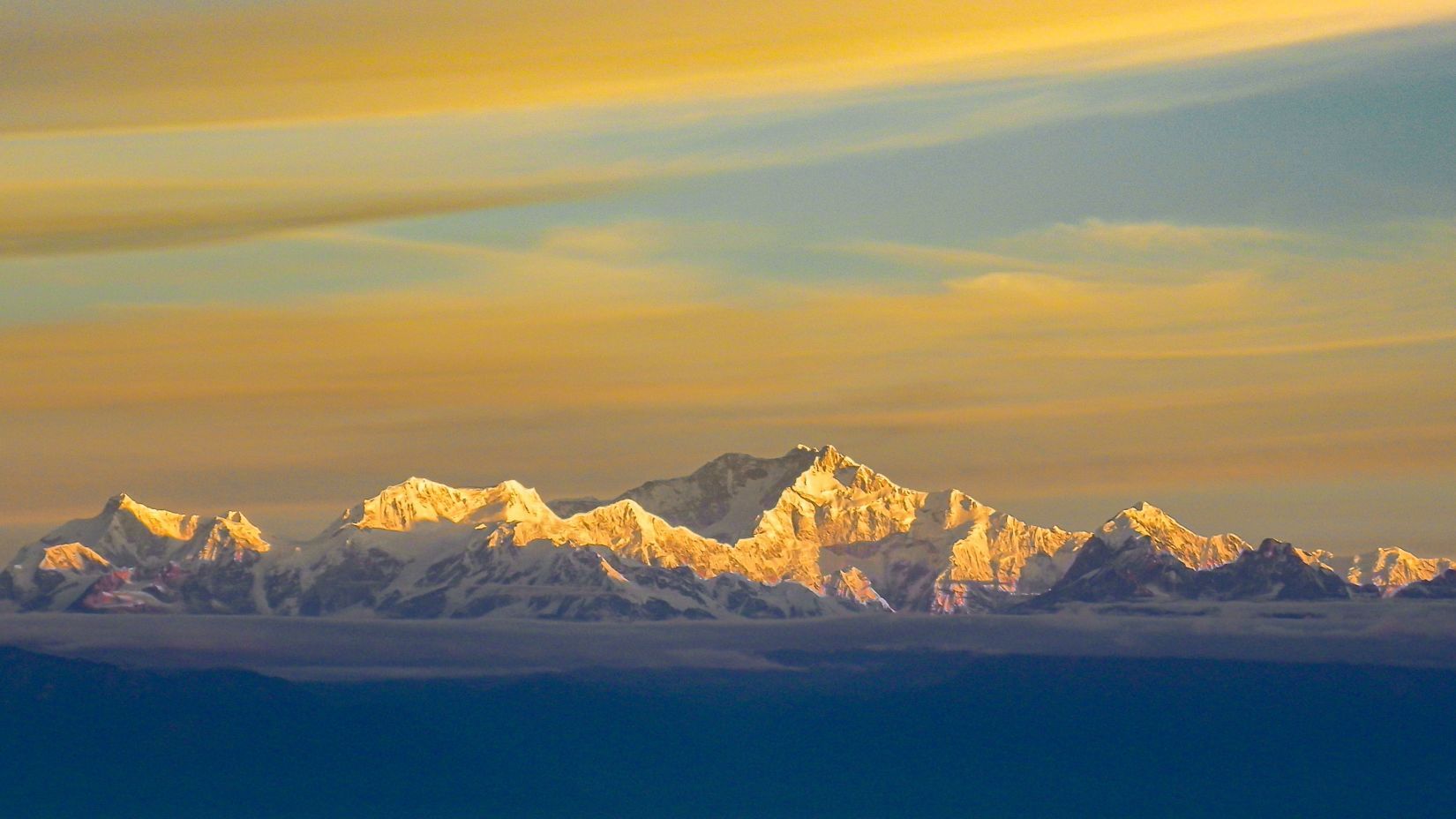
Due to its elevation in the upper hills above Darjeeling, Ghoom remains cooler than the surrounding valleys throughout the entire year. The most pleasant seasons to plan a trip are during autumn, from October to November, and during spring, from March to May. In autumn, the post-monsoon skies clear up dramatically, providing crisp mountain breezes and high visibility across the snow-covered Kanchenjunga range in the distance.
Spring brings warmer temperatures and vibrant blooms of rhododendrons, magnolias, and fresh tea foliage across the hillside slopes. While days are generally mild and sunlit, early mornings and late evenings remain brisk. Winter runs from December through February, bringing near-freezing conditions and biting alpine winds, though it also offers an atmospheric stillness and minimal tourist traffic. The monsoon period from June to September is characterised by intense downpours, occasional landslides along hill highways, and heavy cloud cover that often cloaks Ghoom in thick fog, requiring cautious travel arrangements.
How to Reach Ghoom Monastery
Ghoom Monastery is located in the settlement of Ghoom, approximately six to eight kilometres south of the Darjeeling town centre along the Hill Cart Road. For those travelling by air, the closest airport is Bagdogra Airport near Siliguri. Railway travellers typically arrive at New Jalpaiguri Railway Station. From either transit hub, private and shared taxis make the scenic uphill climb to Darjeeling or Ghoom along well-travelled highway routes, a journey that typically takes around three to four hours depending on traffic and weather conditions.
Travellers already based in Darjeeling can reach Ghoom easily by boarding local shared jeeps, hiring a town taxi, or taking the historic Darjeeling Himalayan Railway toy train to Ghoom Station, which holds the distinction of being the highest railway station in India. From the railway station or the main Ghoom crossing, the monastery is accessible via a short uphill stroll or a brief taxi ride along a quiet, paved branch road.
Tips for Your Visit to Ghoom Monastery
A visit to Ghoom Monastery is primarily a religious experience, and visitors are expected to maintain a quiet and respectful demeanor throughout the premises. Dress conservatively with shoulders and knees covered, and remove your shoes before stepping across the threshold into the main prayer hall. When moving through the sanctum, avoid pointing your feet or fingers directly toward the statues, altars, or seated monks.
Circumambulating the monastery or rotating the exterior prayer wheels should always be done in a clockwise direction, following established Tibetan Buddhist custom. While photography is generally accepted in the outer courtyards and entry areas, photography inside the shrine hall is often restricted to safeguard the sacred environment; always look for informational placards or ask permission before lifting a camera. Because mountain winds can make Ghoom unexpectedly chilly even in summer, carrying a warm layer or light fleece is always recommended.
Places to Explore Nearby
The area surrounding Ghoom features several prominent attractions that fit neatly into a day's itinerary. Just about one kilometre from the monastery is the iconic Batasia Loop, where the toy train makes an ingenious loop around a landscaped garden and war memorial, offering sweeping views of the Himalayan range. Also situated within a kilometre is the Ghum Railway Museum, which displays heritage locomotives, historic equipment, and photographs recounting the origins of the mountain railway.
Many travellers visit Ghoom on their return from Tiger Hill, located approximately five kilometres away, famous for early-morning sunrise views over the Kanchenjunga massif. Toward Darjeeling, roughly two kilometres away, sit the Peace Pagoda and the Japanese Buddhist Temple, both nested in tranquil cedar and pine groves. Continuing into Darjeeling town brings you to historic bakeries, lively mountain bazaars, and attractions such as the Padmaja Naidu Himalayan Zoological Park and the Himalayan Mountaineering Institute.
Where to Stay Near Ghoom Monastery
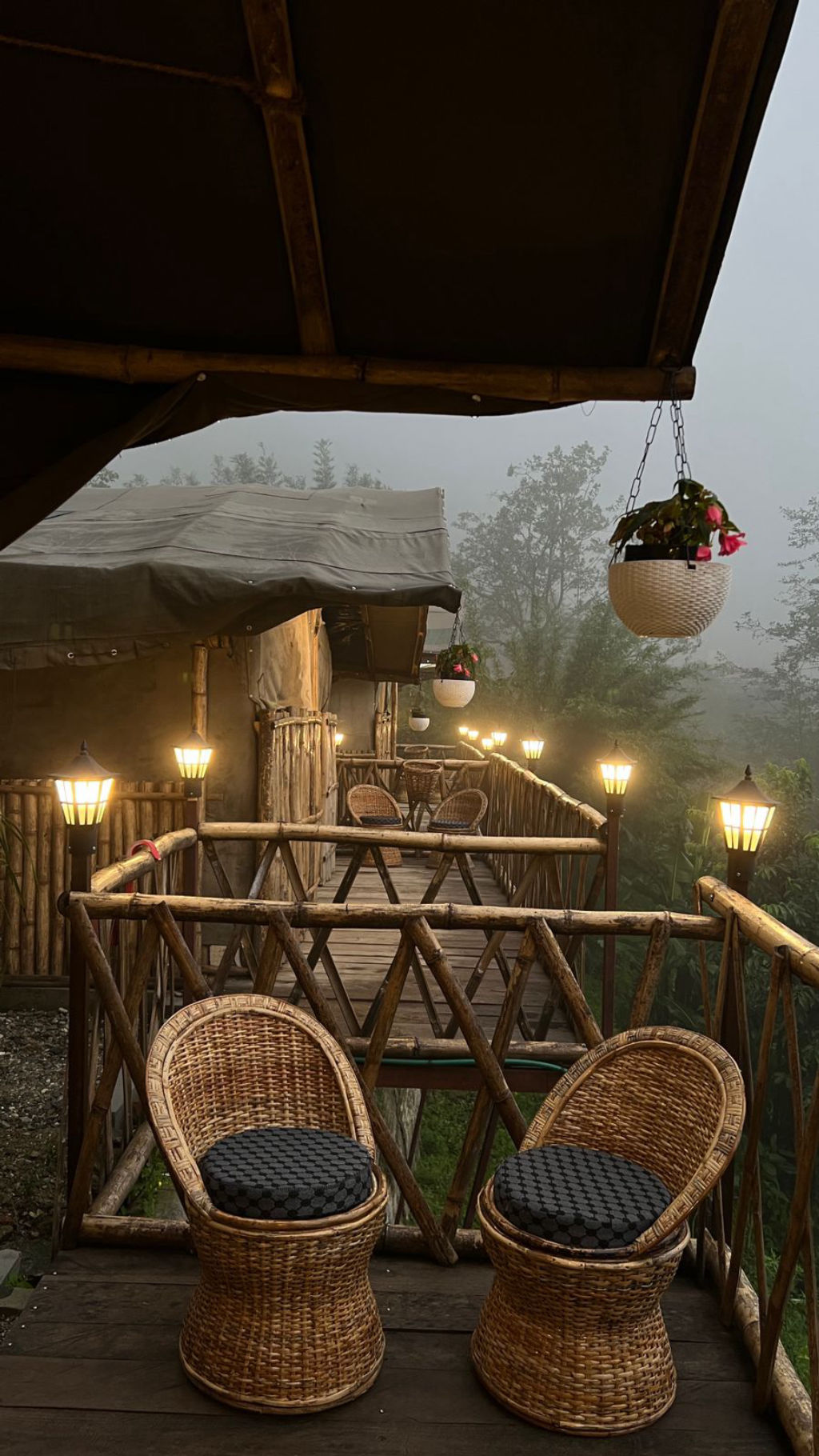
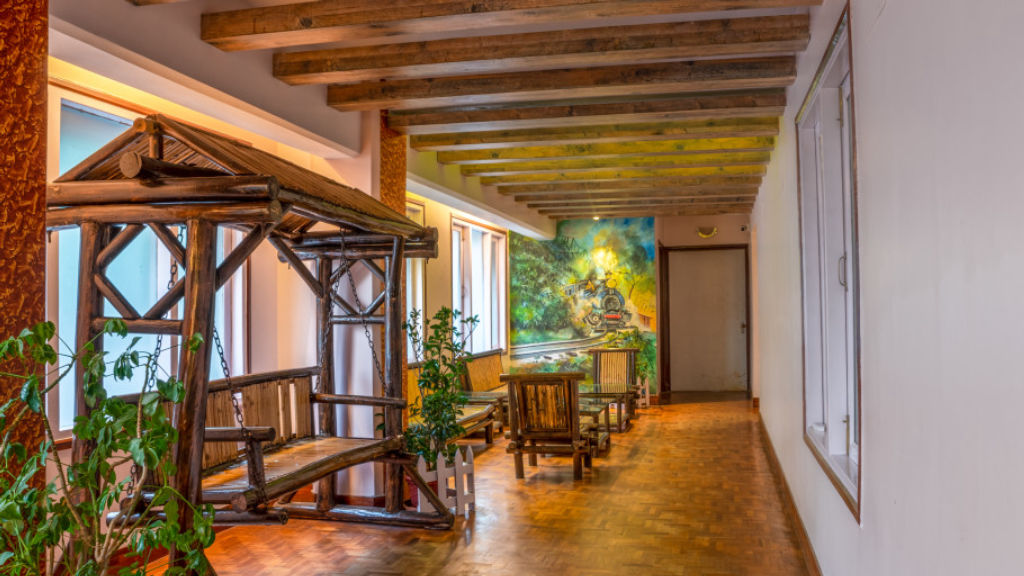
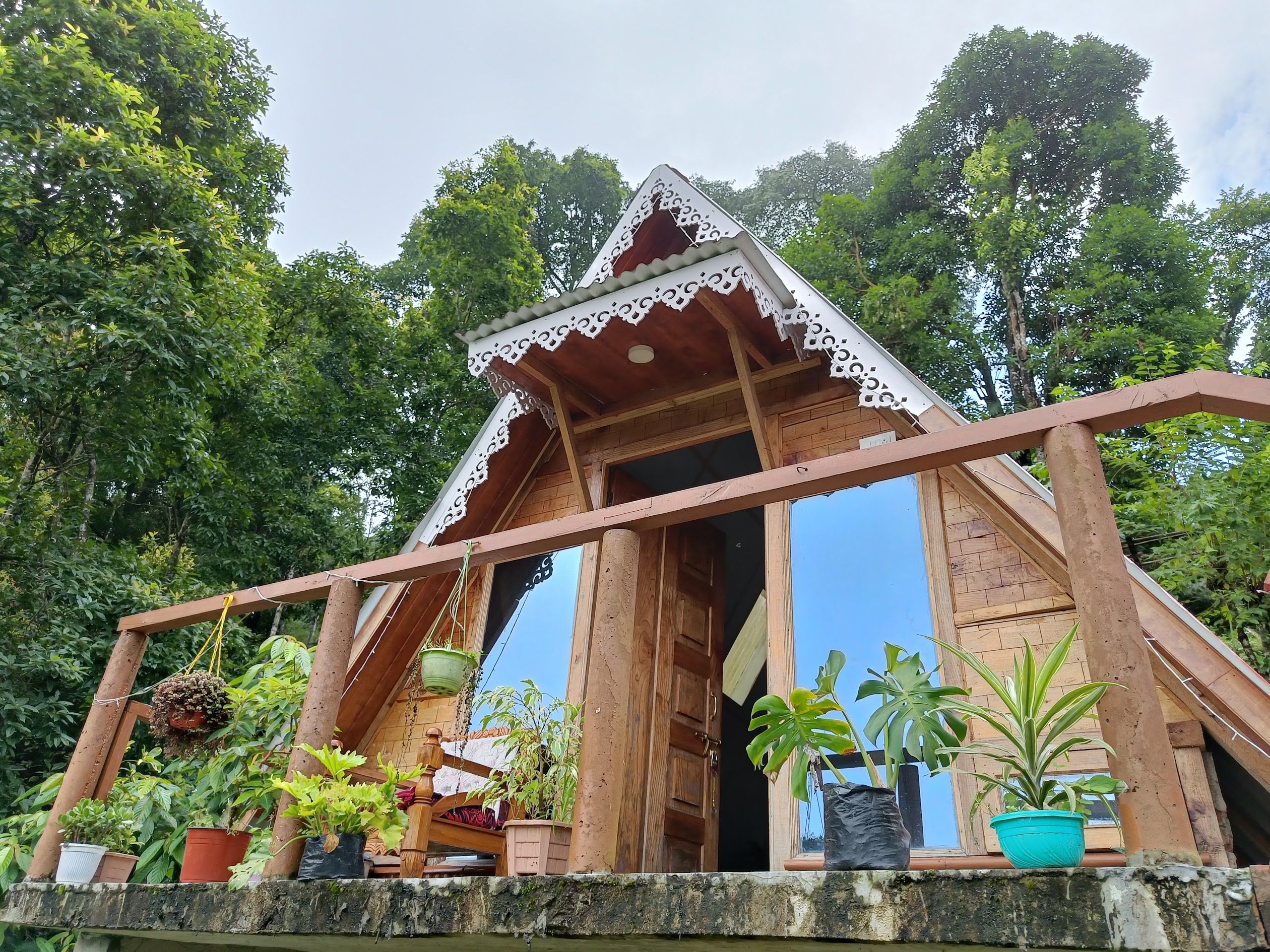
Choosing to stay near Ghoom provides a peaceful alternative to the busier streets of central Darjeeling. The hills around Ghoom and its adjoining villages feature serene family-run homestays, mountaintop cottages, and quiet hillside retreats where guests can enjoy regional hospitality, home-cooked local meals, and sweeping views of mist-filled valleys.
Whether you are looking for a secluded forest homestay, an eco-friendly cottage, or outdoor hillside camping in the Darjeeling region, suitable options can be discovered on HireACamp. Staying nearby allows you to beat the morning traffic, enjoy early walks along serene mountain ridges, and take in the spiritual atmosphere of the local monasteries at a relaxed pace.
Frequently asked questions
What is the history behind Ghoom Monastery?
Ghoom Monastery, also known as Yiga Choeling, was established in 1850 by the Mongolian monk Lama Sherab Gyatso. It is one of the earliest Gelugpa Tibetan Buddhist monasteries built in the Darjeeling hills.
How far is Ghoom Monastery from Darjeeling town?
The monastery is situated about six to eight kilometres south of central Darjeeling, which takes roughly twenty to thirty minutes to reach by car or shared taxi depending on traffic.
Are there entry fees or fixed opening hours at Ghoom Monastery?
Access rules, prayer schedules, and any small camera charges or maintenance donations can change seasonally, so visitors should verify current timings and guidelines locally upon arrival.
Is photography permitted inside Ghoom Monastery?
Photography is usually permitted in the exterior courtyards, but taking pictures inside the sanctum is often restricted out of respect for prayer rituals. Always ask the resident monks or look for signs before photographing indoors.
What should I wear when visiting Ghoom Monastery?
Visitors should wear modest clothing that covers their shoulders and legs. Because Ghoom sits at a high altitude and tends to be chilly, bringing a warm jacket or shawl is advisable throughout the year.
Where you'll be
toong soong, Darjeeling, WB · 5 stays nearby shown with prices
Stays near Ghoom Monastery
Book a place to stay close by
More places near Ghoom Monastery
Within 20 km


Lists for this area
Ranked by how many creators recommend each place


Built from 0 Instagram posts by 0 creators. Every tip links back to the post it came from, and where creators disagree we show both sides.






