
Goa
Destination in Goa
Goa is a coastal state on India's southwestern shore, framed by the Arabian Sea to the west and the biodiverse Western Ghats to the east. Renowned for its blend of Portuguese colonial heritage and coastal Indian culture, it draws travellers looking for relaxed beaches, historic architecture, and lush tropical scenery. Visitors explore everything from bustling seaside markets and coastal forts to serene hinterland villages and river estuaries.
Getting there
By road
- From Pune9 hr 45 min · 454 km
Typical drive times without traffic. Stations and airports from OLA Maps; distances and typical drive times from OpenStreetMap (© OpenStreetMap contributors); notes from creators' Reels.
About Goa
Written with AI from map data and general knowledge. Check prices and timings locally before you go.
Understanding Goa: Coastline, Culture, and Heritage
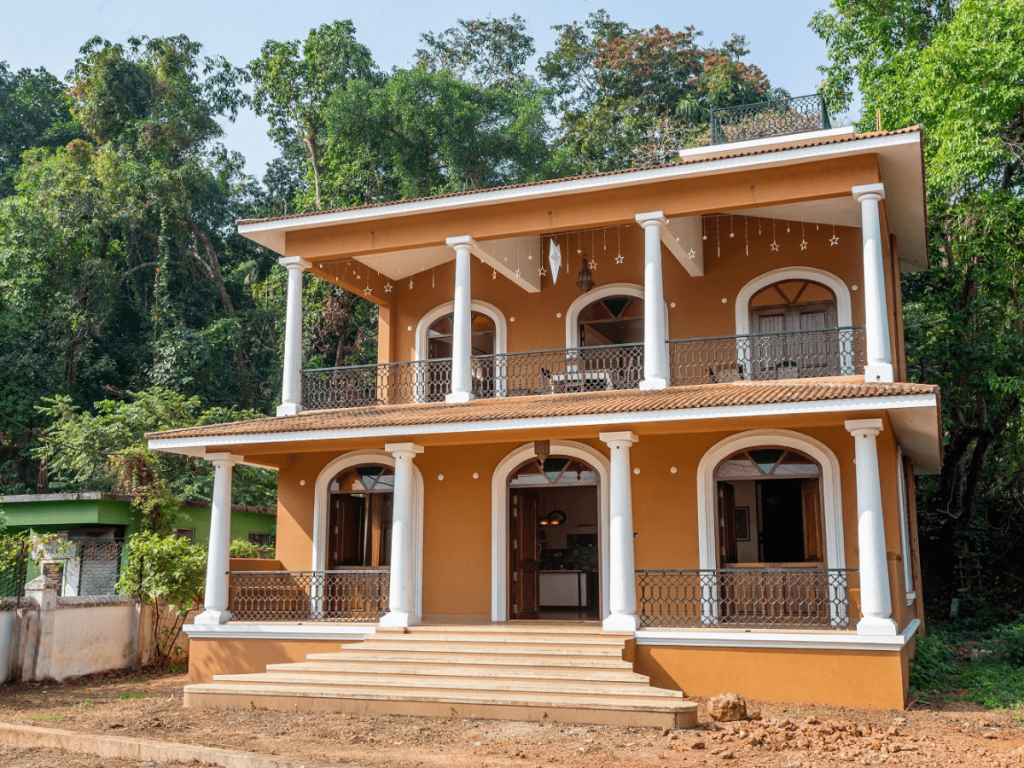
Goa occupies a distinct cultural and geographic space along the Konkan coast. Governed by Portugal for more than four centuries before joining the Indian Union in 1961, the state reflects a distinctive fusion of Iberian and Indian traditions. This legacy is preserved in its whitewashed baroque churches, tile-roofed Indo-Portuguese mansions, local culinary traditions, and village architecture.
The state is naturally divided into North and South Goa, each with a different character. North Goa is generally more developed, known for its lively coastal stretches, historic fortifications, and vibrant weekly flea markets. South Goa offers a markedly slower pace, characterised by wider sandy shores, coconut groves, and preserved historic towns. Throughout both regions, the landscape is shaped by the tidal paths of the Mandovi and Zuari rivers, which sustain fertile agricultural land, mangrove forests, and traditional fishing communities.
Things to do across Goa
The coastline provides a wide variety of activities depending on what you are looking for. Travellers heading to the northern coastal belt around Calangute, Baga, and Anjuna find bustling markets, beach shacks, and active water sport hubs offering jet-skiing, parasailing, and boat rides. Further north towards Morjim, Ashvem, and Arambol, the atmosphere shifts to a more laid-back rhythm where visitors spend days resting under palm trees and walking along extensive dune-backed beaches.
For history and architecture, the inland river hubs are essential. Old Goa, the former colonial capital, is home to monumental structures such as the Basilica of Bom Jesus and the Se Cathedral, which showcase grand Renaissance and Mannerist architecture. Coastal forts like Aguada, Chapora, and Cabo de Rama offer expansive panoramic viewpoints over the ocean. In South Goa, beaches such as Colva, Benaulim, and Palolem provide wide, uninterrupted stretches of sand ideal for swimming, dolphin-watching boat trips, and sunset walks along crescent bays.
Read more
Hinterlands and Nature Getaways around Goa
Beyond the sandy coastline lies Goa's interior, where the land rises sharply towards the forested ridges of the Western Ghats. This belt contains some of the state's richest natural habitats. Dudhsagar Falls, located on the Mandovi River along the eastern border with Karnataka, is a towering four-tiered waterfall that cascades down sheer rock faces surrounded by dense deciduous jungle.
Protected areas like the Bhagwan Mahavir Wildlife Sanctuary, Mollem National Park, and the Cotigao Wildlife Sanctuary in the far south protect leopards, deer, hornbills, and diverse amphibian life. Along the Chorao Island river waterways, the Salim Ali Bird Sanctuary protects extensive mangrove ecosystems best navigated by flat-bottomed boats, where kingfishers, egrets, and mudskippers are commonly sighted. Inland tours through traditional spice plantations in Ponda offer insight into how pepper, cardamom, vanilla, and betel nut are cultivated using organic farming methods.
Best time to visit Goa
The winter season between November and February is the most popular time to visit Goa. During these months, the weather is consistently dry and sunny, with daytime temperatures averaging around thirty degrees Celsius and pleasant, breezy evenings. Sea conditions are calm, making this the best period for water sports, outdoor sightseeing, and open-air beach dining.
From March to May, temperatures and humidity rise significantly as summer sets in, making mid-day sightseeing warmer and demanding lighter itineraries. The southwest monsoon arrives in early June and continues through late September, bringing heavy, frequent rainfall. While beach activities cease and the sea becomes rough, the monsoon transforms the state into a vibrant green landscape. It is an excellent season for exploring inland waterfalls, spice gardens, and quiet countryside routes, away from the coastal crowds.
How to reach Goa
Goa is well linked to the rest of India by air, rail, and road. The state is served by two international airports: Dabolim Airport in central Goa, and Manohar International Airport at Mopa in North Goa. Both receive regular domestic flights from major hubs such as Mumbai, Bengaluru, Delhi, Hyderabad, and Chennai, along with seasonal international charters.
The Konkan Railway connects Goa with coastal Maharashtra, Karnataka, and Kerala. Major railway stations include Madgaon Junction in the south and Thivim and Karmali in the north, all of which are stops for high-speed trains originating in Mumbai and Pune. By road, National Highway 66 runs parallel to the coast, connecting Goa to Mumbai to the north and Mangalore to the south, while National Highway 748 leads east towards Belagavi and Bengaluru through the Ghat passes.
Where to stay in Goa
Choosing where to stay in Goa depends largely on the experience you want. North Goa offers properties close to busy markets, social hubs, and popular beaches, making it suitable for travellers seeking energy and convenience. South Goa suits those looking for peaceful coastal villages, quieter beaches, and expansive open scenery.
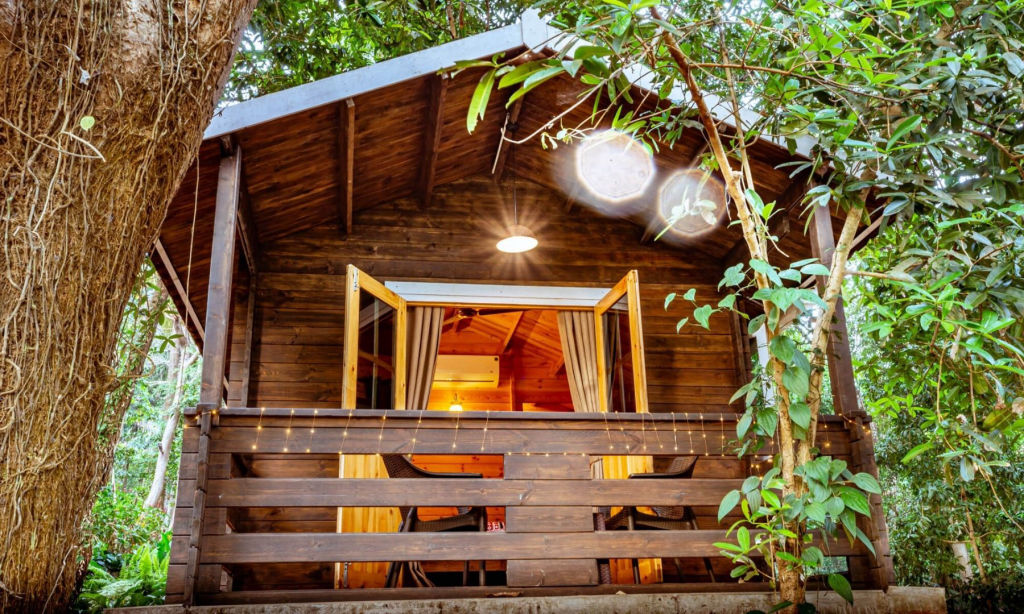
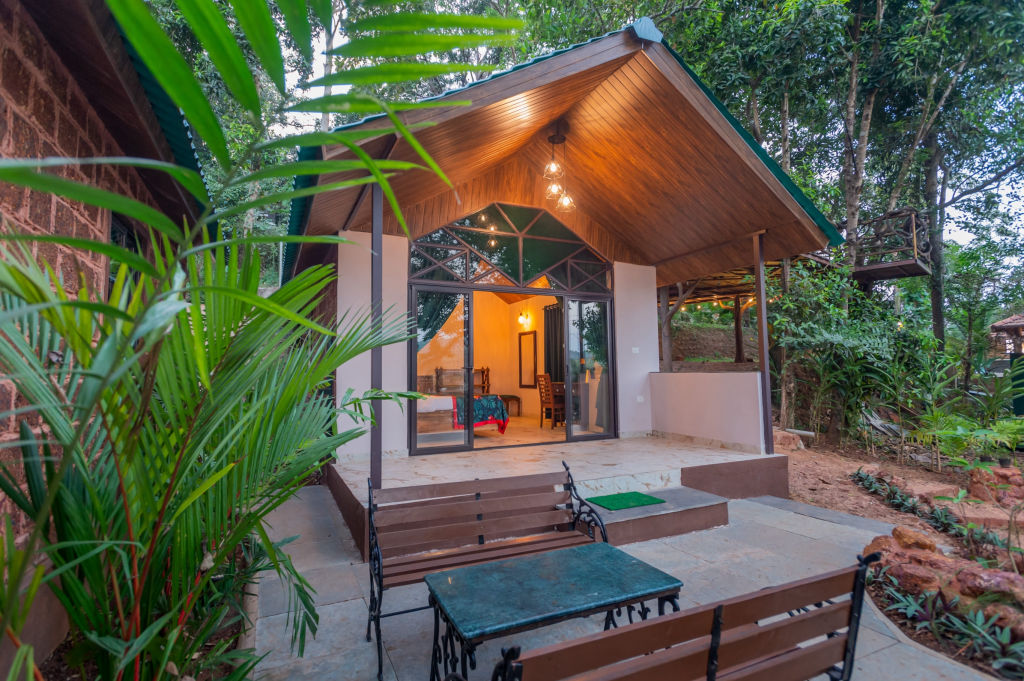
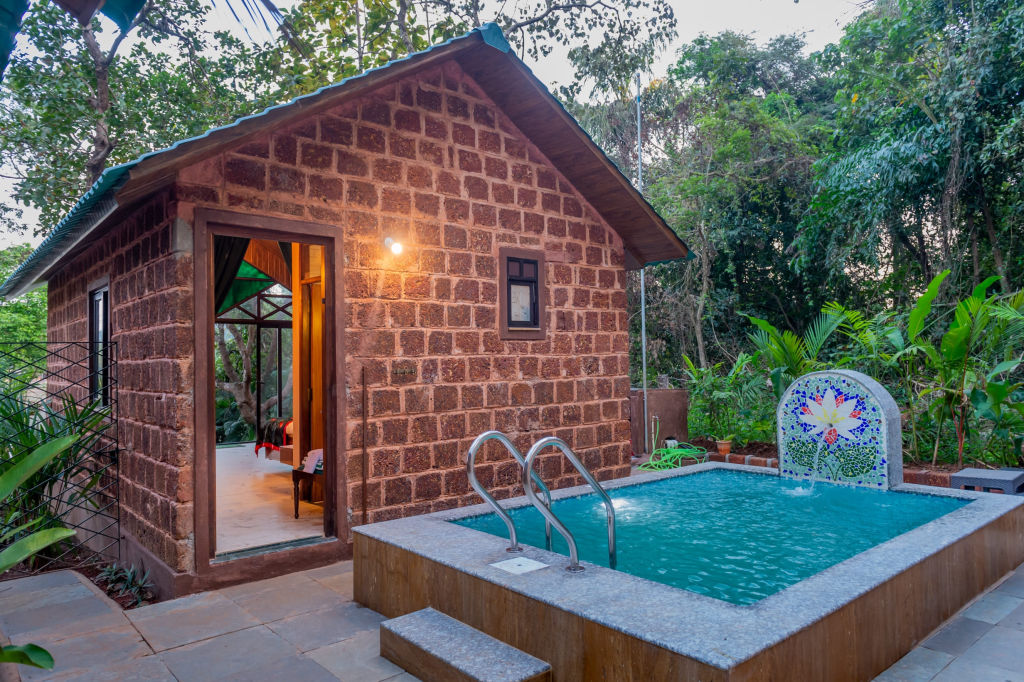
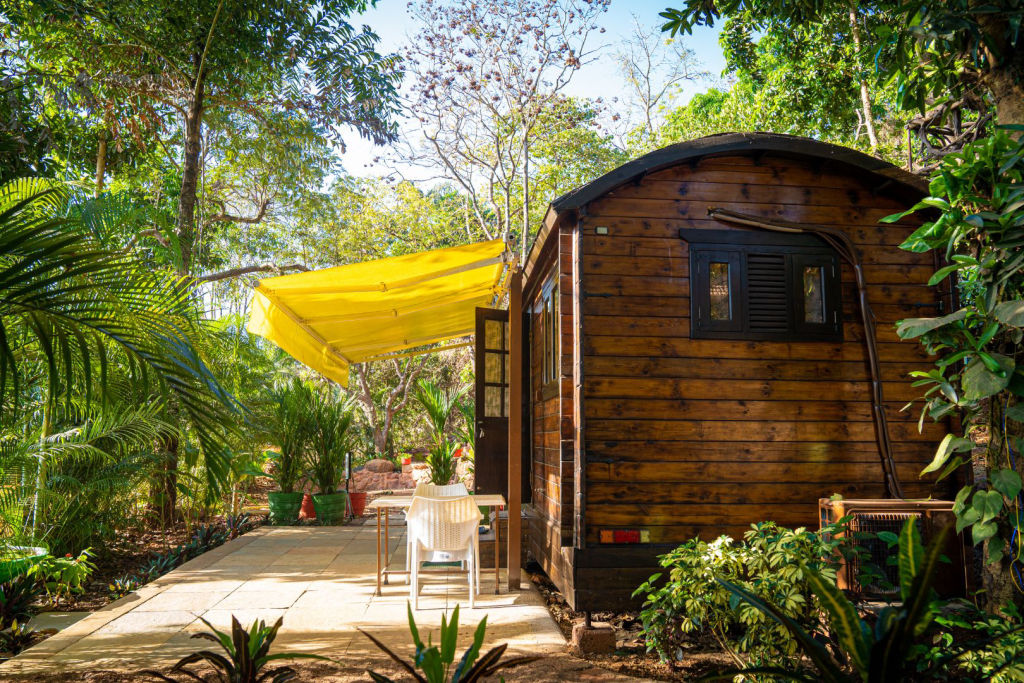
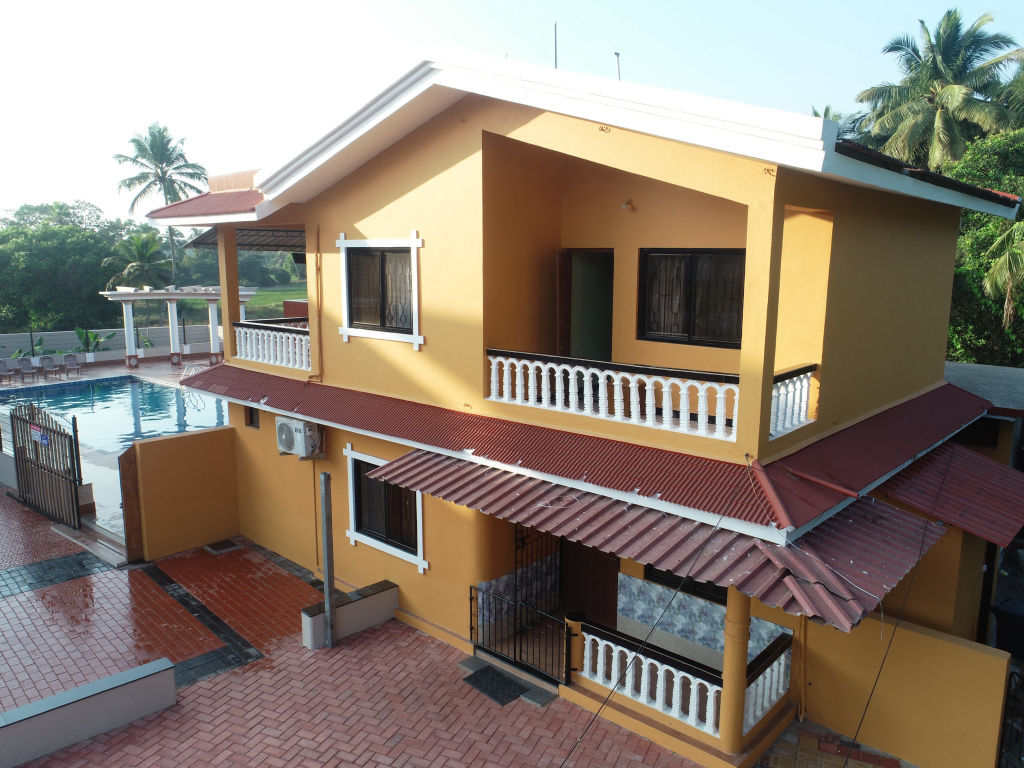
For a different perspective, the hinterlands, river islands, and foothill valleys feature peaceful homestays, riverside cottages, and eco-camps set in nature. You can explore and book a wide range of vetted homestays, nature retreats, and outdoor camps across Goa on HireACamp.
Frequently asked questions
What is the difference between North Goa and South Goa?
North Goa is generally known for its lively beaches, bustling markets, and nightlife, while South Goa is quieter, featuring wide, uncrowded beaches, sleepy villages, and heritage estates.
How do travellers get around within Goa?
Renting self-drive scooters, motorcycles, and cars is the most common way to get around independently. Taxis, auto-rickshaws, and state-run Kadamba buses are also widely available across major towns and coastal routes.
Is Goa worth visiting during the monsoon season?
Yes, visiting between June and September allows you to experience Goa's lush, green hinterlands, swollen waterfalls like Dudhsagar, and a serene atmosphere, although swimming in the sea is not permitted due to rough waters.
Which airport should I fly into for North Goa?
Manohar International Airport at Mopa is situated in the far north of the state, making it the most convenient choice for staying in North Goan destinations like Morjim, Arambol, and Vagator.
Where you'll be
7 stays nearby shown with prices
Stays near Goa
Book a place to stay close by

Things to do in Goa
48 places creators recommend within 30 km
Built from 0 Instagram posts by 0 creators. Every tip links back to the post it came from, and where creators disagree we show both sides.






