
Kurdi Mahadev Temple
Temple near Sanguem, Goa
3.6 km from Sanguem
The nearest town, for stays, food and fuel.
Kurdi Mahadev Temple is a historic stone shrine situated near Sanguem in the forested hinterlands of South Goa. Originally built during the Kadamba dynasty and later dismantled and rebuilt stone by stone to rescue it from the Salaulim Dam reservoir, the temple stands as a remarkable monument of archaeological preservation. Visitors come here to witness its ancient masonry, learn the story of the lost village of Kurdi, and enjoy the tranquil green scenery of the Western Ghats foothills.
Getting there
By road
- From SanguemNearest town24 min · 5.4 km
- From Pune10 hr 10 min · 461 km
Typical drive times without traffic. Stations and airports from OLA Maps; distances and typical drive times from OpenStreetMap (© OpenStreetMap contributors); notes from creators' Reels.
About Kurdi Mahadev Temple
Written with AI from map data and general knowledge. Check prices and timings locally before you go.
The History and Relocation of Kurdi Mahadev Temple
Kurdi Mahadev Temple has one of the most unusual backstories of any heritage monument in western India. The temple was originally constructed around the tenth or eleventh century during the rule of the Kadamba dynasty, on the banks of the Salaulim River in the thriving settlement of Kurdi. For centuries, it served as a central sacred sanctuary for local villagers, surrounded by fertile agricultural fields, groves, and dense forested tracts.
In the latter half of the twentieth century, the construction of the Salaulim Dam meant that the entire village of Kurdi would be permanently submerged beneath the reservoir waters. Rather than allowing this priceless architectural treasure to be lost forever, the Archaeological Survey of India undertook a massive and meticulous salvage operation. Between 1983 and 1984, each individual stone block of the temple was measured, numbered, documented, and carefully dismantled. The temple was then transported roughly seventeen kilometres away to higher ground near the reservoir boundary and reconstructed in its original form, preserving its sacred geometry and historic legacy.
Architecture of Kurdi Mahadev Temple
The temple exhibits classic Kadamba-era temple design with elements characteristic of western Indian medieval craftsmanship. Built primarily from dense, weathered basalt and local laterite stone, the structure consists of a simple yet evocative sanctum sanctorum, an inner hall, and an intricately proportioned superstructure that reflects the regional style of the period.
Inside the sanctum sits the sacred Shiva lingam, continuing the spiritual tradition that began centuries ago along the riverbed. The exterior walls and doorways feature carved lintels, floral motifs, and sculpted reliefs that have survived centuries of exposure to monsoon downpours and tropical sun. Unlike modern temple complexes that feature vibrant paints and ornate gilding, the understated bare stone walls of Kurdi Mahadev Temple offer an authentic glimpse into the architectural heritage of medieval Goa.
Read more
The Landscape of Sanguem and the Submerged Valley
Kurdi Mahadev Temple sits in an idyllic rural pocket of Sanguem taluka, a region defined by dense tropical foliage, winding village roads, and the emerald waters of the Salaulim reservoir. This part of Goa is far removed from the bustling coastal stretches, offering quiet trails, expansive views of the distant Sahyadri hills, and an abundance of native birdlife.
The original site of Kurdi village, which lies submerged under the reservoir for most of the year, is a point of deep emotional connection for former residents. During the peak of summer, when the water levels drop, remnants of the old settlement such as bridges, roads, and foundations temporarily emerge, creating a poignant and haunting seasonal landscape.
Best Time to Visit Kurdi Mahadev Temple
The most pleasant period to visit Kurdi Mahadev Temple is between October and March. During these post-monsoon and winter months, South Goa experiences mild, dry weather with clear blue skies, making walking around the archaeological site and exploring the nearby countryside very comfortable.
The monsoon season from June to September brings intense downpours that drench the Sanguem region in vibrant shades of green. Visiting during the rains allows you to experience the dramatic waterfalls and swollen rivers of the foothills, though paths can be slippery. May is notable because the low water levels in the reservoir reveal portions of the submerged Kurdi village, attracting travellers and locals keen to witness the annual reappearance of the lost valley.
How to Reach Kurdi Mahadev Temple
The temple is located near the town of Sanguem in South Goa, approximately thirty to thirty-five kilometres inland from the major hub of Margao. Travellers arriving by train usually disembark at Madgaon railway station and continue inward by road. If arriving by air, Goa's international airports connect to Sanguem via the state highway network.
From Margao or Sanguem town, the route takes travellers through winding lanes bordered by palm groves, quiet hamlets, and spice plantations. Public buses run periodically between Margao and Sanguem, but hiring a private vehicle, taxi, or self-driven scooter provides the easiest way to access the temple site directly, as local connecting transport can be limited.
Places to Explore Around Kurdi Mahadev Temple
A visit to the temple can easily be paired with other natural and cultural attractions in south-eastern Goa. Just a short drive away lies the Salaulim Dam, renowned for its distinctive semi-circular duckbill spillway and sprawling landscaped botanical gardens that overlook the water.
Nature lovers can head further towards the forests of Netravali to explore pristine hiking routes and refreshing cascades such as Mainapi Waterfall, located roughly eighteen kilometres away through dense forest terrain. Cultural travellers can also explore historical monasteries, ancestral Goan houses, and quiet river crossings scattered across the Sanguem and Quepem regions.
Where to Stay and Tips for Your Visit
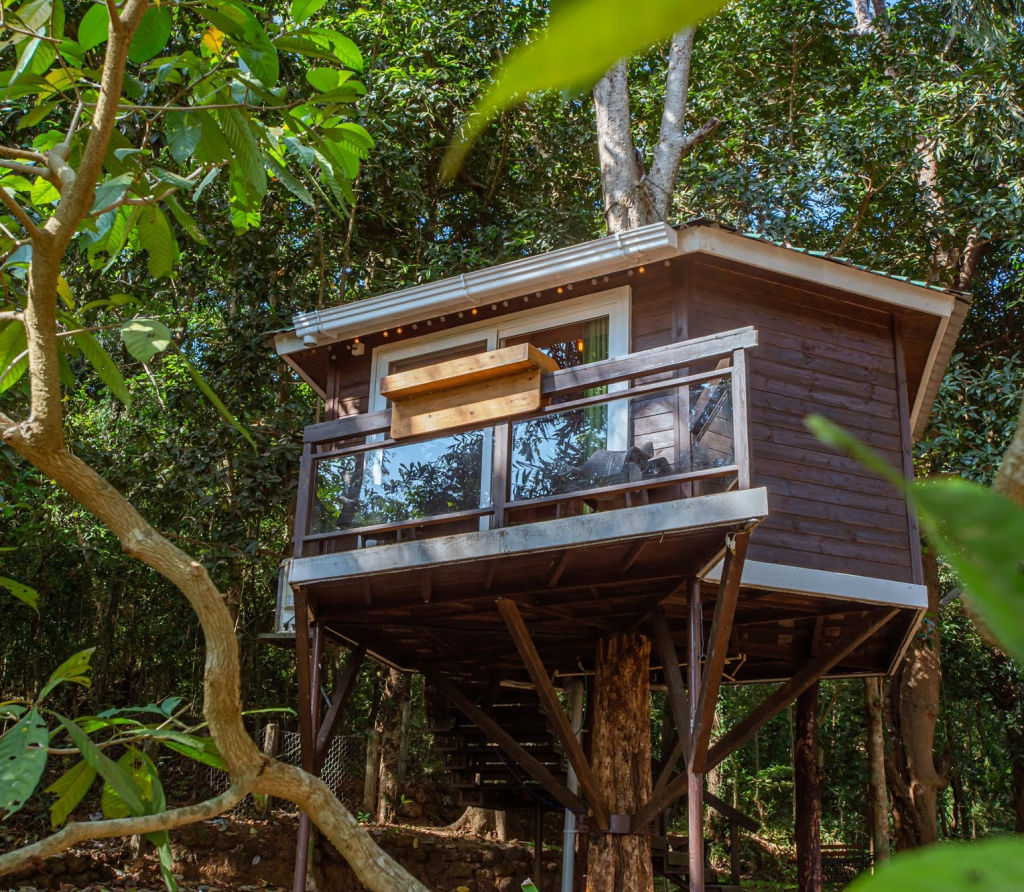
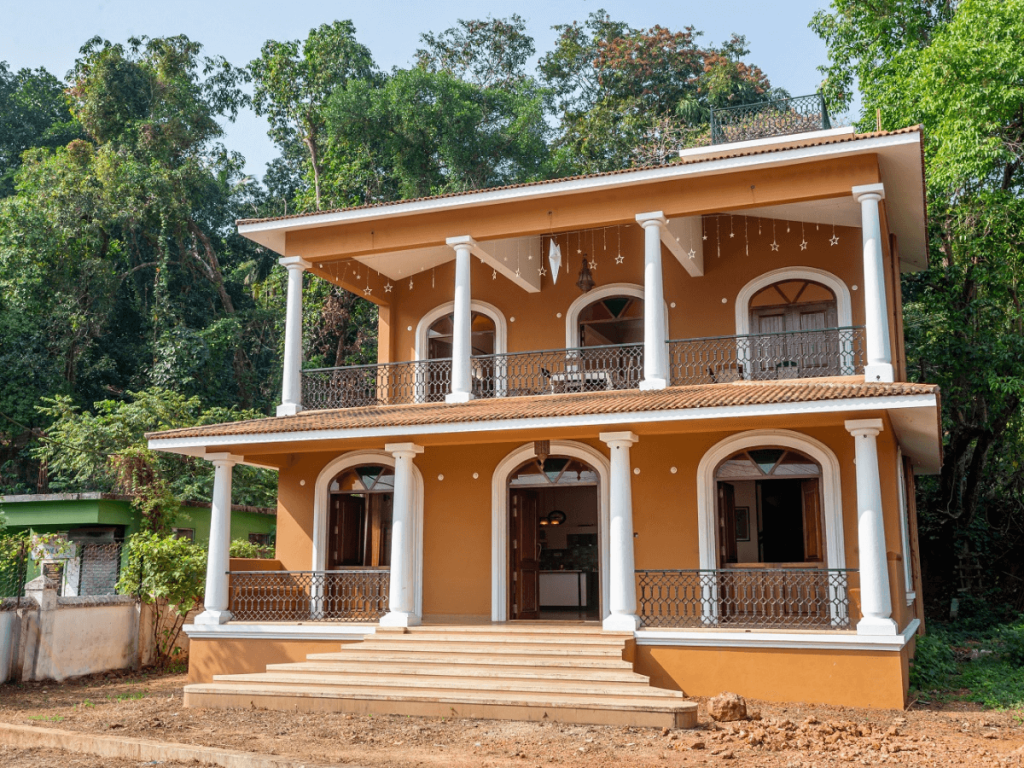
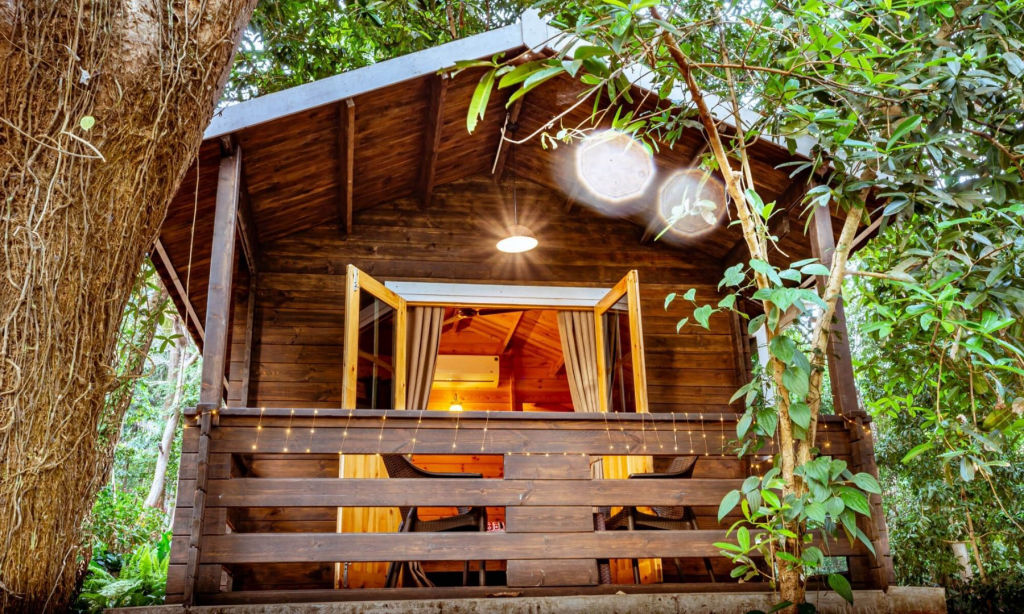
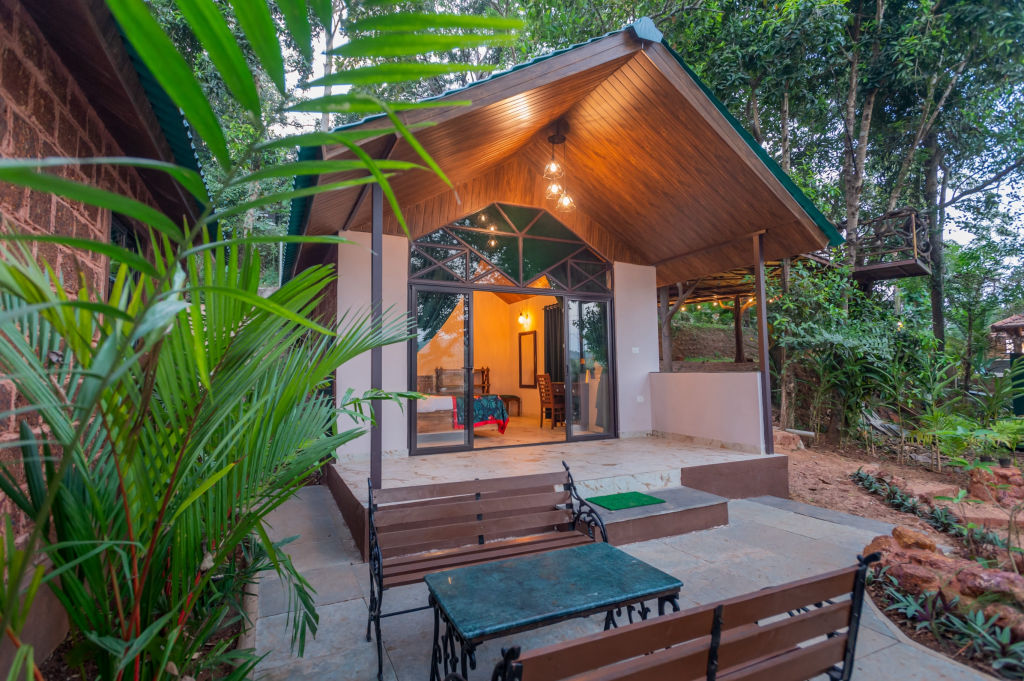
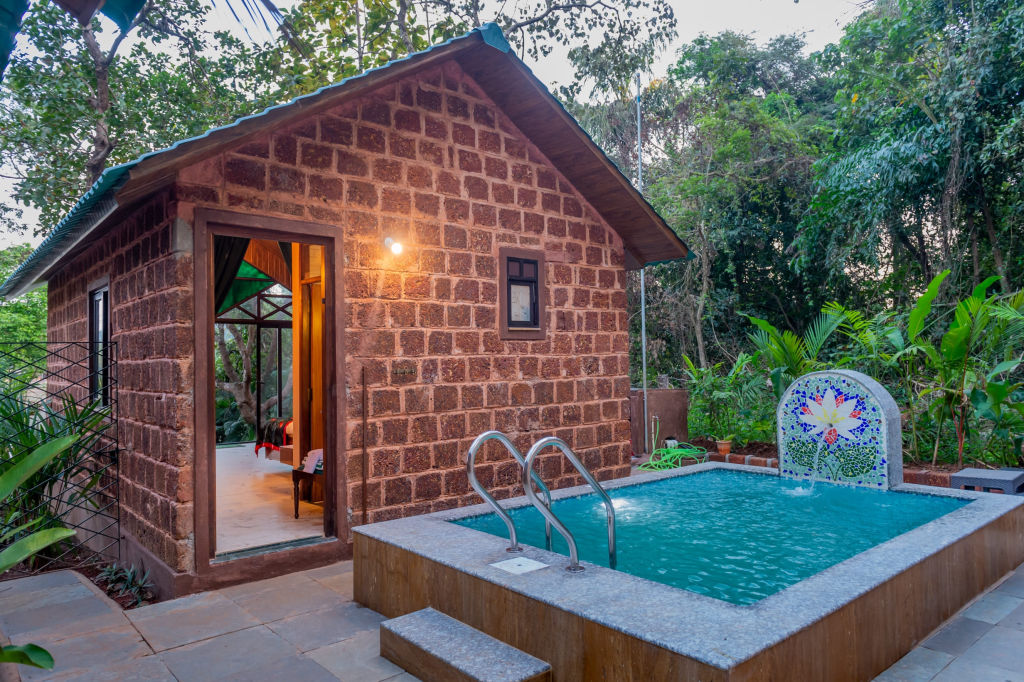
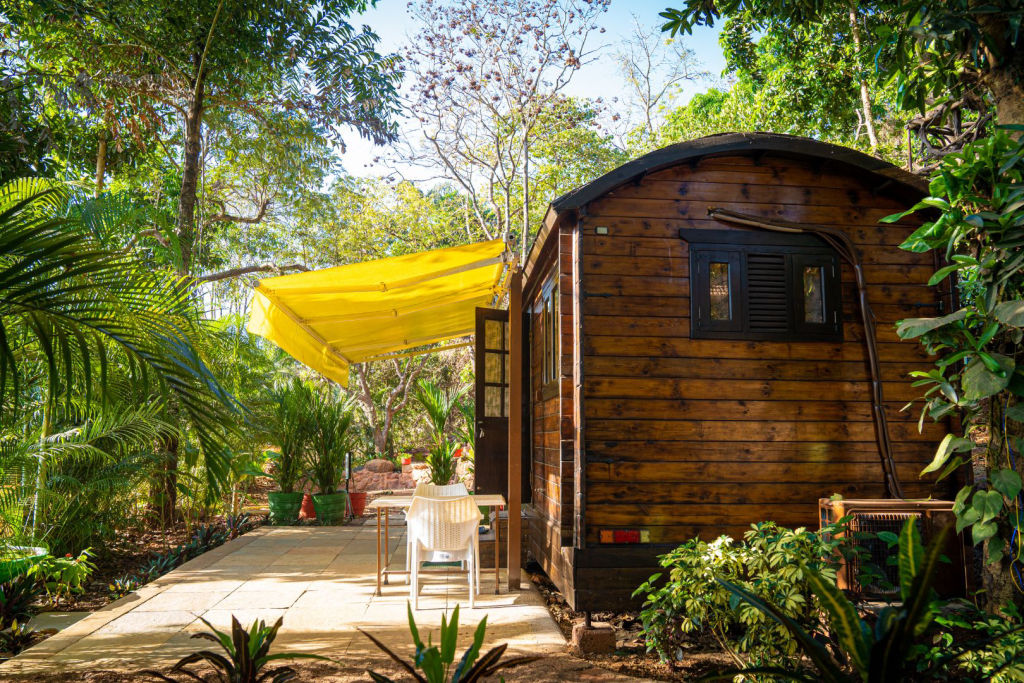
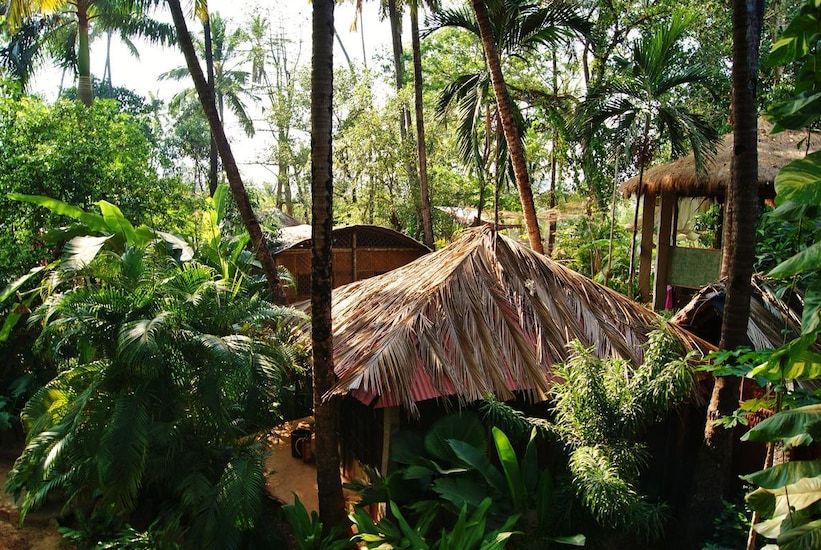
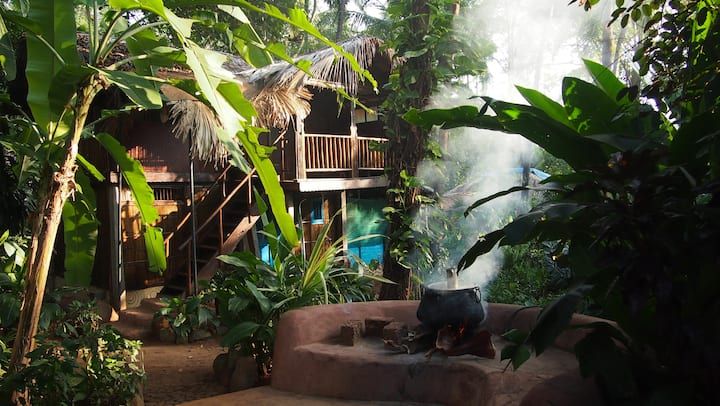
The interior of South Goa offers a refreshingly quiet escape from the busier coastal strips. Travellers looking to stay in nature can discover peaceful camps, plantation homestays, and eco-friendly cottages in the surrounding countryside through HireACamp, offering a relaxed base close to the foothills.
When visiting the temple, wear sturdy, comfortable walking footwear suitable for stone pathways and unpaved trails. Modest clothing is recommended out of respect for the shrine and local cultural norms. Since the area has few commercial amenities nearby, carry drinking water, light snacks, and sun protection, and ensure your vehicle has enough fuel before heading into the rural stretches of Sanguem.
Frequently asked questions
Why was Kurdi Mahadev Temple relocated?
The temple was relocated by the Archaeological Survey of India in the 1980s to save it from being permanently submerged beneath the rising waters of the Salaulim Dam reservoir.
Can Kurdi Mahadev Temple be visited throughout the year?
Yes, because the temple was reconstructed on higher ground outside the flood zone, the shrine itself is accessible throughout the year.
What is the best way to reach the temple?
The most convenient way to reach the site is by hiring a private taxi or driving a personal vehicle from Margao, taking the route through Sanguem town.
When can you see the submerged village of Kurdi?
The ruins of the submerged village typically become visible during peak summer, usually in May, when reservoir water levels recede significantly before the arrival of the monsoon.
Are there stay options close to Kurdi Mahadev Temple?
You can find tranquil camps, rustic farmstays, and homestays nestled among the forests and plantations around Sanguem and South Goa on HireACamp.
Where you'll be
Sanguem, GA · 9 stays nearby shown with prices
Stays near Kurdi Mahadev Temple
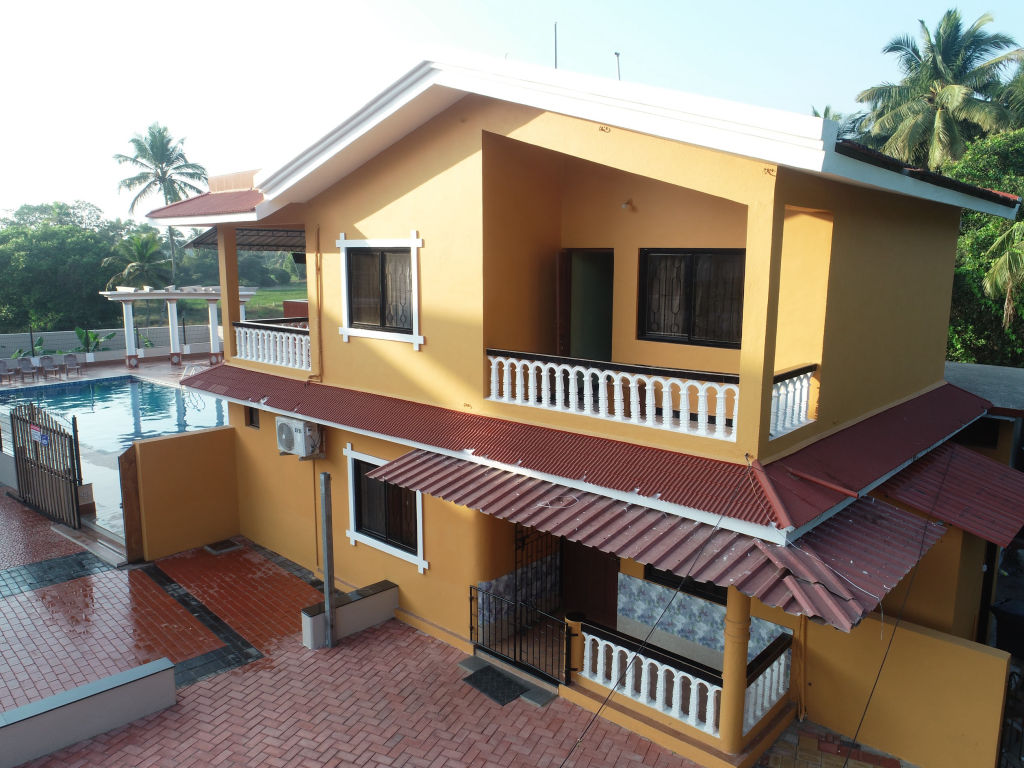
Book a place to stay close by
More places near Kurdi Mahadev Temple
Within 20 km
Built from 0 Instagram posts by 0 creators. Every tip links back to the post it came from, and where creators disagree we show both sides.






