
Kharsali
Destination in Uttarakhand
Kharsali is a tranquil high-altitude village in the Uttarkashi district of Uttarakhand, situated in the upper reaches of the Garhwal Himalayas. Renowned as the winter seat of Goddess Yamuna and home to one of India's oldest Shani Dev temples, the settlement attracts pilgrims, trekkers, and mountain lovers alike. Visitors come to admire its centuries-old indigenous wooden architecture, wander through terraced apple orchards, and soak in views of snow-crested Himalayan peaks.
Getting there
By road
- From Dehradun3 hr 40 min · 163 km
- From Chandigarh6 hr · 290 km
- From New Delhi7 hr 15 min · 417 km
- From Ludhiana8 hr 25 min · 402 km
Typical drive times without traffic. Stations and airports from OLA Maps; distances and typical drive times from OpenStreetMap (© OpenStreetMap contributors); notes from creators' Reels.
About Kharsali
Written with AI from map data and general knowledge. Check prices and timings locally before you go.
About Kharsali and its heritage
Perched at an elevation of roughly 2,675 metres above sea level, Kharsali is an authentic Garhwali village that has preserved its age-old culture against the backdrop of imposing peaks. The village is steeped in folklore and deep-rooted spiritual traditions. Its most celebrated landmark is the multi-tiered Shani Dev temple, dedicated to Someshwar Devta. Constructed out of interlocking timber beams and hand-cut stones, this architectural gem is designed to withstand harsh weather and seismic activity, showcasing classical Kath-kuni craftsmanship. Intricate wood carvings depicting local deities, floral patterns, and regional folklore adorn the exterior walls and doorframes.
Kharsali plays an indispensable role in the sacred geography of the Chota Char Dham circuit. When the mountain pass to Yamunotri closes under heavy snow following Diwali, the symbolic festive palanquin of Goddess Yamuna is brought down in a grand traditional procession to Kharsali. Here, the deity is venerated throughout the winter months until the shrine reopens around Akshaya Tritiya in spring. Walking through the village offers a glimpse into a way of life that has remained synchronized with the seasons for generations.
Things to do in Kharsali
The primary activity within Kharsali is exploring the heritage village on foot. Taking an unhurried walk along its cobblestone pathways brings you past slate-roofed vernacular houses, traditional grain stores, and welcoming local residents. The ancient Shani Dev temple is an essential stop, offering an atmosphere of quiet reverence and architectural intrigue. Standing in the temple courtyard provides expansive perspectives of the surrounding mountain amphitheatre and the distant, glistening peaks.
Outside the built-up hamlet, walking tracks weave through flourishing apple and apricot orchards. In spring, these orchards burst into delicate pink and white blooms, while late summer brings branches weighed down with ripe fruit. Natural thermal springs and glacial mountain streams flow nearby, making it an excellent base for short acclimatisation walks, landscape photography, and birdwatching. Travellers who enjoy spending hours in stillness will find the riverbanks and ridge tops surrounding the village ideal for quiet contemplation.
Read more
Getaways and places to visit nearby
Kharsali serves as the primary launch point for the sacred trek up to Yamunotri. Travellers can make their way to Janki Chatti, just a short distance away, from where the well-trodden pilgrimage trail ascends along the Yamuna gorge past gushing waterfalls, hot sulphur springs at Gaurikund, and rhododendron woods. Reaching the holy shrine and looking across the towering Bandarpoonch massif is one of the most rewarding day hikes in the region.
For those interested in exploring further afield, the expansive Govind Pashu Vihar National Park and Wildlife Sanctuary lies across the ridges to the north. While access routes wrap through separate valleys, the sanctuary area preserves subalpine forests, endangered snow leopards, Himalayan black bears, and a diverse range of high-altitude pheasants. Adventure enthusiasts often combine trips to this region with long-distance trekking routes such as the Gaumukh Tapovan trail, the crossing of Kalindi Khal, or ascents towards Juda Ka Talab in the neighbouring Tons valley. In the lower valleys, riverside spots along the Bhagirathi and heritage shrines around Uttarkashi, such as the ancient Vishwanath Temple and Kuteti Devi Mandir, offer cultural day excursions.
Best time to visit Kharsali
The climate in Kharsali is typical of high-altitude Himalayan settlements, marked by cool summers, a dramatic monsoon, and biting winters. The most comfortable window to visit runs from late April to June. During these months, the daytime temperatures remain pleasantly cool, skies are mostly blue, and the orchards are vibrant with new foliage. This period coincides with the commencement of the pilgrimage season, lending the entire valley a lively atmosphere.
The monsoon months of July and August bring heavy rain to the Garhwal hills. Landslides and road blockages are frequent occurrences in the region during this time, so travellers should check local weather and road advisories before heading out. Once the monsoon withdraws in September, autumn arrives with exceptionally crisp air, clear Himalayan vistas, and vibrant golden landscapes. Autumn lasts until early November and is an ideal period for photography and hiking. From December through March, Kharsali is blanketed in thick snow. While road access can be challenging during peak winter, it is a magical time to witness the quiet lifestyle of the village and take part in winter rituals.
How to reach Kharsali
Kharsali is located in the western sector of the Garhwal region in Uttarakhand. The nearest domestic airport is Jolly Grant Airport in Dehradun, which connects to major cities across India. Dehradun and Rishikesh also host the closest broad-gauge railway stations, where trains arrive from Delhi and other central hubs.
From Dehradun or Rishikesh, the journey continues by road via Mussoorie, Naugaon, and Barkot, leading towards Hanuman Chatti and Janki Chatti. The drive winds through scenic mountain valleys and typically takes between seven to nine hours, depending on traffic and seasonal road conditions. Shared jeeps, local buses, and private taxis ply regularly along the highway as far as Janki Chatti, from where a short local link leads straight into Kharsali. During the active pilgrimage window, helicopter services also operate from Dehradun directly to the Kharsali helipad for those seeking expedited travel.
Tips for planning your trip
Because Kharsali sits high in the mountains, taking time to acclimatise is recommended, especially if you plan to hike uphill toward Yamunotri on the same journey. Even during peak summer, nights can become unexpectedly chilly, so packing thermal base layers, a fleece, and windproof outer jackets is essential. If you are travelling during autumn or winter, robust heavy woollens, insulated gloves, and sturdy waterproof footwear are necessary.
Basic conveniences like automated teller machines and specialized medical services are sparse once you travel beyond major towns such as Barkot. It is wise to carry adequate cash for food, local transport, and incidental expenses. Mobile networks have expanded in the valley, but signal reception can remain uneven, particularly during adverse weather. Always carry a basic first-aid kit with personal medicines and be respectful of the village's traditional customs, keeping trash contained to maintain the fragile Himalayan ecology.
Where to stay in Kharsali
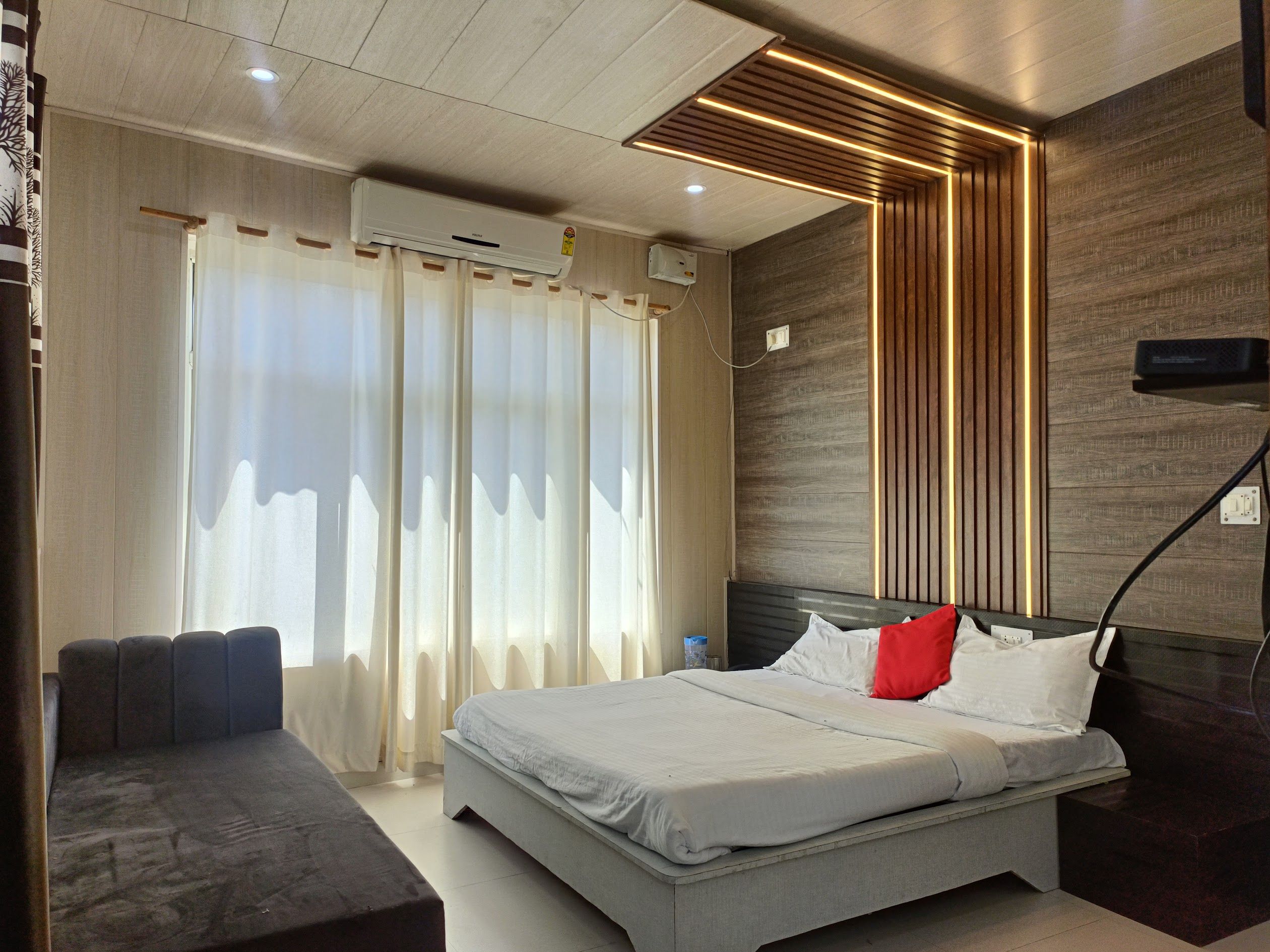
Accommodation in and around Kharsali caters to a mix of outdoor adventurers, pilgrims, and leisure travellers. The village features traditional wood-and-stone homestays run by local families, offering hearty regional Garhwali meals and an authentic look at mountain life. For travellers who prefer spending their nights closer to nature, riverside and valley campsites operate nearby during the warmer months, providing canvas tents set against sweeping alpine views.
You can find and book vetted homestays, nature retreats, and outdoor camps around Kharsali directly on HireACamp. Booking in advance is highly recommended if you plan to visit during the peak months of May, June, and October, as availability fills up rapidly across the valley.
Frequently asked questions
What is Kharsali known for?
Kharsali is best known for its ancient multi-tiered Shani Dev temple built in traditional wood-and-stone architecture, and for serving as the winter seat of Goddess Yamuna when the main Yamunotri shrine is closed.
How far is the Yamunotri trek from Kharsali?
Kharsali is located right next to Janki Chatti, which serves as the primary trailhead for Yamunotri. The trek from the base up to the shrine is approximately five to six kilometres along a paved mountain path.
Can I visit Kharsali during the winter season?
Yes, Kharsali can be visited in winter when the village is covered in snow and hosts the deity Yamuna Devi, although travellers must be prepared for freezing temperatures and potential road delays due to snowfall.
Are there helicopter facilities available in Kharsali?
Kharsali has a operational helipad that connects directly to Dehradun during the Char Dham pilgrimage season, facilitating quick transfers for travellers heading towards Yamunotri.
What kind of clothing should I carry for a trip to Kharsali?
Even in the summer months, daytime temperatures are mild and evenings turn cool, requiring light woollens or fleeces. If visiting in spring, autumn, or winter, heavy woollens, thermal innerwear, and windproof jackets are required.
Where you'll be
1 stay nearby shown with prices
Stays near Kharsali
Book a place to stay close by
Things to do in Kharsali
34 places creators recommend within 30 km


Built from 0 Instagram posts by 0 creators. Every tip links back to the post it came from, and where creators disagree we show both sides.






