
Bandarpunch
Peak near Kharsali, Uttarakhand
10 km from Kharsali
The nearest town, for stays, food and fuel.
Bandarpunch is a prominent mountain massif in the Garhwal region of Uttarakhand, rising over six thousand metres above sea level. Revered in local lore and renowned in Indian mountaineering history, the peak feeds the Yamunotri glacier and defines the dramatic horizon of the upper Yamuna and Tons valleys. Trekkers and climbers travel here to experience vast alpine meadows, glacial valleys, and the challenging terrain that leads to its snowbound slopes.
Getting there
By road
- From KharsaliNearest town9 min · 4.2 km
- From Dehradun3 hr 35 min · 164 km
- From Chandigarh6 hr · 291 km
- From New Delhi7 hr 10 min · 418 km
Typical drive times without traffic. Stations and airports from OLA Maps; distances and typical drive times from OpenStreetMap (© OpenStreetMap contributors); notes from creators' Reels.
About Bandarpunch
Written with AI from map data and general knowledge. Check prices and timings locally before you go.
The legend and terrain of Bandarpunch
Bandarpunch translates literally to the tail of the monkey, a name tied to the Hindu epic Ramayana. According to regional beliefs, Hanuman extinguished his burning tail in the snowfields of this mountain after setting Lanka ablaze. The massif consists of three notable high points: Bandarpunch I, Bandarpunch II also known as White Peak, and the dark rocky pyramid of Kalanag or Black Peak. Together, they create one of the most recognizable ridgelines in the Garhwal Himalayas.
The western face of the mountain cradles the sacred Yamunotri Glacier, the primary source of the Yamuna River. Surrounding these sheer icy precipices are deep river gorges, virgin pine and deodar forests, and vibrant alpine bugyals that bloom during the brief summer. Wildlife throughout the lower ridges includes Himalayan black bears, musk deer, monal pheasants, and blue sheep grazing along scree slopes.
Trekking and climbing around Bandarpunch
While full technical mountaineering expeditions to the summit of Bandarpunch demand rigorous climbing skills, technical gear, and official permits, the surrounding trails offer exceptional experiences for adventurous backpackers. Routes through the Ruinsara Tal valley allow trekkers to reach the foot of the massif, where mirror-like alpine lakes reflect the stark western ridgelines.
From the Yamunotri flank, trekkers can approach ridge viewpoints such as Gulabi Kantha, which provide sweeping panoramas of Bandarpunch and the adjoining peaks without demanding technical mountaineering equipment. Walking these high-altitude trails involves traversing moraine fields, glacial streams, and high meadows where local shepherds graze their flocks during the summer months. The route shifts from temperate river valleys to barren, windswept high-altitude terrain.
Read more
Best time to visit
The best time to explore the valleys and trails around Bandarpunch is during the pre-monsoon months of May and June, followed by the autumn window from September to late October. In late spring and early summer, snow begins to melt at mid-elevations, reopening mountain paths and giving way to carpets of wildflowers across the bugyals. Daytime temperatures remain pleasant, making long trekking days comfortable, though night temperatures at higher camps often hover near freezing.
By September, the monsoon rains clear away the cloud cover, leaving behind crisp mountain air and exceptional visibility. Autumn offers some of the sharpest views of the summit against clear blue skies. Heavy snowfall typically seals the upper passes by November, bringing sub-zero temperatures and persistent winter conditions that last until April.
How to reach the Bandarpunch region
Reaching the base camps and approach valleys for Bandarpunch requires travelling into the interior districts of Uttarkashi and Rawai in Uttarakhand. The nearest railhead is at Dehradun, and the closest domestic airport is Jolly Grant Airport near Dehradun. From these transit hubs, travellers typically drive by road toward Uttarkashi, Barkot, or Sankri depending on the planned trail approach.
The drive follows winding mountain highways along the Yamuna or Bhagirathi rivers, passing small mountain hamlets and terraced farms. Shared jeeps and local buses operate regularly between Dehradun and regional transport hubs like Barkot and Purola. From the roadheads, including villages like Janki Chatti or Sankri, all further progress is on foot.
Tips for your visit
Any trek or expedition heading toward Bandarpunch requires careful physical preparation and gradual acclimatisation. High elevations bring thinner air and rapid weather shifts, so building aerobic endurance and setting aside rest days for acclimatisation is essential. Always carry layered clothing, windproof jackets, and waterproof outer layers, as alpine storms can gather quickly even during clear summer mornings.
Local infrastructure beyond the base villages is nonexistent, meaning you must be self-sufficient with tents, ration supplies, and reliable water filtration methods. Ensure that you adhere strictly to low-impact camping principles by bringing back all non-biodegradable waste. It is wise to hire local mountain guides who understand the erratic weather patterns, crevassed moraine zones, and high-altitude river crossings.
Places to explore nearby
The broader area surrounding Bandarpunch is rich with historic pilgrimage points and scenic trails. Near the base of the western approach lies the Kharsali Shani Temple, one of the oldest wooden pagoda-style shrines in the valley and the winter seat of the goddess Yamuna. Just across the ridge, the expansive Govind Pashu Vihar National Park and Wildlife Sanctuary shelters endangered Himalayan fauna across dense alpine valleys.
To the south and west, popular trekking destinations such as Kedarkantha and the tranquil frozen waters of Juda Ka Talab offer rewarding viewpoints of the Bandarpunch range. Beyond the northern ridges, the picturesque Harsil valley sits along the banks of the Bhagirathi River, famous for its apple orchards and traditional stone-and-wood architecture.
Where to stay
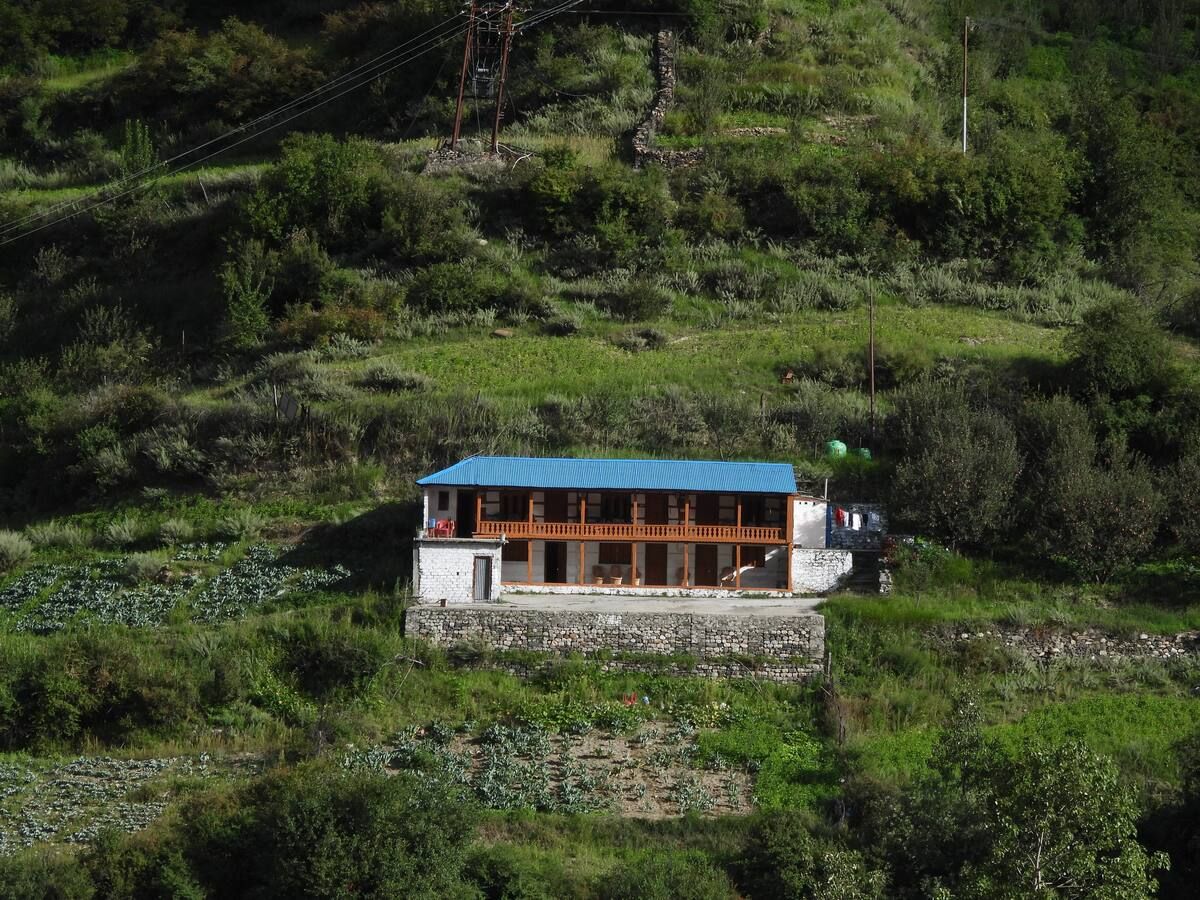
Accommodations near Bandarpunch vary based on your selected route and altitude. Roadside villages such as Barkot, Janki Chatti, Kharsali, and Sankri provide family-run homestays, guesthouses, and simple mountain lodges. Staying in these villages offers a warm glimpse into local Himalayan culture and authentic regional food.
Once you step past the roadheads and onto the trails leading toward the massif, accommodation is limited to wilderness camping. Travellers looking to book rustic homestays, riverside cabins, or pre-arranged outdoor campsites in the base valleys can find curated options across the region on HireACamp.
Frequently asked questions
Where is Bandarpunch located?
Bandarpunch is a mountain massif located in the Garhwal Himalayas of Uttarakhand, situated in the Uttarkashi district near the source of the Yamuna River.
Can beginners climb Bandarpunch?
Reaching the summit of Bandarpunch is a serious mountaineering undertaking suitable only for experienced climbers with technical glacier skills. However, beginners and intermediate hikers can comfortably trek through the surrounding valleys and nearby vantage ridges such as Gulabi Kantha.
What is the relationship between Bandarpunch and the Yamunotri shrine?
The western slopes of Bandarpunch feed the Yamunotri Glacier, which is the physical origin of the sacred Yamuna River. The holy pilgrimage shrine of Yamunotri sits just below the base of the massif.
Which months are best for trekking near Bandarpunch?
The ideal trekking months are May to June for lush meadows and flowing streams, and September to October for clear skies, crisp air, and unhindered mountain views.
What kind of clothing should I pack for a trip toward Bandarpunch?
Pack multiple insulating layers including thermal innerwear, a fleece mid-layer, a down jacket, and a sturdy waterproof outer shell. Temperatures at high-altitude camps drop significantly after sunset throughout the year.
Where you'll be
1 stay nearby shown with prices
Stays near Bandarpunch
Book a place to stay close by
More places near Bandarpunch
Within 20 km


Built from 0 Instagram posts by 0 creators. Every tip links back to the post it came from, and where creators disagree we show both sides.






