
Gurdwara Bangla Sahib
Gurudwara near New Delhi, Delhi
1.3 km from New Delhi
The nearest town, for stays, food and fuel.
Gurdwara Bangla Sahib is one of the most revered Sikh shrines in Delhi, renowned for its luminous white marble architecture, golden dome, and expansive holy water pool known as the Sarovar. Situated just beside Connaught Place in the heart of New Delhi, it welcomes travellers, worshippers, and seekers of all backgrounds without distinction. Visitors come to absorb the tranquil atmosphere, listen to continuous devotional hymns, and take part in the time-honoured community tradition of langar.
Getting there
By road
- From New DelhiNearest town13 min · 3.1 km
- From New Delhi13 min · 3.1 km
- From Dehradun3 hr 20 min · 227 km
- From Jaipur4 hr 25 min · 296 km
Typical drive times without traffic. Stations and airports from OLA Maps; distances and typical drive times from OpenStreetMap (© OpenStreetMap contributors); notes from creators' Reels.
About Gurdwara Bangla Sahib
Written with AI from map data and general knowledge. Check prices and timings locally before you go.
The History and Heritage of Gurdwara Bangla Sahib
Gurdwara Bangla Sahib holds an indelible place in the spiritual landscape of Delhi. The shrine dates back to the seventeenth century and was originally a lavish bungalow belonging to Mirza Raja Jai Singh, an influential ruler of Amber. It was then known as Jaisinghpura Palace. In the year 1664, the eighth Sikh Guru, Guru Har Krishan Dev Ji, resided here during his stay in Delhi.
During his time at the palace, the local population was devastated by severe epidemics of cholera and smallpox. Moved by their suffering, the young Guru distributed clean water from a well within the premises and attended to the afflicted, helping countless people regain their health. Guru Har Krishan subsequently contracted smallpox himself and passed away at this site. In remembrance of his compassion and sacrifice, Raja Jai Singh had a small water tank constructed over the very well where the Guru had served water. Over the centuries, the complex expanded into the grand monument seen today, celebrated worldwide as a sanctuary of selflessness, service, and healing.
The Atmosphere Inside the Complex and the Langar
Walking past the ornate gates of Gurdwara Bangla Sahib, visitors instantly leave behind the hectic pulse of central Delhi. The central sanctum, crowned with an eye-catching golden dome, houses the Guru Granth Sahib, the holy scripture of Sikhism. Devotional ragis sing Gurbani hymns continuously throughout the day, their melodies echoing through the marble colonnades and offering a profound sense of inner calm.
Surrounding the sanctum is the vast Sarovar, a reflective pool of water teeming with colourful fish. Devotees take dips in the sanctified water or sit quietly along the paved marble parikrama walkways watching ripples catch the sunlight. Near the exit of the sanctum, visitors are offered Karah Parshad, a warm, sweet semolina offering prepared with pure ghee.
Another defining facet of Gurdwara Bangla Sahib is the massive langar hall. In keeping with the core Sikh tenet of egalitarian service, the community kitchen prepares fresh vegetarian meals round the clock. Hundreds of volunteers prepare rotis, stir enormous vats of lentils, and serve steaming meals to thousands of people who sit side by side on long floor mats, irrespective of social standing, wealth, or creed.
Read more
Best Time to Visit Gurdwara Bangla Sahib
Because Gurdwara Bangla Sahib is largely an indoor and sheltered marble complex, it can be visited comfortably throughout the year. However, Delhi experiences extreme temperature shifts, making certain seasons far more pleasant for wandering the open parikrama around the water pool.
The cooler months between October and March bring mild temperatures and clear skies, making it the ideal window for travellers exploring the capital. During peak winter months, mornings can be foggy and brisk, while afternoons are pleasantly sunny.
Summers in Delhi, running from April through June, bring intense heat during the middle of the day. If visiting during these hotter months, early morning hours before sunrise or late evening after sundown provide the most comfortable experience. The shrine is illuminated with golden lighting at night, and the cool breeze drifting off the Sarovar offers a serene respite after dark.
How to Reach Gurdwara Bangla Sahib
Situated near Baba Kharak Singh Marg in central New Delhi, Gurdwara Bangla Sahib is exceptionally easy to reach from any part of the National Capital Region. The complex sits just south-west of Connaught Place, making it accessible by foot, metro, auto-rickshaw, or private cab.
For those travelling via the Delhi Metro, several stations are located within a short distance. The Shivaji Stadium station on the Airport Express Line is one of the closest access points, while the Patel Chowk station on the Yellow Line and the Rajiv Chowk interchange station are also within a kilometre or two of the complex. Local cycle rickshaws and auto-rickshaws frequently shuttle passengers between these metro stations and the gurdwara gates.
Travellers arriving by train at the New Delhi Railway Station will find the shrine only a short drive away under regular traffic conditions. Those driving private vehicles can use the dedicated multi-level parking facility connected to the complex, though public transport is often the faster option given the bustling nature of the surrounding district.
Etiquette and Tips for Your Visit
Gurdwara Bangla Sahib is an active place of deep devotion, and observing a few basic customs ensures a respectful and enriching visit. Before entering the complex, all visitors must remove their footwear and socks at the free, managed shoe depositories near the entrances. Feet should be rinsed in the shallow water channel located at the foot of the stairs leading to the inner sanctum.
Covering one's head is mandatory for everyone regardless of age or gender. Visitors are encouraged to carry a clean scarf or handkerchief, though free headscarves are provided in bins near the shoe stands. Clothing should be modest, ideally covering shoulders and knees out of respect for the sanctum.
Photography is strictly prohibited inside the main prayer hall, though respectful photography of the exterior architecture and the courtyard is permitted in designated zones. Keep mobile phones switched to silent mode to maintain the peaceful atmosphere. Visitors are also welcome to volunteer in the langar kitchen or help serve food, an experience that provides genuine insight into the culture of sewa, or selfless service.
Places to Explore Nearby
Because of its central location, a trip to Gurdwara Bangla Sahib can easily be paired with visits to several of Delhi's most iconic historical landmarks and public spaces. Just about a kilometre away lies Connaught Place, the colonnaded Georgian-style commercial hub filled with shops, bookstalls, and cafes encircling Central Park.
Equally close is Jantar Mantar, the fascinating eighteenth-century astronomical observatory built by Maharaja Jai Singh II. A short journey further east brings you to Agrasen ki Baoli, an ancient, dramatic stepwell nestled unexpectedly between modern office towers. Those interested in India's artistic and political heritage can head south toward the National Museum and the National Gallery of Modern Art, both located within two to three kilometres.
If you have a full day to spare, you can venture northeast toward the historic walled city of Old Delhi, home to the Red Fort, Chandni Chowk, and the grand Jama Masjid, or head south to wander among the lush pathways and ancient ruins of Lodhi Garden and Safdarjung Tomb.
Where to Stay Near Gurdwara Bangla Sahib
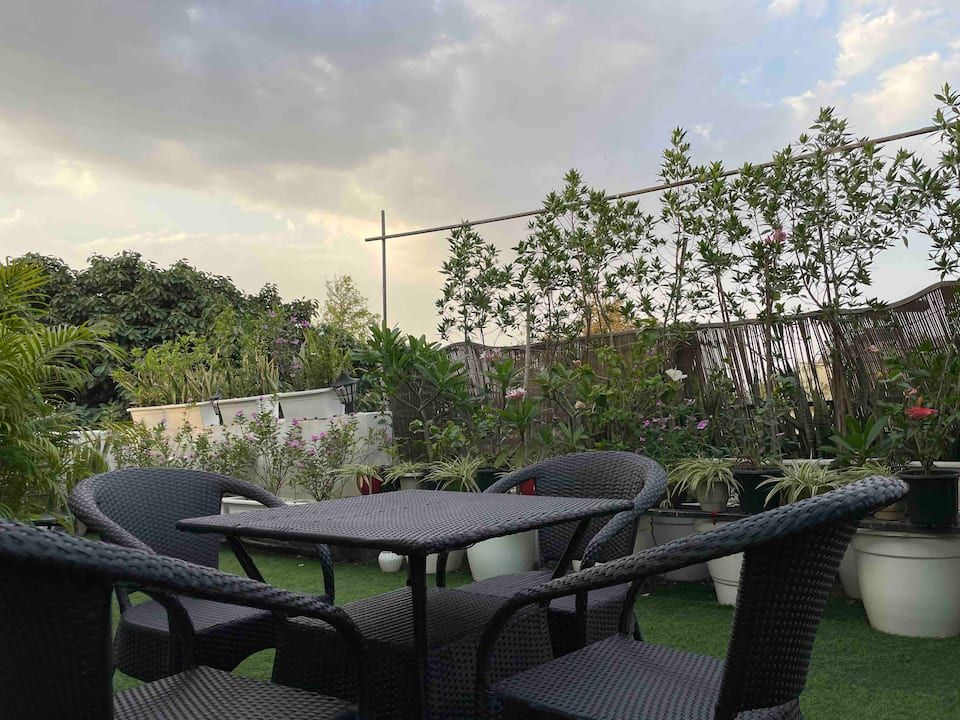
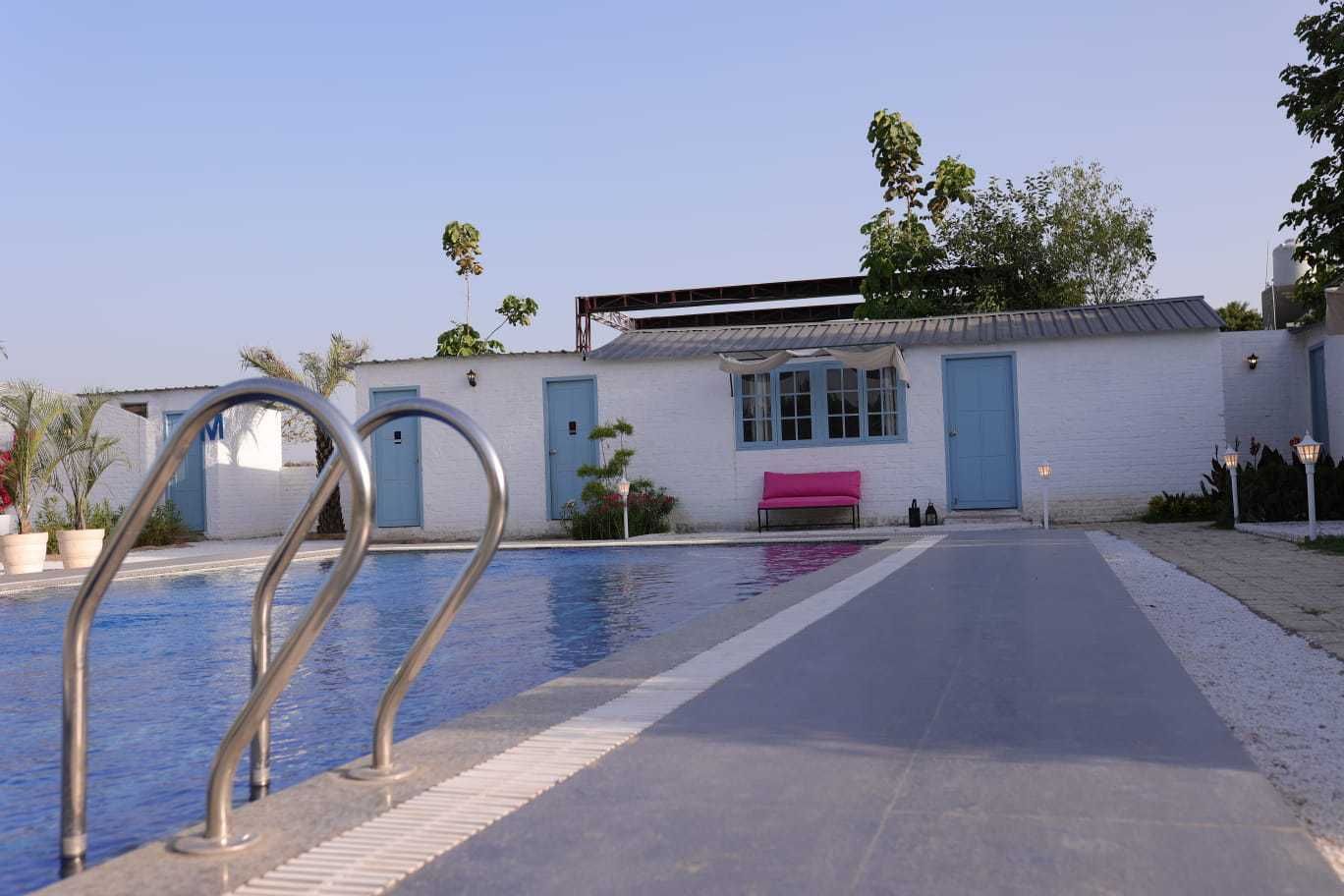
Travellers visiting Delhi will find that staying near the central corridor offers unmatched connectivity to heritage landmarks, transport hubs, and cultural centres. Whether you prefer a quiet residential homestay in the greener avenues of south Delhi or a boutique retreat closer to the old city quarters, there are accommodation options suited to every journey.
If you are planning an extended trip that combines urban sightseeing with peaceful nature retreats on the outskirts of Delhi or in nearby regions, unique homestays and outdoor getaways can be booked directly through HireACamp.
Frequently asked questions
Is there an entry fee to visit Gurdwara Bangla Sahib?
No, entry to Gurdwara Bangla Sahib is completely free for all visitors, and there is no charge for shoe storage or visiting the sanctum.
What should I wear to Gurdwara Bangla Sahib?
Visitors should dress modestly, wearing clothes that cover their shoulders and knees. Head coverings are compulsory for all visitors, and clean headscarves are provided at the entrance if you do not bring your own.
Can anyone eat in the langar at Gurdwara Bangla Sahib?
Yes, the langar is open to everyone regardless of religion, caste, nationality, or background. Free vegetarian meals are served throughout the day to all who sit in the communal dining hall.
Is photography allowed inside Gurdwara Bangla Sahib?
Photography is strictly prohibited inside the main sanctum and prayer hall. However, respectful photographs of the exterior complex, gardens, and Sarovar are generally permitted from the outer walkways.
What is the best time of day to visit the gurdwara?
Early mornings around dawn and late evenings are exceptional times to visit, as temperatures are pleasant, the complex is quieter, and the illuminated reflection of the golden dome on the Sarovar is especially scenic.
Where you'll be
Delhi · 2 stays nearby shown with prices
Stays near Gurdwara Bangla Sahib
Book a place to stay close by
More places near Gurdwara Bangla Sahib
Within 20 km


Lists for this area
Ranked by how many creators recommend each place


Built from 0 Instagram posts by 0 creators. Every tip links back to the post it came from, and where creators disagree we show both sides.






