
Lachung River
Riverside spot near Chungthang, Sikkim
1.3 km from Chungthang
The nearest town, for stays, food and fuel.
The Lachung River, locally known as the Lachung Chhu, is a glacial river flowing through the alpine valleys of North Sikkim. Fed by melting snowfields and Himalayan streams near the Indo-Tibetan border, it runs past picturesque settlements before converging with the Lachen River at Chungthang. Travellers visit its boulder-strewn banks to enjoy crisp mountain air, scenic river walks, and stunning views of the surrounding peaks.
Getting there
By road
- From ChungthangNearest town18 min · 4.5 km
Typical drive times without traffic. Stations and airports from OLA Maps; distances and typical drive times from OpenStreetMap (© OpenStreetMap contributors); notes from creators' Reels.
About Lachung River
Written with AI from map data and general knowledge. Check prices and timings locally before you go.
About the Lachung River
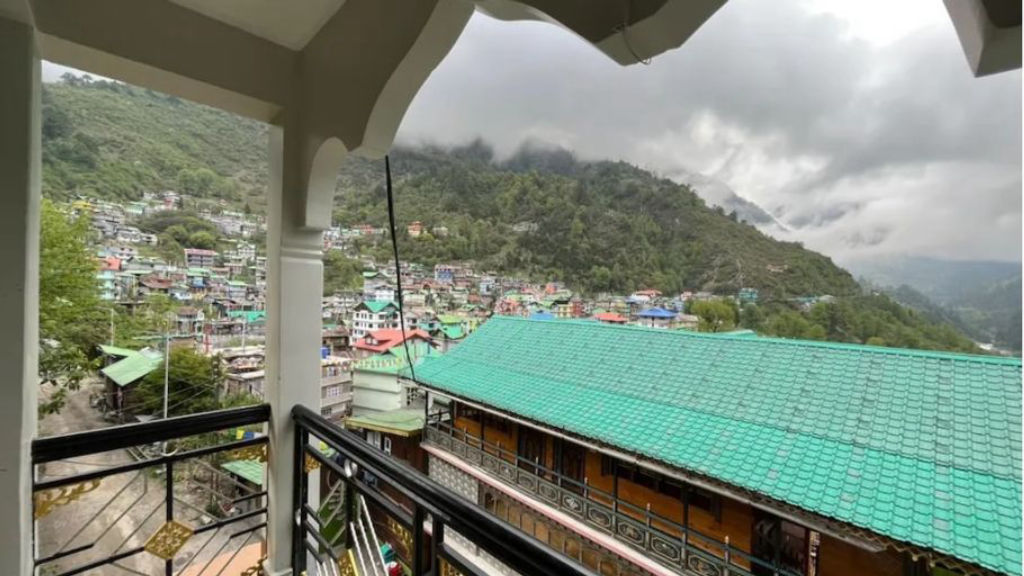
Flowing through the high-altitude terrain of North Sikkim, the Lachung River is one of the primary waterways feeding the mighty Teesta River system. The river originates from glacial runoffs and alpine snowfields high in the Eastern Himalayas, carving its way through narrow gorges, pine forests, and rocky mountain basins. It winds directly past the settlement of Lachung, where rustic wooden cottages and terraced farms sit on the valley floor.
Downstream at Chungthang, the Lachung River joins the Lachen River to officially form the Teesta. For anyone travelling through the northern district of Sikkim, the river provides an ever-present natural soundtrack of rushing water. Its ice-cold, mineral-rich currents shift between pale turquoise and churning white spray as they tumble over massive granite boulders.
The Landscape and Natural Setting
The landscape along the Lachung River is distinctly alpine, characterized by rugged granite cliffs, thick coniferous woodlands, and sprawling mountain vistas. Immense boulders, smoothed by centuries of glacial runoff, dominate the broad riverbeds. In the upper sections of the valley, forests of silver fir, juniper, and wild rhododendron extend down to the water's edge.
During spring, the valley slopes come alive with blooming wildflowers, while autumn offers deep blue skies and golden leaves along the watercourse. In the depths of winter, snow coats the banks, and quiet pools of water freeze along the edges. The riparian habitat attracts hardy Himalayan birdlife, including the white-capped water redstart and plumbeous water redstart, which are frequently spotted hunting for insects amidst the river rocks.
Read more
Things to Do at Lachung River
Spending time by the Lachung River is about slowing down and connecting with the pristine mountain environment. Safe stretches of the riverbanks offer ideal settings for quiet morning walks, where you can wander among the stones, breathe in the cold mountain air, and take in the panoramic Himalayan views. The crisp daylight and rushing rapids also provide brilliant subjects for nature and landscape photography.
Exploring the suspension bridges that span the water provides sweeping perspectives of the river cutting through the valley. You can also spend quiet hours sitting by the water reading, meditating, or watching the mist lift from the pine trees. Because currents are fierce and the water is fed directly by melting snow, water sports and swimming are neither safe nor practiced here.
Best Time to Visit
The most favourable times to visit the Lachung River are during spring from April to June and during autumn from October to November. Spring brings milder weather, melting snows, and vibrant blooms throughout the surrounding rhododendron forests. Autumn offers the clearest mountain vistas, pleasant afternoon sunshine, and transparent turquoise waters before the deep freeze sets in.
Winter between December and February brings sub-zero temperatures and heavy snowfall. While it turns the valley into a quiet winter wonderland, cold conditions are severe and occasional road closures can occur. The monsoon season between July and September brings torrential rain and a high risk of landslides across North Sikkim, making travel along the mountain corridors difficult and generally unadvisable.
How to Reach the Lachung River
Reaching the Lachung River requires travelling into the high-altitude reaches of North Sikkim. Most journeys begin from Gangtok, the state capital. The drive from Gangtok to Lachung covers scenic, winding mountain roads passing through Mangan and Chungthang, typically taking around six to eight hours depending on road and weather conditions. Local shared taxis and private utility vehicles driven by experienced mountain drivers are the customary way to travel.
The nearest railway junction is New Jalpaiguri in West Bengal, and the nearest major airport is Bagdogra. Travellers typically fly into Bagdogra or arrive by train at New Jalpaiguri, drive up to Gangtok for a night to acclimatise and complete permit formalities, and then set out for the northern valleys the following morning.
Places to Visit Nearby
A trip to the Lachung River easily connects with several cultural and natural attractions in the region. Right on the slopes overlooking the village sits Lachung Monastery, a historic 19th-century Buddhist monastery surrounded by apple orchards, offering serene prayer halls and vantage points over the river valley. Near the confluence downstream in Chungthang, travellers can visit Gurudwara Nanak Lama Sahib, a revered shrine associated with Guru Nanak's journey through Sikkim.
Further up the valley lies the famed Yumthang Valley, known for its sprawling alpine meadows and natural hot springs. On the mountain road connecting Gangtok to the north, travellers often pause at scenic viewpoints such as Seven Sisters Waterfall, where mountain streams cascade across layered rock faces, and Mangan View Point for views of the distant peaks.
Tips for Your Visit
Because North Sikkim lies in a sensitive frontier zone, both Indian and international travellers must obtain Inner Line Permits or Protected Area Permits before travelling to the Lachung area. These permits are arranged through registered tour operators or local tourism authorities in Gangtok, requiring passport photographs and government identity documents.
Pack layered thermal clothing, fleece jackets, and windproof outer layers, as mountain winds can cause temperatures to drop sharply without warning. Wear sturdy, slip-resistant shoes if you plan to walk near the rocky riverbanks. Keep yourself properly hydrated to help your body adapt to the altitude, and always respect the natural environment by carrying your trash back and avoiding the use of single-use plastics.
Where to Stay
Accommodations near the Lachung River range from family-run homestays to rustic alpine cottages and scenic outdoor camps. Staying with a local family provides a warm introduction to Sikkimese mountain culture, complete with home-cooked meals and wood-heated living spaces. Travellers can find and book vetted homestays and outdoor camping experiences close to the Lachung River on HireACamp.
Frequently asked questions
Do I need a permit to visit the Lachung River?
Yes, North Sikkim is a protected border zone, meaning all travellers must obtain an Inner Line Permit or Protected Area Permit. These are arranged in advance through registered tourism providers or official checkposts in Gangtok.
Can you swim in the Lachung River?
No, swimming in the Lachung River is unsafe due to rapid glacial currents, rocky terrain, and near-freezing water temperatures. Visitors should admire the river from dry and secure positions along the shore.
How cold does it get around the Lachung River?
Temperatures often drop below freezing during the winter months, leading to frost and heavy snow. Even during the spring and autumn months, early mornings and nights remain very cold, requiring warm woollens and windproof jackets.
What is the best way to travel from Gangtok to Lachung?
The most common way to travel is by hiring a local high-clearance vehicle or booking a seat in a shared regional taxi from Gangtok. The journey takes around six to eight hours along winding mountain highways.
What should I pack for a visit to the Lachung River?
Pack multiple warm layers, thermal inners, a windproof and water-resistant jacket, sturdy walking boots, and basic personal medications. Sunglasses and sunscreen are also helpful due to the intense high-altitude sunlight.
Where you'll be
1 stay nearby shown with prices
Stays near Lachung River
Book a place to stay close by
More places near Lachung River
Within 20 km
Built from 0 Instagram posts by 0 creators. Every tip links back to the post it came from, and where creators disagree we show both sides.






