
Lachung Monastery
Monastery near Chungthang, Sikkim
1.3 km from Chungthang
The nearest town, for stays, food and fuel.
Lachung Monastery is an ancient Buddhist hermitage situated high in the rugged mountains of North Sikkim. Overlooking the confluence of the Lachen and Lachung rivers, this peaceful sanctuary offers travellers a window into traditional Nyingma Buddhist culture amid dramatic Himalayan scenery. Visitors journey here to experience its serene prayer halls, intricate murals, and the crisp alpine air of this remote river valley.
Getting there
By road
- From ChungthangNearest town18 min · 4.5 km
Typical drive times without traffic. Stations and airports from OLA Maps; distances and typical drive times from OpenStreetMap (© OpenStreetMap contributors); notes from creators' Reels.
About Lachung Monastery
Written with AI from map data and general knowledge. Check prices and timings locally before you go.
History and significance of Lachung Monastery
Perched on a quiet hillside above the village of Lachung, Lachung Monastery, locally referred to as Samten Chelling, was established in the late nineteenth century. It belongs to the Nyingma sect of Tibetan Buddhism, which is the oldest of the four major schools. The monastery was built to provide a spiritual centre for the local Bhutia community, who have inhabited this remote highland corridor for centuries.
The complex houses valuable religious artefacts, including handcrafted statues, hand-painted thangkas, and ancient manuscripts. Its vibrant prayer hall features walls painted with murals depicting Buddhist deities, historical teachers, and protective spirits. For the local villagers, the monastery remains the heart of spiritual and social life, hosting traditional masked dances and community ceremonies during major festivals on the Buddhist calendar.
Architecture and setting
Lachung Monastery is built in traditional Sikkimese and Tibetan architectural styles, characterised by sturdy stone foundations, tiered sloping roofs, and brightly painted wooden accents. Its exterior is adorned with symbolic motifs, carved timber windows, and fluttering prayer flags that send blessings across the valley with every gust of mountain wind.
The setting is especially striking. Situated at an elevation well above two thousand metres, the monastery overlooks pine-clad ridges, glacial streams, and snow-dusted Himalayan peaks. The prayer courtyard offers sweeping views of the Lachung River basin, providing a contemplative space where visitors can listen to the gentle spin of prayer wheels and the distant sound of rushing mountain water.
Read more
Best time to visit Lachung Monastery
The best time to visit Lachung Monastery is during spring, from March to May, and autumn, from late September to November. In spring, the surrounding valleys thaw, and mountain slopes burst into colour with blooming rhododendrons and alpine wildflowers. Daytime temperatures remain pleasant, making it comfortable to explore outdoor areas, though evenings stay brisk.
Autumn offers the clearest skies and most stable weather, with sharp views of the snow-capped Himalayan peaks. Winters, running from December through February, bring sub-zero temperatures and heavy snowfall, which can occasionally lead to road closures in North Sikkim. The monsoon months between June and August bring heavy rainfall to the hills, increasing the likelihood of landslides along mountain roads, so travel during this period requires careful planning.
How to reach Lachung Monastery
Lachung Monastery is located in the North Sikkim district. The journey typically begins from Gangtok, the state capital, which is well-connected by road to major transport hubs such as Bagdogra Airport and the New Jalpaiguri railway station in neighbouring West Bengal.
From Gangtok, travellers must take mountain roads northward passing through towns like Mangan and Chungthang before ascending to Lachung village. The drive follows narrow, winding mountain highways carved along steep river valleys, offering scenic views along the way. Because road conditions can vary depending on weather and terrain, travel times can fluctuate significantly, and hiring an experienced local driver familiar with high-altitude mountain routes is recommended.
Tips for your visit
Because Lachung Monastery sits at a high altitude, travellers should take time to acclimatise. Spend a day or two at intermediate elevations if travelling directly from sea level, stay well-hydrated, and avoid strenuous physical exertion upon arrival. Keep warm clothing handy, including thermal base layers, a fleece, a windproof jacket, and a woollen cap, as temperatures can drop suddenly even in spring and autumn.
Respect the spiritual nature of the site at all times. Dress modestly with shoulders and knees covered, remove shoes before entering the prayer sanctuary, and always walk clockwise around stupas, prayer wheels, and the main shrine room. Photography is often restricted inside the inner hall, so always look for signs or ask the resident monks for permission before taking pictures. North Sikkim is a protected border region, so Indian and international travellers must secure the necessary protected area permits through local administrative offices before making the journey.
Places to visit nearby
The valley surrounding Lachung serves as the gateway to some of Sikkim's most dramatic landscapes. Further up the valley lies Yumthang Valley, renowned for its alpine meadows, hot springs, and seasonal rhododendron sanctuaries. Adventurous travellers often continue beyond Yumthang to Zero Point, where the drivable road ends amidst high alpine rock and snowfields.
As you travel across North Sikkim, you will also encounter several other historic monastic settlements, such as Ringhem Monastery near Mangan, as well as Phensang and Labrang monasteries situated along the ridges of lower North Sikkim. Along the highway, natural viewpoints like Mangan View Point and roadside spectacles like the Seven Sisters Waterfall provide great places to stop and enjoy the region's scenery.
Where to stay near Lachung
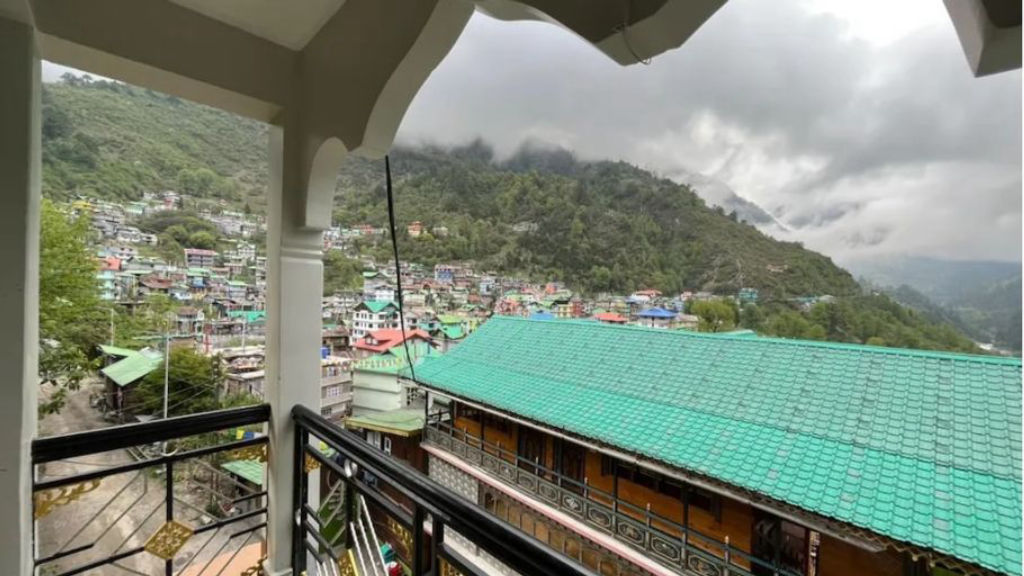
Accommodation options in this mountain valley consist primarily of locally run homestays, guesthouses, and cosy alpine cottages situated within Lachung village. Staying with local families offers a warm introduction to Sikkimese hospitality, including traditional home-cooked meals featuring local greens, handmade noodles, and hot butter tea.
To arrange your accommodation, explore the curated collection of riverside camps, traditional village homestays, and mountain lodgings available on HireACamp. Booking in advance is advisable, especially during the peak spring and autumn trekking seasons when North Sikkim receives a steady flow of mountain enthusiasts.
Frequently asked questions
Do I need a permit to visit Lachung Monastery?
Yes, because Lachung is located in a protected frontier zone of North Sikkim, travellers must obtain a Protected Area Permit from local administrative authorities before visiting.
Can visitors attend morning prayers at the monastery?
Visitors are generally welcome to quietly observe prayers when monks are chanting, provided they maintain silence and follow monastic etiquette.
What should I wear when visiting Lachung Monastery?
Wear modest, warm clothing that covers your shoulders and knees, and choose comfortable slip-on footwear since shoes must be removed before entering the inner prayer halls.
Does Lachung Monastery remain open during the winter?
While the monastery remains inhabited, access can be restricted after heavy snowfalls that temporarily block roads in North Sikkim, so check local weather and road conditions before travelling.
Where you'll be
1 stay nearby shown with prices
Stays near Lachung Monastery
Book a place to stay close by
More places near Lachung Monastery
Within 20 km
Built from 0 Instagram posts by 0 creators. Every tip links back to the post it came from, and where creators disagree we show both sides.






