
Manikaran Shiva Temple
Temple near Manikaran, Himachal Pradesh
700 m from Manikaran
The nearest town, for stays, food and fuel.
Manikaran Shiva Temple is an ancient stone sanctuary dedicated to Lord Shiva, set along the banks of the Parvati River in Himachal Pradesh's Kullu district. Famous for its sacred lore and the geothermal hot springs that bubble up right beside it, the shrine draws pilgrims and travellers exploring the upper reaches of the Parvati Valley. Visitors come to pay homage, marvel at its historic stone architecture, and take in the dramatic contrast of steaming thermal springs against the freezing river rapids.
Getting there
By road
- From ManikaranNearest town3 min · 800 m
- From Chandigarh5 hr 35 min · 253 km
- From Ludhiana6 hr 5 min · 283 km
- From Amritsar8 hr 5 min · 394 km
Typical drive times without traffic. Stations and airports from OLA Maps; distances and typical drive times from OpenStreetMap (© OpenStreetMap contributors); notes from creators' Reels.
About Manikaran Shiva Temple
Written with AI from map data and general knowledge. Check prices and timings locally before you go.
About Manikaran Shiva Temple
Perched on the rocky edges of the Parvati River, Manikaran Shiva Temple stands as one of the most venerated landmarks in the Kullu region. Constructed in the classical North Indian stone shikhara style, the temple features intricate carvings that have withstood centuries of harsh mountain weather. During the major Kangra earthquake of 1905, the temple was slightly tilted, a physical detail that still catches the eye of attentive visitors today.
The shrine is devoted to Lord Shiva and remains an active centre of worship throughout the year. The atmosphere inside the temple courtyard is filled with the sound of chiming bells and the roar of the river right outside the stone walls. Plumes of geothermal steam drift through the air from the nearby springs, lending the temple grounds a distinct, mystical aura.
The Legend and Natural Hot Springs
According to regional lore, Lord Shiva and Goddess Parvati spent thousands of years meditating in this serene Himalayan valley. During their stay, Goddess Parvati lost an ornate jewel, or mani, in the river waters. When the celestial attendants were unable to locate it, Shiva grew furious, opening his third eye. To appease him, the serpent deity Sheshnag hissed deeply, causing boiling water to surge from beneath the earth, surfacing alongside countless precious gems. Thus, the settlement derived its name, Manikaran, meaning the jewel of the ear.
Today, the geothermal springs surrounding Manikaran Shiva Temple are among the most famous in the Himalayas. The water emerges at near-boiling temperatures and is rich in natural minerals like sulphur. Devotees and visitors often immerse small cloth pouches containing rice or lentils directly into the hot pools, cooking them purely through natural geothermal heat as an offering.
Read more
Best Time to Visit Manikaran Shiva Temple
The temple can be visited across most of the year, but the experience shifts dramatically with the changing mountain seasons. Spring and summer, stretching from March to June, offer the most comfortable weather for travel. Days are bright and sunny, while temperatures remain cool enough for long walks around town, making this the peak period for both pilgrims and trekkers.
The monsoon months of July and August bring heavy rain to the Parvati Valley, often causing swollen rivers and road blocks from rockfalls. Travellers visiting during this window should verify road conditions locally before setting out. Autumn arrives by September, bringing crisp mountain air, clear skies, and spectacular views of the forested ridges. Winter, from December to February, turns the valley bitterly cold, occasionally bringing snowfall to the surrounding ridges. During this chilly period, standing beside the steaming springs offers an unforgettable and cosy contrast.
How to Reach Manikaran Shiva Temple
Manikaran is located in the upper Parvati Valley in Kullu district and is accessible by road. The transit hub for the valley is Bhuntar, which houses the regional airport and connects to major national highways leading from Chandigarh and Delhi. From Bhuntar, regular public buses, shared cabs, and private taxis make the winding journey upstream alongside the Parvati River, passing through small settlements like Jari and Kasol before arriving at Manikaran.
Once you arrive at the Manikaran vehicle terminal, the temple is reached on foot across a pedestrian footbridge spanning the Parvati River. Navigating the narrow bazaar lanes and stone steps requires comfortable footwear with good grip, especially near wet walkways where steam condenses on the stones.
Things to Do Around Manikaran
A trip to Manikaran Shiva Temple naturally pairs with several cultural and outdoor experiences in the surrounding landscape. Just adjacent to the temple complex stands Gurudwara Manikaran Sahib, another deeply revered spiritual site known for its community kitchen and massive hot spring baths. Walking through the shared alleys between the two shrines gives travellers a unique window into the harmonious spiritual heritage of the valley.
Those interested in mountain hikes can use Manikaran as a launch point for deeper valley exploration. The scenic forest trail towards Kheerganga begins slightly further up the road, passing through traditional wooden villages like Pulga. Lower down the valley, visitors can explore the quieter banks and pine woods near Kasol or plan extended excursions toward the pristine Great Himalayan National Park and the high meadows of Shangarh.
Where to Stay near Manikaran
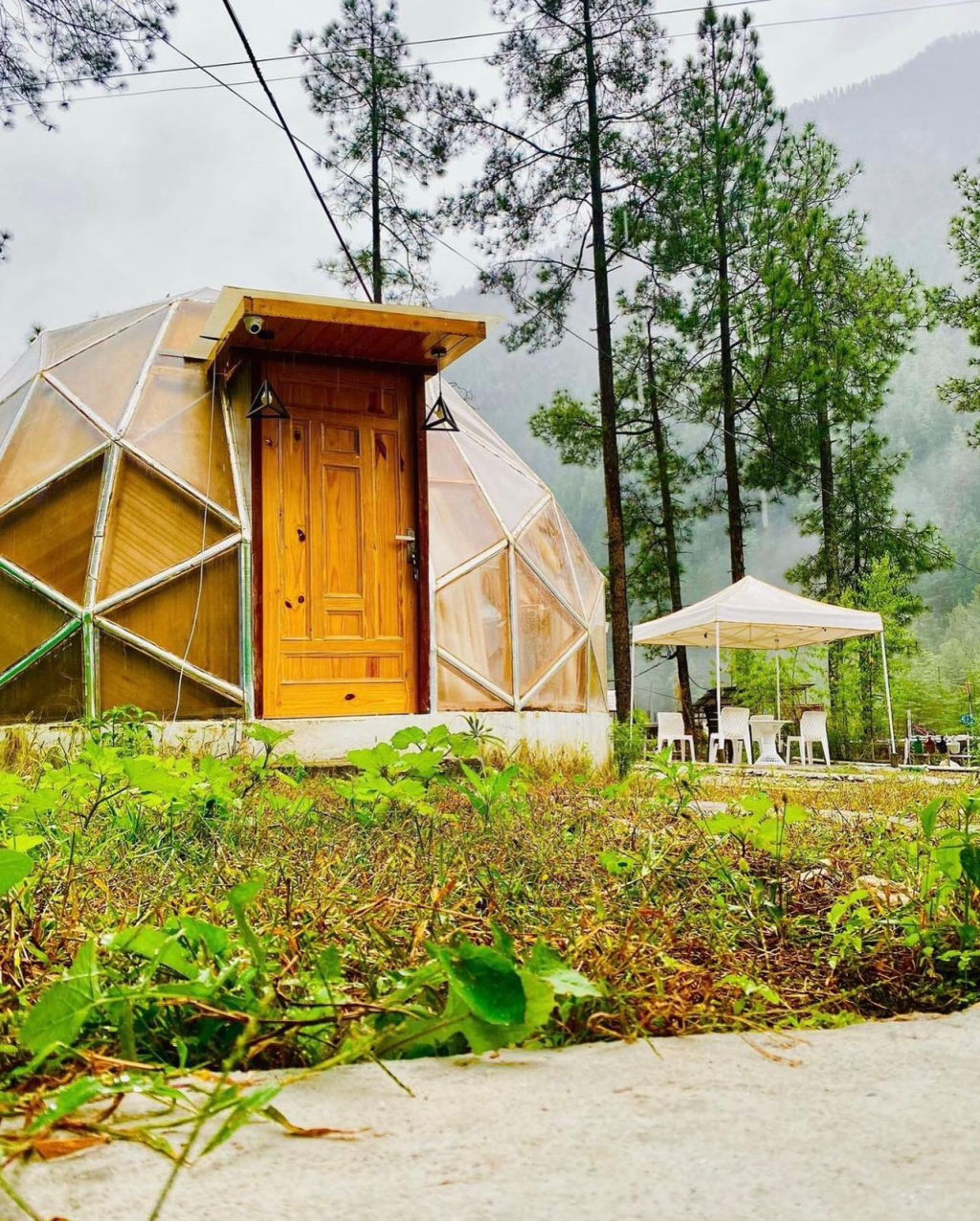
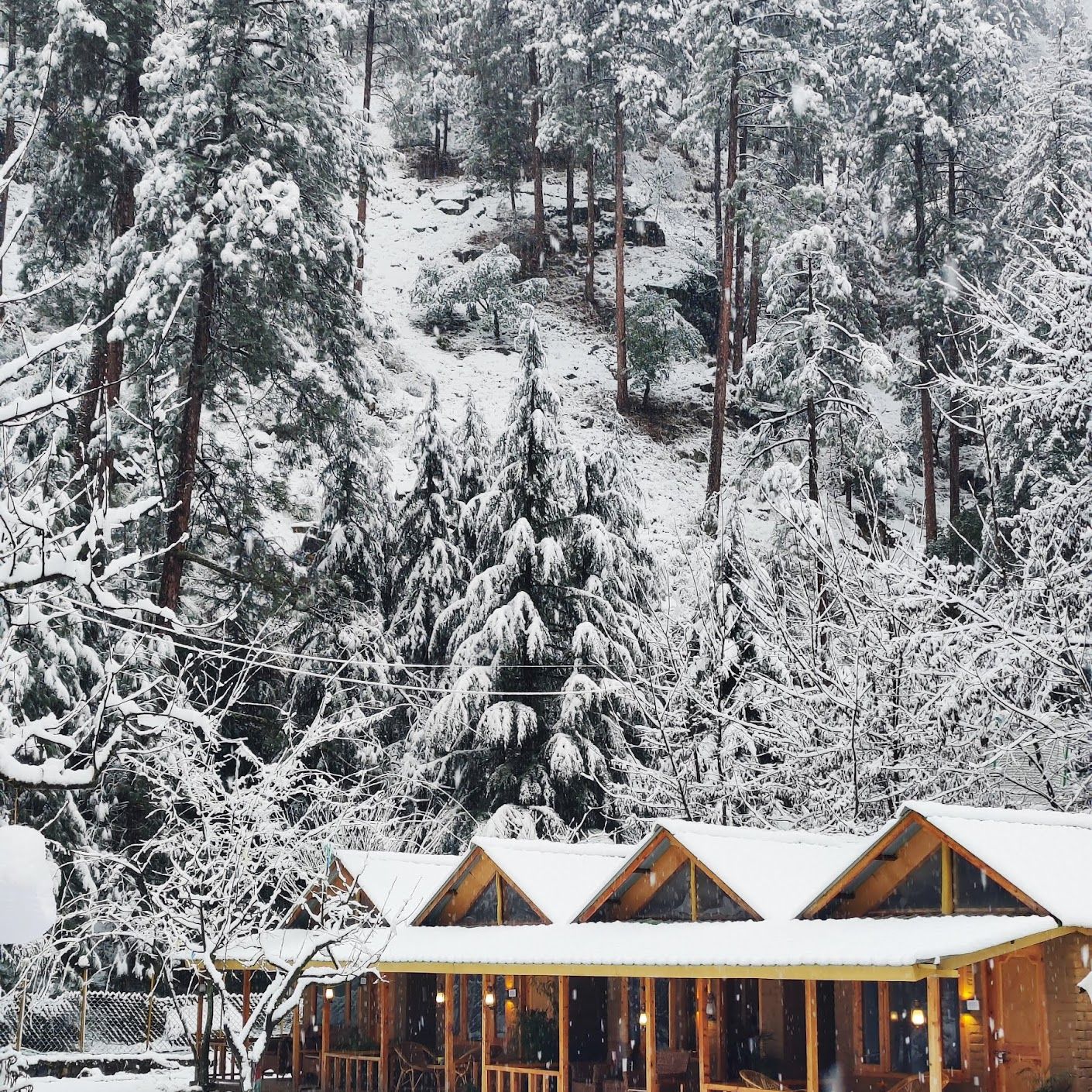
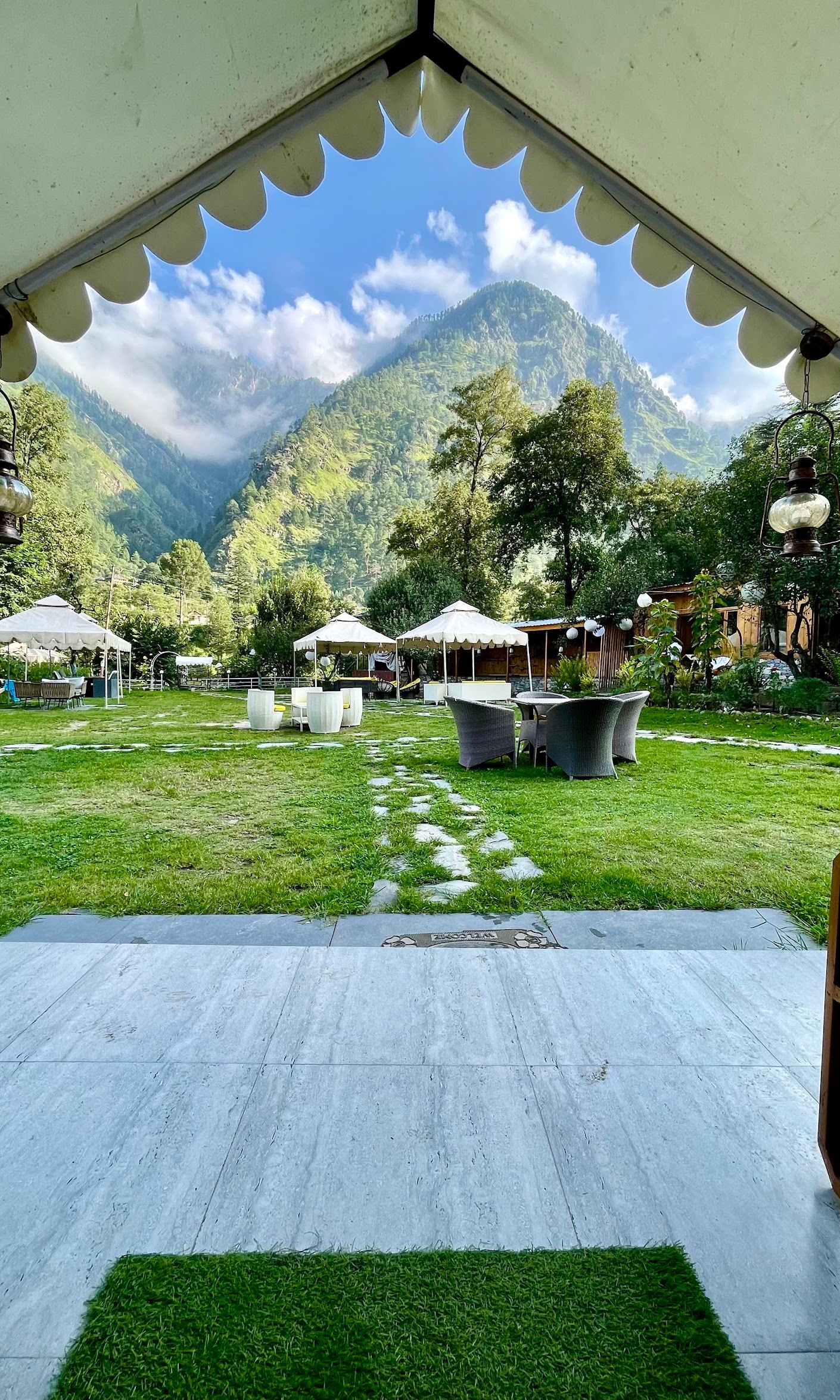
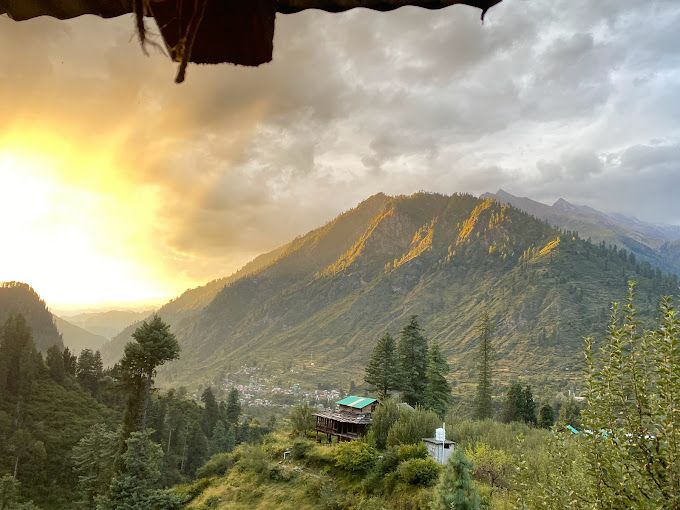
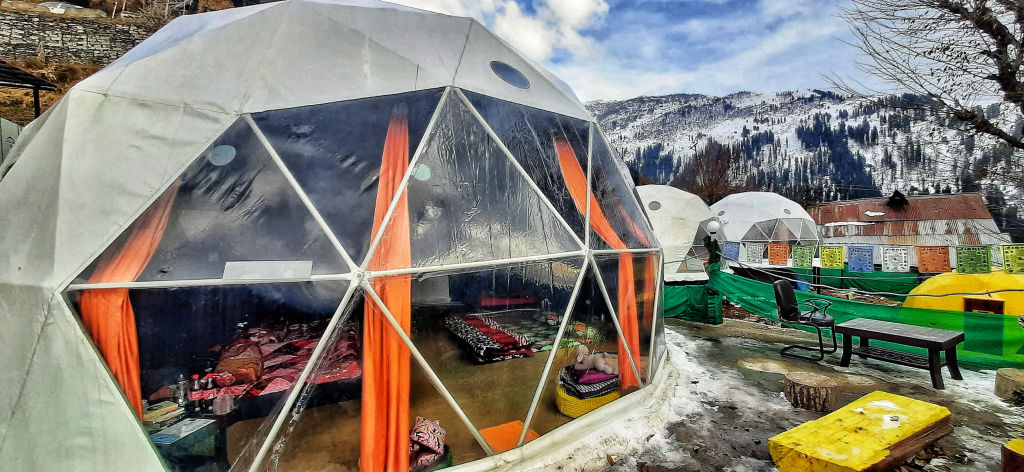
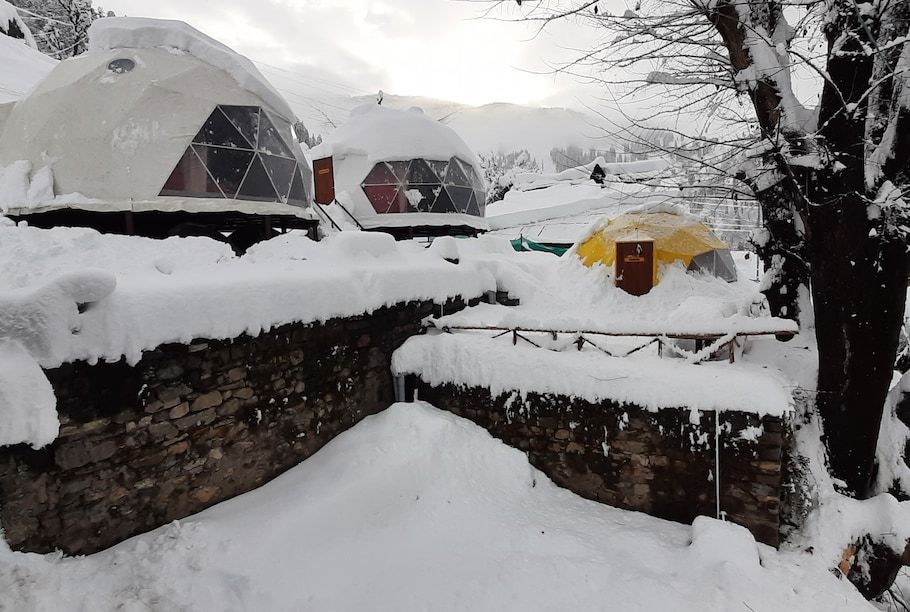
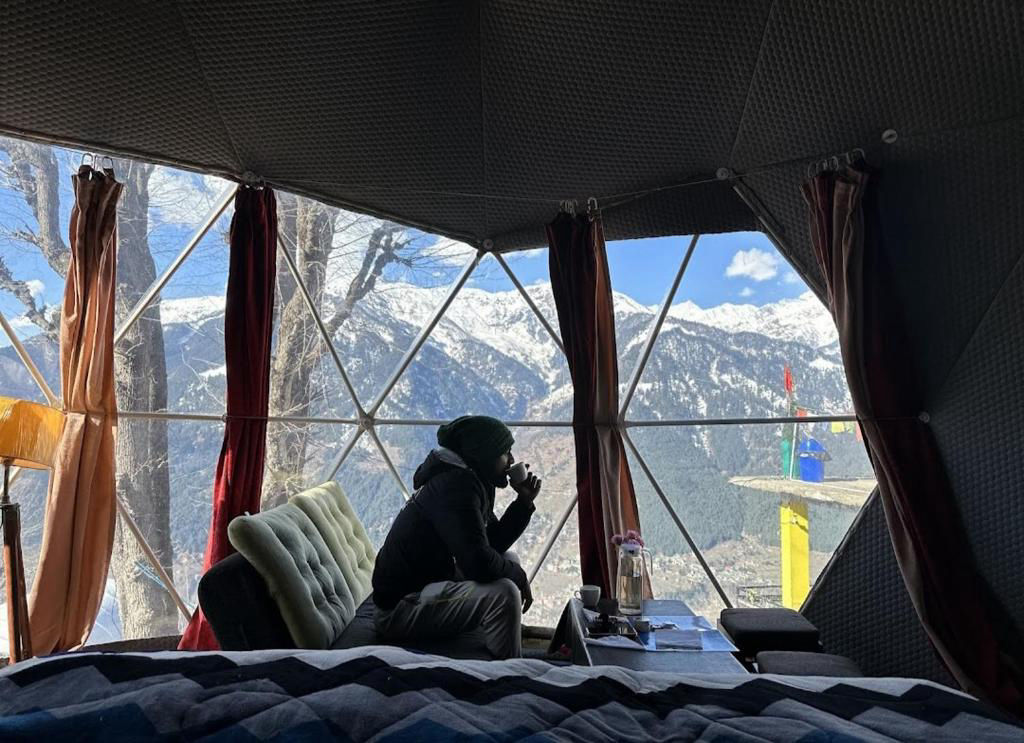
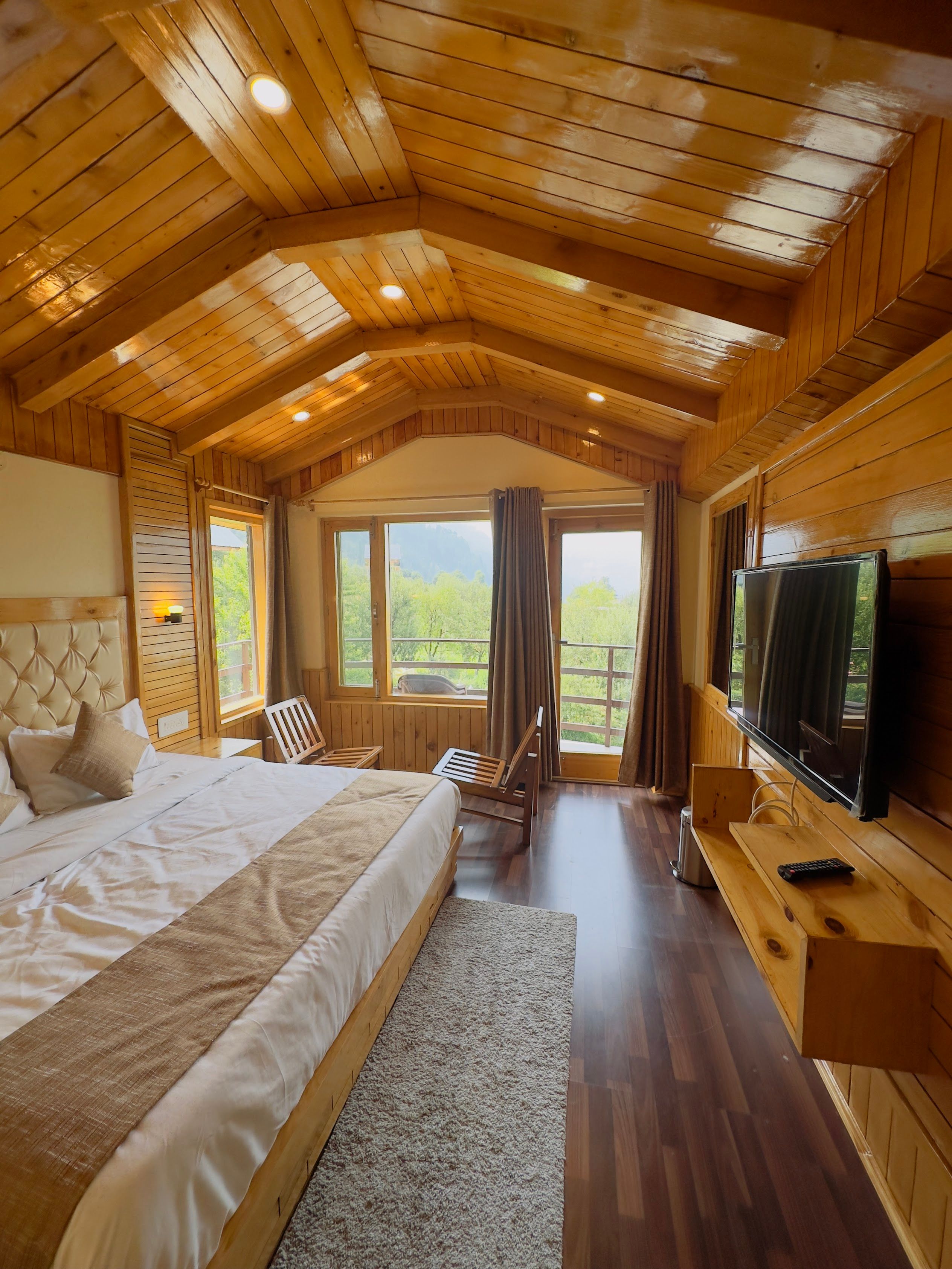
Manikaran offers a range of simple guest houses, rest houses, and traditional family-run lodges, particularly within the central market and riverside lanes. Because space in the tight valley basin is limited, many travellers prefer to set up base in neighbouring villages down the Parvati Valley, where broader orchards and pine forests offer open mountain views.
Whether you are looking for peaceful riverside homestays, rustic cabins, or experiential mountain campsites tucked away in pine groves, you can find and book an ideal stay in the Parvati Valley on HireACamp. Booking in advance is recommended during summer festival periods and regional holiday weekends.
Frequently asked questions
What is Manikaran Shiva Temple famous for?
The temple is renowned for its ancient stone shikhara architecture, its mythological link to Lord Shiva and Goddess Parvati, and the natural boiling hot springs that emerge right beside the shrine.
Can visitors take a dip in the hot springs at Manikaran?
Yes, designated bathing pools and baths are maintained in the complex and the adjacent gurudwara where visitors can bathe in the naturally heated, mineral-rich spring waters.
How far is Manikaran Shiva Temple from Kasol?
Manikaran is located roughly four kilometres upstream from Kasol, making it an easy trip by local bus, taxi, or even on foot along the valley road.
Is there an entry fee to visit Manikaran Shiva Temple?
There is no general entry fee to visit the temple. Visitors should check locally for any guidelines regarding photography or specific prayer offerings inside the inner sanctum.
What should I wear when visiting the temple?
Modest and respectful clothing is customary for entering the temple premises. Because the stone steps near the hot springs can be wet and warm, easily removable footwear with good tread is recommended.
Where you'll be
Kullu Sub-District · 12 stays nearby shown with prices
Stays near Manikaran Shiva Temple
Book a place to stay close by
More places near Manikaran Shiva Temple
Within 20 km


Built from 0 Instagram posts by 0 creators. Every tip links back to the post it came from, and where creators disagree we show both sides.






