
Sant Nivrutti Nath Samadhi Mandir
Temple near Metghar Killa, Maharashtra
1.3 km from Metghar Killa
The nearest town, for stays, food and fuel.
Sant Nivrutti Nath Samadhi Mandir is a revered Hindu pilgrimage site situated along Trimbak Road in the historic town of Trimbakeshwar, Maharashtra. It marks the sacred resting place of Sant Nivruttinath, the elder brother and spiritual guide of the celebrated 13th-century saint Dnyaneshwar. Travellers and Varkari pilgrims visit this shrine to seek blessings, immerse themselves in quiet contemplation, and explore the deep-rooted Bhakti heritage of the Western Ghats.
Getting there
By road
- From Metghar KillaNearest town4 min · 1.2 km
- From Nashik45 min · 31 km
- From Mumbai 3 hr 45 min · 196 km
- From Pune5 hr 15 min · 275 km
Typical drive times without traffic. Stations and airports from OLA Maps; distances and typical drive times from OpenStreetMap (© OpenStreetMap contributors); notes from creators' Reels.
About Sant Nivrutti Nath Samadhi Mandir
Written with AI from map data and general knowledge. Check prices and timings locally before you go.
Spiritual significance of the temple
Sant Nivrutti Nath Samadhi Mandir holds profound cultural and religious importance within the Varkari movement and the wider Nath tradition of Maharashtra. Sant Nivruttinath was the eldest of four divine siblings, which included Sant Dnyaneshwar, Sant Sopandev, and Sant Muktabai. Initiated into the Nath lineage by Gahininath, Nivruttinath became the spiritual preceptor to his siblings, guiding Dnyaneshwar to compose the celebrated Dnyaneshwari. His samadhi in Trimbakeshwar serves as a living symbol of devotion, detachment, and selfless guidance.
Pilgrims walking the traditional Varkari wari consider this temple one of their ultimate sanctuaries. Entering the sanctum provides a stark sense of peace, drawing both traditional devotees who come singing abhangas and travellers interested in the spiritual tapestry of ancient Maharashtra. Unlike places focused solely on elaborate rituals, the spirit here emphasizes introspection, humility, and the remembrance of the saintly traditions that shaped the regional literature and philosophy.
The temple grounds and atmosphere
The temple complex is structured in traditional Maharashtrian architectural style, built with dark basalt stone that is characteristic of historical constructions across the Sahyadri belt. The atmosphere inside the temple grounds is generally unhurried and calm compared to the bustling streets of Trimbak. Devotees gather in the assembly hall facing the inner sanctum to sing hymns, meditate, or sit in silence while watching the daily offerings.
A walk around the courtyard reveals modest yet evocative stone work, brass oil lamps, and depictions of the saint and his siblings. The scent of dhoop incense, fresh flowers, and chandan fills the air throughout the day. While large groups of pilgrims arrive during specific lunar dates and festival weeks, regular days offer a peaceful refuge where travellers can pause and experience the quiet rhythms of everyday devotion in Trimbakeshwar.
Read more
Best time to visit Trimbak
The regional climate of Trimbakeshwar is shaped by its position in the Western Ghats, making seasonal timing an important factor when planning your journey. The winter months from October to February are widely regarded as the most comfortable period for visiting. During this window, days are sunny and pleasant with temperatures rarely becoming uncomfortable, while evenings bring a cool, crisp mountain breeze suitable for temple visits and village walks.
The monsoon season from June to September transforms the surrounding hills into a panorama of deep emerald green. Trimbak receives heavy rainfall during these months, with clouds drifting low over the temple rooftops and seasonal waterfalls appearing across the nearby ridges. While travelling on wet roads requires extra caution, the damp, fresh atmosphere appeals greatly to nature enthusiasts. Summers between March and May tend to be warm and dry, making early morning or post-sunset visits the most sensible choice.
How to reach Sant Nivrutti Nath Mandir
Sant Nivrutti Nath Samadhi Mandir is located in Trimbakeshwar town along the Trimbak Road, roughly thirty kilometres west of the city of Nashik. Nashik acts as the primary transit hub for the region, offering direct rail connections to Mumbai, Pune, and other major cities across India. From Nashik Road railway station or the central bus depots, state transport buses and shared taxis make regular runs up to Trimbak throughout the day.
If you are arriving by private car or motorcycle from Mumbai, the journey heads up via the Mumbai-Nashik highway through Kasara Ghat before branching toward Trimbakeshwar. Travellers arriving from Pune generally approach via the Sangamner-Nashik highway. Once in Trimbak town, the shrine is conveniently located within walking distance of the central market areas, with local auto-rickshaws available for easy intra-town commuting.
Places to visit nearby
A visit to Sant Nivrutti Nath Samadhi Mandir pairs naturally with exploring the rich natural and historical landmarks around Trimbakeshwar. Just one kilometre away stands the renowned Trimbakeshwar Jyotirling Mandir, celebrated for its intricate black-stone architecture and its status as one of the twelve sacred Jyotirlingas. Towering directly behind the town is the sacred Brahmagiri mountain, rising roughly two kilometres away, which serves as the origin point of the sacred Godavari River and offers a popular hill trail.
Adventure seekers can head five kilometres outward to the rugged heights of Anjaneri, revered in legend as the birthplace of Lord Hanuman and home to rare flora and flat-topped plateaus. For those interested in challenging ascents, Harihar Fort is roughly six kilometres away, famous among trekkers for its near-vertical stone-carved steps. Nature lovers visiting during or shortly after the rainy season can also detour to Dugarwadi Waterfall, located roughly six kilometres from town, where seasonal cascades plunge into a forested gorge.
Tips for your visit
To ensure a respectful experience at the temple, visitors should dress modestly, keeping shoulders and knees covered as per regional customs. You will be required to leave your footwear outside the main temple entrance in designated shoe racks. While photography is often allowed in outer courtyards, cameras and mobile recording are generally restricted inside the inner sanctum, so always pay attention to posted signage or inquire locally before taking pictures.
If you wish to attend morning or evening aarti, check locally upon arrival for the exact schedule as timings can vary slightly with seasonal shifts. Carrying a small cloth bag for your belongings and keeping some small cash handy for local offerings or nominal shoe-keeping can be useful. If you plan to hike to Brahmagiri or nearby peaks on the same day, start early in the morning to avoid midday heat and wear sturdy walking shoes.
Where to stay around Trimbakeshwar
Trimbakeshwar offers an array of simple guesthouses and pilgrim dharamsalas in the center of town, ideal for those who wish to stay within walking distance of the temples. For travellers looking for more scenic, unhurried surroundings, the countryside stretching between Trimbak, Anjaneri, and the Gangapur backwaters provides a quieter alternative.
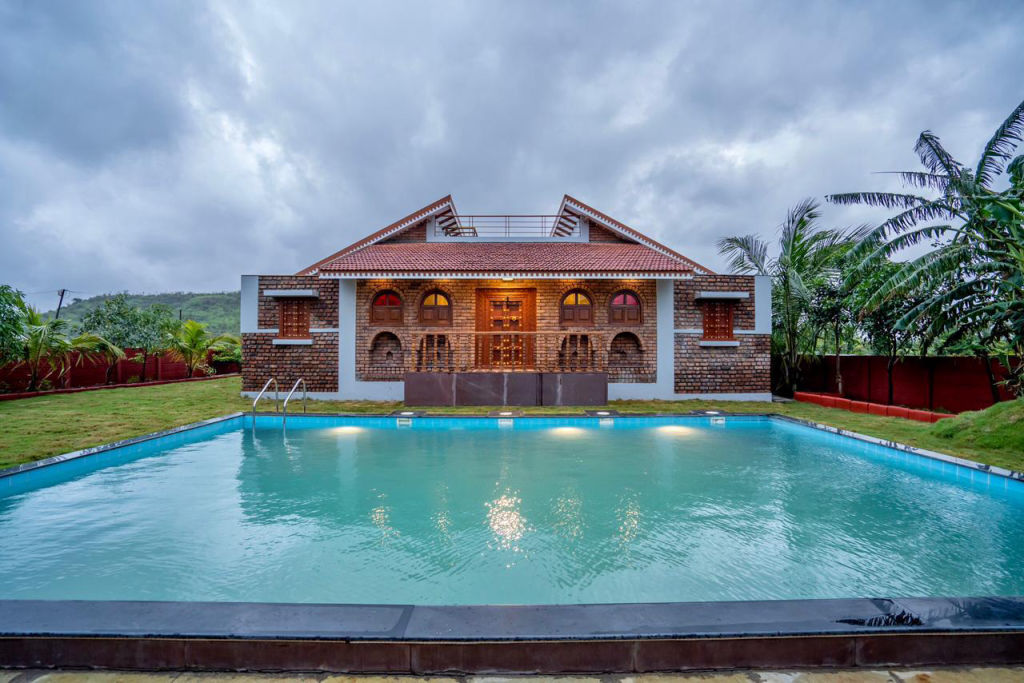
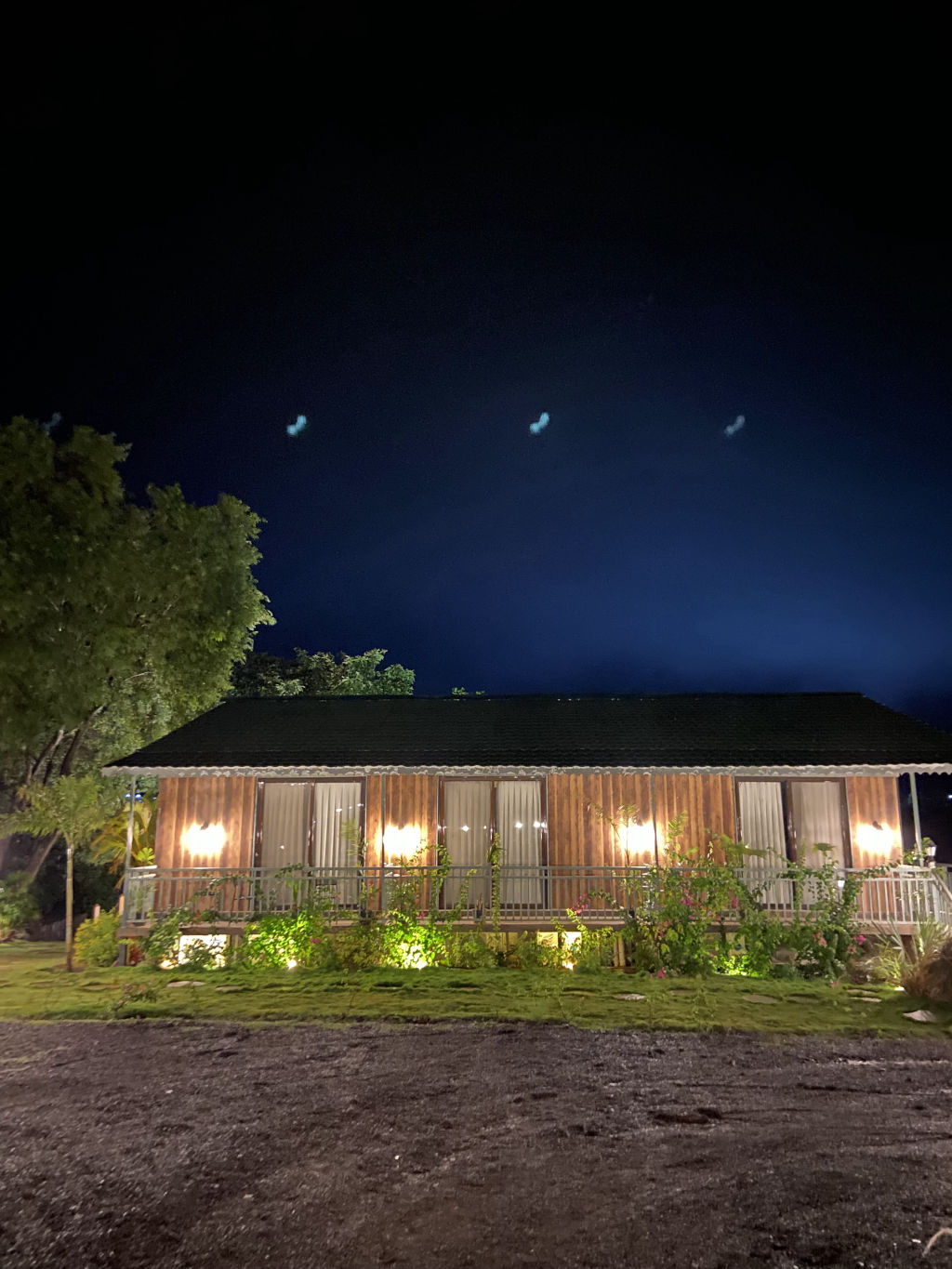
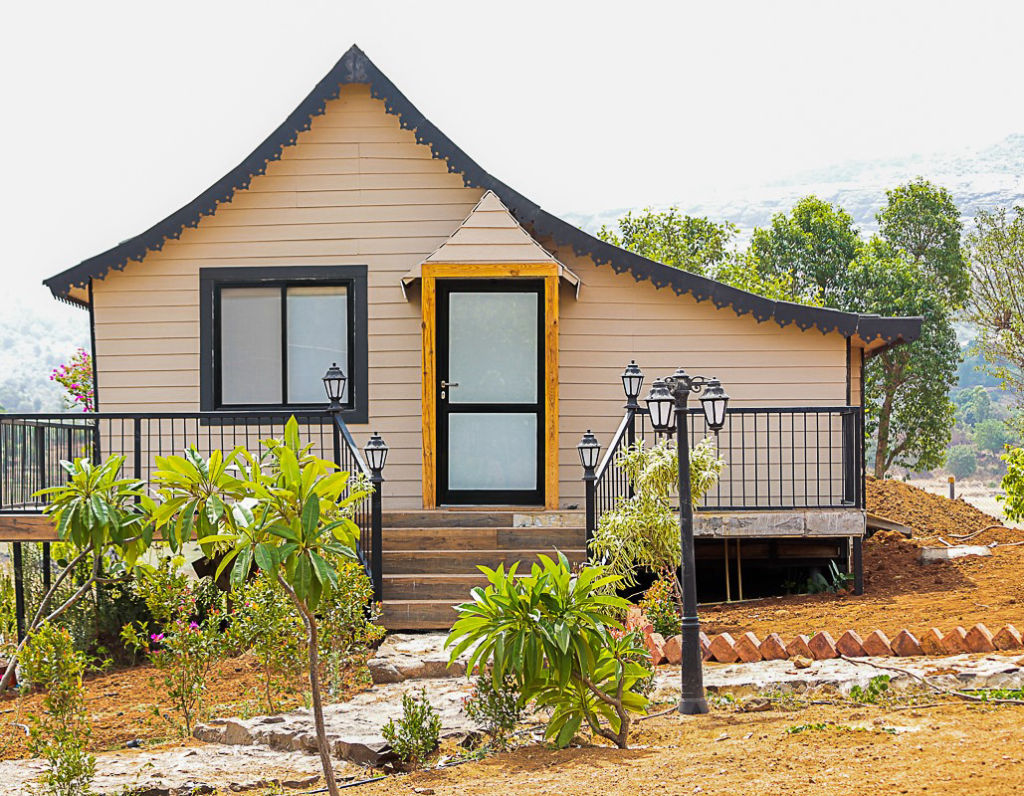
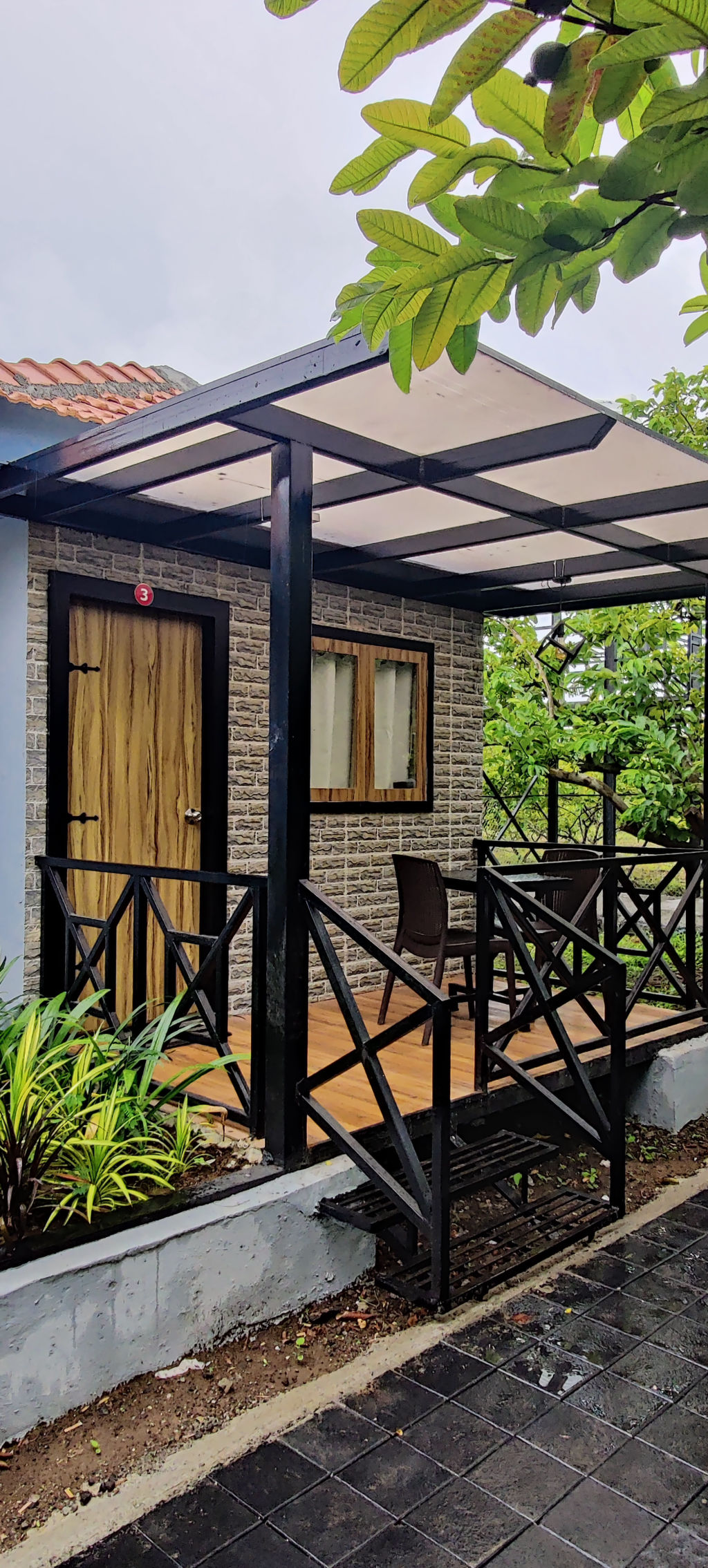
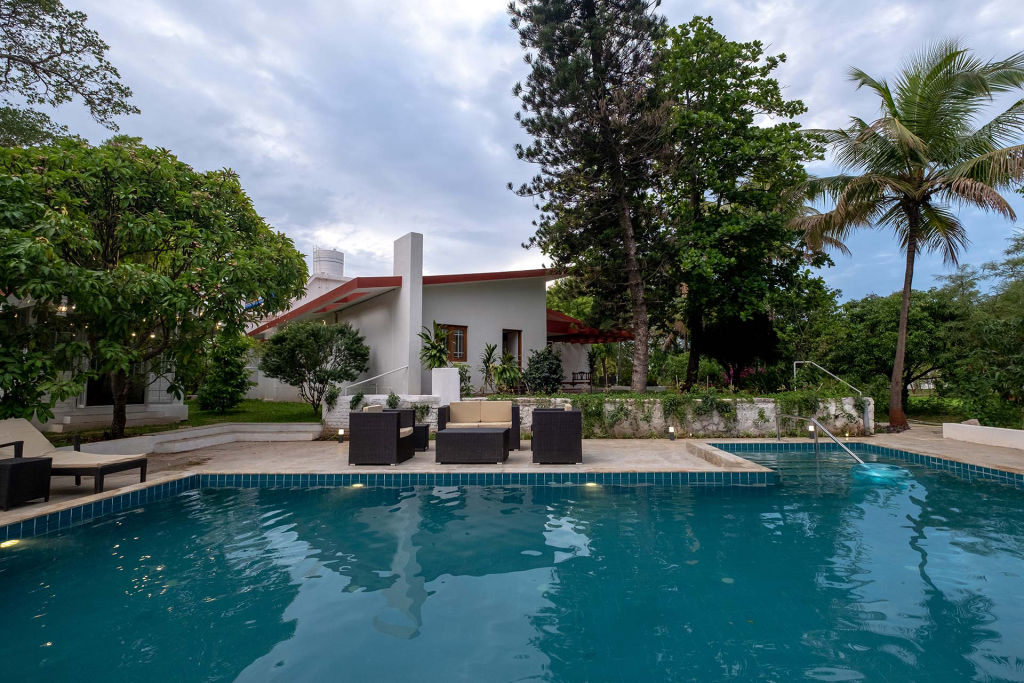
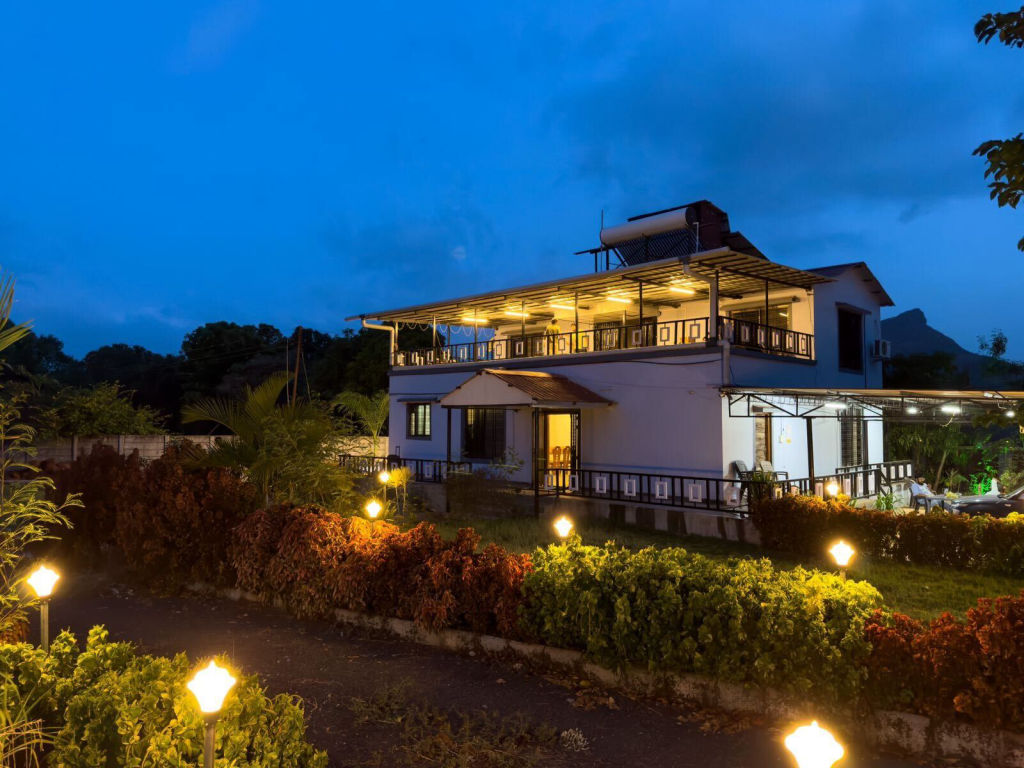
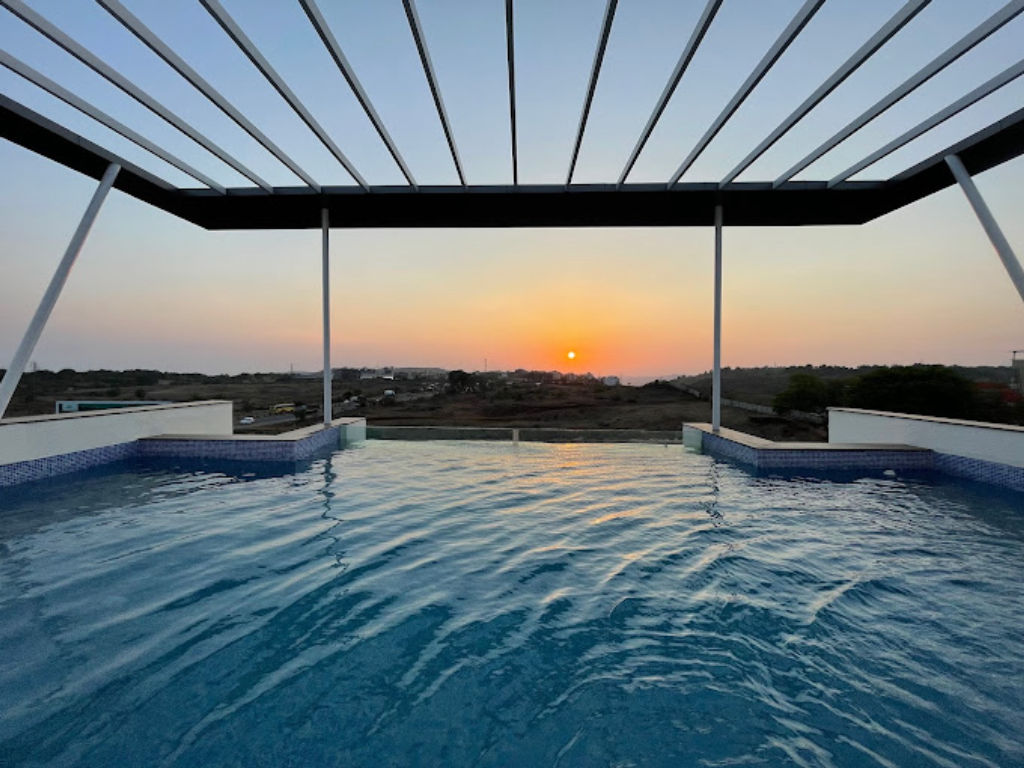
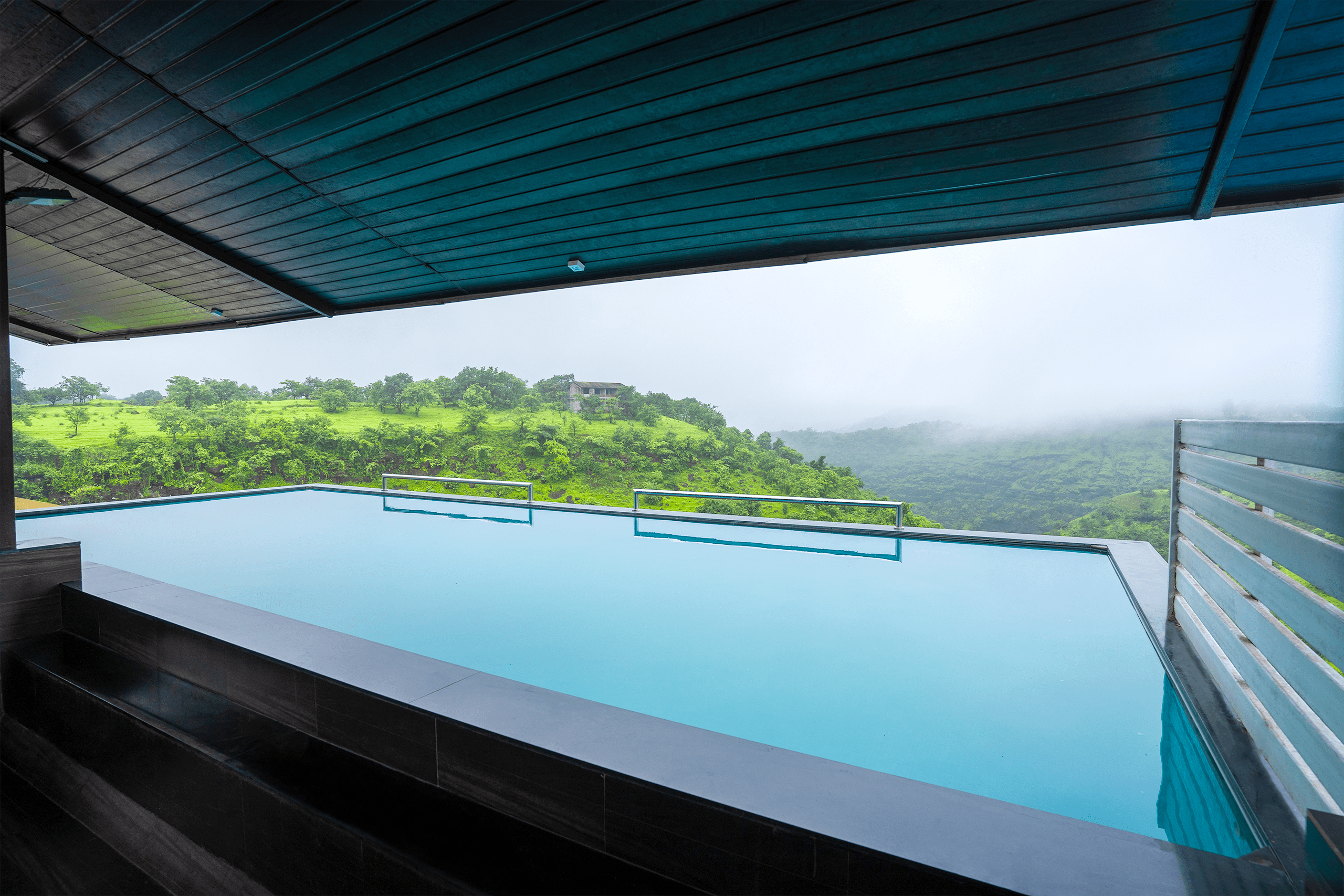
If you prefer falling asleep to nature sounds and waking up to panoramic views of the Sahyadri mountains, consider booking unique camps, homestays, and farm stays on HireACamp. Staying just outside the busy market streets allows you to enjoy peaceful outdoor spaces, regional rural meals, and immediate access to hill trails after concluding your temple visits.
Frequently asked questions
Who was Sant Nivruttinath?
Sant Nivruttinath was an eminent 13th-century saint of the Nath and Varkari traditions. He was the elder brother and spiritual guru of Sant Dnyaneshwar, guiding him in his spiritual journey and literary works.
Is Sant Nivrutti Nath Mandir close to Trimbakeshwar Jyotirling Mandir?
Yes, Sant Nivrutti Nath Samadhi Mandir is located within Trimbakeshwar town, approximately one kilometre away from the Trimbakeshwar Jyotirling Mandir.
What is the best time of year to visit the temple?
The winter months from October to February offer cool and comfortable weather for visiting. The monsoon season between June and September is also popular for experiencing the lush green landscape of the surrounding Sahyadri hills.
Are there dress codes or rules to follow inside the temple?
Visitors are expected to dress modestly and remove their footwear before entering the temple complex. Photography is generally restricted inside the primary sanctum, so check posted guidelines upon arrival.
Can I find homestays or camps near Trimbakeshwar?
Yes, nature stays, rural homestays, and scenic campsites in the nearby foothills and countryside can be booked through HireACamp.
Where you'll be
Trimbak Road, Trimbakeshwar, MH · 10 stays nearby shown with prices
Stays near Sant Nivrutti Nath Samadhi Mandir
Book a place to stay close by


More places near Sant Nivrutti Nath Samadhi Mandir
Within 20 km


Lists for this area
Ranked by how many creators recommend each place


Built from 0 Instagram posts by 0 creators. Every tip links back to the post it came from, and where creators disagree we show both sides.






