
Hemis National Park
Park near Rumbak, Ladakh
7.6 km from Rumbak
The nearest town, for stays, food and fuel.
Hemis National Park is a high-altitude protected sanctuary located in the eastern Ladakh region of northern India. Internationally renowned as one of the best habitats for the elusive snow leopard, the park spans rugged valleys, deep gorges, and windswept alpine passes south of the Indus River. Travellers, trekkers, and wildlife enthusiasts visit to experience its stark trans-Himalayan wilderness and spot rare montane fauna in their natural habitat.
Getting there
By road
- From RumbakNearest town2 min · 700 m
Typical drive times without traffic. Stations and airports from OLA Maps; distances and typical drive times from OpenStreetMap (© OpenStreetMap contributors); notes from creators' Reels.
About Hemis National Park
Written with AI from map data and general knowledge. Check prices and timings locally before you go.
The high-altitude wilderness of Hemis
Hemis National Park sprawls across vast expanses of eastern Ladakh, bounded by the Indus River to the north and rugged sub-ranges of the Himalayas on all sides. Characterised by dry, scree-covered ridges, deeply carved valleys, and towering alpine summits, the park sits entirely within the trans-Himalayan rain shadow. It is one of the largest protected areas in South Asia and preserves a delicate high-altitude desert ecosystem that sustains uniquely adapted flora and fauna.
Vegetation inside the park is sparse due to low precipitation, freezing winters, and high altitude. Patchy alpine meadows, scrublands composed of juniper, birch, and sea buckthorn, and willow clusters near stream banks provide pockets of cover and nourishment. The terrain changes dramatically with elevation, rising from riverbeds flanked by rocky bluffs up to glaciated peaks that scrape the sky, presenting a landscape of raw, undisturbed natural beauty.
Wildlife and flora in Hemis National Park
Hemis National Park is globally celebrated for supporting the highest density of snow leopards in any protected area in the world. These camouflaged apex predators roam the steep mountain crags in search of wild ungulates. The blue sheep, or bharal, serves as their primary prey base and can frequently be spotted grazing in herds along dizzying cliff faces. Alongside the bharal, the park is home to the Ladakh urial, Asiatic ibex, Tibetan wolf, Eurasian brown bear, and the red fox.
Avian life in the park is equally remarkable. Birdwatchers frequently record high-altitude raptors and ground-dwelling birds soaring across the valleys or foraging near scrub slopes. Golden eagles, Himalayan griffons, and lammergeiers glide on powerful thermals over jagged ridges, while chukar partridges, fire-fronted serins, and wallcreepers navigate the rocky terrain below. During the warmer summer months, migratory birds pause along glacial meltwater streams.
Read more
Trekking and trails in the park
Trekking is the primary way to explore Hemis National Park, as motorable roads end near the perimeter valleys. The Markha Valley trek is the most famous route passing through the park, taking hikers through traditional Ladakhi settlements, ancient ruined fortresses, and across dramatic high mountain passes. Along the way, trekkers traverse glacial rivers, broad river terraces, and stone villages where centuries-old pastoral ways of life still continue.
For those interested in mountaineering, the park provides access to challenging ascents such as Kang Yatze, which towers over the head of the Markha Valley. Other routes lead deeper into the Rumbak and Tarbung valleys, which are particularly favoured during snow leopard tracking expeditions in winter. The trails require physical endurance, proper acclimatisation, and self-sufficiency, but they reward adventurers with some of the most dramatic mountain scenery in the Himalayas.
Best time to visit Hemis National Park
The best time to visit Hemis National Park depends heavily on whether your primary objective is trekking or wildlife tracking. The summer months from June to September offer the most comfortable conditions for hiking, camping, and exploring the trails. During this period, high mountain passes are generally clear of heavy snow, daytime temperatures are moderate, and local homestays in interior villages are open to travellers.
If the primary goal is spotting snow leopards, the deep winter months between December and March are the prime season. Freezing temperatures and heavy snow force prey animals like the blue sheep down from high ridges into the valley bottoms, with snow leopards following closely behind. Winter travel in Ladakh demands thorough preparation, as temperatures regularly plunge well below freezing and paths are often blanketed in ice and snow.
How to reach Hemis National Park
The gateway to Hemis National Park is the town of Leh, which has direct air connections to major Indian cities such as Delhi and seasonal road access via the Manali-Leh and Srinagar-Leh highways. Travellers arriving by air must dedicate at least two to three full days resting in Leh to acclimatise to the altitude before venturing into the park.
From Leh, road transport takes travellers to various entry trailheads around the park boundary. Common starting points include Spituk, Zingchen, or the village of Chilling, depending on the chosen route. From these road-heads, all further travel through the park must be done on foot or with pack animals, as the interior is devoid of vehicular roads. Visitors should ensure they have organised local transport and guided support in Leh before departing.
Tips for visiting the park
Travelling in Hemis National Park requires meticulous logistical and physical preparation. Altitude sickness is a genuine risk that must be managed by pacing yourself, staying properly hydrated, and listening to your body. Weather conditions in the mountains can shift without warning, so high-grade thermal layers, windproof jackets, sturdy waterproof trekking boots, and reliable sun protection are non-negotiable year-round.
Respect the delicate ecology and fragile mountain culture of the park. Always carry out all non-biodegradable waste, stick to established trails, and avoid disturbing wildlife. Because cellular connectivity disappears as soon as you enter the valleys, carry satellite emergency devices or travel with experienced local guides. Any required wildlife or inner-line permits should be checked and secured locally in Leh prior to commencing your journey.
Where to stay around Hemis National Park
Accommodation options vary depending on the season and your chosen trail. Inside the park, trekking routes feature traditional homestays in remote settlements like Rumbak, Yurutse, and Markha, offering a warm and authentic glimpse into rural Ladakhi life. In wilderness sections and high camps near mountain passes, self-contained wilderness camping is the primary means of lodging.
Outside the park boundaries, comfortable guesthouses, camps, and homestays are available in Leh and the villages lining the Indus Valley. You can explore and book verified stays and outdoor camps in the Ladakh region through HireACamp to serve as your base before and after your expedition into the national park.
Frequently asked questions
Can I see snow leopards in Hemis National Park?
Yes, Hemis National Park is world-famous for its healthy population of snow leopards. Sightings are most likely during guided winter tracking expeditions between December and March, when snow drives the animals lower into the valleys.
Do I need permits to visit Hemis National Park?
Yes, permits and wildlife sanctuary fees are generally required to enter and trek within the park. Travellers should verify current permit regulations and obtain necessary passes locally in Leh before entering the park.
How difficult is trekking in Hemis National Park?
Trekking in the park ranges from moderate to strenuous due to high elevations, river crossings, and steep passes that often exceed 4,800 metres. Good physical fitness and proper acclimatisation are essential for any trek here.
Are there roads inside Hemis National Park?
No, there are no motorable roads inside the interior of Hemis National Park. Exploration is conducted entirely on foot along established trekking paths, with pack animals often used to carry gear.
What is the nearest town to Hemis National Park?
Leh is the nearest major town and administrative hub, offering airports, medical facilities, markets, and travel agencies that arrange expeditions into the park.
Where you'll be
Ladakh · 3 stays nearby shown with prices
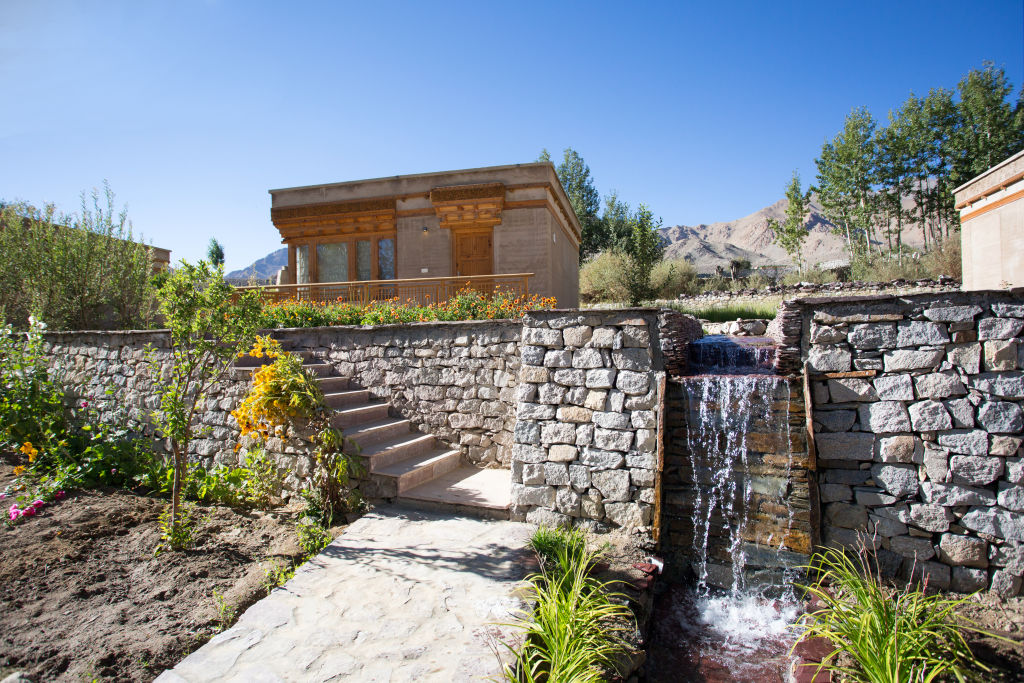
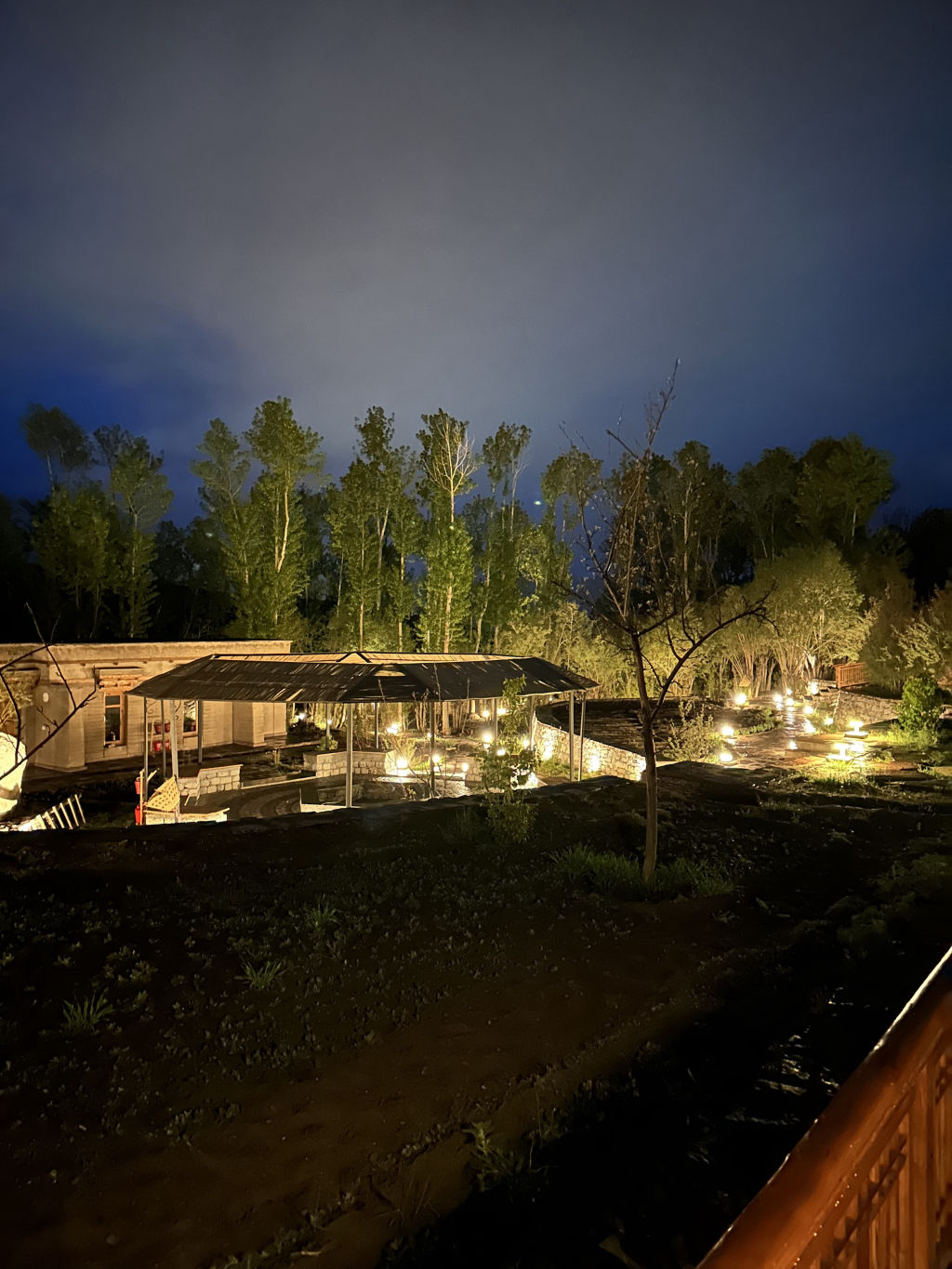
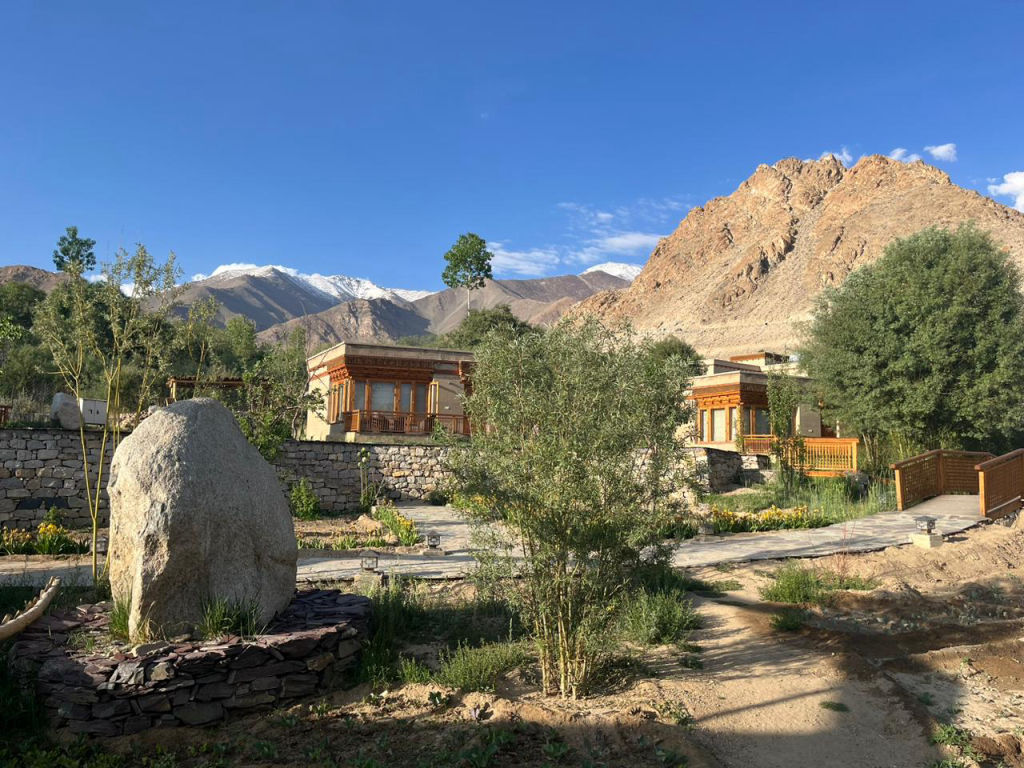
Stays near Hemis National Park
Book a place to stay close by
More places near Hemis National Park
Within 20 km
Built from 0 Instagram posts by 0 creators. Every tip links back to the post it came from, and where creators disagree we show both sides.






