
Stok Kangri
Peak near Rumbak, Ladakh
7.5 km from Rumbak
The nearest town, for stays, food and fuel.
Stok Kangri is a towering mountain peak rising to over six thousand metres in the Ladakh Range, located directly south of Leh in northern India. Visible from the Indus Valley on clear days, it has long drawn trekkers and mountaineers keen on experiencing serious high-altitude Himalayan terrain. The surrounding landscape of rugged ridges, glacial moraines, and barren valleys offers a stark, captivating look at Ladakh's cold-desert geography.
Getting there
By road
- From RumbakNearest town2 min · 700 m
Typical drive times without traffic. Stations and airports from OLA Maps; distances and typical drive times from OpenStreetMap (© OpenStreetMap contributors); notes from creators' Reels.
About Stok Kangri
Written with AI from map data and general knowledge. Check prices and timings locally before you go.
The Character and Landscape of Stok Kangri
Stok Kangri stands at an elevation of 6,153 metres, making it the highest summit in the Stok Range of the Himalayas. Rising sharply above the Indus River basin, the peak acts as a backdrop to the town of Leh. Unlike the lush, green mountains found in the lower Himalayan states, Stok Kangri is defined by raw rock, scree slopes, and glaciated cirques characteristic of the Trans-Himalayan rain shadow.
The terrain around the peak transitions gradually from the cultivated willow and barley fields of Stok village into a stark, Martian expanse of bare rock, loose shale, and perennial snowfields. Wildlife in the surrounding Hemis National Park region includes blue sheep (bharal), marmots, Tibetan wolves, and occasionally snow leopards in the higher reaches. The summit ridge presents a broad view of the Karakoram Range to the north, including the Saser peaks, along with the Zanskar Range stretching across the southern horizon.
Trekking Routes and the Climb
The journey to Stok Kangri traditionally starts from the village of Stok, located at the mouth of the valley. From the trailhead, the route traces the Stok River through a canyon before widening into the open pastures of Chang Ma and Mankorma. These intermediate camps serve as crucial halts for resting, hydrating, and adjusting to the thinning air before reaching Stok Kangri Base Camp, which sits above 4,900 metres.
From base camp, the trail ascends over moraines towards the advance base camp and the glacier. The final push to the summit involves crossing snowfields and traversing a prominent, exposed ridgeline. While the ascent does not typically require technical rock climbing, it demands considerable stamina, crampon work on ice, and resilience against sub-zero temperatures and high winds.
Climbing regulations and permits for Stok Kangri are subject to local governance decisions by the village community and local mountaineering associations, who have at times closed the peak to allow the fragile high-altitude environment and water sources to recover. Travellers should always verify the current permit status and climbing access locally in Leh before making expedition plans.
Read more
Best Time to Visit Stok Kangri
The primary window for trekking towards Stok Kangri is during the Ladakhi summer, spanning from late June through September. During these months, daytime temperatures in the valleys are comfortable, snow on the lower approaches melts, and road connectivity into Ladakh via the high mountain passes is fully open.
July and August are the warmest months, though early season traverses in June often encounter heavier snowdrifts along the upper ridgelines. By September, skies turn exceptionally clear and daytime conditions are stable, though night temperatures drop significantly below freezing at base camp. From October onwards, severe winter conditions set in, blanketing the peak in deep snow and causing temperatures to plummet well below freezing, bringing outdoor expeditions in the valley to an effective close.
How to Reach Stok Kangri
The primary gateway to Stok Kangri is Leh, which is connected to major Indian cities through regular flights arriving at Kushok Bakula Rimpochee Airport. Travellers arriving by road can take either the Manali-Leh Highway or the Srinagar-Leh Highway during the summer season, both of which require several days of mountain driving.
From Leh, the village of Stok is an easy drive of approximately fifteen kilometres across the Indus River, taking about thirty to forty minutes under normal conditions. Local taxis and shared transport operate between Leh and Stok village. From Stok village, vehicular access ends, and the remainder of the journey toward the peak must be undertaken on foot along designated trekking trails.
Acclimatisation and Health Preparation
Because of the extreme altitudes involved in any attempt to visit or trek towards Stok Kangri, gradual acclimatisation is critical. Arriving in Leh at 3,500 metres requires at least two to three full days of minimal physical activity before attempting any significant hiking. Acute Mountain Sickness (AMS) is a genuine hazard that can affect anyone regardless of general fitness levels.
Staying well-hydrated, avoiding strenuous exertion during the first few days, and recognising symptoms such as persistent headaches, nausea, or dizziness are vital safety practices. Anyone trekking beyond the lower valleys should carry warm, layered technical clothing, sturdy mountaineering boots, UV-protective eyewear, and a well-stocked wilderness medical kit. Expeditions should always be conducted in self-sufficient groups with experienced local guides who understand high-altitude emergency protocols.
Places to Explore Nearby
The valley beneath the peak holds deep historical and cultural interest. At the base of the trail lies Stok Palace, built in the early nineteenth century and still associated with the royal family of Ladakh. The palace houses a museum containing ancient thangkas, royal armaments, and traditional Ladakhi jewellery.
Further south across the high passes lies the Markha Valley, one of the most celebrated trekking routes in Ladakh, featuring the striking peak of Kang Yatze roughly twenty-eight kilometres away. Deep inside the Zanskar gorge system sits Tibb Cave, an important shelter used during winter traverses along the frozen river. Hemis Monastery, along with the broader expanses of Hemis National Park, offers rich cultural heritage and opportunities to explore high-altitude Himalayan wildlife habitats.
Where to Stay near Stok Kangri
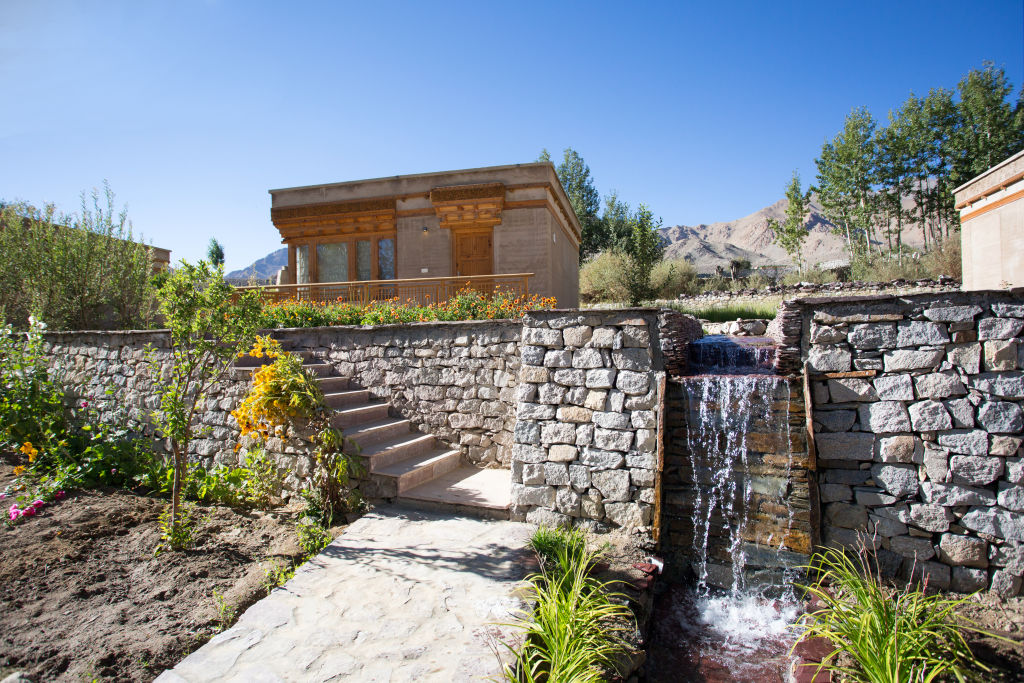
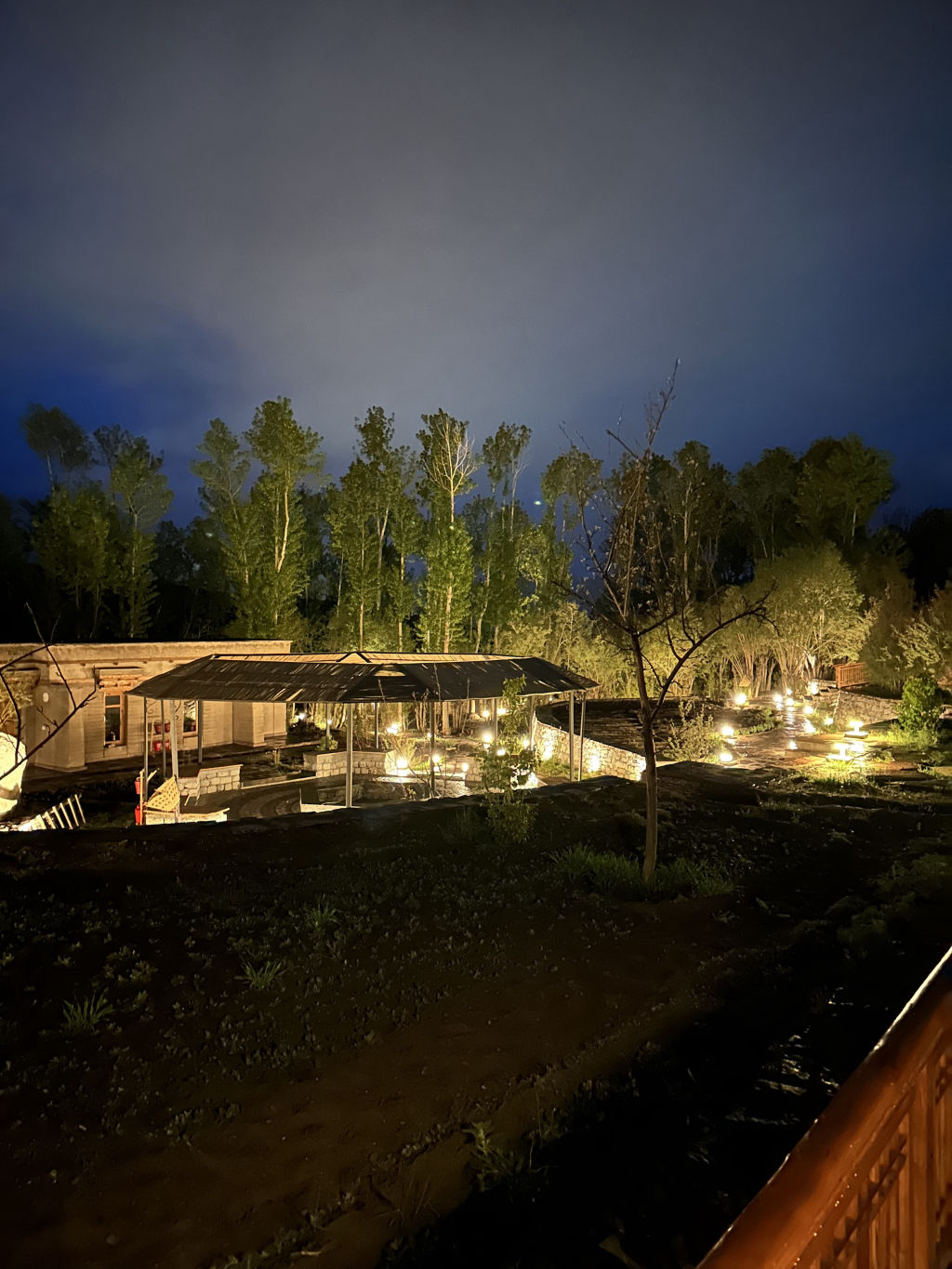
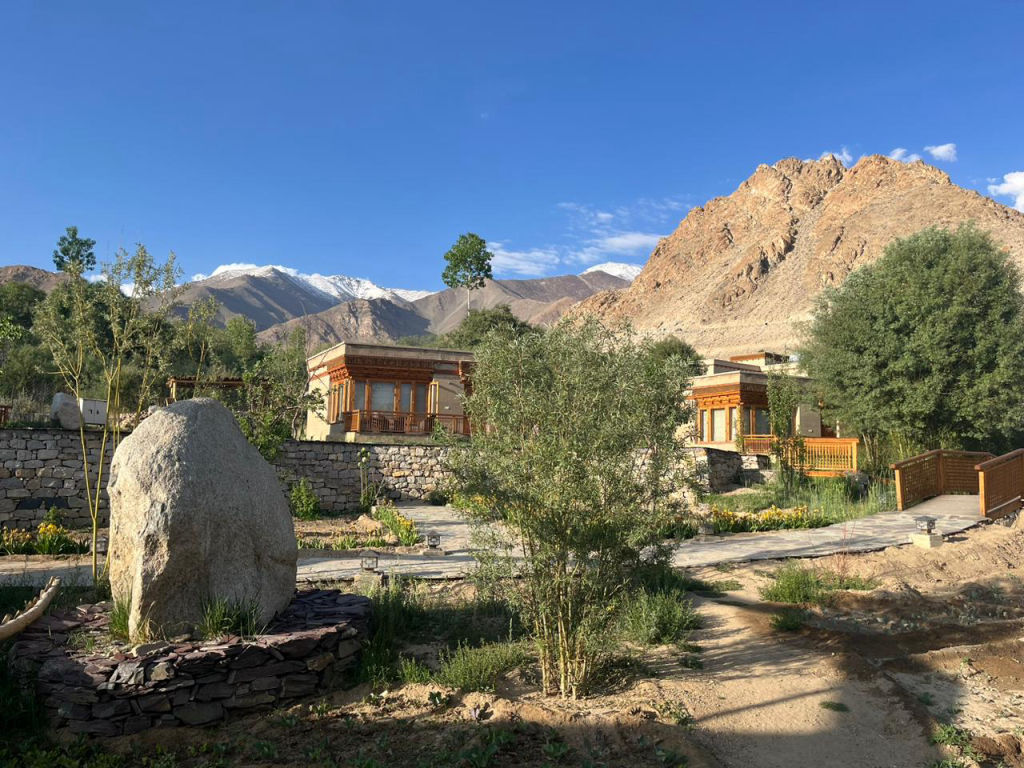
Accommodation options depend on how far along the route you travel. In Leh, visitors have access to a wide variety of guesthouses, small lodges, and hotels. Closer to the trailhead, Stok village offers charming traditional Ladakhi homestays where travellers can experience local hospitality and home-cooked meals while preparing for the trail.
Beyond the village boundary, accommodation is limited strictly to wilderness camping at designated spots like Chang Ma, Mankorma, and Stok Kangri Base Camp. Trekkers must carry their own tents, sleeping mats, and all necessary rations. Homestays, scenic rural retreats, and eco-camps throughout the Leh and Stok areas can be explored and booked on HireACamp.
Frequently asked questions
How high is Stok Kangri?
Stok Kangri rises to an elevation of 6,153 metres (approximately 20,180 feet) in the Ladakh Range.
Is Stok Kangri open for climbing?
Climbing access to Stok Kangri has periodically been restricted by local village councils and mountaineering authorities to protect local glaciers and water resources. Always check the current permit status locally in Leh before arranging a climb.
How difficult is the trek to Stok Kangri Base Camp?
The trek to base camp is physically demanding due to the rapid gain in altitude above 4,900 metres, requiring strong cardiovascular fitness, several days of prior acclimatisation in Leh, and cold-weather hiking gear.
How do I get to the trailhead for Stok Kangri?
The trailhead is at Stok village, which is roughly fifteen kilometres south of Leh and reachable by a thirty to forty minute drive via local taxi across the Indus River.
Can beginners attempt the summit of Stok Kangri?
While often described as non-technical, the extreme elevation, sub-zero conditions, and steep ridge walking make Stok Kangri very strenuous; proper high-altitude trekking experience and good physical conditioning are strongly advised.
Where you'll be
Leh District · 3 stays nearby shown with prices
Stays near Stok Kangri
Book a place to stay close by
More places near Stok Kangri
Within 20 km
Built from 0 Instagram posts by 0 creators. Every tip links back to the post it came from, and where creators disagree we show both sides.






