
Himalayan Mountaineering Institute
Museum near Darjeeling, West Bengal
400 m from Darjeeling
The nearest town, for stays, food and fuel.
The Himalayan Mountaineering Institute in Darjeeling is one of the premier mountaineering schools in the world, established to foster the spirit of exploration after the historic ascent of Mount Everest. Located within the scenic Birch Hill area, it houses a rich mountaineering museum dedicated to landmark Himalayan expeditions and legendary climbers. Visitors and mountain lovers come here to explore climbing history, view vintage gear, and pay homage at the memorial of Tenzing Norgay.
Getting there
By road
- From DarjeelingNearest town3 min · 1.4 km
Typical drive times without traffic. Stations and airports from OLA Maps; distances and typical drive times from OpenStreetMap (© OpenStreetMap contributors); notes from creators' Reels.
About Himalayan Mountaineering Institute
Written with AI from map data and general knowledge. Check prices and timings locally before you go.
History and significance of the Himalayan Mountaineering Institute
The Himalayan Mountaineering Institute, often referred to simply as HMI, holds a foundational place in modern Indian exploration. It was established in Darjeeling in late 1954, just over a year after Tenzing Norgay Sherpa and Sir Edmund Hillary made the first successful ascent of Mount Everest. The institute was envisioned not only as a training ground for aspiring mountaineers from across India and the world, but also as a beacon to encourage young people to pursue climbing as a sport and a way of life.
Tenzing Norgay served as the institute's first Director of Field Training, shaping its curriculum and culture for decades. A walk through the peaceful grounds introduces visitors to the deep bonds between the Sherpa community and high-altitude exploration. The institute continues to train hundreds of adventure enthusiasts every year in basic and advanced mountaineering, search and rescue, and outdoor survival, making it an active seat of learning rather than merely a historic monument.
What to see at the Mountaineering Museum
A primary highlight for travelers visiting the institute is the on-site mountaineering museum. Spread across multiple galleries, the museum presents a comprehensive visual narrative of Himalayan expeditions spanning more than a century. It preserves an extraordinary archive of clothing, climbing boots, oxygen canisters, crampons, and communication radios used during early reconnaissance trips and historic summit attempts on peaks like Everest, Kanchenjunga, and Nanda Devi.
Beyond vintage equipment, the museum displays detailed scale models of the Himalayan mountain system, helping visitors understand the topography of the world's highest peaks. Archival photographs, handwritten diaries, summit flags, and expedition maps showcase the evolving technology of alpine climbing. Outside the museum building lies the Tenzing Norgay Memorial, the final resting place of the legendary mountaineer, marked by a life-sized bronze statue where climbers and travelers pay their respects.
Read more
Best time to visit the Himalayan Mountaineering Institute
Because the institute is located at an altitude of over 2,000 meters in Darjeeling, the weather plays a major role in shaping your visit. Spring, running from March to May, is generally considered one of the finest periods to plan a trip. During these months, skies are typically clear, temperatures are pleasant, and the surrounding slopes are lush with blossoming rhododendrons, magnolias, and fresh foliage.
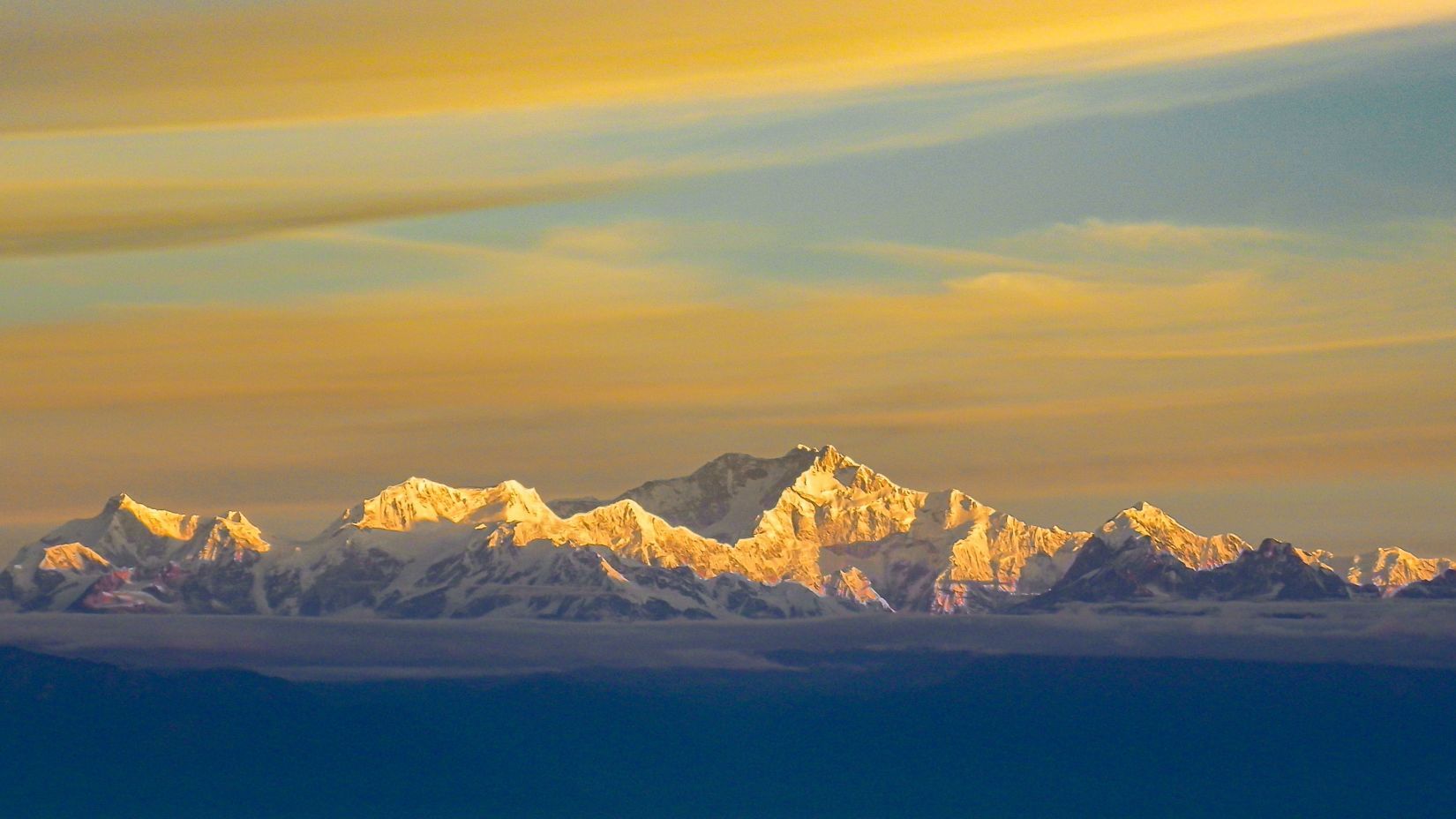
Autumn, from October to late November, is another favored window. The monsoon clouds clear out by early October, revealing crisp air and striking panoramic views of the Kanchenjunga range from open viewpoints nearby. Winters between December and February can be quite cold, with temperatures dipping near freezing in the early mornings and evenings, but days are often sunny and crisp. The monsoon months between June and September bring heavy rain and misty conditions to the hills, which can occasionally cause road blockages, so check regional weather conditions before you travel.
How to reach the Himalayan Mountaineering Institute
The Himalayan Mountaineering Institute is located on Jawahar Parbat in Darjeeling, approximately two kilometers north of the town center near the Mall Road. Travelers arriving by air typically land at Bagdogra Airport, while those traveling by train arrive at New Jalpaiguri Junction or Siliguri Junction. From the plains, Darjeeling is accessible via winding mountain highways such as National Highway 110 or Rohini Road, with shared or private taxis completing the trip in roughly three to four hours depending on traffic and road conditions.
Once inside Darjeeling town, reaching the institute is straightforward. Many visitors enjoy walking down from the Chowrasta area along the forested Jawahar Road, taking in peaceful views of the surrounding tea estates. Alternatively, local taxis can drop you near the entrance gate. Note that private vehicles cannot drive directly to the inner complex, so expect a moderate walk along paved pathways once you arrive.
Places to visit around the Himalayan Mountaineering Institute
The institute is co-located on the same sprawling, wooded campus as the Padmaja Naidu Himalayan Zoological Park. This allows visitors to easily pair their museum tour with a walk through the zoo, which specializes in conserving endangered high-altitude wildlife such as the red panda, snow leopard, and Himalayan wolf.
A short drive or scenic walk from the area brings you to the Japanese Buddhist Temple and the Peace Pagoda, known for its tranquil gardens and panoramic vistas. Further afield, the historic Darjeeling Himalayan Railway and the Batasia Loop offer classic narrow-gauge rail experiences with grand mountain backdrops. For early risers, a pre-dawn trip to Tiger Hill affords an opportunity to witness sunrise across the eastern Himalayas, while the quiet pine forests and manicured terraces of Lamahatta provide a calm nature excursion outside the town center.
Tips for your visit
Visiting the Himalayan Mountaineering Institute involves walking along hilly, paved slopes, so wear comfortable walking shoes with decent grip. Because the museum and zoo share an integrated entry system, visitors typically purchase an admission pass that covers both facilities; be sure to confirm current entry formalities, ticketing details, and opening schedules at the entrance gate upon arrival.
Photography regulations may vary inside specific museum galleries, so look out for signage or ask the attendants on duty before taking pictures. To fully appreciate the extensive historical exhibits and wander through the grounds without rushing, budget at least two to three hours. Carrying a light jacket or windcheater is sensible even during warmer months, as mountain weather in Darjeeling can shift rapidly from bright sunshine to cold fog.
Where to stay near Darjeeling
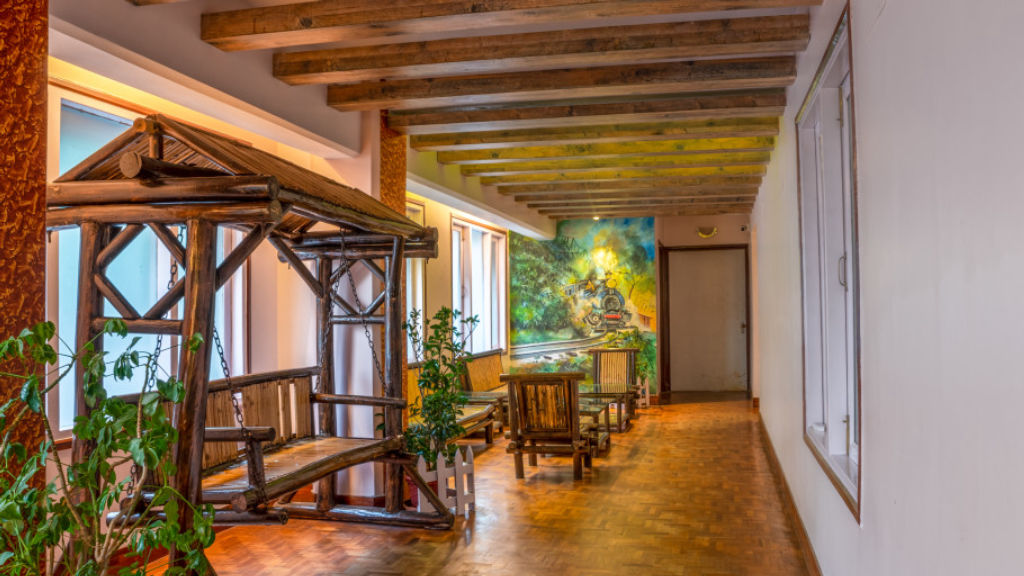
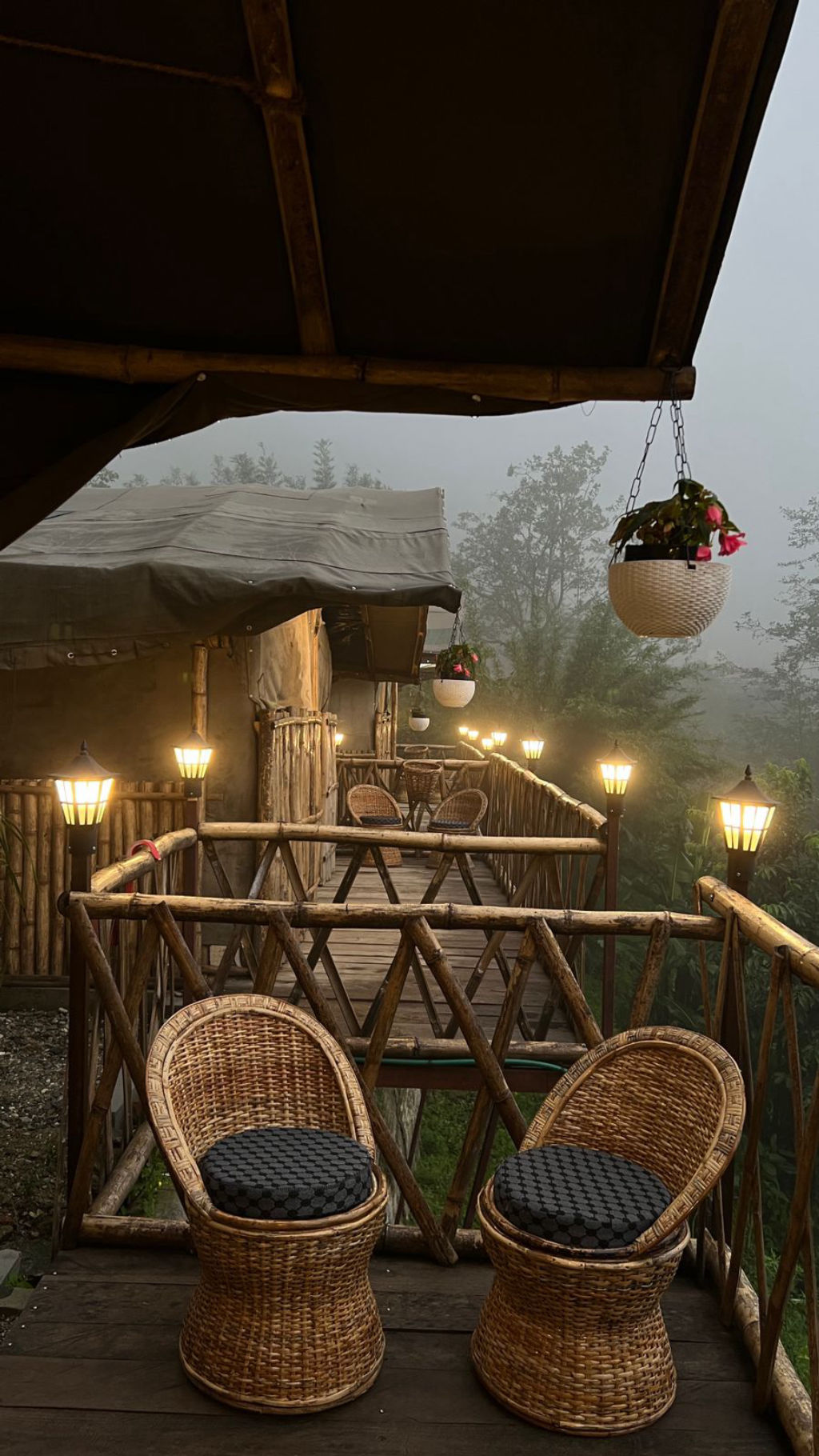
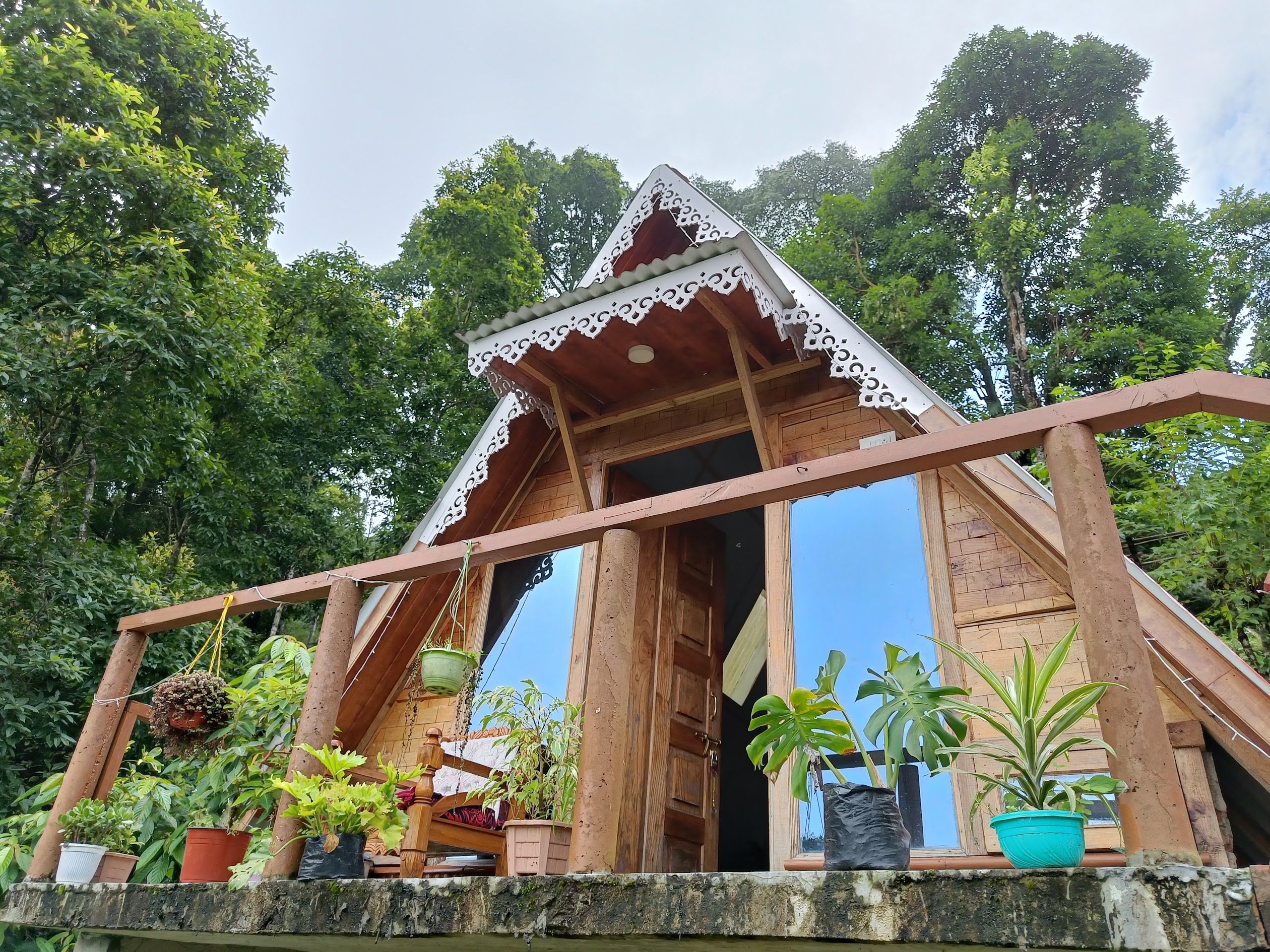
Darjeeling and the surrounding ridges offer a wide range of accommodation styles to suit different travel preferences. Staying close to the Mall Road or Birch Hill provides easy, pedestrian-friendly access to the Himalayan Mountaineering Institute, local markets, and classic hill station viewpoints. For travelers seeking a quieter natural setting, homestays situated on the valley fringes, rural villages, and active tea gardens offer a slower, more immersive look at Himalayan life.
Whether you are looking for a rustic mountain homestay, a secluded cottage amidst pine forests, or scenic camping getaways across the Darjeeling hills, you can discover and book authentic stays on HireACamp.
Frequently asked questions
Where is the Himalayan Mountaineering Institute located?
The Himalayan Mountaineering Institute is located on Jawahar Parbat in Darjeeling, West Bengal, sharing grounds with the Padmaja Naidu Himalayan Zoological Park.
What can visitors see inside the Himalayan Mountaineering Institute museum?
The museum displays historical climbing equipment, expedition archives, relief models of the Himalayas, summit flags, and memorabilia from major Everest ascents, alongside the memorial and statue of Tenzing Norgay.
How much time is needed to explore the institute?
Most visitors spend around two to three hours to thoroughly explore the museum galleries, the memorial site, and the adjacent zoological park.
Can beginners enroll in mountaineering courses at the institute?
Yes, the institute actively conducts formal training programs, including basic and advance mountaineering courses, which require advance registration and medical clearance through official channels.
Is the Himalayan Mountaineering Institute open every day?
The institute is open to tourists on most days of the week, but weekly closing days and holiday schedules can vary, so it is recommended to check opening hours locally before your visit.
Where you'll be
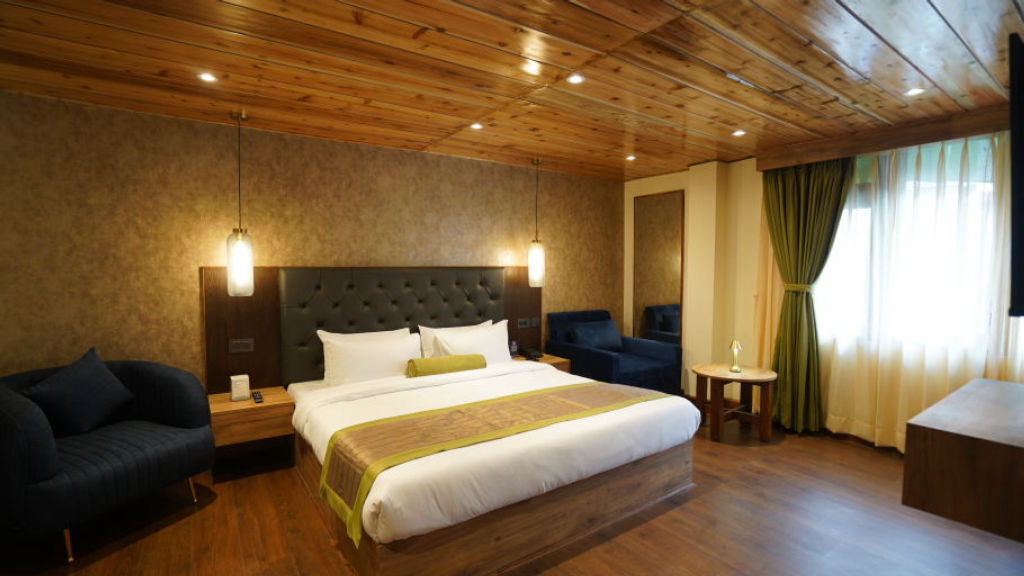
Darjeeling, West Bengal · 6 stays nearby shown with prices
Stays near Himalayan Mountaineering Institute
Book a place to stay close by

More places near Himalayan Mountaineering Institute
Within 20 km


Lists for this area
Ranked by how many creators recommend each place


Built from 0 Instagram posts by 0 creators. Every tip links back to the post it came from, and where creators disagree we show both sides.






