
Ilam Bazar
Destination in West Bengal
Ilam Bazar is a historic rural town located in the Birbhum district of West Bengal, situated near the banks of the Ajay River. Surrounded by stretches of sal forest and the rolling red-soil terrain of the Rarh region, it serves as a peaceful gateway to the cultural heartland of Santiniketan and unique geological sites. Visitors travel here to explore unique fossil parks, quiet forest tracks, and traditional Bengali heritage away from crowded tourist circuits.
Getting there
By road
- From Kolkata3 hr 55 min · 171 km
- From Ranchi6 hr 30 min · 299 km
Typical drive times without traffic. Stations and airports from OLA Maps; distances and typical drive times from OpenStreetMap (© OpenStreetMap contributors); notes from creators' Reels.
About Ilam Bazar
Written with AI from map data and general knowledge. Check prices and timings locally before you go.
Understanding Ilam Bazar and its Heritage
Ilam Bazar, often written as Ilambazar, holds a distinct place in the cultural and economic history of Birbhum. Historically recognized as a center for trade, lac crafts, and silk production during the eighteenth and nineteenth centuries, the town retains quiet vestiges of its past. The landscape surrounding the town is characterized by laterite red soil, open agricultural fields, and natural patches of sal forest commonly referred to as the Choupahari jungle.
Scattered around the older quarters of the settlement are historical brick temples adorned with classic Bengal terracotta work. These shrines, reflecting traditional chauchala and ratna styles of Bengali temple architecture, feature panels depicting mythological themes and day-to-day life from bygone centuries. Walking through the rural lanes of the town offers a grounded look at how traditional crafts, local farming, and quiet provincial living intersect in this part of western Bengal.
Things to Do in and Around Ilam Bazar
The premier local landmark is the Amkhoi Wood Fossil Park, situated right within the Ilam Bazar area. It is the first wood fossil park recognized in West Bengal and preserves large petrified tree trunks estimated to date back millions of years. Discovered during excavation works in the region's laterite soil beds, these ancient plant fossils are displayed across landscaped walkways with informative plaques that detail the geological changes that reshaped the Bengal basin.
Beyond fossil exploration, the area is suited for slow-paced rural strolls. Birdwatchers and nature enthusiasts can walk the edges of the sal forests, where local bird species such as treepies, barbets, and bee-eaters flit through the canopy. The Ajay River flows south of the town, offering wide sandbanks and tranquil water vistas during the drier months, which make for scenic late-afternoon walks.
Read more
Exploring Nearby Cultural Centers: Santiniketan and Sriniketan
Located just a short drive from Ilam Bazar is the famed twin township of Bolpur-Santiniketan and Sriniketan, situated roughly thirteen to sixteen kilometers to the east. Sriniketan was developed by Rabindranath Tagore as an institute for rural reconstruction and craft promotion, while Santiniketan flourished as a global university town celebrated for its open-air schooling philosophy, literary roots, and seasonal festivals.
In this neighbouring belt, you can visit Amar Kutir, a cooperative society focused on sustaining village handicrafts such as leather bags, batik textiles, and kantha embroidery. Nearby stands Surul Boro Bari, a stately zamindar mansion known for its grand courtyard and elaborately sculpted terracotta temples. Pairing a stop in Ilam Bazar with the vibrant artistic atmosphere of Santiniketan provides a well-rounded glimpse into the traditions of Birbhum.
Wildlife and Forest Excursions at Ballavpur
A short journey towards Santiniketan brings visitors to the Ballavpur Wildlife Sanctuary and its adjoining deer park. This protected pocket of woodland was created on reforested red laterite wasteland and is now home to healthy herds of spotted deer and blackbucks that roam amid the coppiced trees.
Within the sanctuary, natural water bodies attract an array of indigenous and migratory waterfowl during the winter months, including whistling ducks, teals, and herons. The quiet walking tracks within the sanctuary provide a shaded retreat for nature lovers looking to observe woodland ecology and wildlife conservation at a gentle pace.
Best Time to Visit Ilam Bazar
The winter season, extending from late October through early March, is widely considered the best time to visit Ilam Bazar. Temperatures during these months remain cool and comfortable, making outdoor explorations of the fossil park, temple ruins, and nearby wildlife reserves very pleasant.
Summers from April to June are intensely hot and dry across the Rarh region, with daytime temperatures frequently climbing high, making daytime sightseeing strenuous. The monsoon season between July and September brings heavy showers that refresh the sal woodlands and turn the surrounding paddies bright green, though sudden downpours can occasionally disrupt rural travel plans. If you travel during late winter, you may also encounter seasonal village melas and fairs celebrating rural folklore across Birbhum.
How to Reach Ilam Bazar
Ilam Bazar is well-connected by road across south-western Bengal. If you are travelling from Kolkata, the distance is approximately 160 to 180 kilometers. You can drive via the Durgapur Expressway (NH 19) to Panagarh, from where a direct state highway heads north through pleasant forested corridors straight to Ilam Bazar.
For railway travelers, the nearest major railheads are Bolpur Santiniketan and Panagarh railway stations. Both stations receive frequent express and passenger trains from Howrah, Sealdah, and other parts of eastern India. From either station, local buses, auto-rickshaws, and hired taxis are readily available to complete the journey to Ilam Bazar. Local transport frequencies are steady throughout daylight hours, though it is prudent to plan your connections before sunset.
Where to Stay and Practical Travel Tips
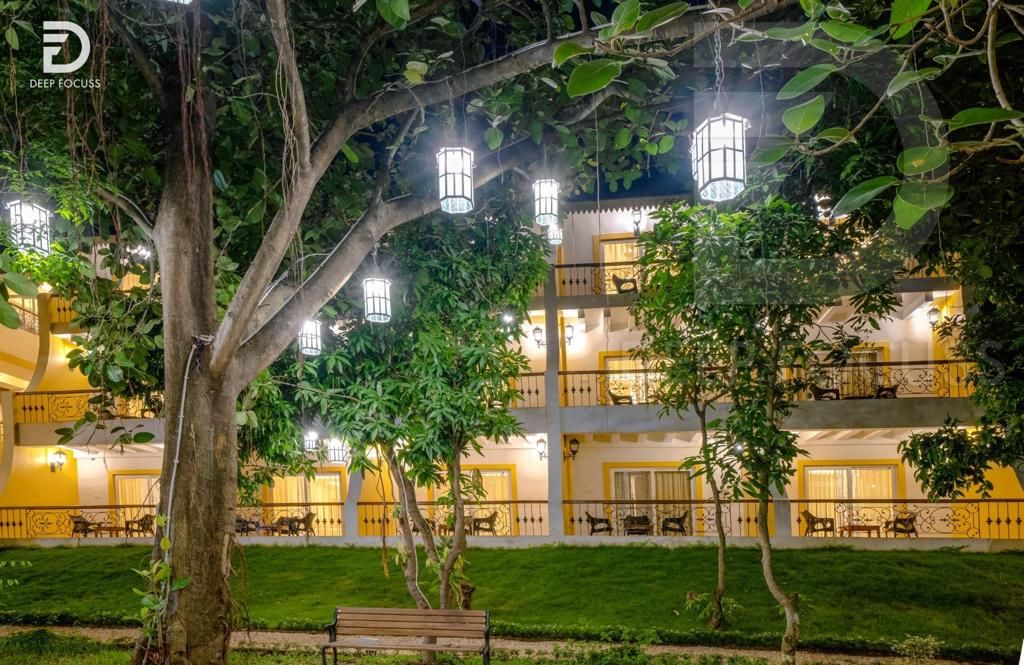
Accommodation options ranging from rural homestays and heritage eco-retreats to rustic camps can be found in the surrounding countryside and nearby Bolpur on HireACamp. Staying in the quiet countryside allows you to experience early morning bird calls and unpolluted village skies.
When packing for your trip, bring breathable cotton clothing for warm days, along with light woollens if travelling between December and January when evenings can be brisk. Carry cash for small local transactions, as digital payment connectivity can be sporadic in smaller forest hamlets. Remember to verify the current operating schedules for the fossil park and wildlife reserves locally before heading out, and always carry adequate drinking water when walking along unshaded tracks.
Frequently asked questions
Where is Ilam Bazar located?
Ilam Bazar is a town in the Birbhum district of West Bengal, situated near the banks of the Ajay River and close to the Bolpur-Santiniketan region.
What is Amkhoi Wood Fossil Park?
Amkhoi Wood Fossil Park is a protected geological park located in Ilam Bazar that preserves petrified wood specimens dating back millions of years, unearthed from the surrounding laterite soil.
How far is Ilam Bazar from Santiniketan?
Ilam Bazar is approximately 13 to 16 kilometers west of Santiniketan, making it an easy day excursion or short road trip.
Which railway station is closest to Ilam Bazar?
The most convenient nearby railway stations are Bolpur Santiniketan and Panagarh, both of which offer road transport connections to Ilam Bazar.
What should I carry while visiting Ilam Bazar?
It is advisable to carry comfortable walking shoes, cash for rural vendors, sun protection, and a light jacket if visiting during the winter months.
Where you'll be
1 stay nearby shown with prices
Stays near Ilam Bazar
Book a place to stay close by
Things to do in Ilam Bazar
48 places creators recommend within 30 km
Built from 0 Instagram posts by 0 creators. Every tip links back to the post it came from, and where creators disagree we show both sides.






