
Jhandewalan Temple
Temple near Karol Bagh, Delhi
1.1 km from Karol Bagh
The nearest town, for stays, food and fuel.
Jhandewalan Temple is one of Delhi's oldest and most revered Hindu shrines, dedicated to Goddess Durga and located near the bustling neighborhood of Karol Bagh. Pilgrims and cultural travellers visit the temple throughout the year to pay homage, offer prayers, and witness traditional rituals that reflect centuries of Delhi's spiritual life. Its name is derived from the historic tradition of hoisting prayer flags, giving the site a distinct place in the capital's heritage.
Getting there
By road
- From Karol BaghNearest town5 min · 1.4 km
- From New Delhi20 min · 5.7 km
- From Dehradun3 hr 15 min · 222 km
- From Jaipur4 hr 30 min · 298 km
Typical drive times without traffic. Stations and airports from OLA Maps; distances and typical drive times from OpenStreetMap (© OpenStreetMap contributors); notes from creators' Reels.
About Jhandewalan Temple
Written with AI from map data and general knowledge. Check prices and timings locally before you go.
The Spiritual Legacy of Jhandewalan Temple
Jhandewalan Temple holds a special place in the religious geography of Delhi. Located along Jhandewalan Road close to Karol Bagh, the temple is dedicated to Maa Aadi Shakti, an incarnation of Goddess Durga. According to local lore and devotional tradition, the temple was established after an ancient idol of the goddess was uncovered at this site by a devout merchant named Badri Bhagat in the nineteenth century. Badri Bhagat experienced a vision that guided him to unearth the sacred form buried deep within the earth.
Following the recovery of the idol, a formal shrine was constructed to enshrine the deity. Devotees began offering tall prayer flags, known in Hindi as jhandas, to mark their gratitude and celebrate the goddess's benevolence. Over time, the fluttering banners became the defining visual hallmark of the shrine, giving the temple and the surrounding locality the enduring name Jhandewalan. Today, the complex remains a focal point for Durga worship, preserving oral histories and customs that have survived the rapid modernization of central Delhi.
Architecture and Layout of the Shrine
The architecture of Jhandewalan Temple reflects traditional North Indian temple design adapted to a dense urban setting. The temple complex is built across multiple levels to accommodate thousands of daily worshippers. The primary sanctum sanctorum houses the historic, deeply seated idol of the goddess at the lower level, known as the cave or gufa shrine, where the original subterranean excavation occurred. This gives visitors the unique experience of descending into a quiet, stone-walled retreat right beneath the busy city streets.
On the upper levels, a grander marble sanctum presents a radiant contemporary murti of Goddess Durga adorned with silken garments and traditional jewellery. Adjoining shrines within the complex are dedicated to other revered figures of the Hindu pantheon, including Lord Shiva, Lord Ganesha, Lord Hanuman, and Goddess Kali. Carved marble columns, ornate brass bells, and vibrant floral arrangements line the pradakshina pathways, creating an atmosphere resonant with steady incense smoke, rhythmic temple bells, and Sanskrit hymns.
Read more
Festivals and Celebrations at Jhandewalan Temple
While daily aartis draw local devotees morning and evening, the temple witnesses its most dramatic transformation during the biannual festival of Navratri. In the spring Chaitra Navratri and autumn Sharad Navratri, the entire compound is illuminated with elaborate lighting arrangements, vibrant flower garlands, and ceremonial draperies. Pilgrims travel from across Delhi, Haryana, Uttar Pradesh, and beyond to stand in line for darshan, often waiting patiently for hours in an atmosphere charged with continuous devotional singing.
During these nine-night celebrations, the temple trust organizes massive community kitchens serving prasad to thousands of visitors. The sheer scale of cooperation and discipline shown by volunteers during peak festival days demonstrates the deep community roots of the shrine. Other auspicious occasions like Durga Puja, Shivratri, and Diwali also see elevated footfalls, marked by special pujas and continuous recitations of sacred verses.
Best Time to Visit Jhandewalan Temple
Delhi experiences broad seasonal shifts throughout the year, ranging from the dry, biting cold of winter to intense summer heat. The most comfortable period to visit Jhandewalan Temple is between October and March. During these months, the daytime temperatures are mild and pleasant, making it easy to navigate the open courtyards and explore the surrounding neighborhoods on foot.
Visiting during the summer months of May and June requires planning around high temperatures, making early morning or late evening visits preferable when marble floors are cooler to walk upon. Monsoons arrive in July and last through September, bringing high humidity and sudden rain showers. If you wish to witness the temple at its most energetic, coordinate your travel with the autumn Navratri dates, though those seeking peaceful reflection will find the quiet weekday mornings of winter far more rewarding.
How to Reach Jhandewalan Temple
Jhandewalan Temple is situated in Central Delhi, making it readily accessible from almost any part of the National Capital Region. The Delhi Metro provides the smoothest and fastest route, with Jhandewalan Metro Station located on the Blue Line just a short walk or auto-rickshaw ride from the temple gates. Karol Bagh Metro Station is also located nearby, offering an alternate alighting point.
For travellers arriving from other Indian cities, New Delhi Railway Station sits roughly three to four kilometers east, accessible via a brief taxi or auto-rickshaw trip depending on traffic. Delhi's Indira Gandhi International Airport lies to the southwest, connected by road and the Airport Express metro line which links through central interchanges. City buses, app-based cabs, and traditional auto-rickshaws frequently ply the roads surrounding Karol Bagh and Paharganj, providing continuous transit throughout the day.
Places to Explore Nearby
Thanks to its central location, a trip to Jhandewalan Temple can easily be paired with several prominent landmarks in Delhi. Just two kilometers away lies Connaught Place, the colonnaded Georgian-style hub filled with heritage architecture, bookstores, cafes, and Central Park. Adjacent to Connaught Place is the ancient stepwell Agrasen ki Baoli and the eighteenth-century astronomical observatory Jantar Mantar, both situated within three kilometers of the temple.
A short drive east brings you into Old Delhi, where the towering sandstone ramparts of Red Fort, the sprawling courtyard of Jama Masjid, and the bustling alleys of Chandni Chowk showcase the capital's Mughal heritage. Those interested in open green spaces and modern Indian history can visit Raj Ghat Memorial along the Yamuna riverfront or venture south toward Lodhi Garden and Humayun's Tomb, both celebrated for their sprawling gardens and historic tomb architecture.
Tips for Your Visit to Jhandewalan Temple
Visitors to Jhandewalan Temple should dress modestly and respectfully, keeping shoulders and knees covered in accordance with temple traditions. Footwear must be removed before entering the inner sanctums; dedicated shoe storage facilities are maintained by temple attendants near the entrances. Carrying a pair of thick cotton socks is advisable during peak summer when exposed stone walkways can absorb heat, or during the chilly mornings of peak winter.
Security checkpoints are active at the entrances, and visitors are generally asked to deposit large bags and electronic equipment in cloakrooms. Photography is typically restricted within the inner shrines to maintain the sanctity of worship, so follow the posted guidelines and directions given by temple volunteers. If you prefer to avoid thick crowds, plan your darshan early in the morning before business hours begin in the neighboring markets.
Where to Stay Near Jhandewalan Temple
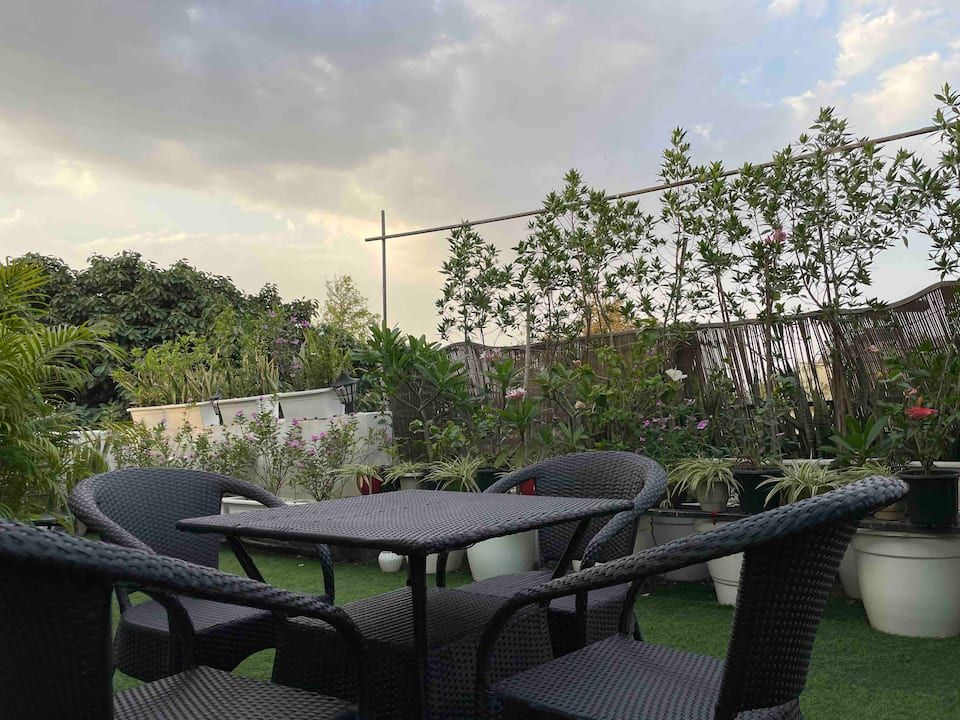
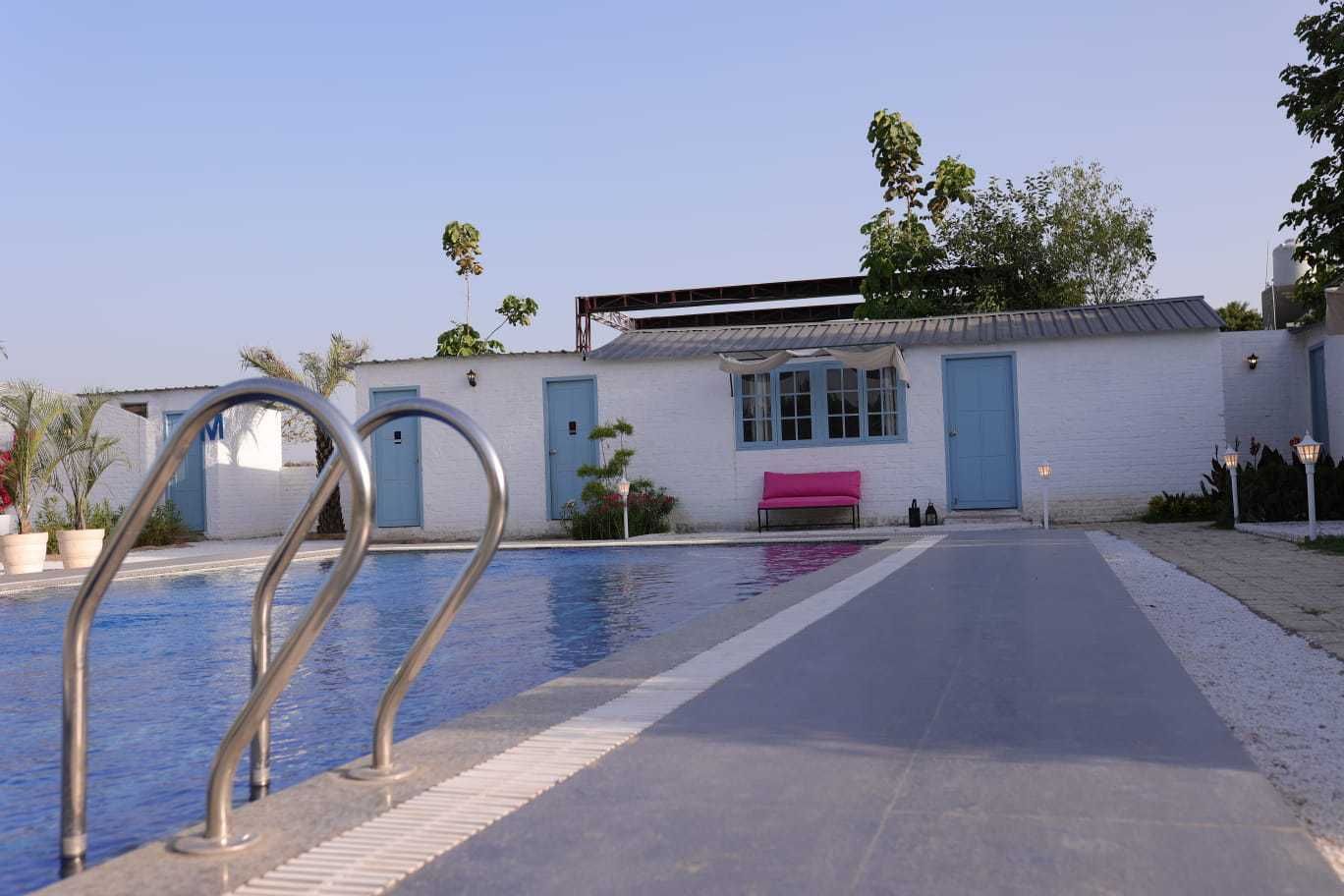
Staying near Karol Bagh, Central Delhi, or the wider National Capital Region allows travellers quick access to both spiritual landmarks and modern amenities. The surrounding districts offer everything from heritage homestays to modern city apartments and budget accommodations suited to solo explorers and families alike.
For those who prefer peaceful outdoor retreats, scenic farm stays, or riverside camping on the outskirts of Delhi and neighboring states, HireACamp offers verified listings that place you close to nature while keeping city sights within reachable driving distance. Booking your accommodation through HireACamp helps you combine historic city exploration with calm and authentic outdoor stays.
Frequently asked questions
Which deity is worshipped at Jhandewalan Temple?
The presiding deity of Jhandewalan Temple is Maa Aadi Shakti, a form of Goddess Durga, enshrined alongside Murtis of Lord Shiva, Lord Ganesha, and other Hindu deities.
Which is the nearest metro station to Jhandewalan Temple?
The nearest metro station is Jhandewalan Metro Station on the Blue Line of the Delhi Metro, situated within convenient walking or auto-rickshaw distance of the shrine.
Is there a dress code for visiting Jhandewalan Temple?
Visitors are expected to dress modestly with shoulders and knees covered, and all footwear must be removed and placed in designated storage counters before entering the temple complex.
What is the best time of year to visit the temple?
The winter months between October and March provide the most comfortable weather for visiting, while the festival periods of Navratri offer the richest cultural and devotional atmosphere.
Where you'll be
Delhi · 2 stays nearby shown with prices
Stays near Jhandewalan Temple
Book a place to stay close by
More places near Jhandewalan Temple
Within 20 km


Lists for this area
Ranked by how many creators recommend each place


Built from 0 Instagram posts by 0 creators. Every tip links back to the post it came from, and where creators disagree we show both sides.






