
Jim Corbett Museum
Museum near Dhikuli, Uttarakhand
1.4 km from Dhikuli
The nearest town, for stays, food and fuel.
The Jim Corbett Museum is a heritage house museum located near Ramnagar in Uttarakhand, set in what was once the winter residence of the famed hunter-turned-conservationist Jim Corbett. Visitors come to explore Corbett's personal belongings, historical manuscripts, hunting memorabilia, and rare photographs that document his life in the Kumaon hills. It serves as a fascinating cultural and historical starting point for travelers exploring the surrounding wilderness.
Getting there
By road
- From DhikuliNearest town2 min · 1.4 km
- From Dehradun5 hr · 242 km
- From New Delhi5 hr 40 min · 271 km
- From Chandigarh9 hr 10 min · 431 km
Typical drive times without traffic. Stations and airports from OLA Maps; distances and typical drive times from OpenStreetMap (© OpenStreetMap contributors); notes from creators' Reels.
About Jim Corbett Museum
Written with AI from map data and general knowledge. Check prices and timings locally before you go.
About Jim Corbett Museum
The Jim Corbett Museum occupies the erstwhile winter home of Edward James Corbett, universally remembered as Jim Corbett. Nestled amidst lush green foliage in the foothills of Kumaon near Ramnagar, this heritage bungalow provides rare insights into the life of one of India's earliest and most dedicated conservationists. Corbett spent many years living here with his sister Maggie before departing for Kenya, and the house stands as an enduring tribute to his evolution from a hunter of man-eating big cats into an advocate for forest and wildlife protection.
The bungalow itself is a fine example of traditional hill architecture, constructed with sturdy stone walls, wide verandas, sloping roofs, and spacious courtyards. Preserved by the forest authorities, the property retains a calm, old-world aura that transports visitors back to the early decades of the twentieth century. Walking through its rooms allows travelers to understand the deep affinity Corbett felt for the indigenous villagers of the Kumaon hills, whose safety and livelihoods he actively safeguarded.
What to see inside the museum
The interior of the museum has been organized into thematic gallery spaces that preserve Corbett's personal legacy. Visitors can observe period furniture, original letters penned by Corbett, handwritten field notes, and detailed maps charting his tracking expeditions across the rugged valleys of Kumaon and Garhwal. Vintage photographs on display depict the dense forests of the era, community gatherings, and Corbett alongside his hunting dogs.
In addition to historical correspondence and memorabilia, the museum displays educational panels detailing his pioneering role in the creation of Hailey National Park, which later became Jim Corbett National Park. A small souvenir counter near the entrance typically carries published editions of his acclaimed books, including Man-Eaters of Kumaon and The Man-Eating Leopard of Rudraprayag. Outdoors, the open lawns and mature trees host numerous woodland birds, making the grounds a pleasant spot for a brief, reflective walk.
Read more
Best time to visit
The foothills around Ramnagar experience three distinct seasons, each offering a different atmosphere for travelers. The winter months, running from October through March, are the most popular time to visit the Jim Corbett Museum. During this season, daytime temperatures remain comfortably cool and the skies are generally clear, providing ideal conditions for strolling through the bungalow grounds and enjoying the surrounding countryside.
Summers arrive in April and bring warmer, drier weather that peaks in May and June. While midday heat can be strong, the museum's shaded stone interiors and leafy garden offer a relatively cool respite during the early morning and late afternoon. The monsoon season extends from July to September, bringing heavy rains that turn the foothills lush and vibrant. Although wet roads can occasionally slow down regional travel, the museum remains accessible and provides an engaging indoor cultural activity during wet weather.
How to reach Jim Corbett Museum
Reaching the Jim Corbett Museum is straightforward via the gateway town of Ramnagar. Ramnagar is connected by direct overnight and daytime trains to New Delhi, as well as regular rail routes linking it to Moradabad and other major stations in North India. State transport and private buses also run frequent services to Ramnagar from Delhi, Dehradun, and Haldwani.
From Ramnagar town, visitors can hire local auto-rickshaws, shared vehicles, or private taxis to reach the museum along well-paved regional roads. Travelers coming by air can fly to the domestic airport at Pantnagar, located roughly a two-hour drive away, or land at Delhi’s international airport and complete the remaining journey by rail or road. Driving from Delhi typically follows the national highway through Moradabad and Kashipur before entering the verdant foothills leading toward Ramnagar.
Tips for your visit
A complete tour of the Jim Corbett Museum usually takes about one to two hours, making it an easy excursion to fit into a wider sightseeing itinerary. To get the most out of your visit, take time to read the detailed archival descriptions and letters, which offer crucial historical context that cannot be gleaned from a quick glance at the objects.
Because opening hours, weekly closures, and photography guidelines are managed by regional authorities and may change seasonally, it is best to check these details locally upon arriving in Ramnagar. Modest and comfortable attire is recommended, along with flat footwear suited for stone steps and gravel garden pathways. Visitors should maintain quiet inside the gallery rooms and avoid leaning on or touching historic display cases and preserved furnishings.
Places to visit nearby
A trip to the museum can easily be paired with other natural and cultural sights across the Ramnagar belt. Wildlife enthusiasts often spend the bulk of their time exploring the diverse buffer and core safari zones of Jim Corbett National Park, which is celebrated for its thriving populations of wild elephants, deer, and royal Bengal tigers.
Another informative stop is the Dhangarhi Museum, situated near the park’s main gate, which offers exhibits on local wildlife, including taxidermy displays and historical specimens. Travelers seeking scenic outdoor environments can head toward the banks of the Ramganga River, where clean riverbed gravel and cool waters provide quiet spots for birdwatching and photography. For those interested in regional architecture, Shri Hanuman Dham offers an impressive temple complex set amidst peaceful rural scenery.
Where to stay near Jim Corbett Museum
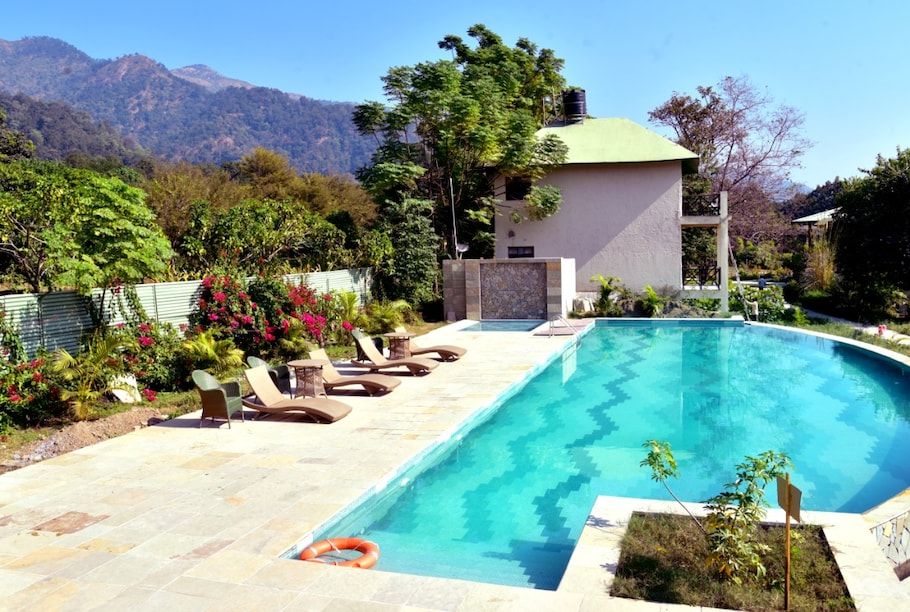
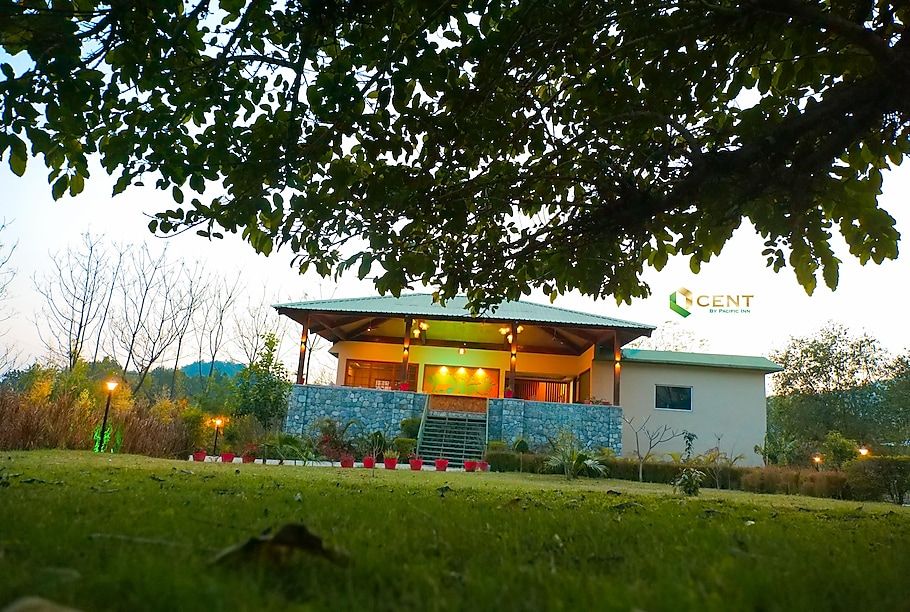
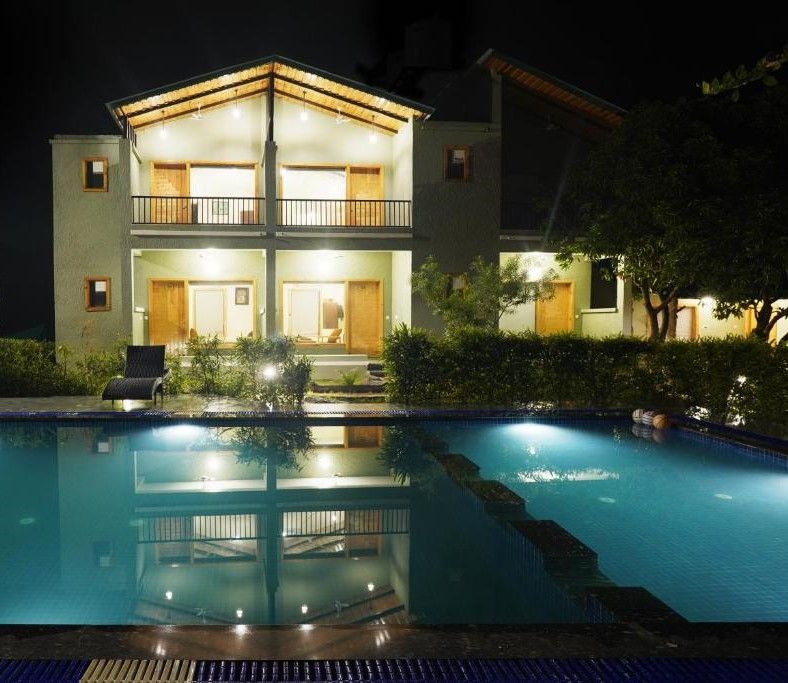
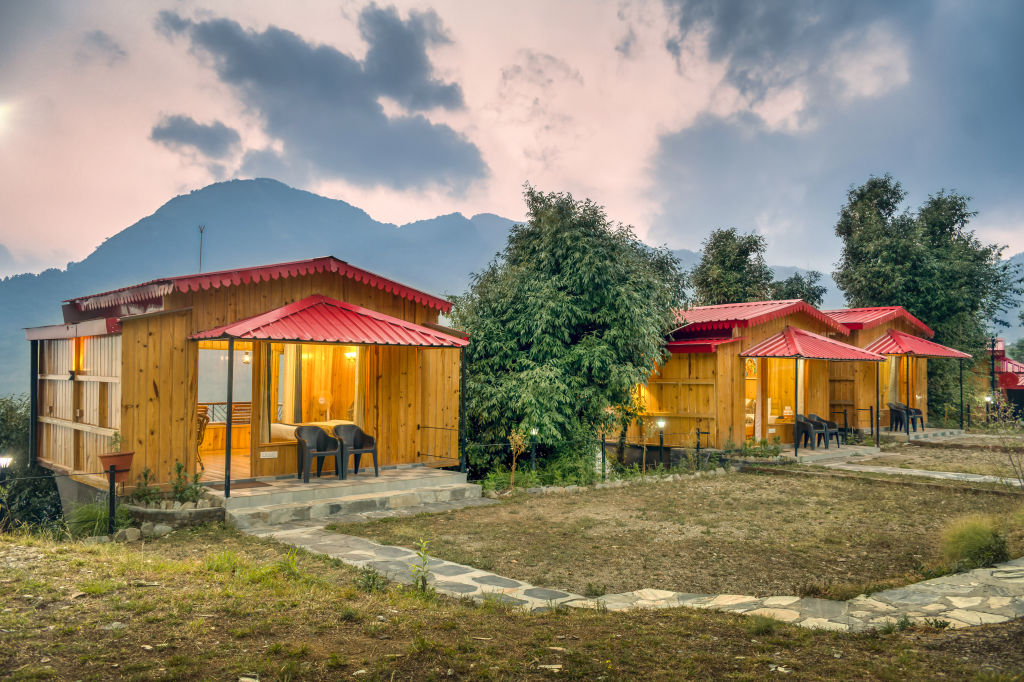
Accommodations around Ramnagar range widely to suit diverse budgets and travel styles, from quiet rural homestays to riverside retreats. Choosing a place to stay outside the busiest commercial corners of the town allows you to experience the natural charm of the Kumaon foothills, characterized by quiet night skies and birdsong in the mornings.
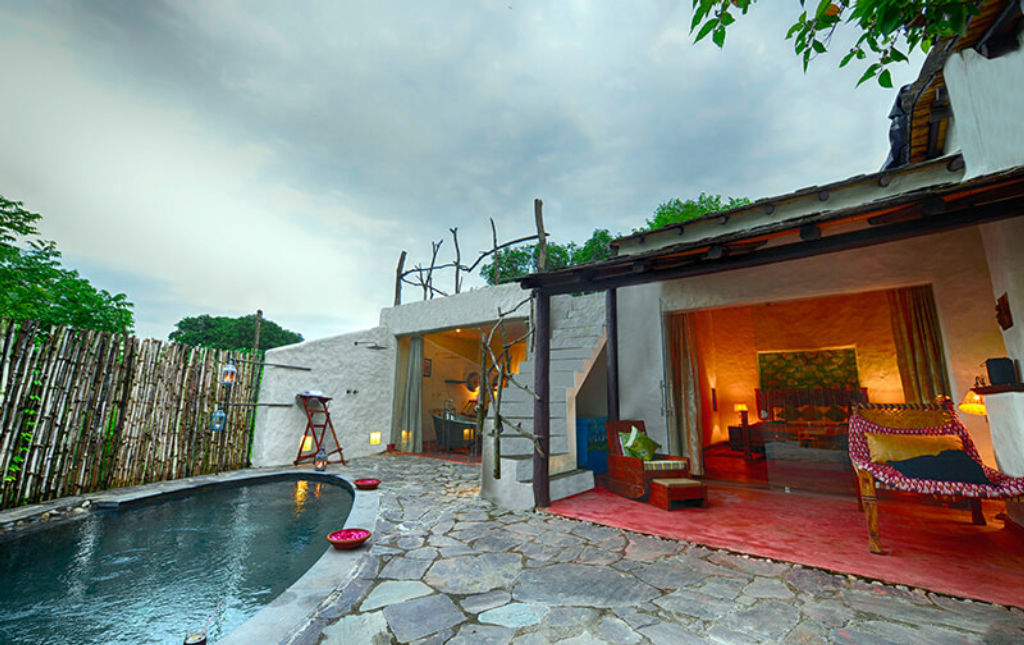
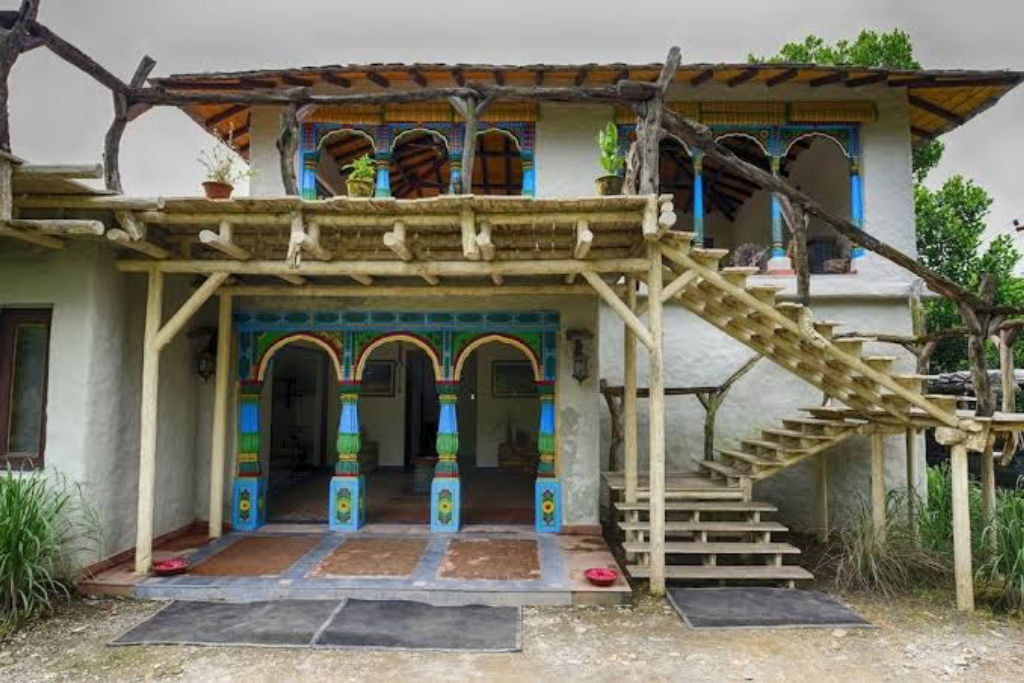
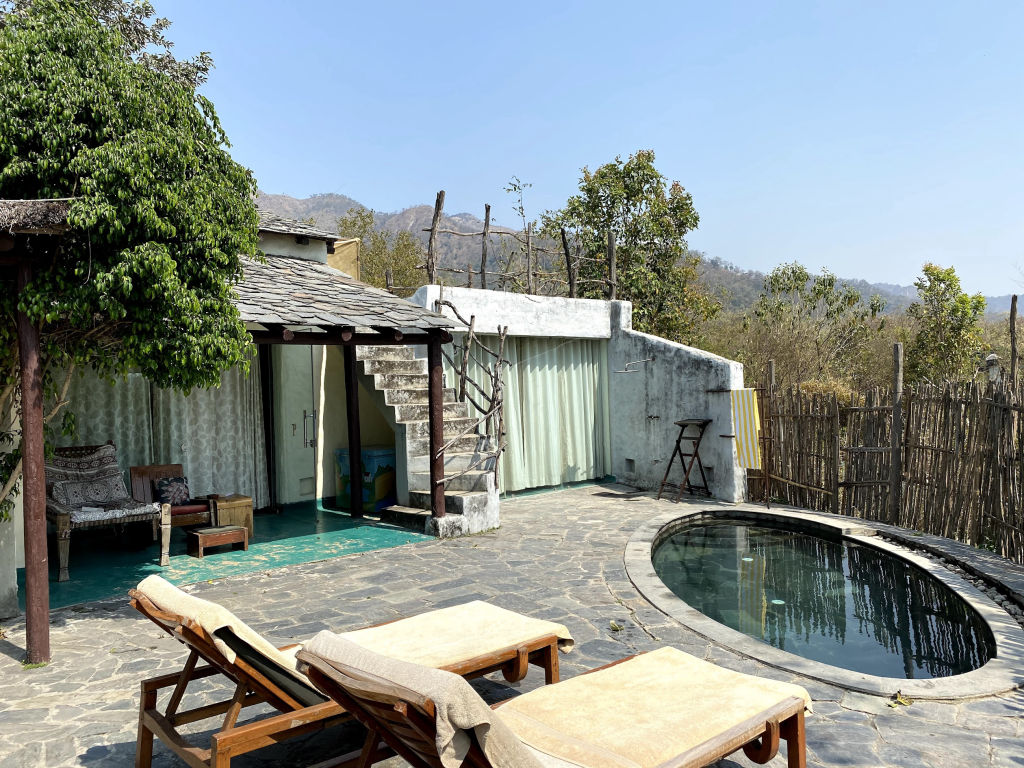
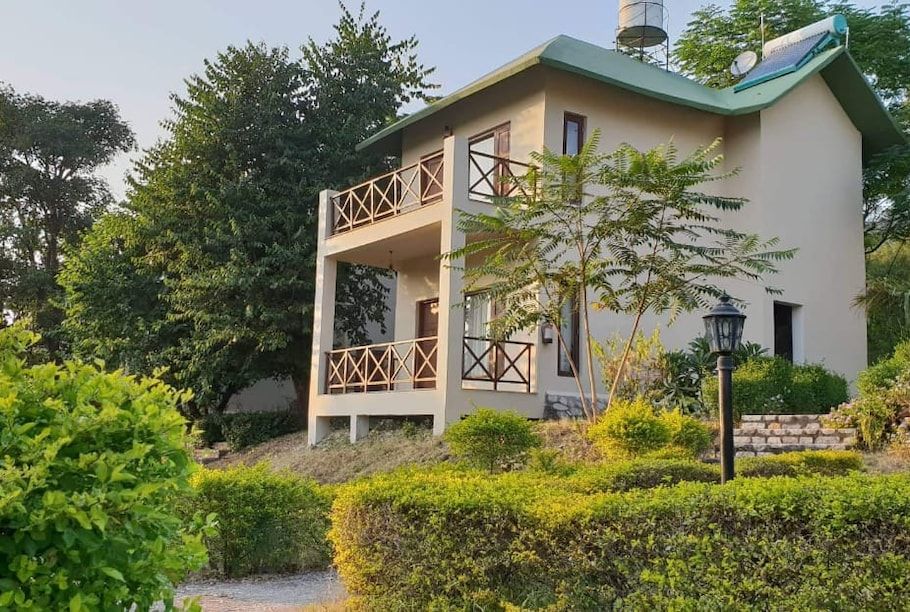
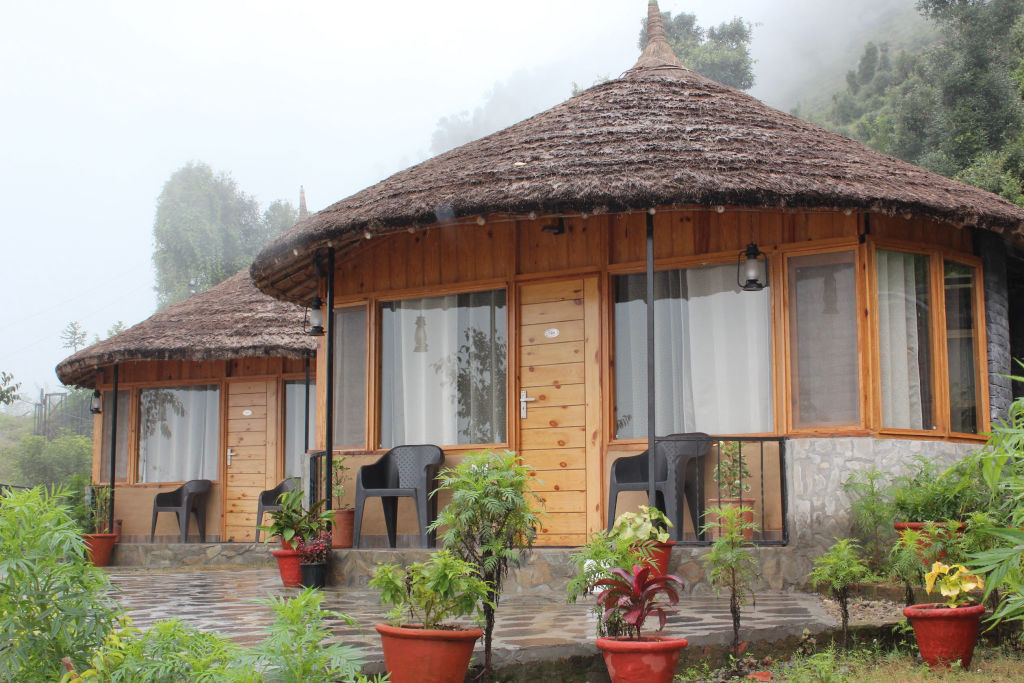
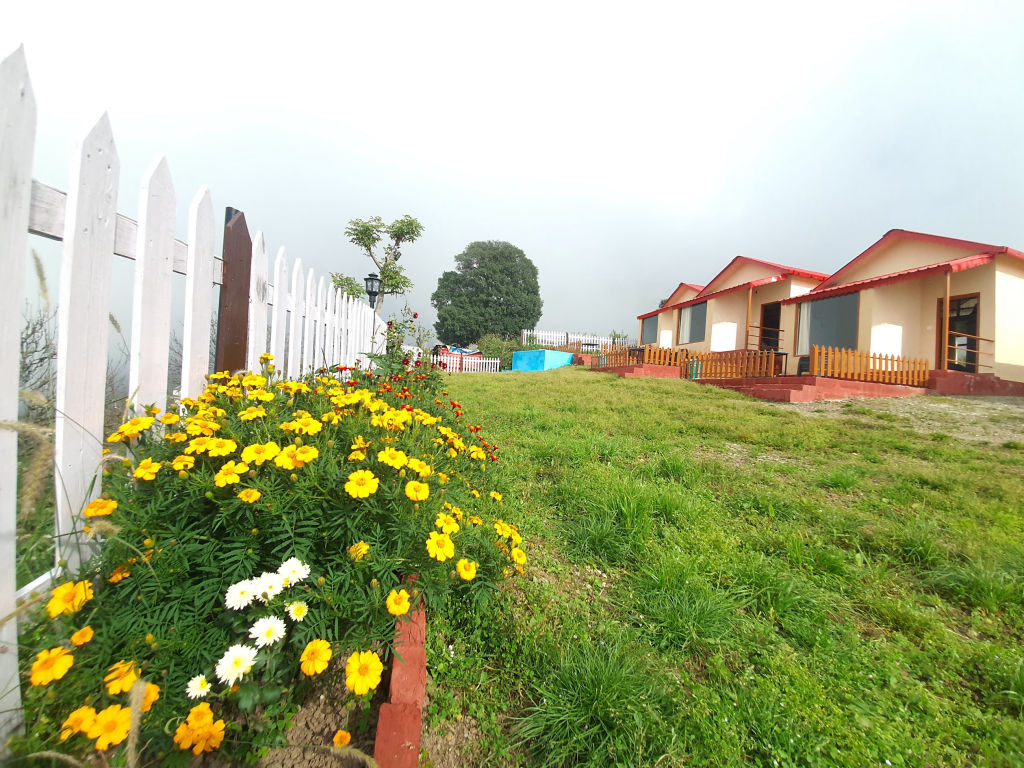
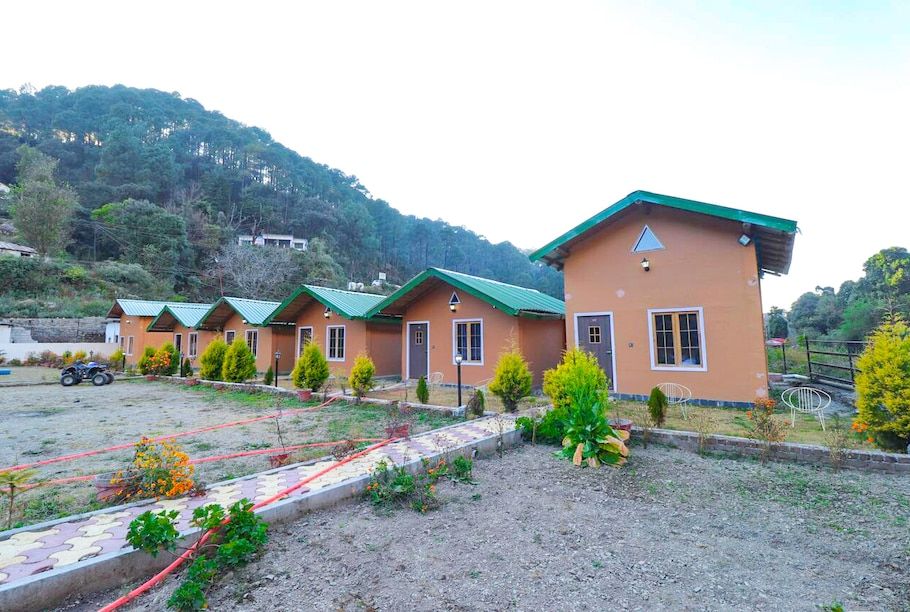
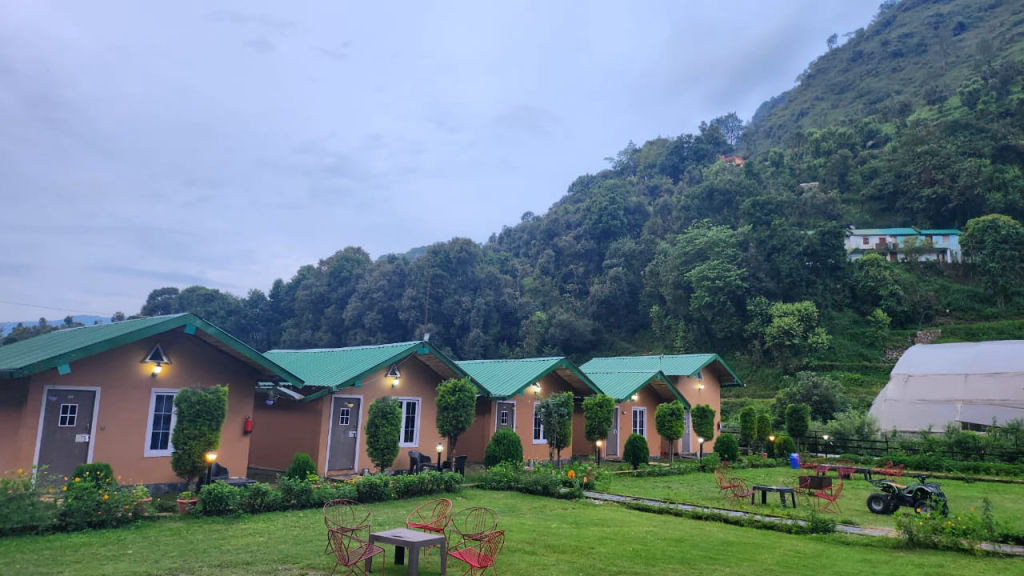
Outdoor travelers can discover a range of riverside camps, eco-friendly nature cottages, and family-run homestays listed on HireACamp. Booking a stay through the platform ensures easy access to the Jim Corbett Museum, local villages, and the various safari departure gates throughout the region.
Frequently asked questions
Where is the Jim Corbett Museum located?
The museum is located near Ramnagar in Uttarakhand, situated inside the preserved former winter home of Jim Corbett in the Kumaon foothills.
What can visitors see inside the Jim Corbett Museum?
Visitors can see Corbett's personal belongings, antique furniture, original letters, manuscripts, maps, and archival photographs documenting his life and conservation work in India.
How much time is required to explore the museum?
A typical visit takes between one and two hours, allowing ample time to browse the indoor exhibits, read the historical panels, and walk around the garden grounds.
Can wildlife safaris be booked directly at the museum?
No, wildlife safaris are not arranged or operated from the museum grounds and must be booked through the official Jim Corbett National Park administration.
What is the best time of year to visit the museum?
The museum can be visited year-round, but the winter months from October to March offer the most comfortable weather for travel in the Ramnagar region.
Where you'll be
Ramnagar · 12 stays nearby shown with prices
Stays near Jim Corbett Museum
Book a place to stay close by
More places near Jim Corbett Museum
Within 20 km
Built from 0 Instagram posts by 0 creators. Every tip links back to the post it came from, and where creators disagree we show both sides.






