
Dhikala
Park near Dhangari, Uttarakhand
300 m from Dhangari
The nearest town, for stays, food and fuel.
Dhikala is the largest and most renowned wildlife safari zone in Jim Corbett National Park, located near the town of Ramnagar in Uttarakhand. Famous for its sprawling grasslands, dense sal forests, and the meandering Ramganga River, it offers travellers unmatched opportunities to witness raw wilderness. Wildlife enthusiasts visit Dhikala to catch glimpses of wild Asian elephants, Bengal tigers, gharials, and a remarkable diversity of resident and migratory birds.
Getting there
By road
- From DhangariNearest town1 min · 200 m
- From Dehradun5 hr 10 min · 249 km
- From New Delhi5 hr 50 min · 279 km
- From Chandigarh9 hr 20 min · 438 km
Typical drive times without traffic. Stations and airports from OLA Maps; distances and typical drive times from OpenStreetMap (© OpenStreetMap contributors); notes from creators' Reels.
About Dhikala
Written with AI from map data and general knowledge. Check prices and timings locally before you go.
Understanding Dhikala and its Landscape
Dhikala represents the core ecological heartland of Jim Corbett National Park, situated in the foothills of the western Himalayas within the Nainital and Pauri Garhwal districts of Uttarakhand. The landscape here is characterized by the vast expanse of the Patli Dun valley, sculpted over millennia by the Ramganga River. This river acts as the lifeblood of the forest, feeding expansive alluvial grasslands known locally as chaurs, bordered by thick canopies of deciduous sal trees, riverine forest, and rolling wooded ridges.
The unique geography makes Dhikala distinct from many other wildlife reserves in the country. The broad grasslands offer expansive vistas where herds of wild herbivores graze against the backdrop of distant lower Himalayan ranges. The reservoir created by the Ramganga Dam stretches into the zone, forming a vital wetland ecosystem that attracts diverse aquatic life and waterfowl. Whether driving across the open plains or traversing the winding dirt tracks beneath tall sal canopies, the terrain reveals the varied faces of northern India's pristine terai-bhabar ecosystem.
Wildlife and Birdwatching at Dhikala
The biodiversity of Dhikala is central to Corbett's historic conservation story. Large herds of Asian elephants are frequently seen crossing the grasslands or drinking at the riverbanks, especially during the dry summer months when water sources shrink. Dhikala is also prime habitat for the Bengal tiger, with its healthy populations of prey species supporting a robust carnivore presence. Spotted deer, sambar, barking deer, hog deer, and wild boar thrive along the river corridors, while langurs and rhesus macaques chatter from the canopy above.
Along the riverbanks and reservoir edges, visitors can observe the endangered fish-eating gharial and the marsh mugger crocodile basking under the midday sun. For birdwatchers, Dhikala is one of the most rewarding habitats in northern India. Over five hundred species of birds have been recorded across Corbett, and Dhikala provides vantage points to observe crested serpent eagles, Pallas's fish eagles, tawny fish owls, several species of kingfishers, and the iconic great hornbill. In the winter season, the waterbodies draw thousands of migratory ducks and waders from Central Asia.
Read more
Safari Experience and Activities
Exploring Dhikala is done primarily through regulated wildlife safaris in authorized open-top safari vehicles led by registered local nature guides. The game drives follow designated dirt tracks laid out through the forest and open plains, allowing travellers to cover significant distances quietly while maintaining a respectful perimeter around wild animals. Guides and drivers read animal tracks, alarm calls, and movement patterns to navigate the wilderness.
Beyond morning and afternoon game drives, Dhikala offers specific elevated watchtowers located near key waterholes and open chaurs. These vantage points allow visitors to sit quietly and scan the landscape through binoculars. Waiting patiently at a watchtower often yields rewarding sightings, as animals move undisturbed through the tall elephant grass. Due to strict conservation guidelines, walking tours within the core safari circuits are generally restricted to designated safe perimeters, keeping the focus entirely on low-impact vehicle-based observation.
Best Time to Visit Dhikala
The safari zone at Dhikala operates on a seasonal basis determined by weather and forest management protocols, typically closing during the intense monsoon months when heavy rains flood river crossings and wash away interior dirt roads. Visitors should verify the exact operational dates locally before arranging their travel.
Winter, spanning from November through February, brings crisp, cold mornings, clear blue skies, and mist clinging to the Ramganga River at dawn. Temperatures can drop significantly at night and in the early hours of the day, requiring heavy woolen layers. This season is ideal for birdwatching, as migratory species arrive in large numbers. As spring transitions into summer from March through June, the climate turns hot and dry. While midday temperatures can climb considerably, this period offers prime wildlife viewing because vegetation thins out and animals gather predictably near dwindling water channels.
How to Reach Dhikala
The gateway town for all travel to Dhikala is Ramnagar, located in Uttarakhand. Ramnagar has its own railway station with direct train connections from Delhi and other major northern Indian hubs. By road, Ramnagar is well connected to major cities, with comfortable driving routes leading from Delhi, Moradabad, and Haldwani. State transport buses and private taxis ply regularly between Ramnagar and surrounding regional transit centers.
For those travelling by air, the nearest domestic airport is Pantnagar, roughly eighty kilometers away from Ramnagar, with regular flights connecting to key northern cities. Alternatively, the Indira Gandhi International Airport in New Delhi serves as the most accessible major international transit hub, situated roughly two hundred and sixty kilometers away by road. From Ramnagar, safari access into Dhikala is managed through the Dhangarhi entry gate, situated along the highway to the north, from where vehicles cross into the forested corridor.
Essential Tips for Visitors
Visiting Dhikala requires thoughtful preparation because it is a protected tiger reserve core zone with strict rules designed to minimize disturbance to wildlife. All safaris and entries require advance permits issued by the forest department, and these often fill up weeks or months ahead during peak travel seasons. Always ensure your identification documents match your reservation details exactly before arriving at the check gate.
Dress in muted, earth-toned clothing such as shades of khaki, brown, olive green, or beige. Bright colors and strong perfumes can alarm animals and disrupt the wilderness experience. Mornings can be biting cold, even well into spring, so dressing in layers is practical. Carry a good pair of binoculars and a camera with a telephoto lens to observe wildlife from safe distances. It is vital to carry out all personal waste, refrain from playing loud music or making sudden loud noises, and stay strictly inside safari vehicles throughout the drive.
Where to Stay around Dhikala
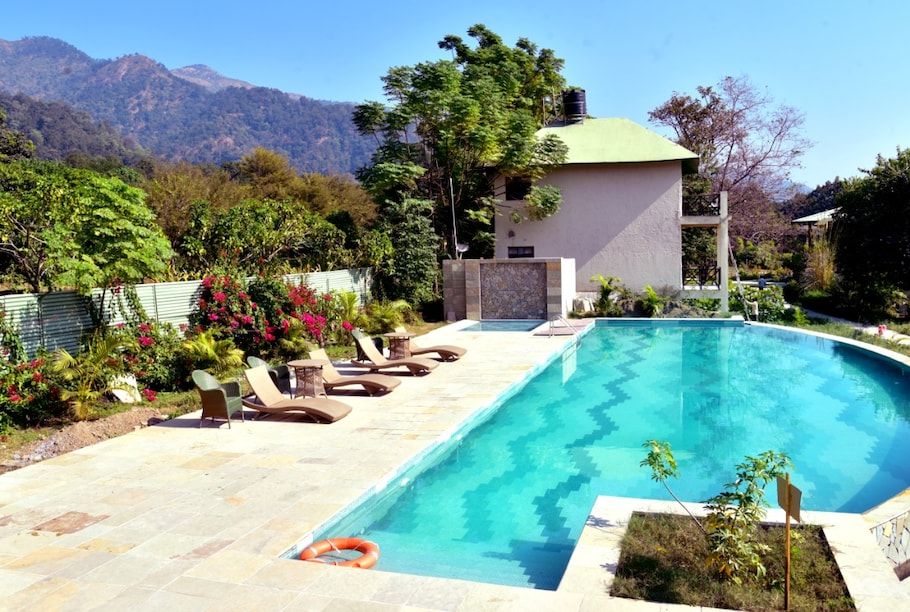
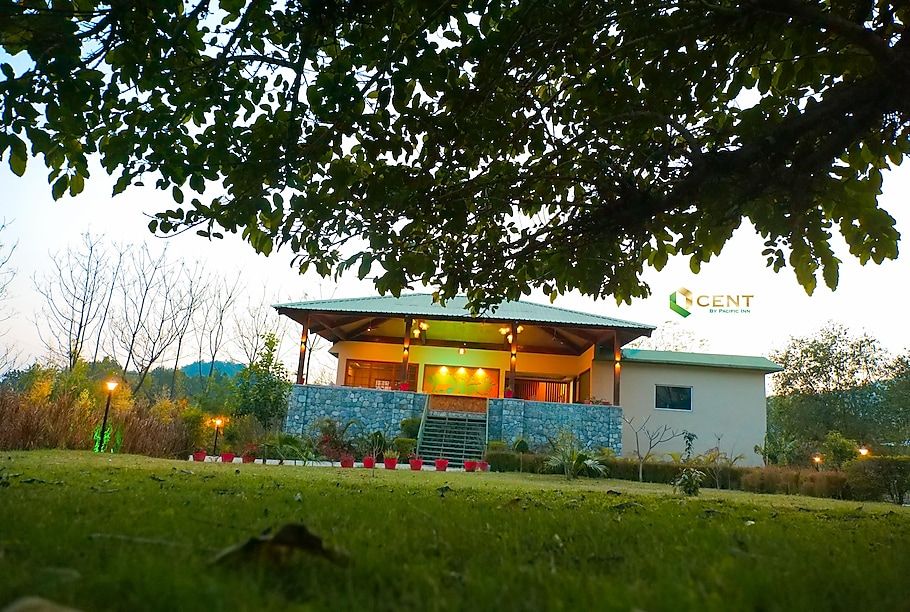
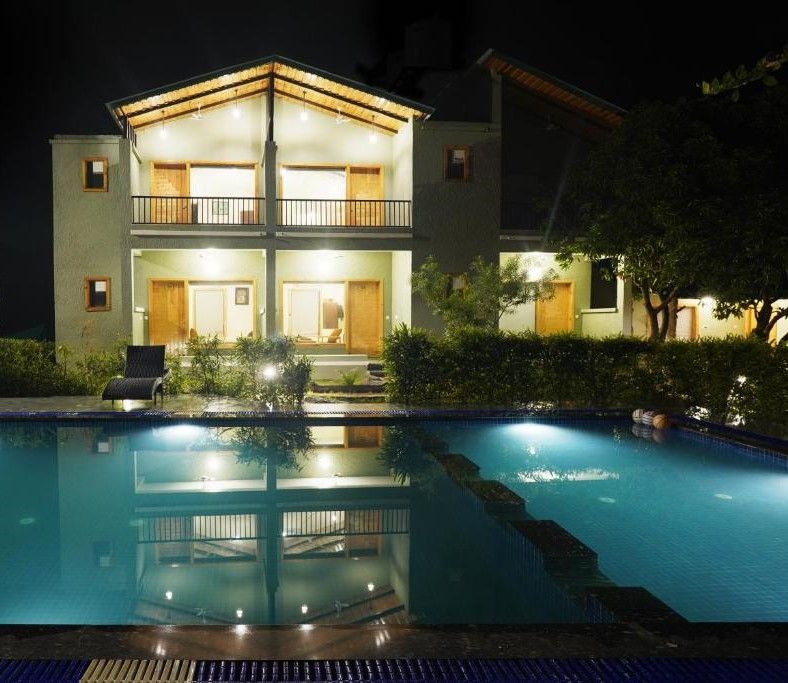
Accommodations around Dhikala range from quiet countryside retreats to nature-focused wilderness stays spread along the perimeter of the national park, particularly along the valleys and villages bordering Ramnagar and the Kosi River corridor. These bases allow travellers to unwind in quiet rural settings after early morning and late afternoon safaris.
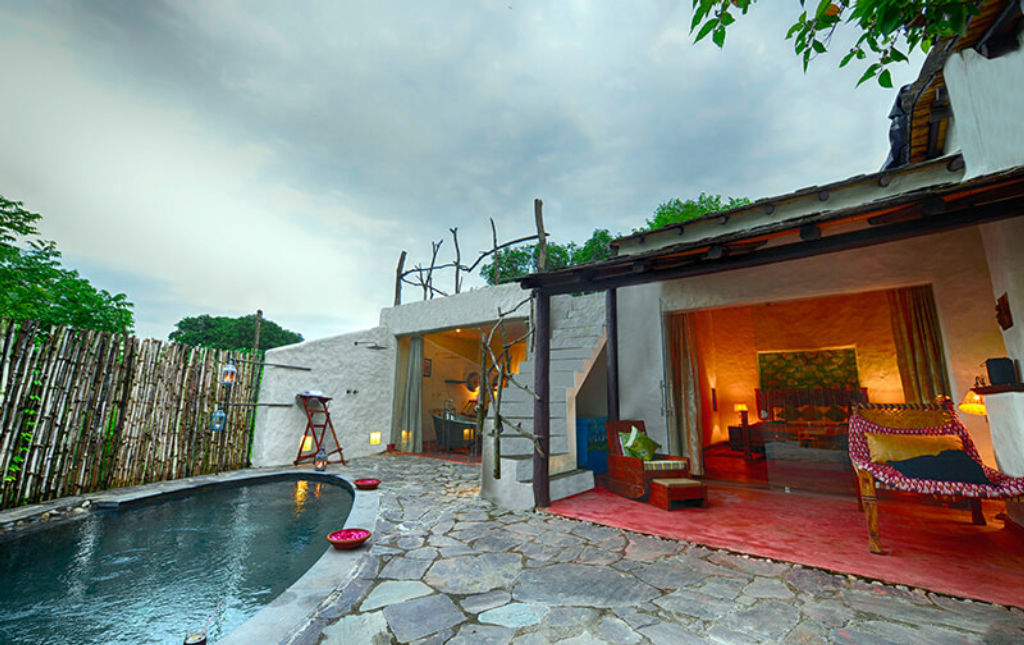
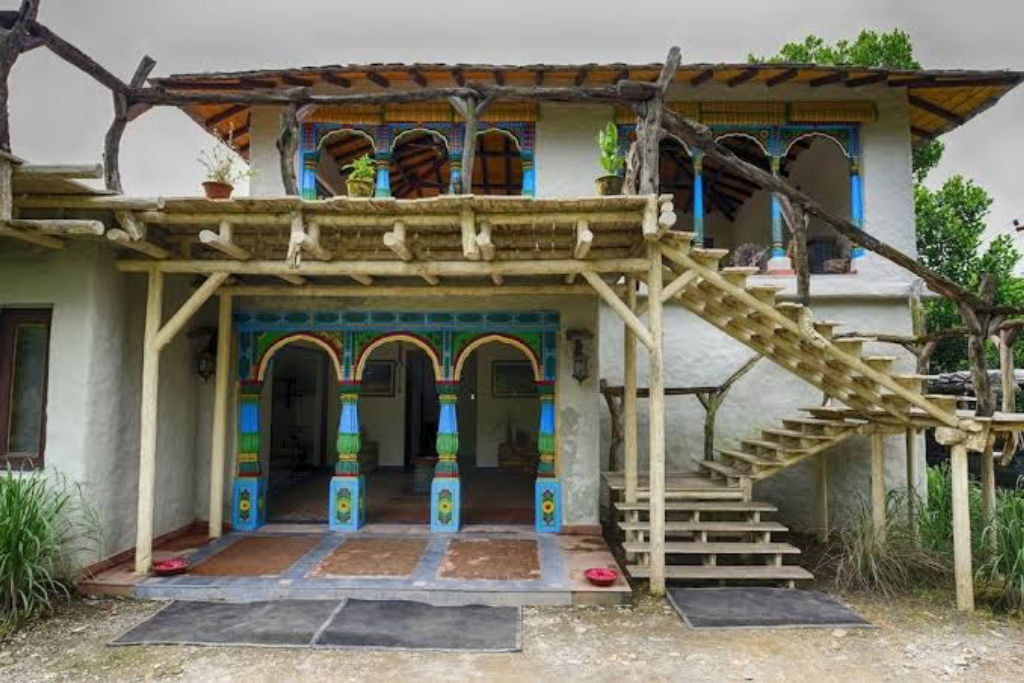
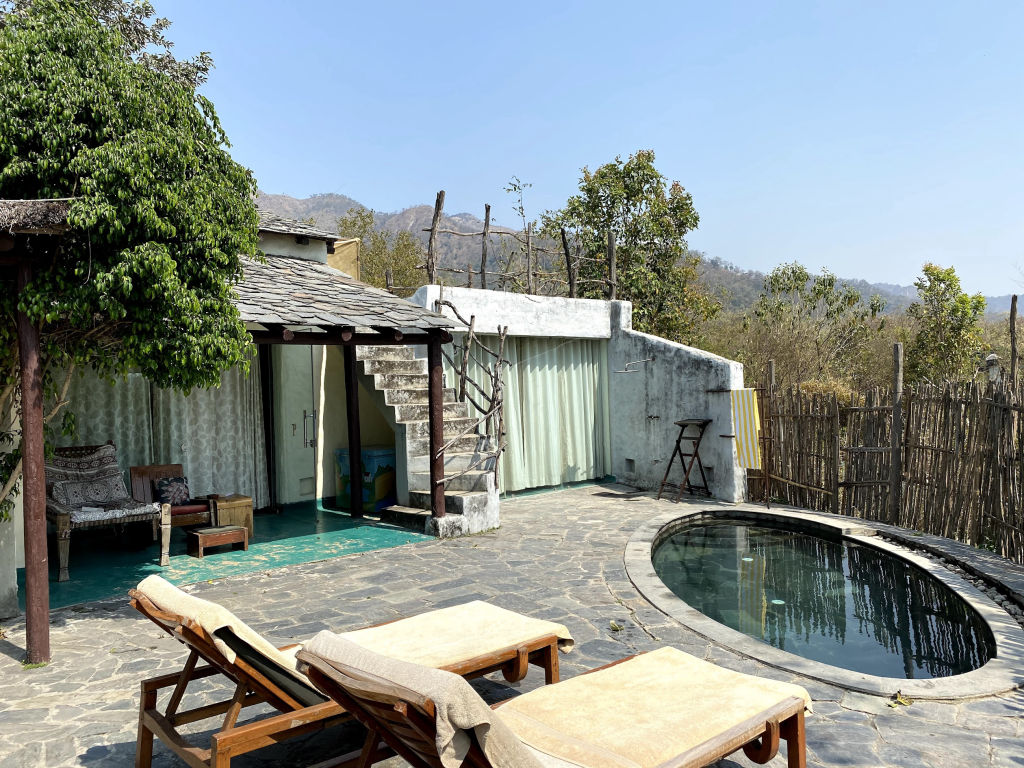
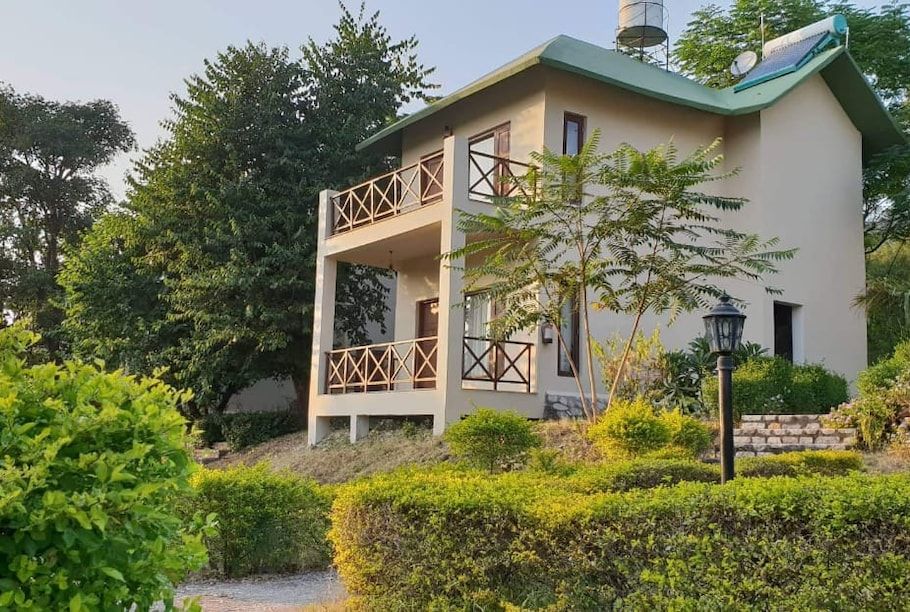
Those looking for experiential stays, riverside retreats, cozy private cottages, and eco-camps can explore verified options on HireACamp. Staying near the park entrance corridors ensures easy early-morning access to the safari gates while giving you a restful place to enjoy Uttarakhand's forested foothill landscapes.
Frequently asked questions
Where is Dhikala located?
Dhikala is the primary tourism and wilderness zone located inside Jim Corbett National Park in Uttarakhand, accessed via the gateway town of Ramnagar.
What animals can I expect to see in Dhikala?
Dhikala is home to Bengal tigers, Asian elephants, spotted deer, sambar, hog deer, wild boars, marsh crocodiles, gharials, and hundreds of species of resident and migratory birds.
When is Dhikala open to visitors?
The Dhikala zone typically opens for tourism after the monsoon season in late autumn and stays accessible until early summer, closing during heavy rains. Check official forest announcements locally for exact seasonal dates.
Do I need a permit to enter Dhikala?
Yes, entering Dhikala requires an official forest department safari permit along with registered safari vehicles and authorized local guides, which should be secured in advance.
What is the nearest railway station to Dhikala?
Ramnagar railway station is the nearest railhead, located close to the entry gates and connected by direct trains to Delhi and other major cities.
Where you'll be
Ramnagar · 7 stays nearby shown with prices
Stays near Dhikala
Book a place to stay close by
More places near Dhikala
Within 20 km
Built from 0 Instagram posts by 0 creators. Every tip links back to the post it came from, and where creators disagree we show both sides.






