
Jim Corbett National Park
National park near Ramnagar, Uttarakhand
12 km from Ramnagar
The nearest town, for stays, food and fuel.
Jim Corbett National Park, located in the Nainital and Pauri Garhwal districts of Uttarakhand near Ramnagar, is India's oldest national park and the historic cradle of Project Tiger. Spanning the Shivalik foothills along the Ramganga River basin, the reserve is characterized by dense sal woods, broad grasslands, and rocky riverbeds. Wildlife enthusiasts and birdwatchers travel here year-round hoping to catch glimpses of wild Asian elephants, Bengal tigers, and diverse forest life in their natural wilderness.
Getting there
By road
- From RamnagarNearest town25 min · 13 km
- From Dehradun5 hr · 216 km
- From New Delhi5 hr 50 min · 271 km
- From Chandigarh9 hr 10 min · 405 km
Typical drive times without traffic. Stations and airports from OLA Maps; distances and typical drive times from OpenStreetMap (© OpenStreetMap contributors); notes from creators' Reels.
About Jim Corbett National Park
Written with AI from map data and general knowledge. Check prices and timings locally before you go.
About Jim Corbett National Park
Jim Corbett National Park holds an honoured place in the history of Indian wildlife conservation. Established in 1936 as Hailey National Park, it was subsequently renamed in tribute to the famed naturalist and author Jim Corbett, who was instrumental in its founding. The reserve protects a distinct sub-Himalayan ecosystem where high ridges descend into fertile river valleys and mixed deciduous forests.
The terrain is dominated by towering sal trees, broadleaf woodlands, and riverine belts formed by the Ramganga River and its seasonal tributaries. Across the reserve, wide clearings known as chaurs open up between the woods. These natural grasslands serve as crucial feeding grounds for grazing herbivores and create open vistas that make the park a renowned wildlife observation ground.
Wildlife and Landscape
The landscape of Jim Corbett National Park is defined by dramatic topographical contrasts. Forested foothills slope down into boulder-strewn riverbeds, marshy depressions, and expansive floodplains. This variety of terrain sustains an incredible cross-section of flora and fauna, making every drive through the park visually rich.
The park is celebrated for hosting a healthy population of the Royal Bengal tiger and wild Asian elephants, which are often observed moving in family herds through river corridors. Other mammals residing here include leopards, sloth bears, jungle cats, sambar deer, spotted deer, barking deer, and wild boars. Along the Ramganga River, visitors may spot the endangered fish-eating gharial alongside marsh crocodiles basking on sandbanks. With more than six hundred recorded bird species, including hornbills, fish eagles, crested serpent eagles, and migratory waterbirds, the park is equally compelling for dedicated birdwatchers.
Read more
Safari Zones of Jim Corbett
To ensure sustainable wildlife conservation and organized tourism, Jim Corbett National Park is divided into several administrative eco-tourism zones. Dhikala is arguably the most famous, prized for its vast expanses of open grasslands, panoramic views over the Ramganga reservoir, and consistent wildlife movements.
Other prominent sectors include Bijrani, Jhirna, and Dhela. Bijrani is noted for its picturesque sal forests and grassy clearings, while Jhirna and Dhela are celebrated for rich birdlife and dense undergrowth. Unlike some zones that shut down completely during the monsoon, portions of Jhirna and Dhela often stay accessible longer, subject to regional weather conditions. Safaris are organized in registered open-top four-wheel-drive vehicles accompanied by certified nature guides who navigate tracks and track wildlife signs.
Best Time to Visit Jim Corbett National Park
The climate in the foothills of Uttarakhand shapes the park experience through three distinct seasons. The winter months, from November to February, bring cool days, crisp mornings, and clear Himalayan skies. This is a favoured period for exploring open grasslands comfortably and spotting winter migratory birds that flock to the water bodies.
From March through June, summer sets in with rising daytime temperatures. As water sources inside the deep forest shrink, animals emerge more frequently to drink along the river channels and watering holes, making this season popular for wildlife photography despite the daytime heat. The monsoon season lasts from July to September. During this period, heavy rains replenish the forest but lead to the temporary closure of core safari zones to prevent road erosion and ensure undisturbed breeding conditions for the resident wildlife.
How to Reach Jim Corbett National Park
The primary staging point for entering the park is the town of Ramnagar in Uttarakhand. Ramnagar features its own railway station with direct train connections to Delhi and nearby northern transit hubs. Travellers can also disembark at Kathgodam railway station, which sits within a reasonable driving distance from Ramnagar.
Road connectivity to Ramnagar is well established. Regular public and private buses run from major cities across Uttarakhand, Uttar Pradesh, and Delhi. If driving from Delhi, the route generally follows national and state highways via Moradabad and Kashipur before entering the foothill belt. From Ramnagar, local taxis and safari vehicles provide transit directly to the various entry gates and accommodation zones.
Places to Visit Nearby
A trip to Jim Corbett can easily be paired with several points of interest scattered along the edges of the reserve. Near the northern gate, the Dhangarhi Museum offers educational insight into the park's early history, displaying preserved trophies, wildlife specimens, and exhibits on Jim Corbett's life and conservation milestones.
To the west, the peaceful Tumaria Dam forms a broad water catchment area that attracts resident and migratory waterfowl, presenting a quiet setting for landscape photography. Travellers interested in regional cultural sites often stop at Shri Hanuman Dham, a riverside temple complex set in serene surroundings near the Kosi River. The shallow banks of the Kosi River outside the park boundaries also provide scenic spots to sit by running water and watch forest birds.
Tips for Your Visit
Safaris inside Jim Corbett National Park are governed by strict quotas set by the forest department, making it essential to arrange entry permits and book authorized vehicles well ahead of your journey. Ensure that all party members carry valid government-issued identity cards that match your booking permits.
Choose natural, subdued clothing in shades of khaki, brown, and olive green to avoid standing out against the forest environment. Morning drives during the winter months are exceptionally cold in open vehicles, so warm layers, windbreakers, and beanies are necessary. Carry a sturdy pair of binoculars to enjoy bird sightings across riverbeds and open clearings. Always maintain silence within the park, follow your guide's instructions, and never dispose of plastic or trash inside reserve boundaries.
Where to Stay near Jim Corbett
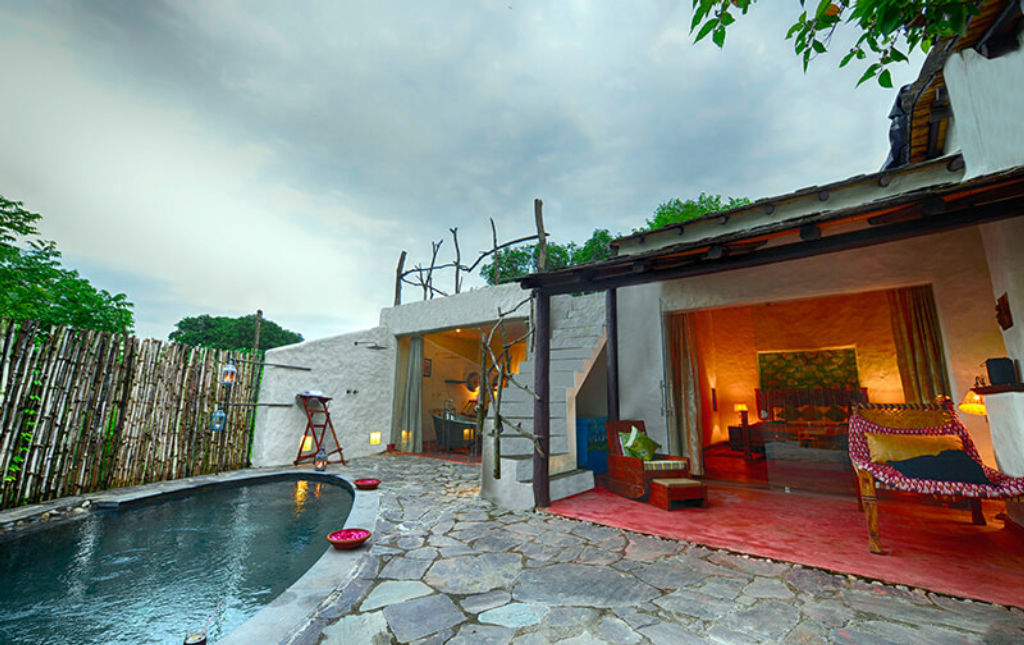
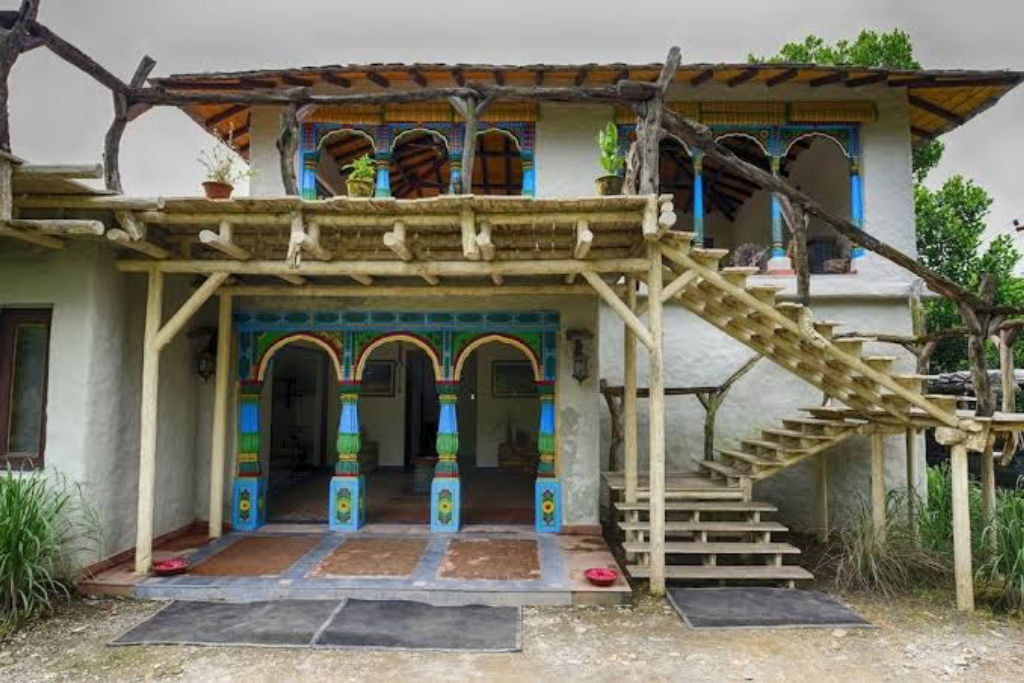
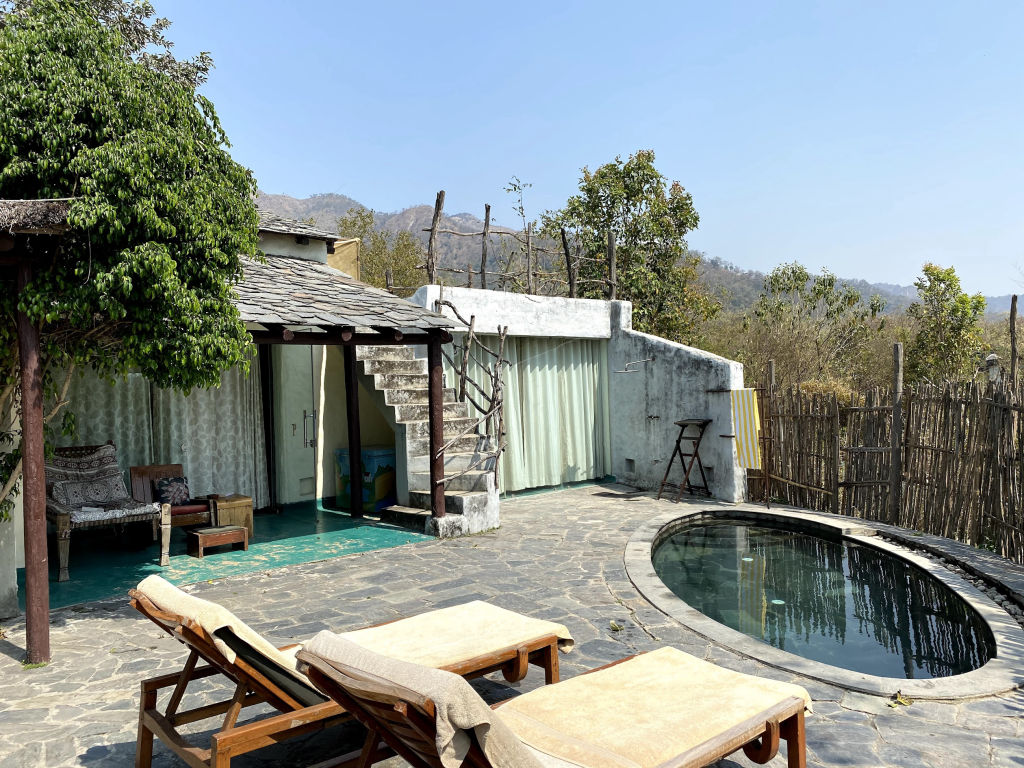
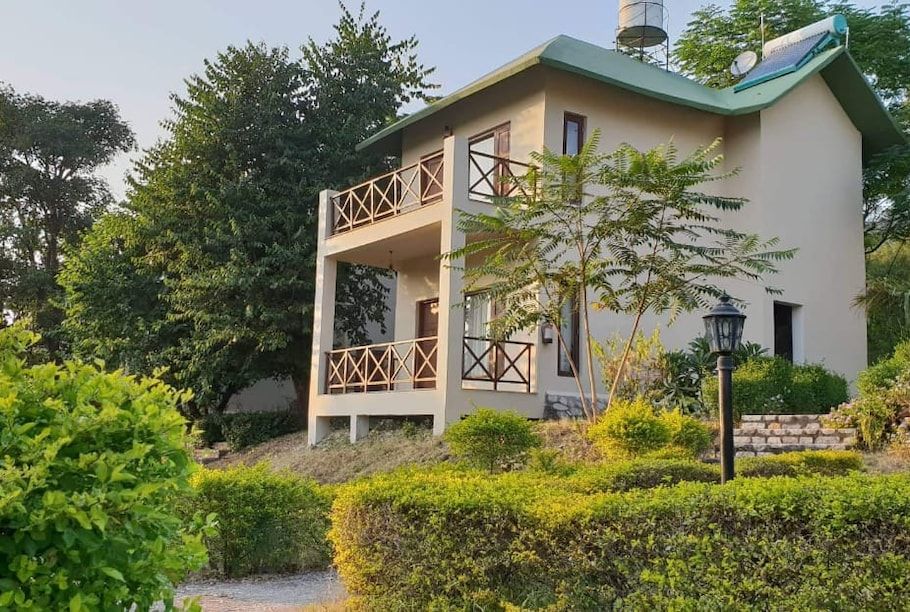
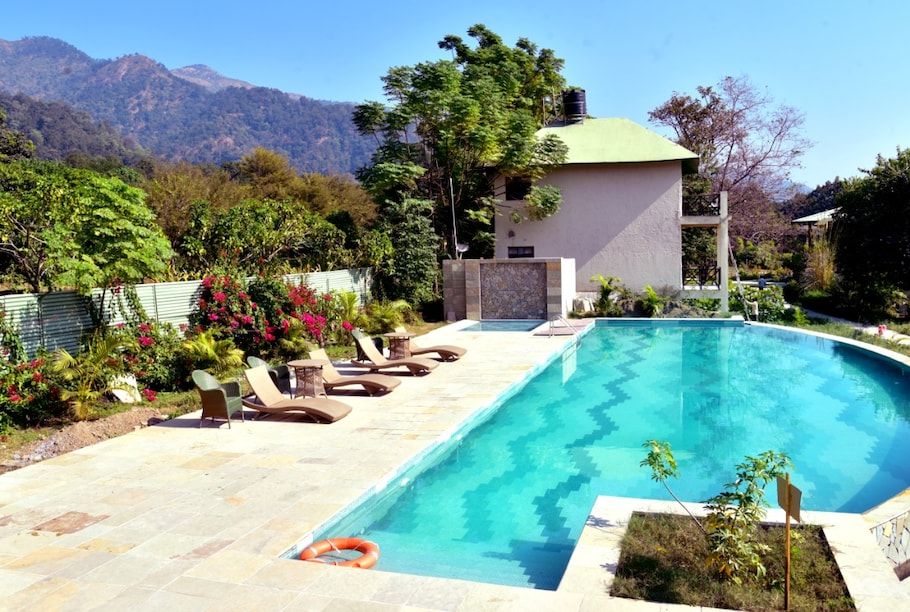
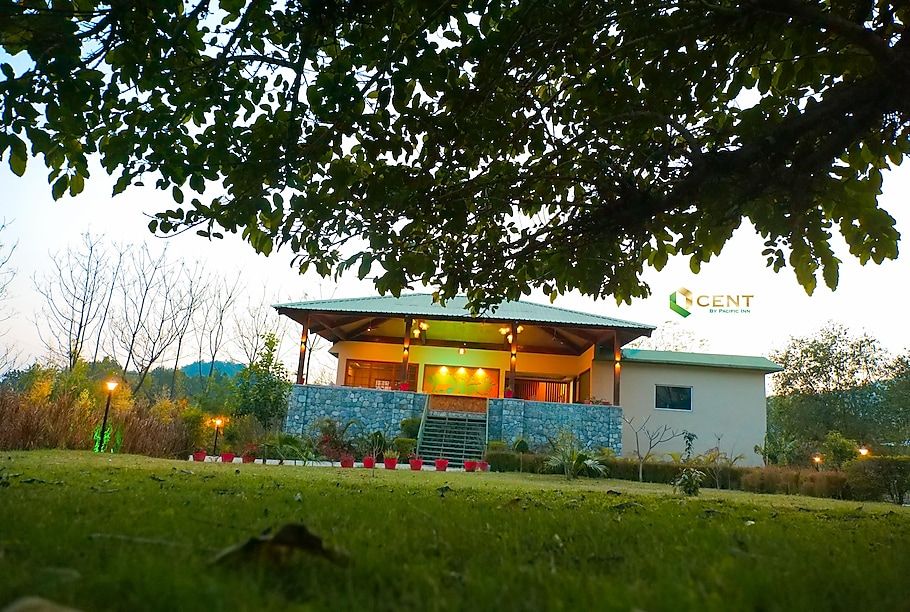
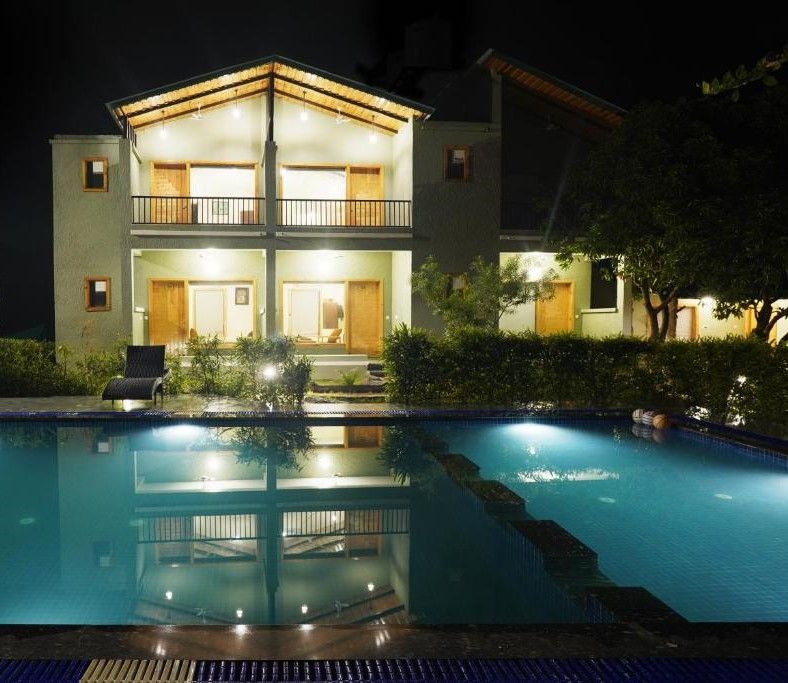
Accommodation options around Ramnagar and along the periphery of Jim Corbett National Park range from rustic riverside tented stays to quiet village homestays and nature retreats. Staying along the forest fringes allows travellers to wake up to birdsong and remain close to the safari entry gates for dawn excursions.
You can discover and book characterful camps, nature stays, and homestays near Jim Corbett National Park directly on HireACamp. Opting for independent, eco-conscious stays allows you to experience traditional Kumaoni hospitality while remaining deeply connected to the natural rhythms of the sub-Himalayan wilderness.
Frequently asked questions
Which is the best safari zone in Jim Corbett National Park?
Each safari zone offers something distinct: Dhikala is renowned for expansive grasslands and river views, Bijrani is popular for dense sal forests and wildlife drives, while Jhirna and Dhela provide excellent birdwatching opportunities and stay open longer through the year.
When does Jim Corbett National Park close for the monsoon?
Core tourism zones such as Dhikala and Bijrani typically close from late June until mid-November due to heavy monsoon rains and road conditions. However, designated eco-tourism zones like Jhirna and Dhela generally remain open year-round, weather permitting.
How can I travel to Jim Corbett National Park from Delhi?
You can take a direct train from Delhi to Ramnagar railway station, travel by intercity bus, or drive via Moradabad and Kashipur, which generally takes around five to six hours depending on traffic.
What wildlife species can be seen in Jim Corbett National Park?
Jim Corbett is home to Bengal tigers, wild Asian elephants, leopards, sloth bears, spotted deer, sambar, barking deer, gharials, and mugger crocodiles, along with more than six hundred species of birds.
What kind of clothing should I pack for a Corbett safari?
Pack earthy, neutral-coloured clothes such as khaki, beige, or olive green to blend into the forest landscape. If travelling between November and February, carry heavy jackets, gloves, and caps for chilly open-vehicle morning safaris.
Where you'll be
Ramnagar · 7 stays nearby shown with prices
Stays near Jim Corbett National Park
Book a place to stay close by
More places near Jim Corbett National Park
Within 20 km

Built from 0 Instagram posts by 0 creators. Every tip links back to the post it came from, and where creators disagree we show both sides.






