
Jim Corbett National Park
National park near Mohan, Uttarakhand
1.8 km from Mohan
The nearest town, for stays, food and fuel.
Jim Corbett National Park is India's oldest national park, set amidst the forested foothills of the Shivalik range and the Ramganga river basin in Uttarakhand. Situated near the town of Ramnagar, the park draws travellers from across the world eager to glimpse the Bengal tiger, wild Asian elephants, and rich Himalayan birdlife in their natural habitat. Its varied landscape of dense sal woods, broad grasslands, and rocky riverbeds offers one of northern India's most authentic wildlife experiences.
Getting there
By road
- From MohanNearest town3 min · 2.8 km
- From Dehradun5 hr 15 min · 256 km
- From New Delhi5 hr 55 min · 285 km
- From Chandigarh9 hr 25 min · 445 km
Typical drive times without traffic. Stations and airports from OLA Maps; distances and typical drive times from OpenStreetMap (© OpenStreetMap contributors); notes from creators' Reels.
About Jim Corbett National Park
Written with AI from map data and general knowledge. Check prices and timings locally before you go.
The Landscape of Jim Corbett National Park
Spanning across parts of the Nainital and Pauri Garhwal districts of Uttarakhand, Jim Corbett National Park protects a rich ecological belt where the Himalayan foothills meet the northern plains. The Ramganga, Sonanadi, Mandal, and Palain rivers carve through this reserve, nourishing a patchwork of dense deciduous forests dominated by tall sal trees, thick clumps of bamboo, and sweeping alluvial grasslands known locally as chaurs.
The diverse topography, ranging from narrow river valleys to undulating hill ridges, creates microclimates that support an astonishing array of flora and fauna. As the morning mist lifts over the Ramganga riverbed, one can observe how closely the wilderness connects to the life of the local Kumaoni communities living along the fringes. Exploring these varied terrains gives visitors a grounded understanding of the conservation efforts that began here almost a century ago.
Wildlife and Birdwatching at Jim Corbett National Park
Jim Corbett National Park is celebrated as one of the premier sanctuaries for the endangered Royal Bengal tiger. Beyond the apex predator, the park's forests sustain thriving populations of wild Asian elephants, leopards, sloth bears, and several species of deer including spotted deer, sambar, barking deer, and the rare hog deer. The riverbanks and deep pools are home to both the marsh crocodile and the fish-eating gharial.
For birdwatchers, Corbett is an exceptional haven throughout the year. More than five hundred species of resident and migratory birds have been recorded across the park and its surrounding buffer forests. Travellers frequently spot great hornbills, crested serpent eagles, red junglefowl, kingfishers, and a colourful multitude of flycatchers and barbets. Carrying a sturdy pair of binoculars is essential, as much of the forest's life unfolds high up in the dense canopy or along the quiet waters of the river.
Read more
Things to Do at Jim Corbett National Park
The primary way to experience Jim Corbett National Park is by exploring its distinct safari zones, such as Dhikala, Bijrani, and Jhirna, through designated forest tracks. Open-top jeep safaris allow travellers to navigate the forest paths with certified naturalists who track animal footprints, listen for alarm calls, and interpret subtle signs of movement in the brush.
Outside the core jungle safaris, visitors can enjoy nature walks along designated walking trails in the buffer corridors, guided riverbed walks along the Kosi, and serene birdwatching excursions. Angling and quiet photography along permissible river sections offer relaxed alternatives to dawn drives. Taking time to learn about the park's history and its conservation milestones at local visitor interpretation centres also adds deep perspective to any visit.
Best Time to Visit Jim Corbett National Park
The park experiences distinct seasons, each offering a completely different perspective of the wilderness. Winter, from mid-November to February, brings crisp, cold mornings and comfortable, sunny afternoons. Wildlife watching is especially pleasant during these months, and bird activity is at its peak with the arrival of migratory species from high-altitude Himalayan ranges.
As temperatures rise from March through June, the vegetation thins out, and animals frequent the remaining waterholes and riverbanks, making the summer months ideal for wildlife tracking despite the daytime heat. The monsoon season, typically between July and October, brings heavy rainfall that rejuvenates the landscape into lush green. While certain core zones may be restricted or closed for safety and animal breeding during the rains, buffer zones and peripheral forests remain open for quiet nature retreats.
How to Reach Jim Corbett National Park
The town of Ramnagar serves as the primary gateway to Jim Corbett National Park and handles most administrative entries and visitor arrangements. Ramnagar is well connected by road and rail to major northern Indian cities, including Delhi, Dehradun, Moradabad, and Bareilly.
Travellers driving from Delhi usually head east via Hapur, Moradabad, and Kashipur before reaching Ramnagar on well-paved highways. Regular trains connect Ramnagar railway station directly to Old Delhi and other regional hubs. For those choosing air travel, the nearest domestic airport is at Pantnagar, from where taxis and local buses commute up to Ramnagar, while Dehradun's Jolly Grant Airport offers an alternative regional connection.
Tips for Your Visit to Jim Corbett National Park
Visiting a premier national park requires patience, preparation, and respect for the natural environment. Safari permits for the various zones are strictly regulated and should be checked and secured well in advance of your travel dates. Choose earthy, neutral-coloured clothing such as olive greens, browns, and khakis to blend into the forest surroundings, avoiding bright colours or strong perfumes that might disturb wildlife.
Always adhere strictly to the guidelines set by forest officials and your accompanying guides. Keep noise to an absolute minimum during forest drives, never attempt to feed or provoke wild animals, and remain inside your designated vehicle at all times. Corbett is a strict plastic-free zone, so carry reusable water bottles and take all personal trash back to your base for proper disposal.
Places to Visit Near Jim Corbett National Park
Extending your journey into the surrounding hills and river valleys reveals several interesting cultural and ecological sights. The Sonanadi Wildlife Sanctuary and Kalagarh Tiger Reserve form important parts of the broader Corbett ecosystem and offer pristine wilderness for those seeking quieter tracks.
Travelers interested in local heritage and panoramic mountain vistas can plan excursions toward nearby hill shrines like Manila Devi Temple, Gujru Garhi Temple, and Kalinka Temple set against rolling Himalayan ridges. For a tranquil day out, the scenic waters of Sariyatal Lake provide a refreshing change of pace before heading deeper into the Kumaon hills.
Where to Stay at Jim Corbett National Park
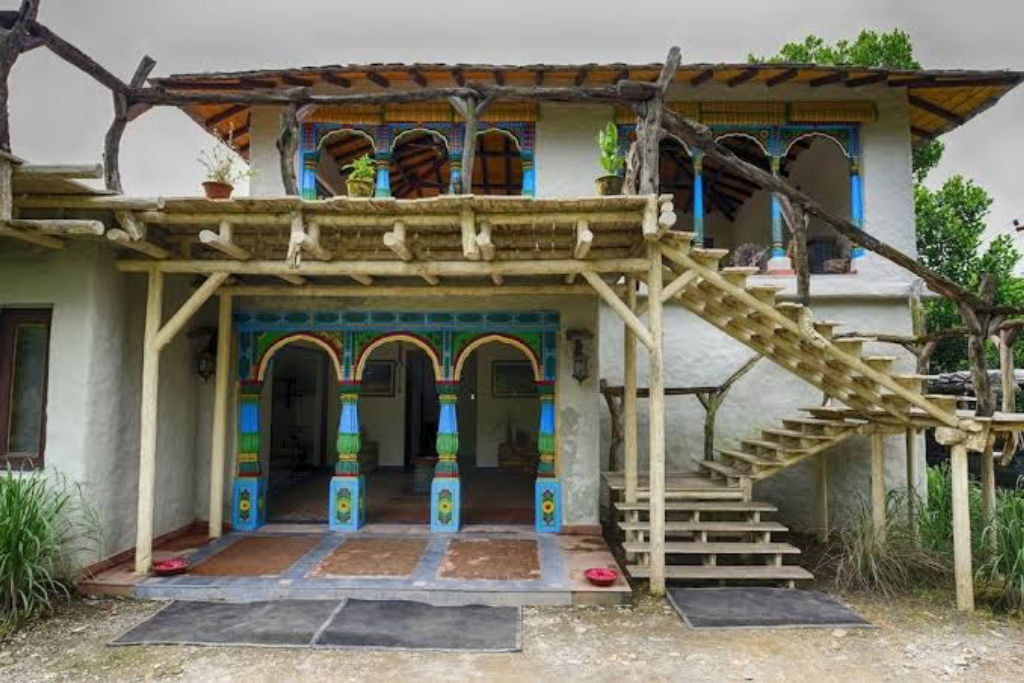
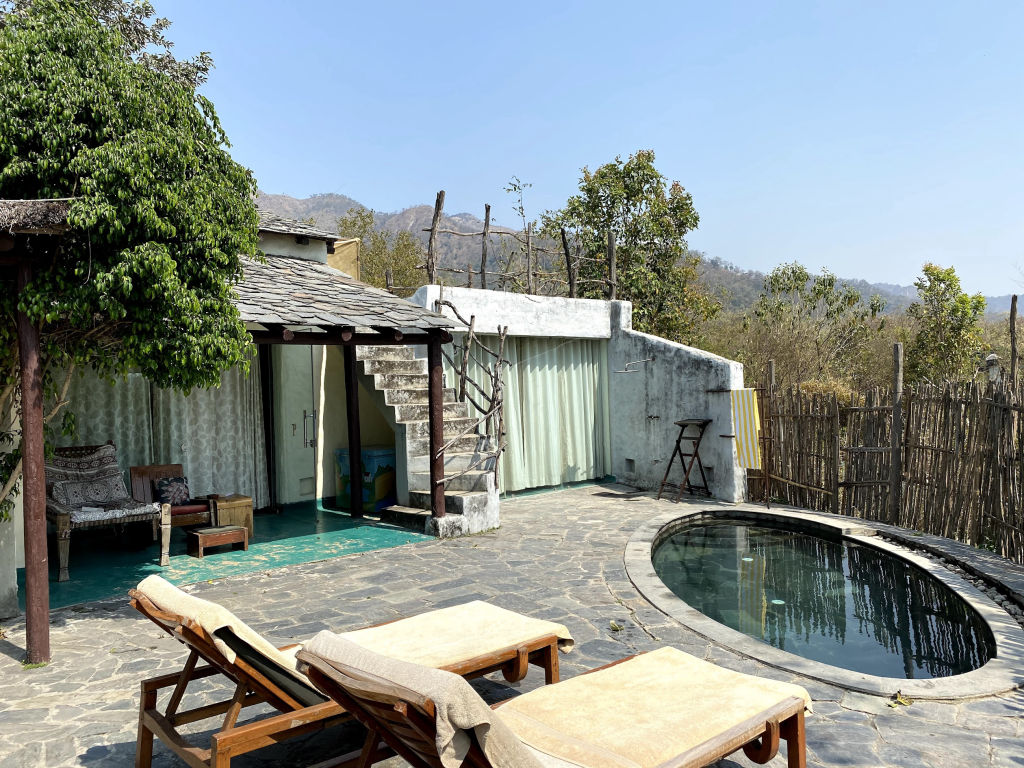
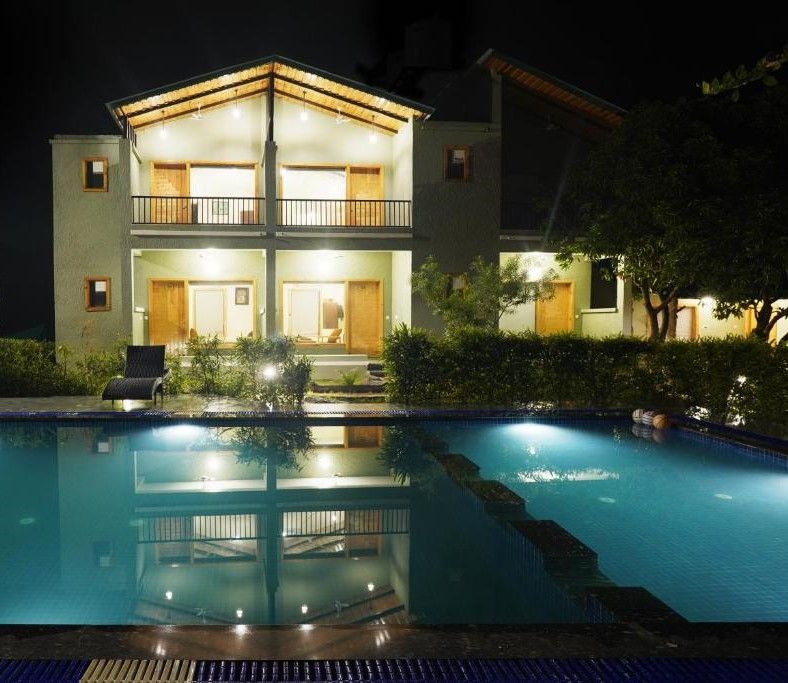
Accommodation options around Jim Corbett National Park are spread along the outskirts of Ramnagar, the Kosi river valley, and adjoining village borders. Staying outside the core area allows visitors to enjoy natural surroundings while keeping disturbance to wildlife minimal.
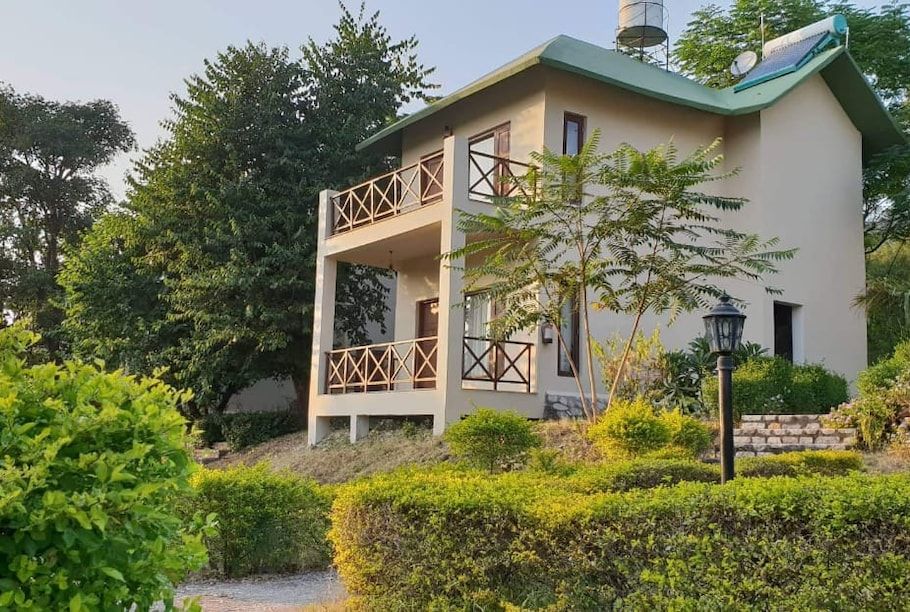
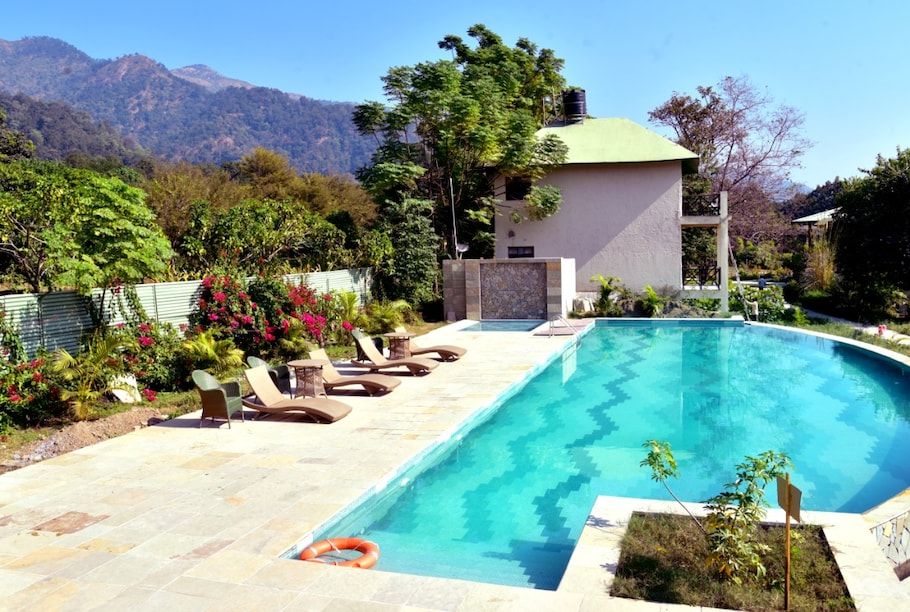
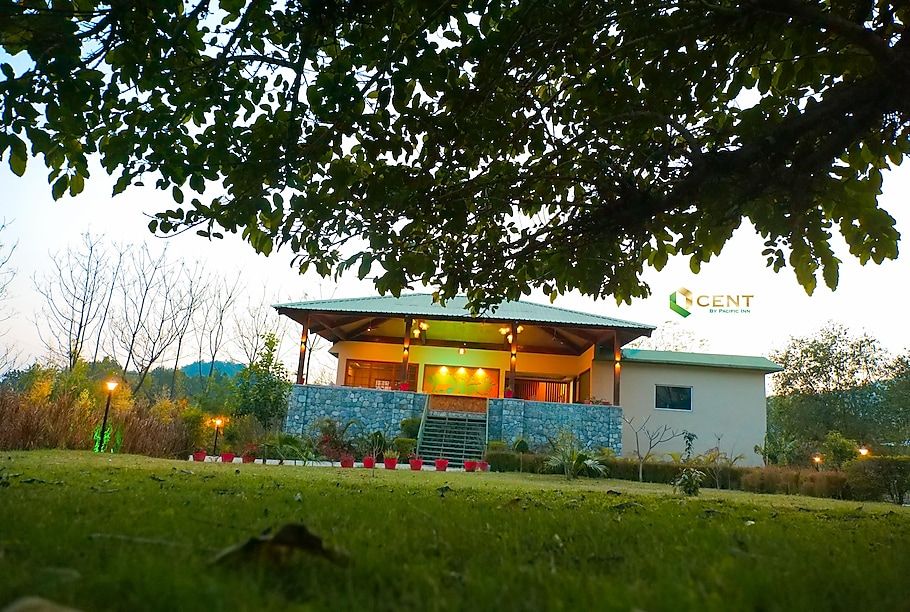
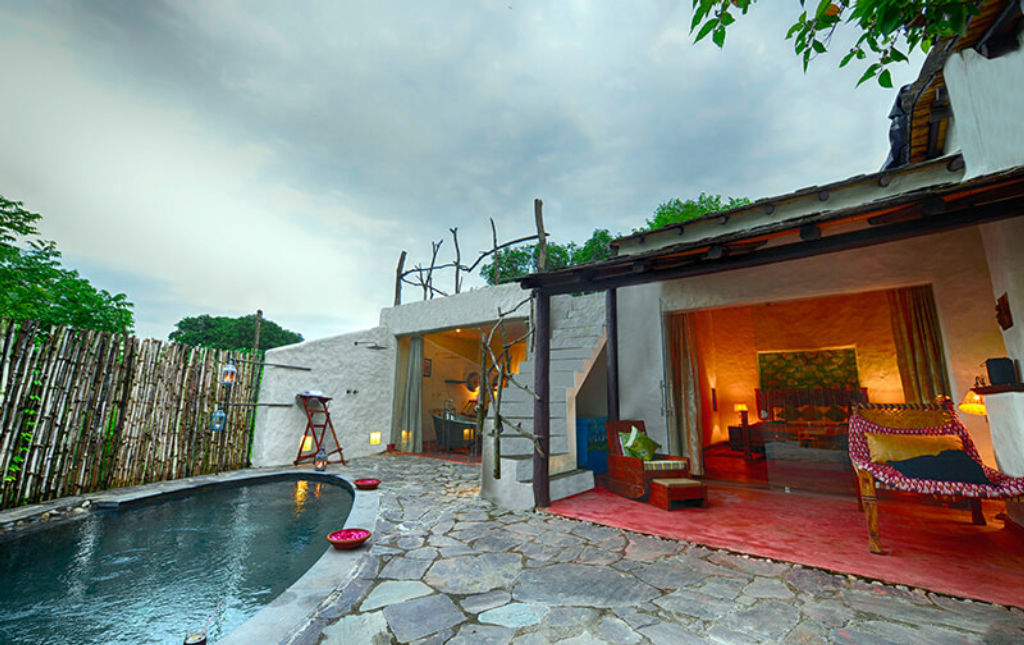
Travellers can choose from eco-friendly riverside campsites, village homestays run by local families, and nature cottages tucked away near orchard groves. You can discover and book a wide variety of verified camps and homestays around Jim Corbett National Park on HireACamp to suit your travel style and budget.
Frequently asked questions
What is the nearest town to Jim Corbett National Park?
The town of Ramnagar in Uttarakhand serves as the main entry point and commercial gateway to the national park.
Is Jim Corbett National Park open throughout the year?
Certain buffer areas and zones remain accessible throughout the year, but core safari zones typically close or experience restricted access during the monsoon season for animal breeding and visitor safety.
What animals can I expect to see in Corbett?
Visitors may see Bengal tigers, Asian elephants, leopards, several species of deer, marsh crocodiles, gharials, and over five hundred species of native and migratory birds.
How do I book stays near Jim Corbett National Park?
A selection of eco-camps, nature stays, and homestays located along the periphery of the park are available to browse and book on HireACamp.
What should I wear during a safari in Jim Corbett?
Wear comfortable clothing in muted natural tones such as khaki, olive, or beige to blend in with the forest, and carry warm layers if visiting during the chilly winter mornings.
Where you'll be
Ramnagar, Uttarakhand · 7 stays nearby shown with prices
Stays near Jim Corbett National Park
Book a place to stay close by
More places near Jim Corbett National Park
Within 20 km
Built from 0 Instagram posts by 0 creators. Every tip links back to the post it came from, and where creators disagree we show both sides.






