
Kaluk
Destination in Sikkim
Kaluk is a tranquil Himalayan village nestled in the foothills of West Sikkim, surrounded by lush forested hills and terraced farmlands. Known for its sweeping views of the Kanchenjunga range, the village offers a slow-paced retreat away from commercial mountain hubs. Travellers visit Kaluk to experience rural Sikkimese hospitality, explore historic forest trails, and enjoy pristine Himalayan landscapes.
Getting there
About Kaluk
Written with AI from map data and general knowledge. Check prices and timings locally before you go.
What Kaluk is known for
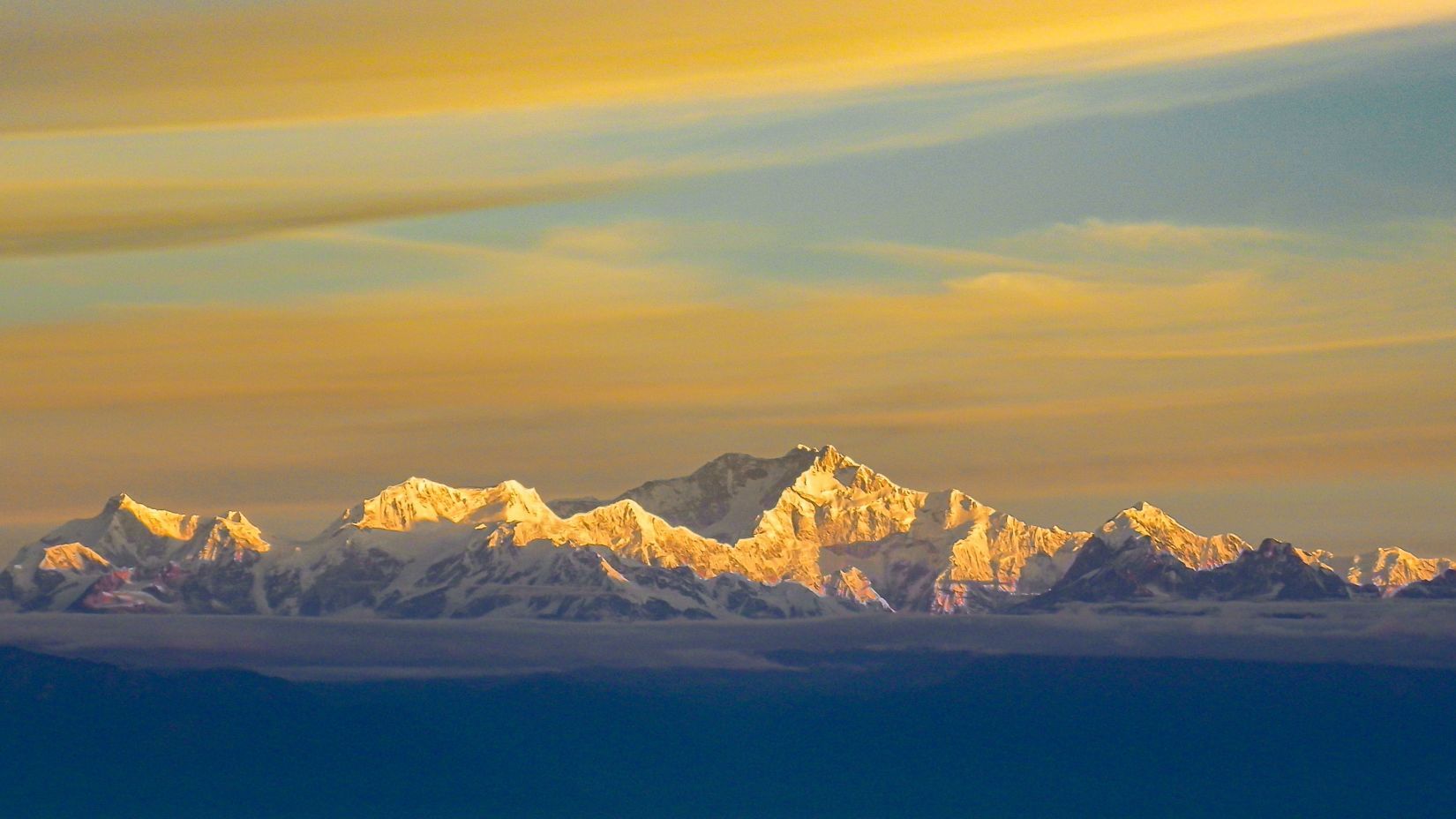
Kaluk is celebrated primarily for its panoramic, unobstructed view of Mount Kanchenjunga and the accompanying snow-capped Himalayan peaks. Positioned on a scenic ridge at an elevation of roughly 5,300 feet, the village commands a sweeping view across green valleys toward the towering mountains. Because the village faces the mountain range directly, sunrises here are particularly dramatic, bathing the peaks in gold and crimson light long before the valleys wake up.
Beyond mountain views, Kaluk is recognized as one of the pioneering eco-tourism destinations in West Sikkim. The settlement is rooted in traditional farming and natural preservation. Terraced fields climb the slopes around traditional homes, filled with crops of cardamom, maize, and organic vegetables. The surrounding area remains quiet and forested, giving visitors a genuine glimpse into the tranquil rhythm of village life in the eastern Himalayas.
Things to do in Kaluk
The simple pace of life in Kaluk lends itself to relaxed exploration on foot. One of the finest activities is walking along village roads and footpath trails through cardamon groves and pine woods. Birdwatchers will find plenty to occupy their mornings, as the mixed temperate forests of oak, chestnut, and rhododendron host numerous Himalayan bird species, including laughingthrushes, minivans, and sunbirds.
Photography is another primary draw. The play of light over the Kanchenjunga massif shifts from dawn through dusk, providing shifting compositions for landscape photographers. You can spend an unhurried morning wandering between clusters of local homes, observing rural farming practices, or sitting along one of the viewpoints enjoying quiet mountain breezes.
For those interested in local culture and heritage, short walks lead to nearby religious and historical landmarks. Just up the ridge lies Rinchenpong, where you can visit centuries-old Buddhist monasteries and forest-fringed chortens. Taking an afternoon stroll through these forested ridges provides a peaceful setting to soak in the mountain heritage of Sikkim.
Read more
Day trips and getaways near Kaluk
Kaluk makes an ideal base for exploring the rich heritage and natural beauty of West Sikkim. A very short drive or uphill walk brings you to the twin hamlet of Rinchenpong, known for its historic monastery dating back to the eighteenth century and the peaceful Reesum Monastery trail, which winds under a thick canopy of pine and rhododendron trees.
Further west and north lies the cultural hub of Gyalshing and the town of Pelling. A day excursion toward this region allows you to visit Pemayangtse Monastery, one of the oldest and most revered Nyingma monasteries in the state, as well as the atmospheric ruins of Rabdentse, the historic second capital of the former Kingdom of Sikkim. The pathway through Rabdentse's forested ruins leads to open viewpoints looking across the valley.
To the south, down toward the Teesta and Rangeet river valleys, travellers can explore riverside trails or traverse towards the tea garden slopes that stretch across the neighbouring hillsides. The border region of Darjeeling and West Sikkim shares valleys that showcase rolling tea estates, where mountain roads weave through manicured emerald bushes and tranquil hill towns.
Best time to visit Kaluk
The best time to visit Kaluk is from October to mid-December and again from March to May. The autumn months of October and November bring crisp, post-monsoon air, clear blue skies, and the sharpest views of the Kanchenjunga range. Temperatures during autumn are comfortably cool during the daytime, though evenings become cold.
Winter settles in from late December through February. While nights can be frosty and chilly, daytime temperatures remain moderate when the sun is out, and skies are frequently crystal clear, offering pristine snowy panoramas.
Spring, running from March through May, is another delightful season. As the winter chill recedes, the surrounding hills burst into colour with blooming rhododendrons, orchids, and wildflowers. The weather remains mild, making it an excellent season for walking and nature photography.
The monsoon months between June and September see heavy rainfall across Sikkim. Roads can experience landslides and cloud cover often obscures the mountain ranges. While the valleys turn exceptionally green and misty, travel during this window requires extra caution and patience.
How to reach Kaluk
Reaching Kaluk involves travelling through the scenic mountain roads of West Bengal and Sikkim. The nearest railway hub is New Jalpaiguri Junction, and the nearest major airport is Bagdogra Airport near Siliguri. Both transport centers connect with major Indian cities and are roughly 120 to 130 kilometres from Kaluk by road.
From Bagdogra or New Jalpaiguri, you can hire a private taxi or take a shared vehicle heading into Sikkim via Melli and Jorethang. The drive generally takes five to six hours, winding alongside the Teesta River before climbing up through Jorethang toward the higher elevations of Kaluk and Rinchenpong. The roads can be narrow and winding, so travel times depend heavily on local road conditions and weather.
Visitors entering Sikkim must present government identification at designated checkpoints. Foreign nationals are required to obtain an Inner Line Permit to enter the state, which can be arranged at border entry posts or online through official tourism channels.
Where to stay in Kaluk
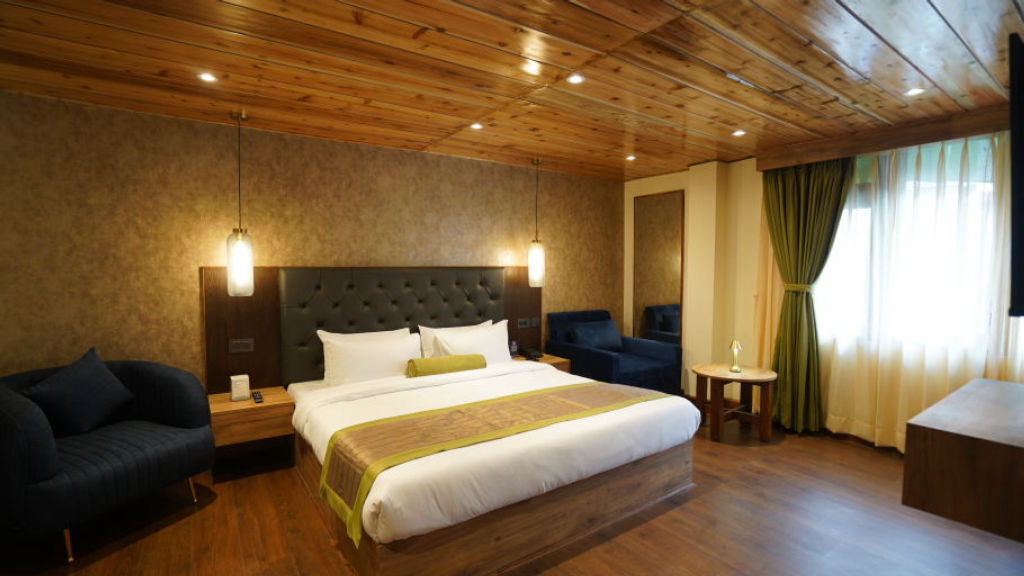
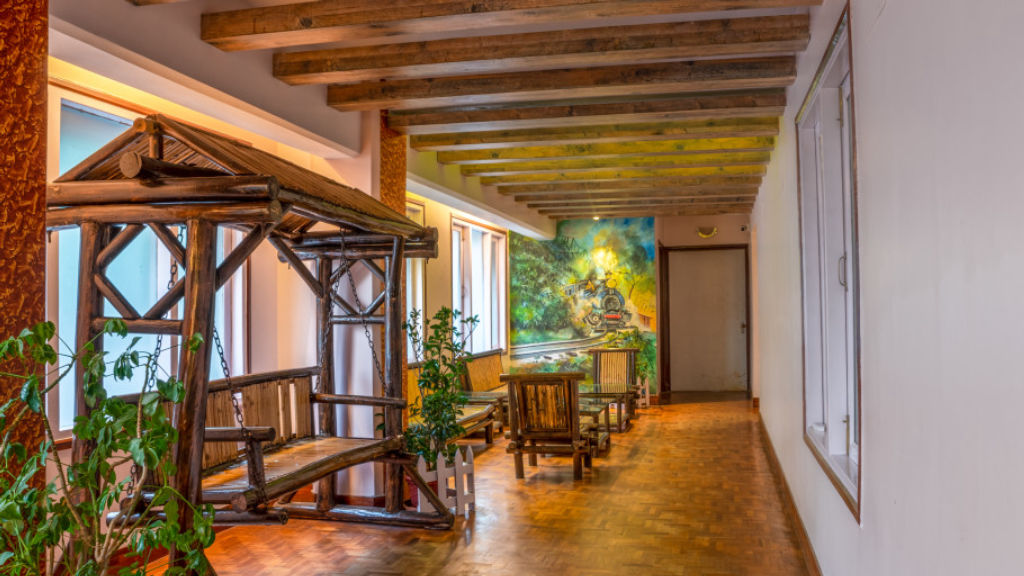
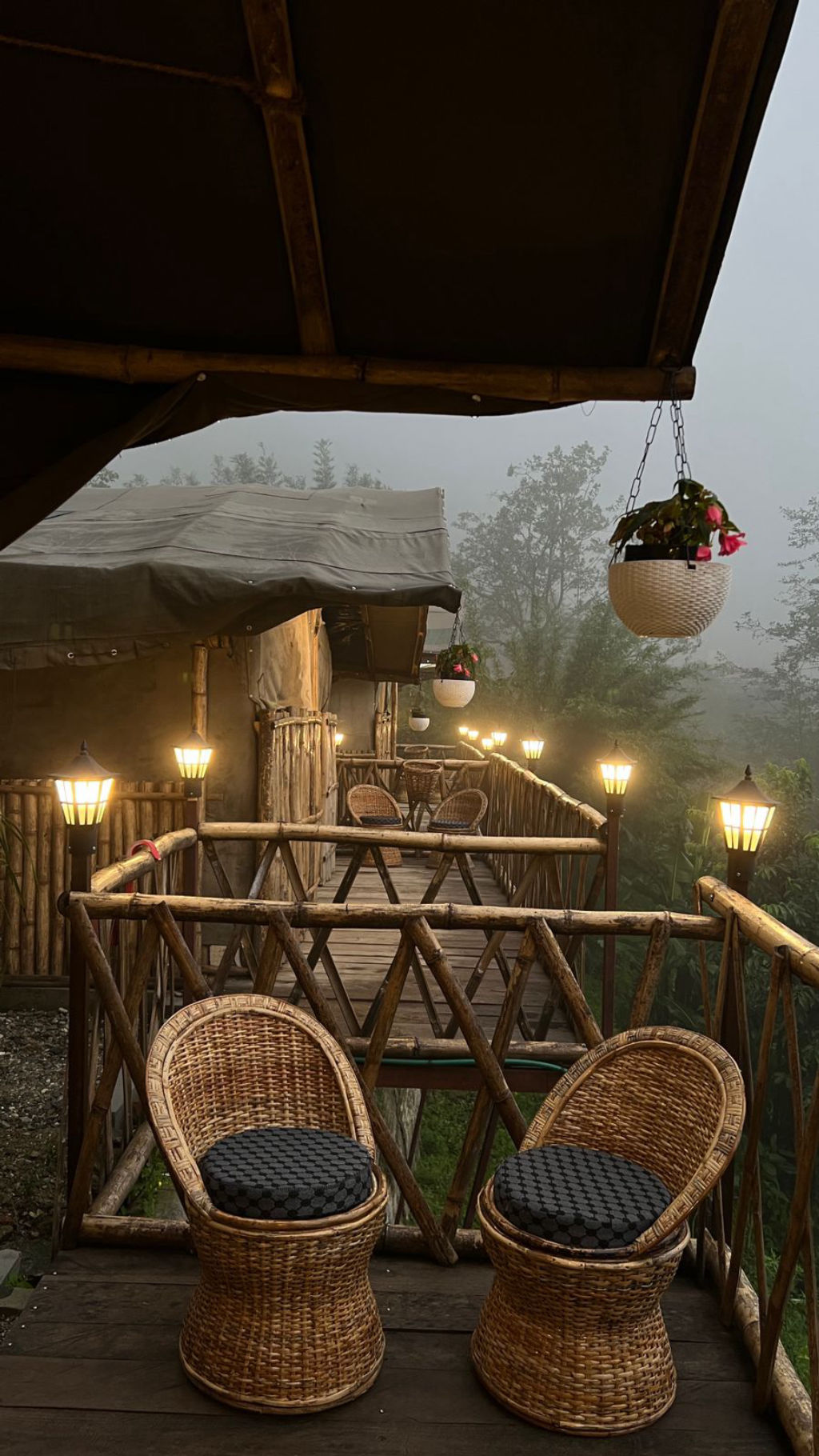
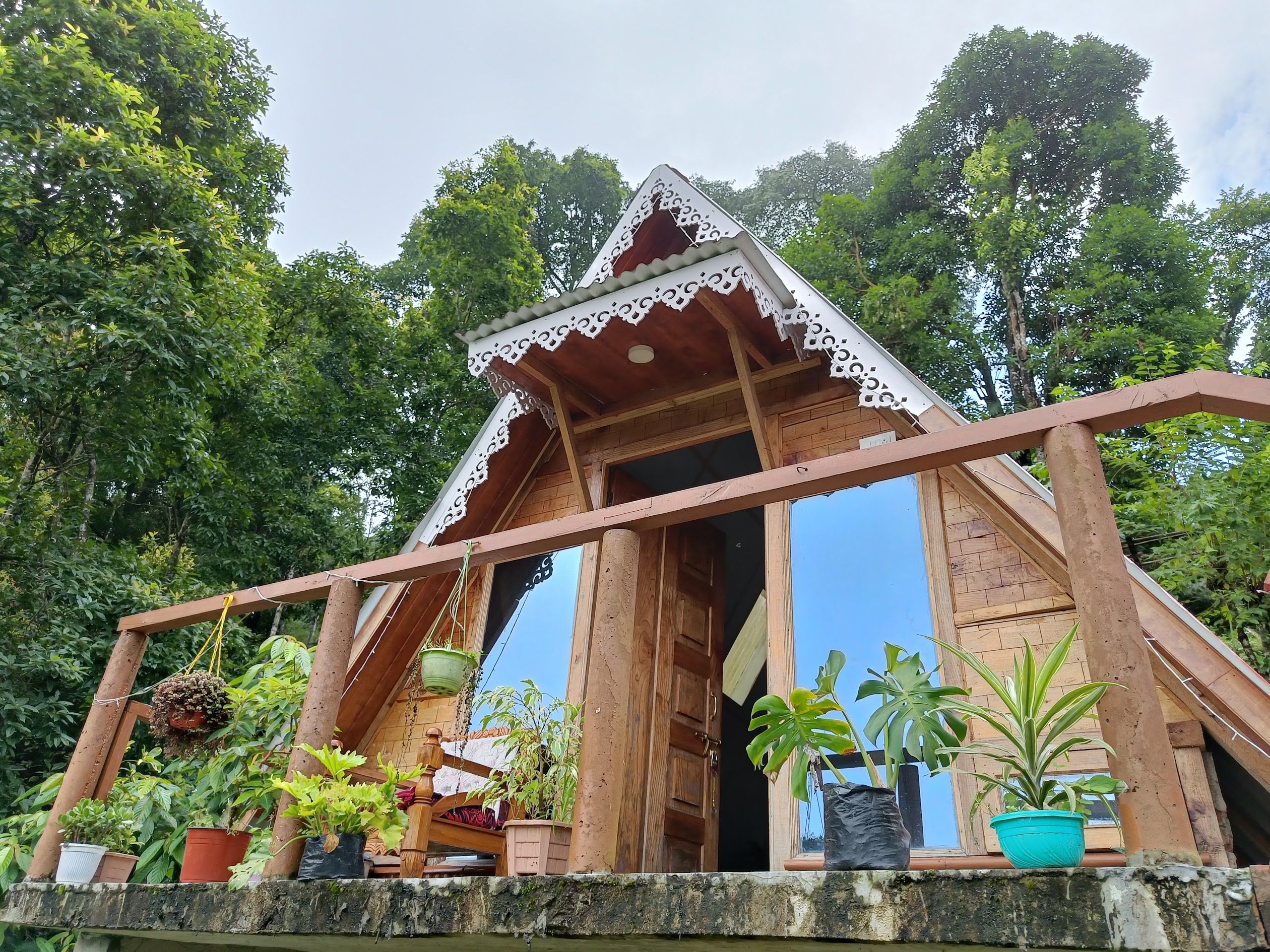
Accommodation in Kaluk is centered around village immersion and nature. Rather than expansive commercial resorts, the area is known for cosy homestays, hillside guesthouses, and scenic eco-camps that overlook the valley and the mountain range.
Staying in a local homestay offers a direct introduction to Sikkimese hospitality. Hosts typically serve home-cooked meals prepared with locally harvested organic ingredients, including fresh vegetables, lentils, local maize, and wild greens. Many properties are set within private orchards or adjacent to farmlands, providing peaceful garden spaces to sit and watch the morning sunrise. Stays, retreats, and camps around Kaluk and the surrounding valleys can be easily browsed and booked on HireACamp.
Tips for your visit to Kaluk
When packing for Kaluk, layering is key throughout the year. Even in the spring and summer months, mornings and late evenings carry a distinct mountain chill, so light woollens or fleece jackets are recommended. If visiting between November and February, heavy woollens, a windproof outer layer, warm socks, and thermal innerwear are necessary.
Good walking or hiking shoes are essential if you plan to explore the village footpaths and forest trails, as terrain can be uneven and steep in places. Carrying adequate cash is strongly advised, as local automated teller machines in small mountain villages can be unreliable or out of service, and smaller shops or transport operators may not accept digital payments.
Finally, respect the quiet environment and local customs. Kaluk remains uncrowded and peaceful; avoid loud music, dispose of waste responsibly, and ask before taking portraits of village residents going about their daily routines.
Frequently asked questions
What is Kaluk famous for?
Kaluk is famous for its panoramic view of Mount Kanchenjunga, serene village setting, traditional organic farming, and peaceful forest walks.
How far is Kaluk from Pelling?
Kaluk is located roughly 30 to 35 kilometres from Pelling by road, making it an easy drive of about an hour and a half depending on road conditions.
Do I need a permit to visit Kaluk?
Indian citizens do not require a special permit to visit Kaluk, but must carry valid photo identification. Foreign nationals require an Inner Line Permit to enter Sikkim, which can be obtained at border checkpoints or online.
Can I see snow in Kaluk?
Kaluk itself rarely receives heavy snowfall due to its moderate elevation, though temperatures drop significantly in winter. However, you can see snow-capped Himalayan peaks clearly across the horizon during the colder months.
Which is the nearest railway station and airport to Kaluk?
The nearest major railway station is New Jalpaiguri, and the nearest operational airport is Bagdogra, both located roughly 120 to 130 kilometres away by road.
Where you'll be
6 stays nearby shown with prices
Stays near Kaluk
Book a place to stay close by
Things to do in Kaluk
43 places creators recommend within 30 km


Lists for this area
Ranked by how many creators recommend each place


Built from 0 Instagram posts by 0 creators. Every tip links back to the post it came from, and where creators disagree we show both sides.






