
Kangchenjunga
Peak near Darjeeling, West Bengal
300 m from Darjeeling
The nearest town, for stays, food and fuel.
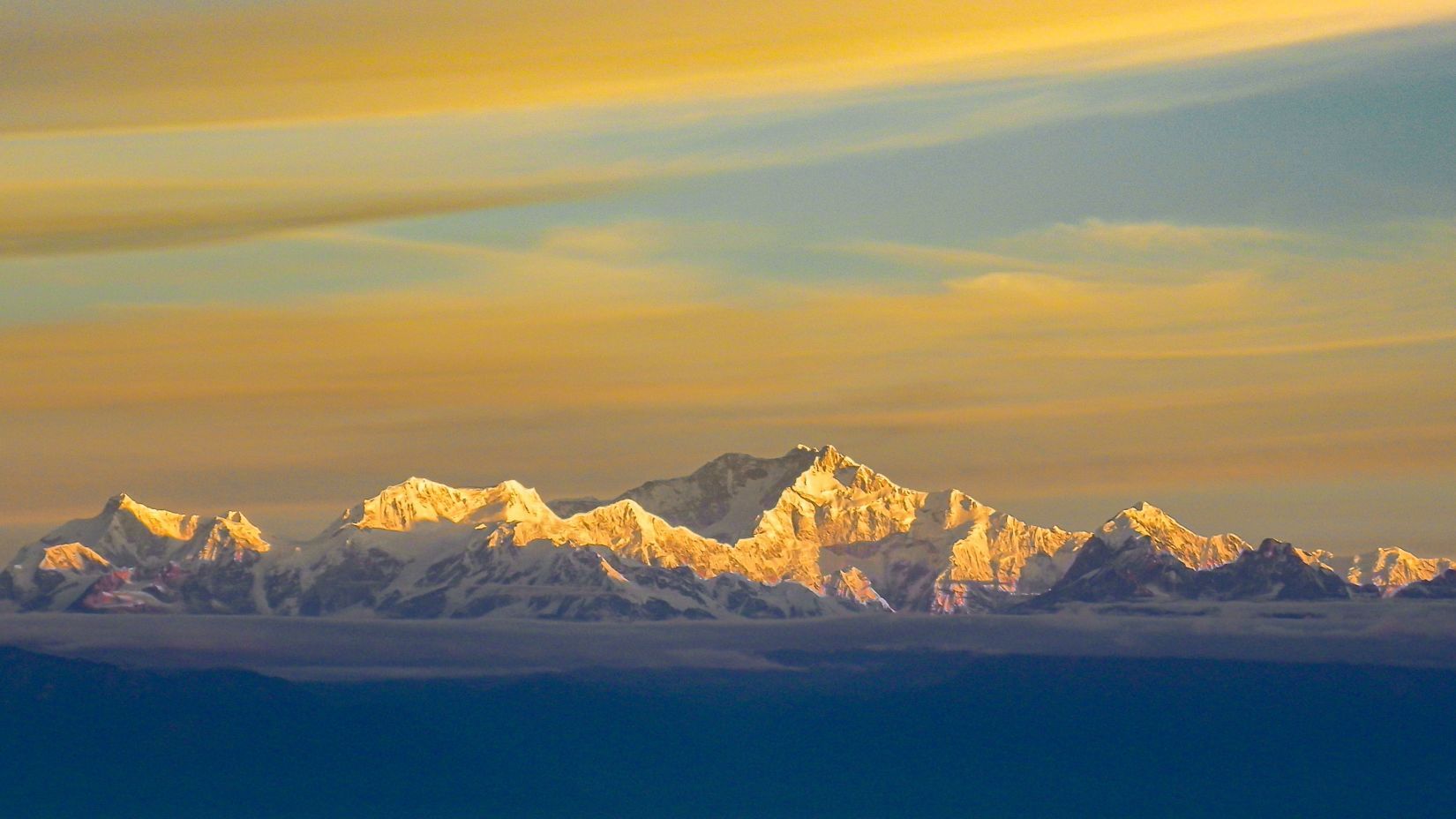
Kangchenjunga is the third-highest mountain in the world, towering over the Eastern Himalayas on the border between India and Nepal. Travellers from across the globe visit Darjeeling in West Bengal to witness its snow-clad massif dominating the northern horizon. The dramatic spectacle of dawn breaking over Kangchenjunga remains one of the most celebrated mountain experiences in the subcontinent.
Getting there
By road
- From DarjeelingNearest town6 min · 1.3 km
Typical drive times without traffic. Stations and airports from OLA Maps; distances and typical drive times from OpenStreetMap (© OpenStreetMap contributors); notes from creators' Reels.
About Kangchenjunga
Written with AI from map data and general knowledge. Check prices and timings locally before you go.
The Majesty of Kangchenjunga from Darjeeling
Rising to an altitude of 8,586 metres, Kangchenjunga translates in Tibetan to the five treasures of high snow, referencing its distinct five peaks that represent five repositories of the divine. The mountain holds profound spiritual significance for the local communities across Sikkim and northern West Bengal. While the main massif straddles the high frontier, the colonial hill station of Darjeeling offers arguably the most accessible and celebrated panoramic perspective of the entire range.
On clear days, the sheer scale of the peak is staggering. The contrast between the lush green tea gardens cascading down the Darjeeling hillsides and the stark white ramparts of Kangchenjunga creates an unforgettable composition. Unlike many remote Himalayan giants that require arduous multi-week treks to see, Kangchenjunga can be admired directly from ridge walks, town viewpoints, and quiet village balconies throughout the Darjeeling region.
Top Viewpoints to See Kangchenjunga
The dawn viewpoint at Tiger Hill is perhaps the most famous location to view the mountain. Perched at an elevation higher than the main town, Tiger Hill allows visitors to witness the sun rise over the Eastern Himalayas. As dawn breaks, the highest summit catches the first rays of light, shifting through shades of pale violet, peach, and burning gold before the rest of the valleys emerge from shadows. On exceptionally crisp mornings, the distant curve of Mount Everest is also visible from this vantage.
Within Darjeeling itself, the pedestrian promenade of Chowrasta and the surrounding Mall Road offer expansive views without leaving the town centre. Walking along the ridge toward the heritage spots provides unobstructed vistas of the valley floor falling away towards the Great Range. Another classic vantage point is Batasia Loop, where the narrow-gauge mountain railway spirals around a landscaped memorial garden, framed perfectly against the backdrop of Kangchenjunga's perpetual snowfields.
Read more
Best Time to Visit
Visibility is the single most important factor when planning a trip to view Kangchenjunga. The region experiences distinct seasonal shifts, and the high peaks are frequently blanketed by cloud cover for significant portions of the year.
The autumn months of October and November offer the highest probability of clear skies. Immediately following the monsoon retreat, the atmosphere is thoroughly washed of dust and haze, revealing sharp, crystal-clear horizons and comfortably mild daytime temperatures.
The spring window from March to early May is another rewarding time to visit. While midday haze and thermal clouds can occasionally obscure the peaks by afternoon, early mornings are typically bright. Spring also brings the bloom of rhododendrons, magnolias, and orchids across the hill slopes, adding vibrant color to the forested foothills beneath the snowy range.
The winter months of December and January provide crisp, frosty mornings with transparent air and great visibility, though temperatures drop considerably. The monsoon period between June and September brings heavy rainfall, thick cloud banks, and frequent landslides, making views of the peak rare during this season.
How to Reach Darjeeling
Darjeeling serves as the primary base for viewing Kangchenjunga in West Bengal. The gateway to the region is the plains of Siliguri, which connect to Darjeeling by road and rail.
The nearest airport is Bagdogra, located near Siliguri. The airport handles daily scheduled flights from major Indian metropolitan cities. From the airport, shared and private taxis operate up the hill roads, winding through tea estates and sal forests to reach Darjeeling over an approximate three to four hour drive depending on traffic and road conditions.
The closest major railway junction is New Jalpaiguri, which has regular rail connections to broad-gauge networks across the country. From New Jalpaiguri, you can take a road vehicle or board the historic Darjeeling Himalayan Railway toy train, which climbs gently along the hillsides over a leisurely full-day journey. Roads connecting the plains to Darjeeling run through Kurseong or Mirik, offering gradual acclimatisation as the elevation rises.
Places to Visit Nearby
When taking a break from mountain gazing, Darjeeling and its immediate surroundings provide several cultural and nature attractions. The Peace Pagoda and the adjacent Japanese Buddhist Temple offer a serene setting nestled among towering cedar trees, providing a quiet space for contemplation alongside glimpses of the valley.
The Padmaja Naidu Himalayan Zoological Park is renowned for its conservation breeding programs for high-altitude wildlife, including red pandas, snow leopards, and Himalayan monals. Next to the park, heritage mountaineering institutions celebrate the rich history of Himalayan exploration and high-altitude ascents.
Just outside the town, Lamahatta offers a peaceful pine forest garden with manicured walking trails, prayer flags, and panoramic mountain lookouts. Combining these excursions allows you to immerse yourself in the natural history, indigenous cultures, and landscape of the Eastern Himalayas.
Tips for Viewing Kangchenjunga
Plan your days around early starts. The mountain is almost always clearest right at sunrise, as rising heat from the lower valleys typically causes cloud build-up and haze by mid-morning, even during the peak travel months.
Pack warm layers regardless of when you travel. Early mornings at open vantage points like Tiger Hill or the Mall ridge are brisk, with biting mountain breezes that require a windproof jacket, warm cap, and gloves.
Keep flexibility in your itinerary. Mountain weather can change quickly, so spending at least three to four days in the area significantly improves your chances of catching a spotless, cloud-free morning view of the entire massif.
Where to Stay
Choosing the right location for your accommodation can elevate your experience of the mountains. Many visitors prefer staying on ridge-top properties or eastward-facing slopes in Darjeeling to enjoy sunrise views directly from their rooms.
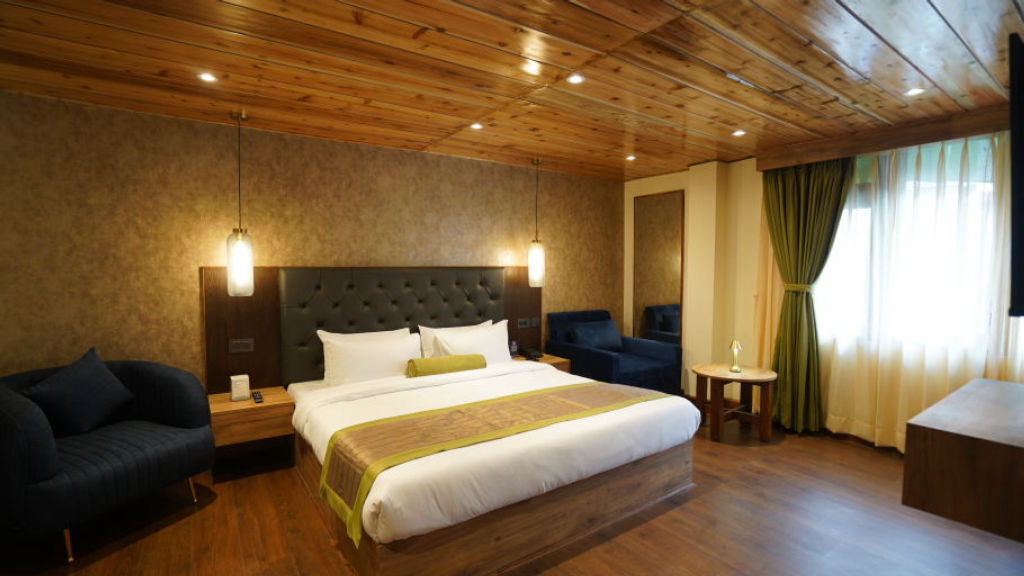
For a quieter stay away from the busy town streets, consider village homestays and nature getaways in the surrounding hills, such as near Lamahatta, Lebong, or Takdah. These quieter locations offer immersion in local agrarian life and pine forests while still providing sweeping views of the northern peaks. You can discover and book vetted camps, scenic homestays, and rustic outdoor retreats in the Darjeeling region on HireACamp.
Frequently asked questions
Where is Kangchenjunga located?
Kangchenjunga is situated in the Eastern Himalayas along the border between Sikkim in India and eastern Nepal. It is prominently visible from hill stations across West Bengal, most notably Darjeeling.
Which is the best spot in Darjeeling to see Kangchenjunga?
Tiger Hill is the most celebrated dawn viewpoint, offering a full panorama of the peak as the sun rises. Chowrasta, Mall Road, and Batasia Loop also offer exceptional vantage points within the town.
Which month offers the clearest views of Kangchenjunga?
October and November generally offer the clearest skies and best visibility following the monsoon. Early spring from March to mid-April is also an excellent time to witness clear morning views.
Can you see Mount Everest from Darjeeling along with Kangchenjunga?
Yes, on exceptionally clear mornings from Tiger Hill, you can see the distant peak of Mount Everest peeking out behind neighbouring ridges far to the northwest.
Is Kangchenjunga visible every day in Darjeeling?
No, visibility depends heavily on weather conditions. Clouds and fog frequently shroud the range during the monsoon and humid summer afternoons, making early autumn and winter mornings your most dependable bet.
Where you'll be
Darjeeling, WB · 6 stays nearby shown with prices
Stays near Kangchenjunga
Book a place to stay close by
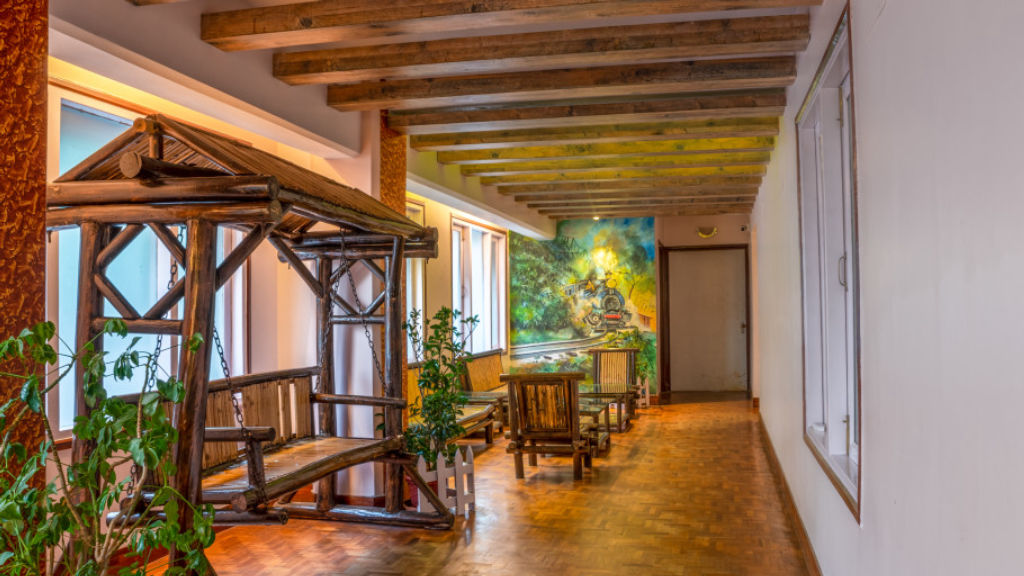
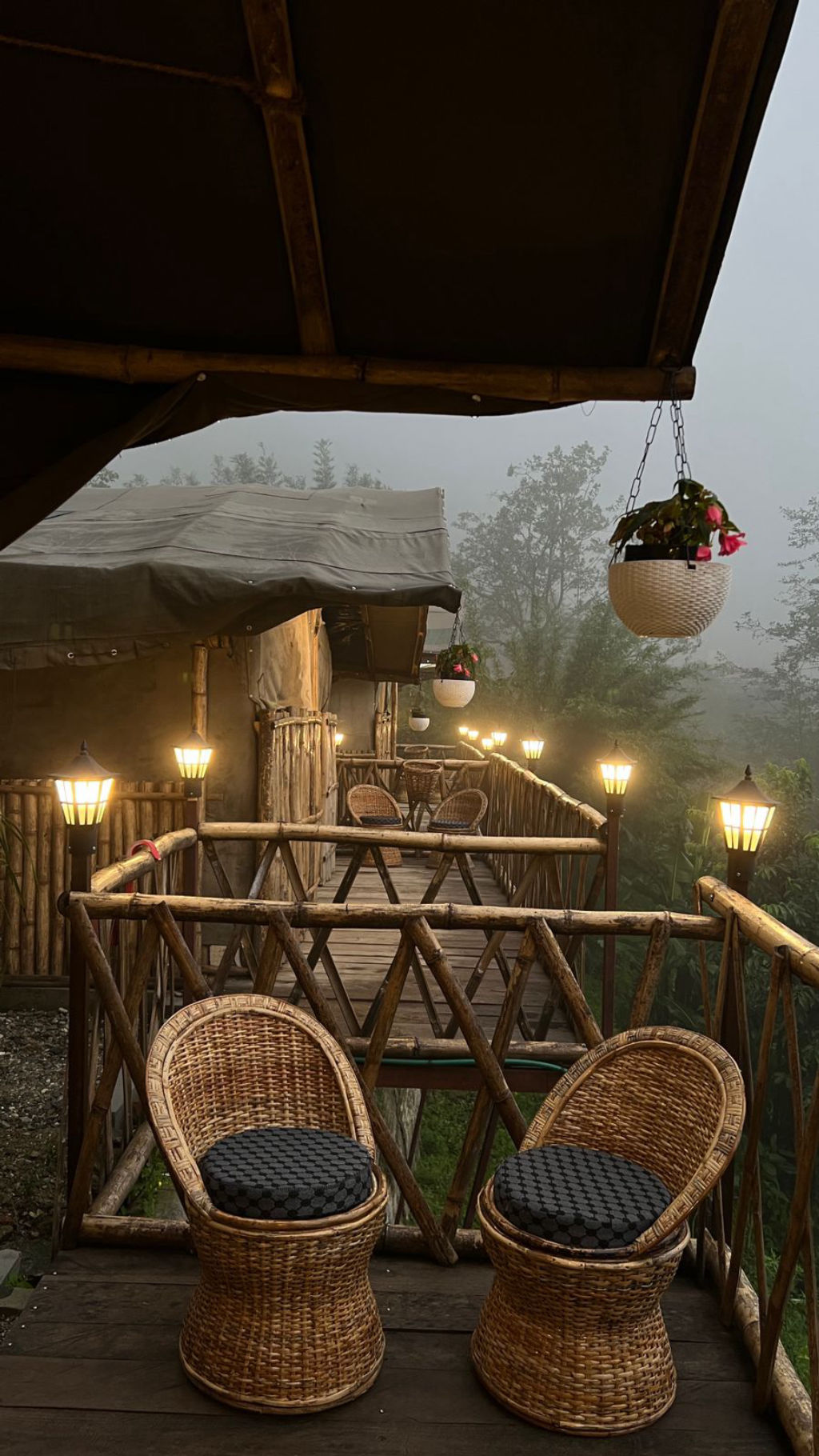
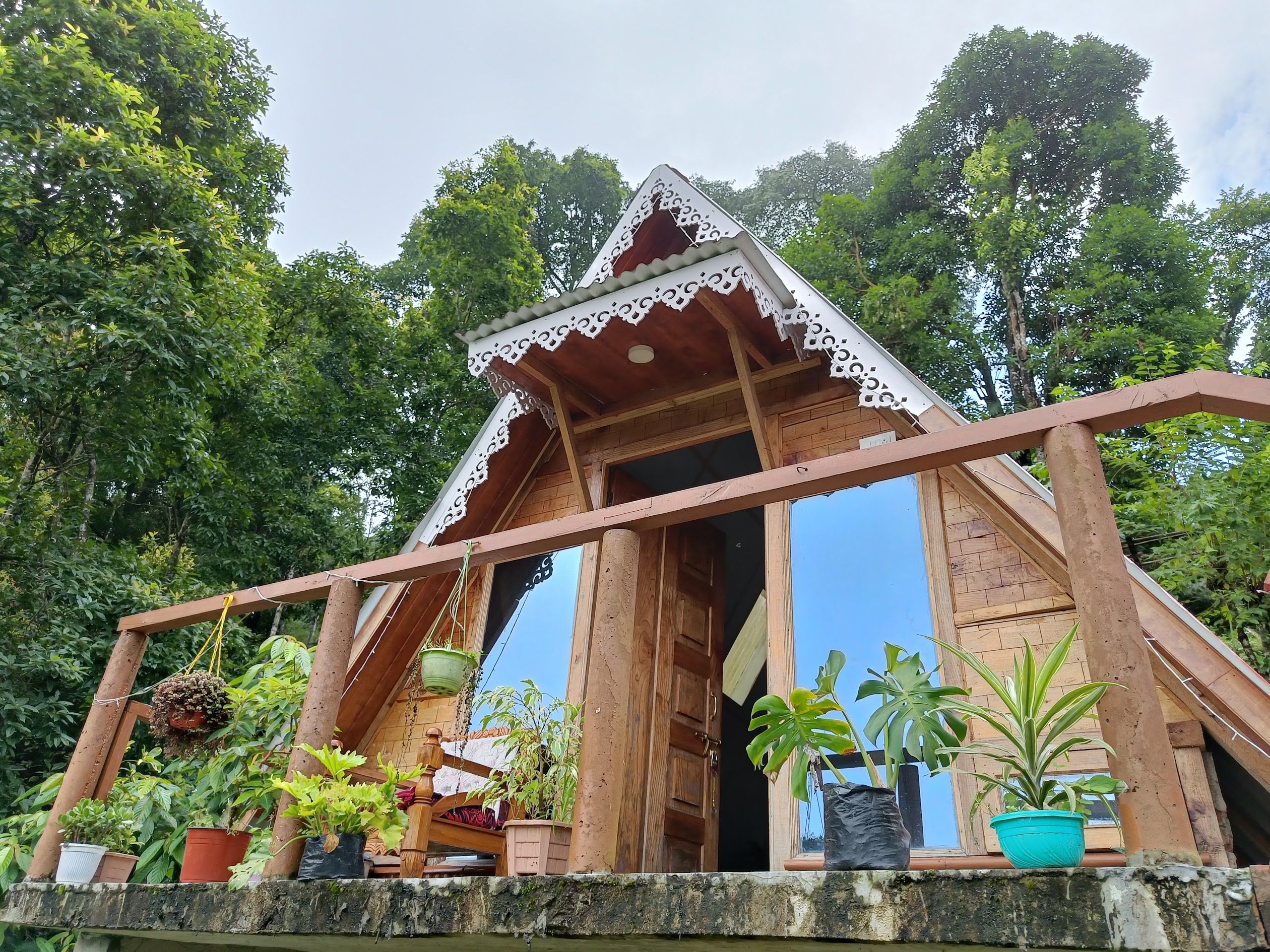

More places near Kangchenjunga
Within 20 km


Lists for this area
Ranked by how many creators recommend each place


Built from 0 Instagram posts by 0 creators. Every tip links back to the post it came from, and where creators disagree we show both sides.






