
Kangra Valley
Valley near Barot Valley, Himachal Pradesh
5 km from Barot Valley
The nearest town, for stays, food and fuel.
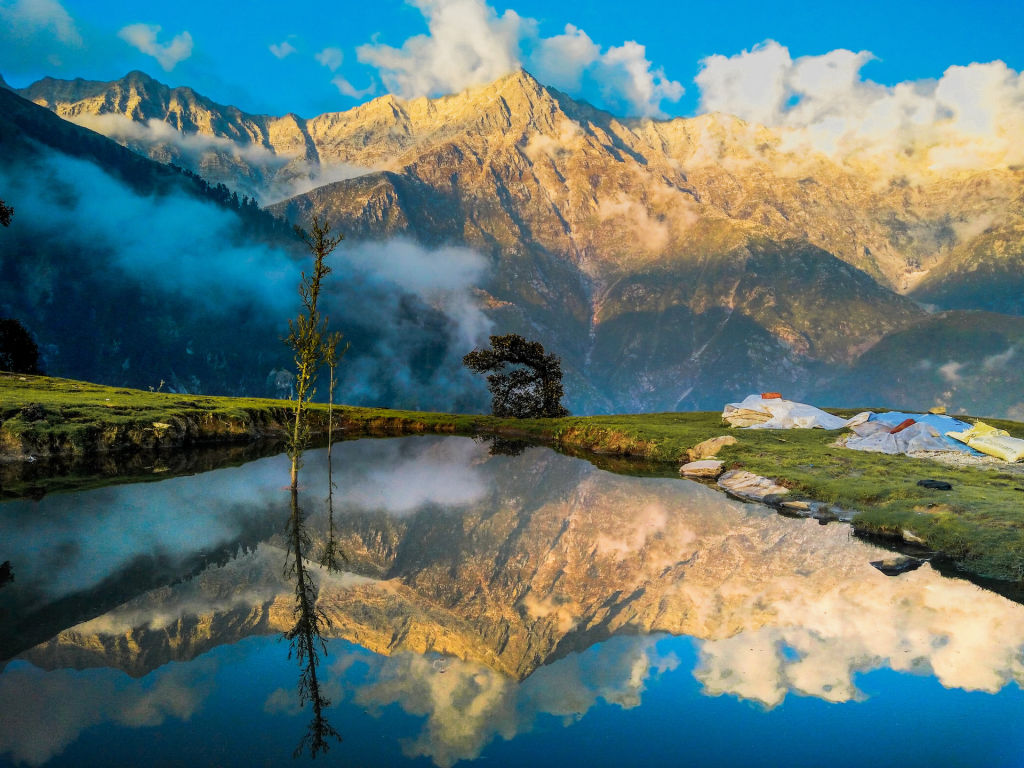
Kangra Valley is an expansive river valley in Himachal Pradesh, resting under the shadow of the dramatic Dhauladhar mountain range. Known for its rolling tea plantations, ancient heritage structures, and peaceful rural hamlets, it provides a quiet base for walking trails and cultural exploration. Travellers visit the valley to enjoy its temperate climate, traditional hill village life, and open mountain views.
Getting there
By road
- From Barot ValleyNearest town40 min · 14 km
- From Ludhiana4 hr 40 min · 212 km
- From Amritsar4 hr 50 min · 227 km
- From Chandigarh5 hr 25 min · 243 km
Typical drive times without traffic. Stations and airports from OLA Maps; distances and typical drive times from OpenStreetMap (© OpenStreetMap contributors); notes from creators' Reels.
About Kangra Valley
Written with AI from map data and general knowledge. Check prices and timings locally before you go.
About Kangra Valley
Kangra Valley spreads across the lower western Himalayas in Himachal Pradesh, cradled beneath the towering ridgeline of the Dhauladhar range. The valley floor is watered by perennial streams fed by high-altitude glacial snowmelt, giving rise to lush terraced rice fields, pine groves, and manicured tea gardens that have shaped the rural landscape and economy for generations.
Historically, the valley has served as an important cultural crossroad, celebrated for its unique school of Kangra miniature painting, vernacular hill architecture, and revered stone temples. The terrain transitions gently from low subtropical hills to steep alpine slopes, making it a comfortable destination for outdoor explorers, cultural enthusiasts, and travellers looking to experience the western Himalayas without needing to cross difficult high-altitude passes.
Best time to visit Kangra Valley
Kangra Valley experiences four distinct seasons, each offering a noticeably different environment for travel. The spring months of March and April bring comfortable daytime temperatures, blooming wildflowers, and clear views of the snow-capped mountains. This is an ideal window for day walks, village visits, and general sightseeing.
May and June bring the summer season, when travellers arrive to escape the intense heat of the northern plains. While mid-afternoons can feel warm in the lower parts of the valley, early mornings and evenings remain cool and refreshing. The monsoon arrives between July and September, bathing the valley in deep green hues. Rainfall can be substantial and may cause localized landslides or travel disruptions, so visits during this period call for flexible planning and checking local road updates.
Autumn, from October to November, brings crisp air, clear blue skies, and excellent visibility across the Dhauladhar range. Winter sets in from December to February, bringing cold nights and light frost to the valley floor, while the surrounding high peaks receive consistent snowfall.
Read more
Things to do in Kangra Valley
Walking through the manicured tea gardens around Palampur and the central valley is one of the most popular activities in the region. Visitors can stroll down narrow estate paths, observe leaf plucking during the harvest seasons, and taste fresh varieties of regional tea. Quiet village tracks also invite gentle exploration on foot, passing traditional stone and slate homes that showcase local building techniques.
Heritage lovers can spend time visiting centuries-old shrines and rock-cut temples scattered across the valley. Traditional arts continue to thrive here, offering opportunities to observe the delicate techniques of Kangra miniature painters, local handloom weavers, and village potters who practice methods passed down through families.
The diverse terrain also makes the valley rewarding for birdwatchers and landscape photographers. The shift between subtropical riverbanks, terraced orchards, and dense oak and deodar belts provides varied habitats for numerous resident and migratory birds, including thrushes, flycatchers, minivets, and raptors.
Places to visit around Kangra Valley
Several major historic and scenic landmarks are situated within a short drive across the valley floor. Kangra Fort, located roughly twenty-five kilometres from the valley's central hubs, is one of the oldest standing fortresses in the western Himalayas. Sitting above the confluence of the Banganga and Majhi rivers, its ancient ramparts, gates, and inner courtyards provide a direct look into the region's royal past.
Higher up the mountain slopes, approximately nineteen kilometres away, lies McLeod Ganj. Known as the seat of the Tibetan government-in-exile and the residence of the Dalai Lama, the settlement offers vibrant monastery complexes, traditional craft markets, and walking trails leading deeper into the Dhauladhar range.
For outdoor scenery away from settlements, Lapas Waterfalls sits roughly thirty-seven kilometres away, tucked into forested hill terrain. Nearby towns like Palampur and Dharamshala also offer pine-covered ridges, mountain viewpoints, and freshwater streams suitable for quiet day outings.
How to reach Kangra Valley
Kangra Valley is accessible by air, rail, and road. The nearest airport is Kangra Airport at Gaggal, which receives scheduled domestic flights from major northern cities such as Delhi. Taxis and local public buses are readily available outside the terminal to connect passengers to Kangra town, Palampur, and surrounding villages.
By train, the nearest broad-gauge railway junction is at Pathankot in Punjab, which connects to major rail routes across India. From Pathankot, travellers can continue into the valley by road or take the historic Kangra Valley narrow-gauge toy train, which winds slowly through the hills, stopping at small stations across the valley.
Road connectivity across the valley is well established. Regular state-run and private buses connect major transit points such as Delhi, Chandigarh, and Shimla to Kangra, Dharamshala, and Palampur. Travellers choosing to drive will find the main arterial highways comfortable, though mountain driving requires steady attention to sharp bends and varying road conditions.
Tips for visiting Kangra Valley
Because altitudes vary significantly across the valley, packing in layers is sensible during any season. Even in late spring and summer, evenings near the foothills can turn chilly. During winter trips, thermal innerwear, woollen hats, and heavy jackets are necessary, especially during early mornings and after sunset.
A sturdy pair of walking shoes with good grip makes navigating uneven stone tracks, village trails, and dirt roads much more comfortable. Carrying a refillable water bottle helps reduce single-use plastic waste while exploring the outdoors.
While digital payments are accepted in larger towns and markets, having cash on hand is helpful for smaller village tea shops, local transport, and rural craft stalls where network coverage may fluctuate. If you plan to travel by car between different sights, build extra time into your schedule to accommodate single-lane mountain stretches and local agricultural movement.
Where to stay in Kangra Valley
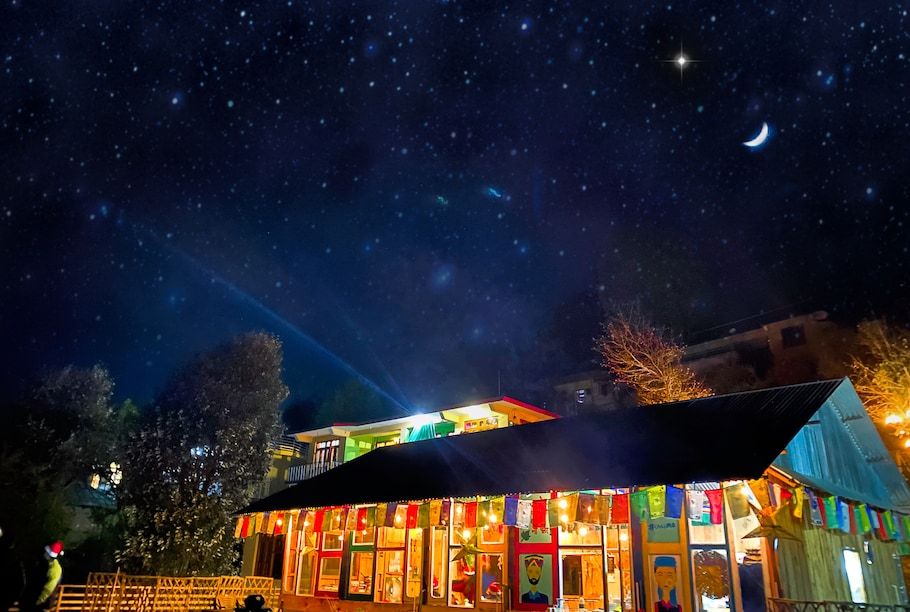
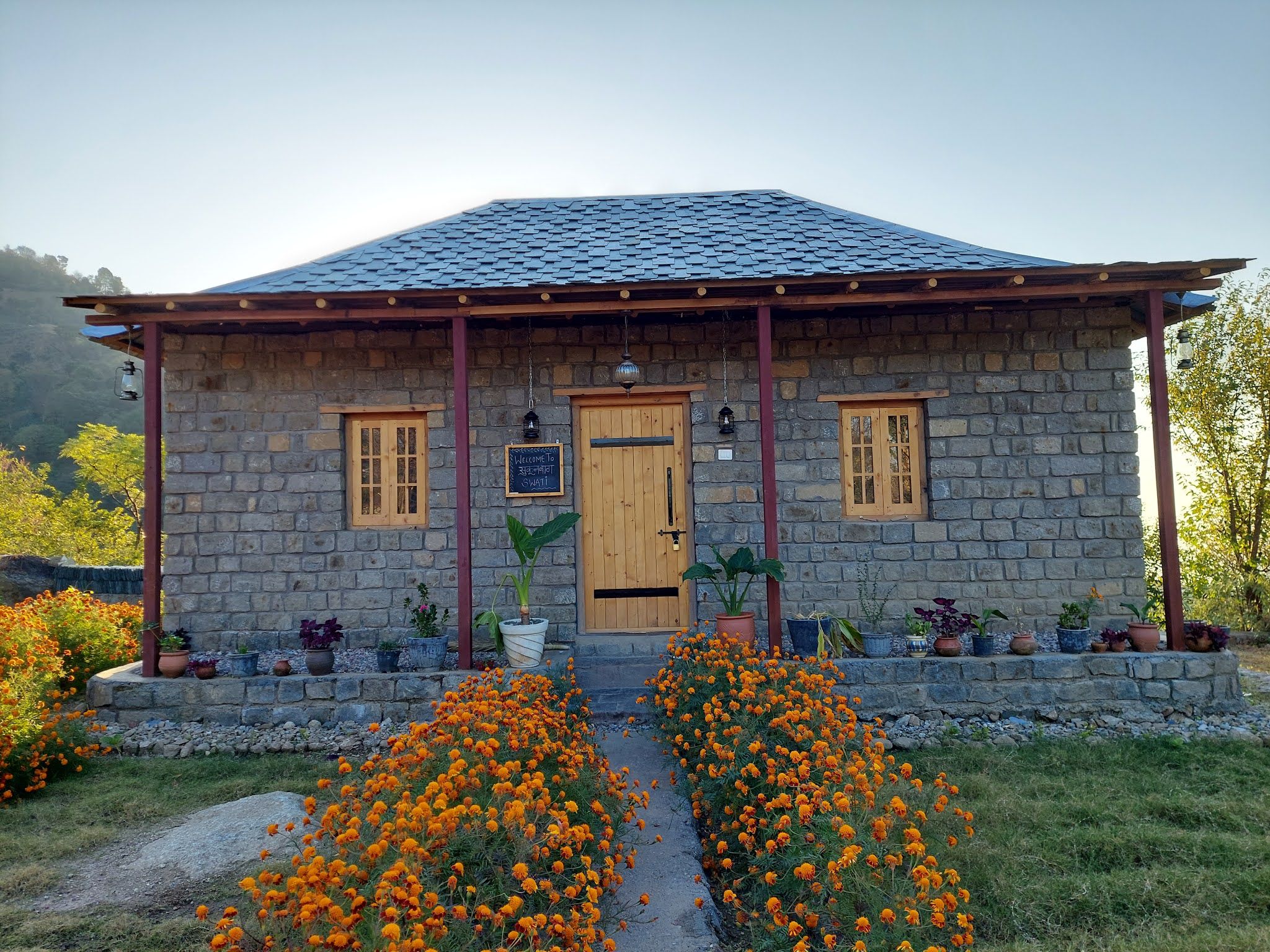
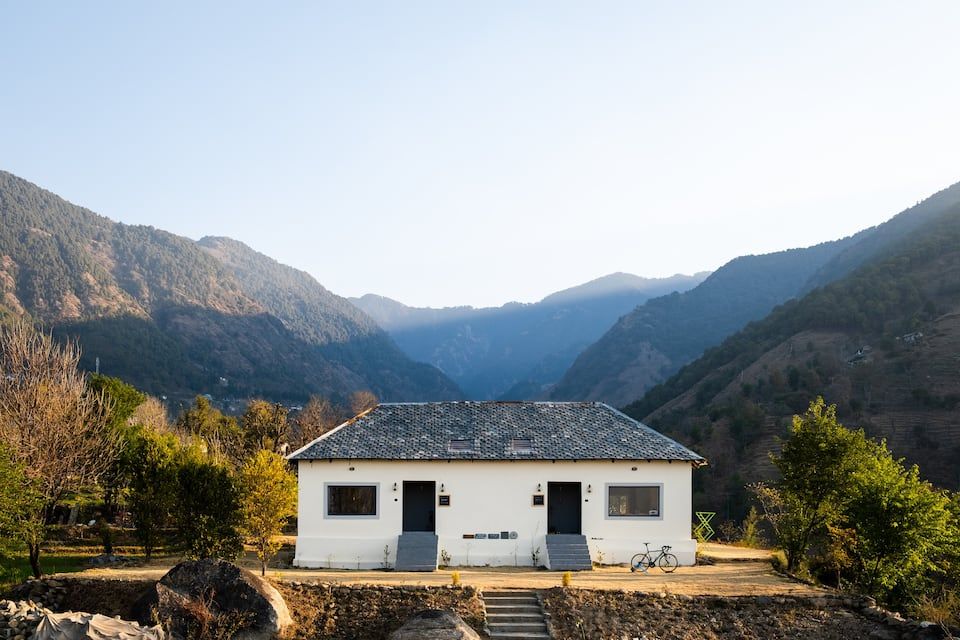
Kangra Valley offers a variety of accommodation options tailored to those who appreciate nature and local culture. Staying in village homestays allows visitors to experience traditional architecture, enjoy home-cooked regional meals, and learn about everyday life in the Himachal foothills.
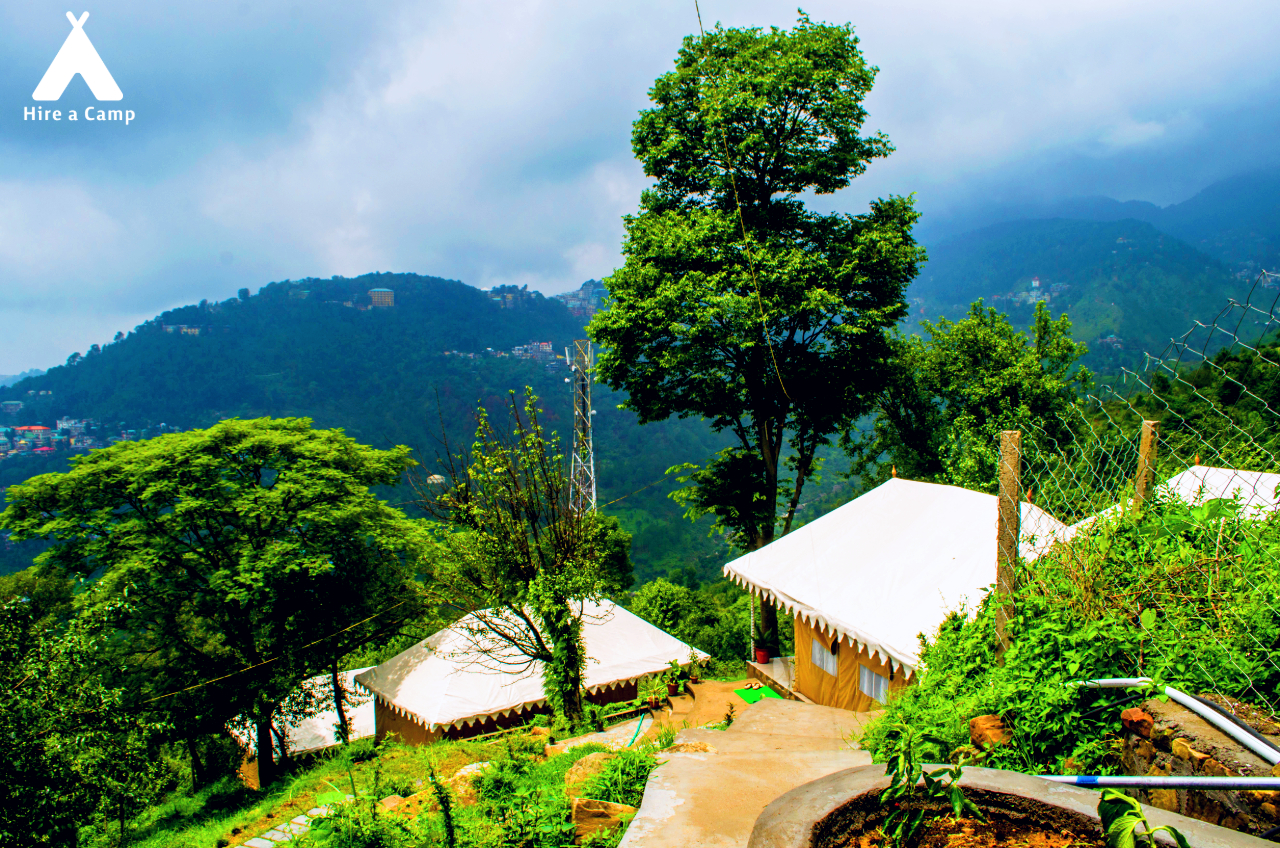
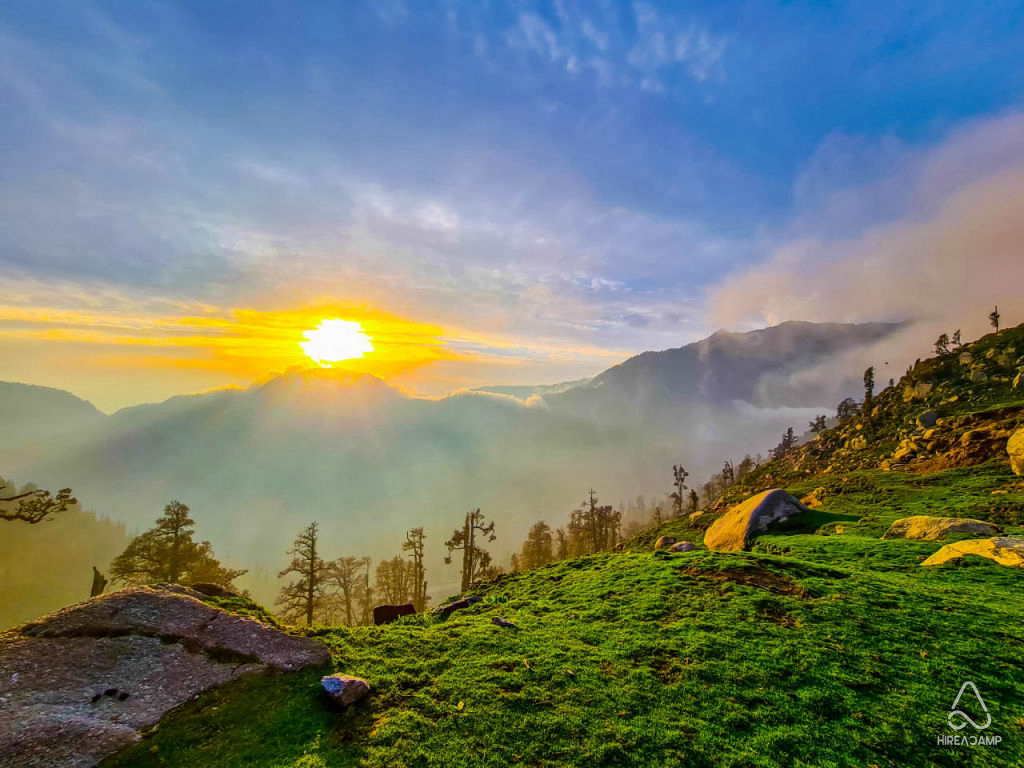
For travellers looking to spend more time outdoors, open campsites situated along river meadows and quiet hillside terraces offer an unhurried way to wake up with views of the mountains. You can find camps, homestays, and nature-oriented stays across Kangra Valley on HireACamp, with advance booking recommended during peak spring, summer, and autumn travel seasons.
Frequently asked questions
Where is Kangra Valley located?
Kangra Valley is located in the western part of Himachal Pradesh in northern India, lying in the foothills of the Dhauladhar mountain range.
What is Kangra Valley best known for?
The valley is famous for its lush tea gardens, traditional Kangra miniature paintings, ancient stone temples, and historic sites such as Kangra Fort.
Which airport is closest to Kangra Valley?
The closest airport is Kangra Airport at Gaggal, which connects the valley to Delhi and other northern cities through regular domestic flights.
Is Kangra Valley suitable for a family trip?
Yes, Kangra Valley is well-suited for families, offering accessible road networks, mild walking trails through tea estates, rich cultural sites, and comfortable homestays.
Can I visit Kangra Valley during the winter?
Winter is a popular time to visit for travellers who enjoy cold weather and clear, snow-peaked vistas, though you should pack heavy woollens and thermal clothing for chilly nights.
Where you'll be
Kangra, HP · 6 stays nearby shown with prices
Stays near Kangra Valley
Book a place to stay close by
More places near Kangra Valley
Within 20 km


Built from 0 Instagram posts by 0 creators. Every tip links back to the post it came from, and where creators disagree we show both sides.






