
Kangra
Destination in Himachal Pradesh
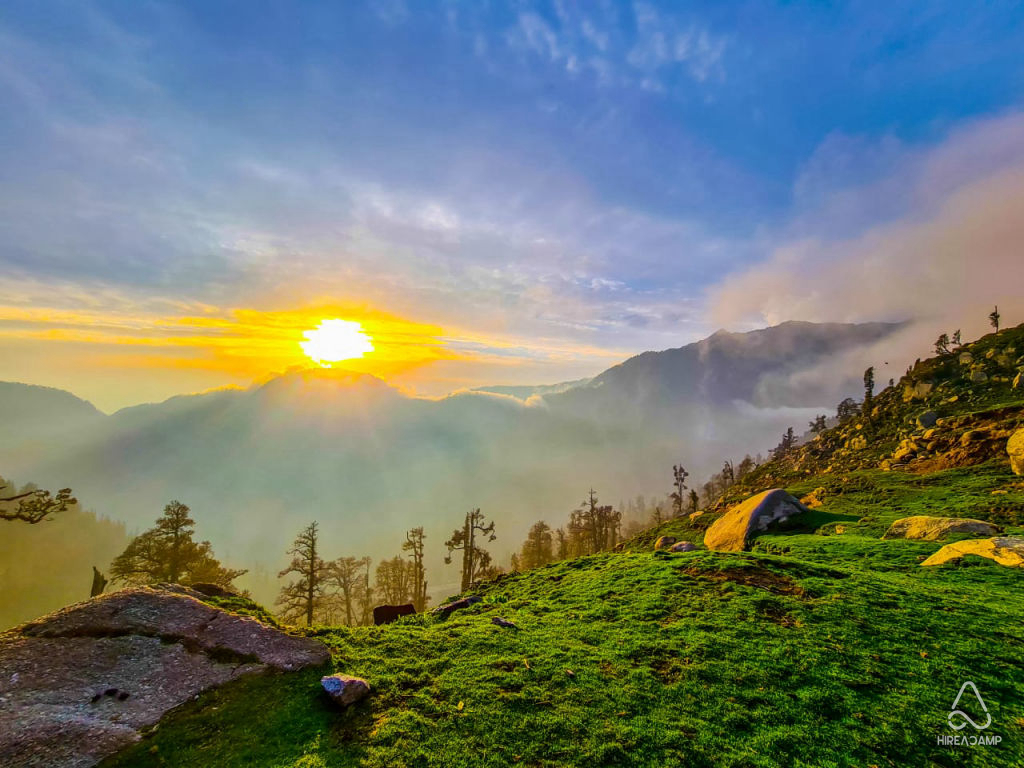
Kangra is a historic town nestled in the fertile valleys of Himachal Pradesh, set against the backdrop of the dramatic Dhauladhar mountain range. Renowned for its ancient fortress, sacred temples, and rich traditions of art and craft, the town serves as the cultural heart of the Kangra Valley. Travellers visit to explore centuries of Himalayan history, experience peaceful spiritual sites, and use the town as a base to discover the surrounding mountains.
Getting there
By road
- From Ludhiana3 hr 55 min · 182 km
- From Amritsar4 hr 10 min · 207 km
- From Chandigarh4 hr 55 min · 234 km
- From Dehradun8 hr 20 min · 416 km
Typical drive times without traffic. Stations and airports from OLA Maps; distances and typical drive times from OpenStreetMap (© OpenStreetMap contributors); notes from creators' Reels.
About Kangra
Written with AI from map data and general knowledge. Check prices and timings locally before you go.
An introduction to Kangra
Kangra sits at the transition where the rolling Shivalik hills yield to the dramatic granite walls of the Dhauladhar Himalaya. Historically known as Nagarkot, it was the seat of the Katoch dynasty, one of the oldest surviving royal lineages in the Indian subcontinent. The town developed around strategic river confluences and ridge lines, serving for generations as a pivotal centre of regional politics, trade, and patronage of the arts.
Today, Kangra retains a grounded and unhurried charm compared to the bustling hill stations situated higher up the slopes. Terraced farmland, meandering riverbeds, and small groves of subtropical pine surround the settlement. Beyond its monuments, Kangra is celebrated for the Kangra school of miniature painting, a delicate artistic tradition that flourished in the eighteenth century and captured scenes of mythology and romance with fine brushwork and natural pigments.
Things to do in and around Kangra
A primary highlight of visiting the town is exploring the Kangra Fort, located roughly two kilometres from the main centre. Perched atop a narrow ridge overlooking the confluence of the Banganga and Majhi rivers, this sprawling stone fortress has weathered sieges by regional and imperial armies across centuries. Walking through its series of carved gates, ruined courtyards, and inner sanctuaries reveals grand stone architecture alongside sweeping views of the surrounding valley floor and distant snow peaks.
Within the town, the Shree Bajreshwari Mata Temple stands as one of the most prominent pilgrimage shrines in northern India. Rebuilt after a major earthquake in 1905, the temple complex features intricate marble and stone work, drawing devotees from across the country throughout the year. The bustling bazaar leading to the temple entrance is filled with traditional brassware, prayer offerings, and local sweets.
Art enthusiasts should take time to visit local workshops and cultural centres dedicated to the preservation of Kangra miniature art. Watching master artisans prepare handmade paper and grind mineral colours offers a glimpse into a heritage passed down through generations. The town's periphery also features quiet walking trails along the riverbanks, ideal for early morning strolls away from traffic.
Read more
Getaways and places to visit nearby
Kangra serves as an exceptional base for exploring the diverse landscapes and settlements across the lower valley. McLeod Ganj, situated about sixteen kilometres to the north on the higher ridges above Dharamshala, offers a complete shift in scenery and atmosphere. Known as the residence of the Dalai Lama, McLeod Ganj features vibrant Tibetan monasteries, prayer-flag-lined forest trails, lively mountain cafes, and high-altitude treks leading toward the snow line.
Just a short drive into the valley reveals sprawling tea gardens, where neatly trimmed camellia bushes cover the hillsides, producing distinctive Kangra orthodox tea. Travellers can wander through these fragrant plantations and learn about the region's colonial-era tea heritage.
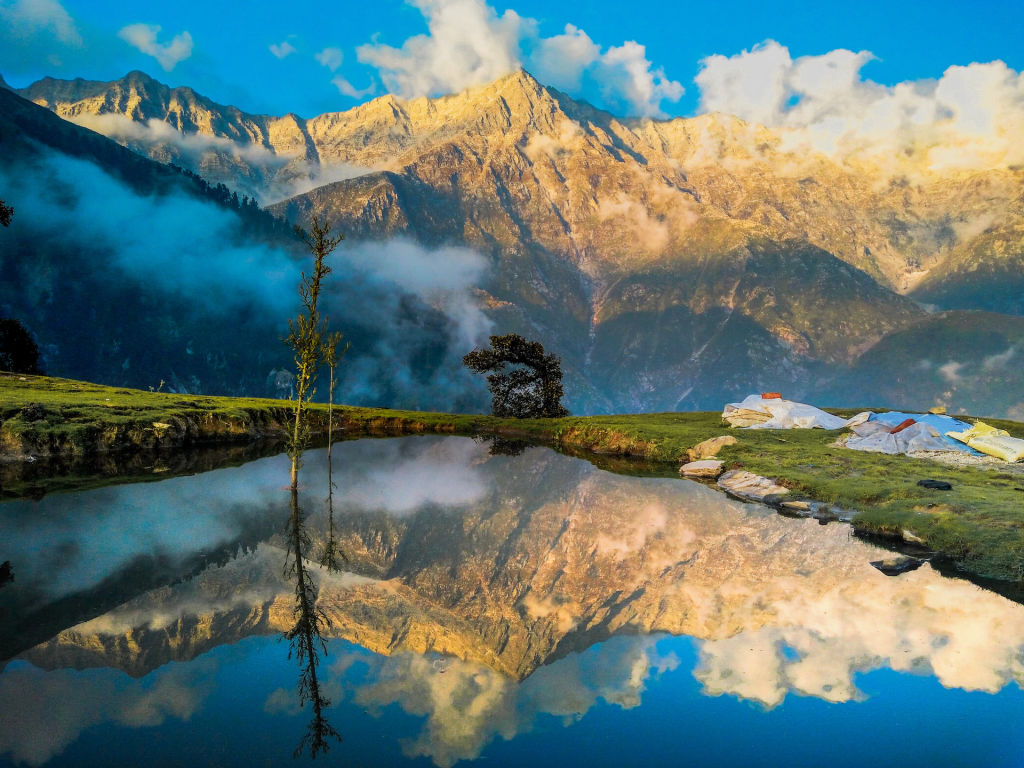
Another rewarding day excursion is the Masrur rock-cut temple complex, located further west in the Kangra district. Dating back to the eighth century, these monolithic stone shrines are carved directly out of sandstone ridges and reflect classical northern Indian temple architecture. The complex faces a serene water reservoir that mirrors both the carved spires and the towering peaks behind them.
Best time to visit Kangra
Kangra experiences four distinct seasons, each offering a different perspective on the landscape. The months from October to March represent the most popular time to visit. During late autumn and winter, the monsoon clouds clear completely, revealing crisp blue skies and unobstructed views of the snow-clad Dhauladhar mountains. Daytime temperatures are generally pleasant and sunny, though early mornings and evenings can become quite cold, requiring warm layers.
Spring and early summer, from April to June, bring warmer weather and lush blooming flora across the valley. While afternoons can be moderately warm down in the town, mornings and evenings remain comfortable, making this an ideal period for sightseeing and combining Kangra with trips to higher hill stations nearby.
Monsoon arrives in July and extends through September, bringing intense rainfall to the foothills. While rain can occasionally disrupt road transport and outdoor walking, the season transforms the valley into a lush green expanse, with swollen mountain streams, active waterfalls, and mist gathering across the ridges.
How to reach Kangra
Kangra is well connected by air, rail, and road, making it accessible from major cities across northern India. Kangra Airport, located at Gaggal just a short distance from the town, operates regular domestic flights connecting to Delhi and other regional hubs. Taxis and local buses are readily available outside the terminal to take passengers directly into town or up toward the higher valley settlements.
For rail travellers, the broad-gauge railway station at Pathankot in Punjab serves as the primary rail gateway. From Pathankot, visitors can hire a private taxi, take a state transport bus, or board the historic Kangra Valley toy train. This narrow-gauge railway winds gently through the lower Shivalik hills and rural countryside, offering a scenic and relaxed journey right to Kangra's local station.
Road networks into Kangra are well maintained. Regular state-run and private buses operate from Delhi, Chandigarh, Pathankot, and Shimla. Driving by private vehicle or taxi from Chandigarh or Pathankot takes travellers along gentle hill highways with frequent roadside rest stops and scenic viewpoints.
Where to stay in Kangra
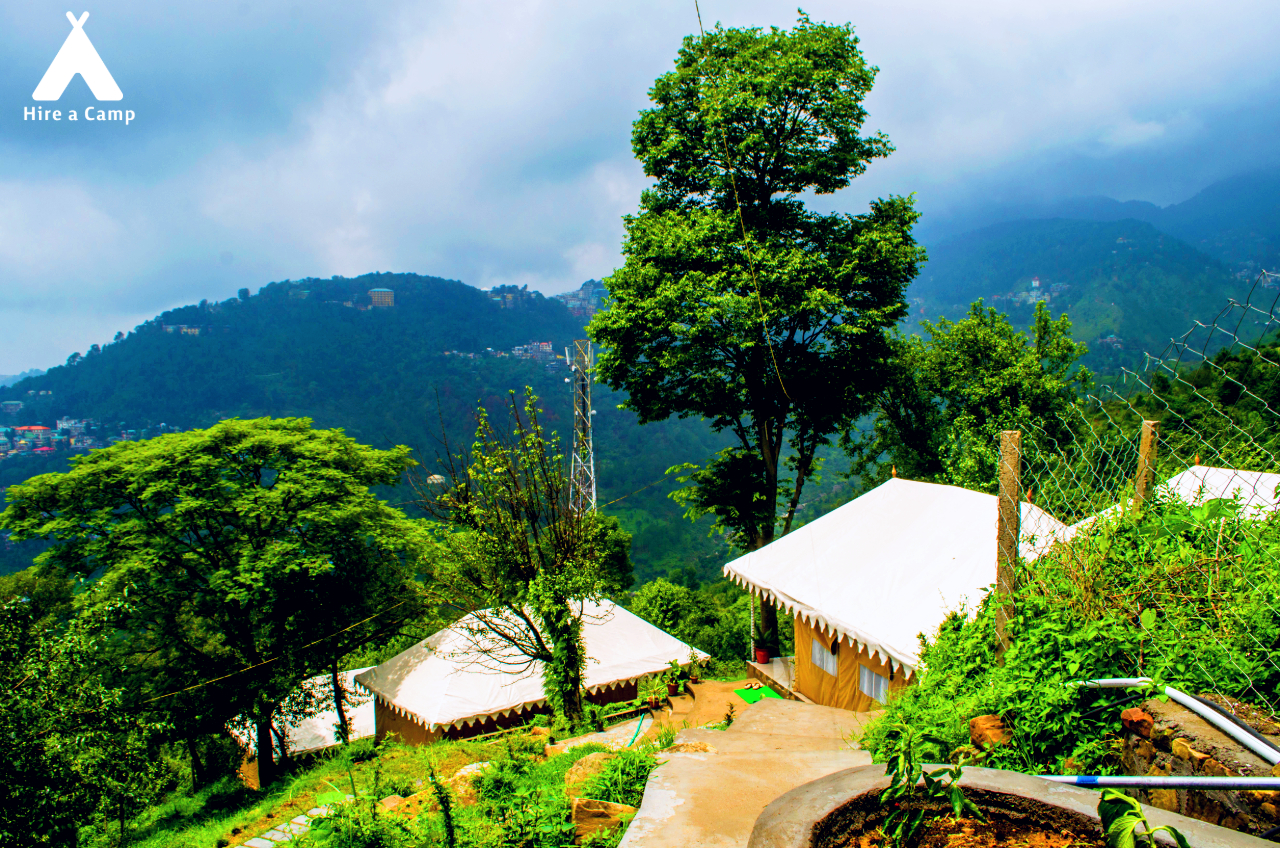
Kangra provides a wide spectrum of accommodation options suited to different styles of travel. Visitors can find family-run guesthouses inside the historic quarters, comfortable valley stays with views of the mountains, and rustic outdoor getaways scattered along the outskirts of the town.
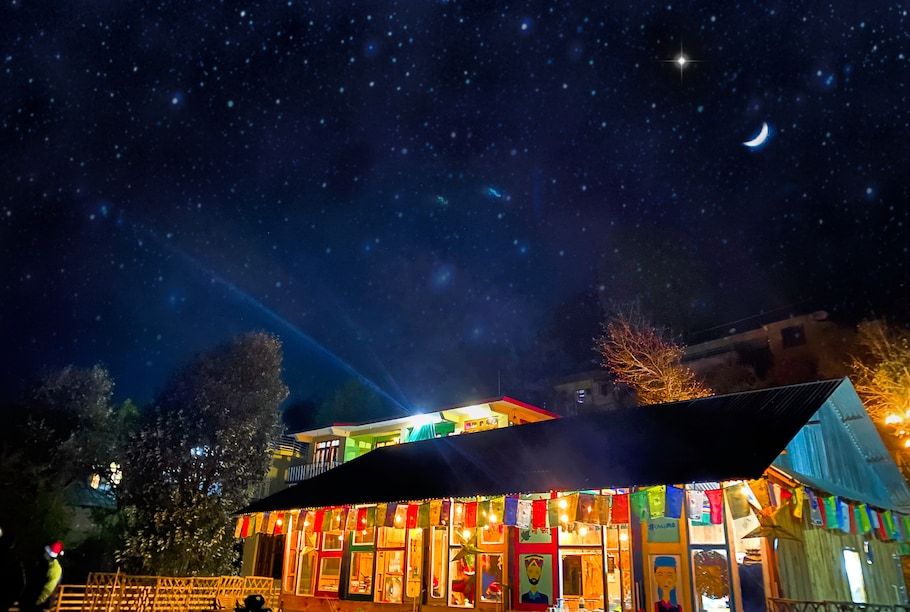
For travellers seeking immersion in the valley's quiet rural rhythms, HireACamp offers verified homestays, nature retreats, and riverside campsites set among pine groves and terraced fields. Staying slightly outside the town centre allows you to experience peaceful village life, home-cooked regional meals, and starry night skies while remaining within easy reach of the area's main historic attractions.
Tips for your visit
Exploring the historic fort requires navigating uneven stone staircases, cobblestone ramps, and sunlit ramparts, so wearing sturdy, comfortable walking shoes is strongly recommended. Carrying drinking water and sun protection is also advisable when touring the open grounds during midday.
When visiting religious sites such as Bajreshwari Devi Temple, dress respectfully with shoulders and knees covered, and be prepared to remove footwear at the entrance gates. During major festival periods like Navratri, the temple draws substantial gatherings, so plan your visit for the early morning hours if you prefer a quieter atmosphere.
Do not miss the opportunity to sample Kangri Dham, the traditional festive feast of the region. Prepared by specialised cooks, this multi-course meal showcases local pulses, lentils, and curd cooked in brass vessels with aromatic regional spices.
Frequently asked questions
What is Kangra famous for?
Kangra is renowned for the historic Kangra Fort, the revered Bajreshwari Devi temple, and its ancient tradition of delicate Pahari miniature painting. It also serves as the gateway to the scenic Kangra Valley and the Dhauladhar Himalayan range.
How far is McLeod Ganj from Kangra?
McLeod Ganj is situated approximately sixteen kilometres north of Kangra. The uphill drive winds through Dharamshala and the surrounding pine forests, making it an easy day excursion.
How many days are needed to visit Kangra?
A stay of two to three days is ideal to comfortably explore Kangra Fort, the historic temples, and local craft centres, while leaving time for a scenic getaway into the surrounding valley or nearby hill stations.
Is Kangra worth visiting during the monsoon?
The monsoon brings vibrant greenery, rushing streams, and dramatic mist across the hillsides, making the valley scenery breathtaking. However, visitors should check local weather updates, as heavy downpours can occasionally slow road travel.
What is the best way to travel around Kangra?
Hiring a local taxi or driving a private vehicle is the most flexible way to visit the fort, temples, and nearby valley sights. Local buses and auto-rickshaws also run frequently between the town centre and adjacent neighbourhoods.
Where you'll be
4 stays nearby shown with prices
Stays near Kangra
Book a place to stay close by
Things to do in Kangra
48 places creators recommend within 30 km


Built from 0 Instagram posts by 0 creators. Every tip links back to the post it came from, and where creators disagree we show both sides.






