
Barot Valley
Destination in Himachal Pradesh
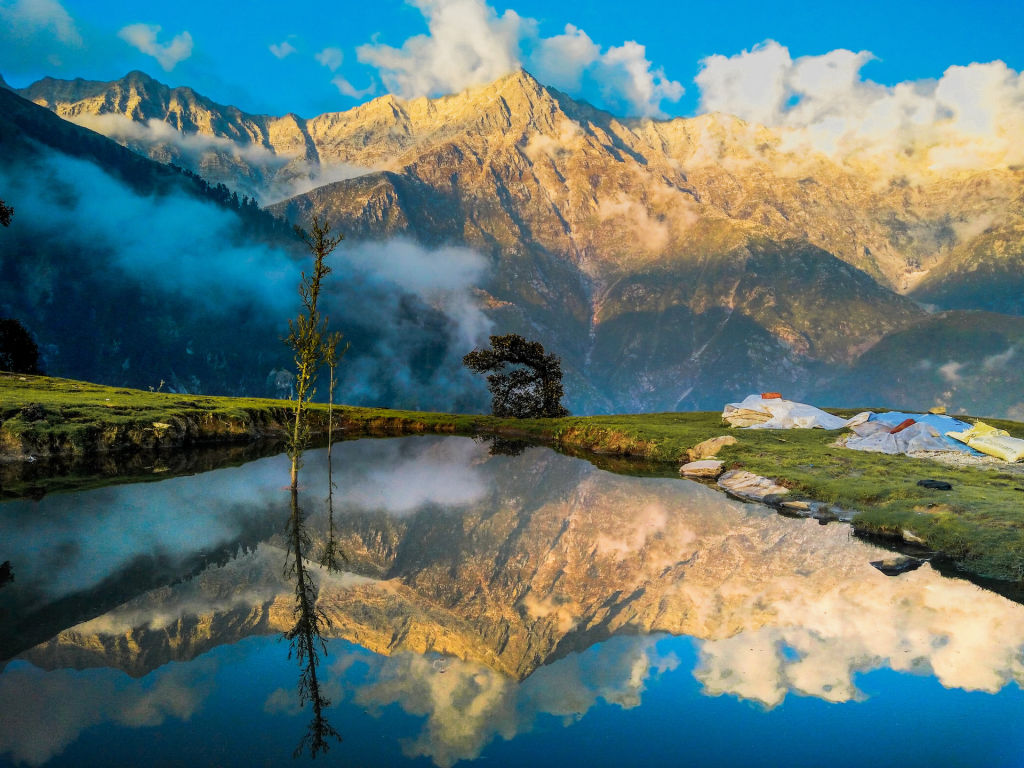
Barot Valley is a tranquil settlement situated in the Dhauladhar foothills of Himachal Pradesh along the banks of the Uhl River. Originally developed as part of a historic hydroelectric project, it attracts nature enthusiasts, anglers, and trekkers with its cool mountain streams and dense cedar woodlands. Visitors come to escape crowded hill stations, experience quiet rural rhythms, and explore scenic trails through the valley.
Getting there
By road
- From Ludhiana4 hr 55 min · 216 km
- From Amritsar5 hr 5 min · 227 km
- From Chandigarh5 hr 55 min · 251 km
- From Dehradun9 hr 20 min · 439 km
Typical drive times without traffic. Stations and airports from OLA Maps; distances and typical drive times from OpenStreetMap (© OpenStreetMap contributors); notes from creators' Reels.
About Barot Valley
Written with AI from map data and general knowledge. Check prices and timings locally before you go.
Understanding Barot Valley
Barot Valley sits along the Uhl River in Himachal Pradesh, nestled between steep mountain ridges forested with deodar and oak trees. The town first gained prominence in the 1920s when it was chosen as the reservoir and water catchment site for the Shanan Hydroelectric Project. Engineers built an intricate network of waterways, tunnels, and a funicular haulage trolley system over the mountain pass to connect the river basin to the powerhouse below.
Today, Barot retains an old-world charm where traditional wooden houses stand beside terraced farmland and river channels. The pace of life is relaxed and tied closely to agriculture and seasonal tourism. Unlike heavily commercialised destinations in Himachal Pradesh, Barot Valley offers open countryside, clean air, and the steady sound of rushing mountain water throughout the year.
Things to do in Barot Valley
A popular activity in Barot Valley is angling for trout along the Uhl River. The valley is known for its government-run trout breeding farm, and the cold, oxygen-rich waters make it a natural habitat for both brown and rainbow trout. Travellers interested in fishing should check locally with the fisheries department to understand seasonal permits, guidelines, and conservation rules before casting a line.
Exploring the riverbanks and historical waterworks is equally rewarding. You can walk across small footbridges, wander beside the dam reservoir, and examine remnants of the historic haulage rail tracks that once hauled machinery across the ridge. For those who enjoy walking, numerous footpaths branch out from the town centre into the nearby Nargu Wildlife Sanctuary, where hikers can spot Himalayan birds, dense coniferous canopies, and picturesque forest glades.
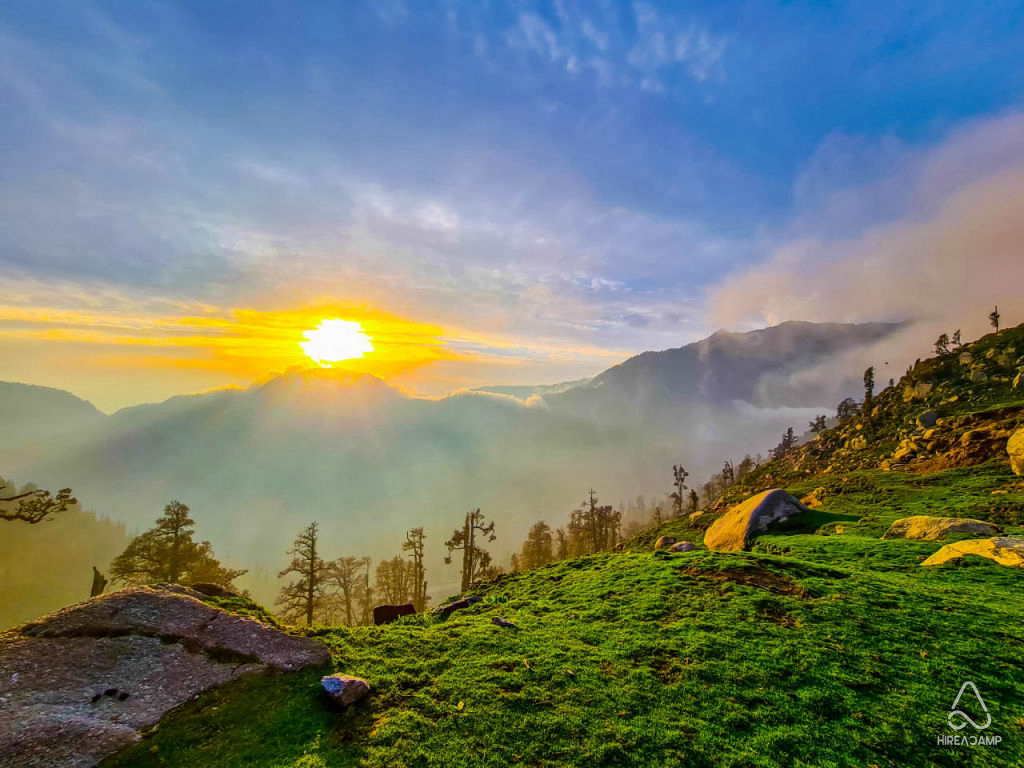
Outdoor camping is another highlight of the valley. Sitting by the clear river under open skies offers a quiet retreat from city life, whether you spend your afternoons reading by the stream or wandering along village pathways that trace the contours of the terraced valley.
Read more
Best time to visit Barot Valley
The ideal time to visit Barot Valley depends on the type of mountain weather you enjoy most. Spring and summer, stretching from March to June, offer the most pleasant climate. Day temperatures remain comfortable, blooming wildflowers carpet the meadows, and forest trails are dry and easy to navigate, making it a great window for camping and outdoor activities.
Autumn, from September through November, is another wonderful period. Following the retreat of the summer rains, the skies clear to a deep blue, offering sharp views of the Dhauladhar peaks, while the deciduous trees take on warm golden hues. The air becomes crisp and cool, especially during late evenings and early mornings.
Winter arrives in December and lasts through February, bringing freezing temperatures, biting winds, and intermittent snowfall across the higher parts of the valley. It suits travellers who enjoy cold mountain climates and quiet, uncrowded landscapes. The monsoon months of July and August see heavy rainfall, which frequently causes mudslides and makes travel on narrow hillside roads unpredictable. It is wise to monitor weather forecasts closely if planning a journey during the wet season.
Places to visit around Barot Valley
Barot Valley serves as an excellent base for exploring the diverse landscapes of Kangra and Mandi districts. Just above the valley on the approach ridge sits Jhatingri, known for its sprawling pine forests, panoramic viewpoints, and historical stone ruins set amid quiet woodland.
Across the Dhauladhar range to the northwest lies McLeod Ganj, roughly eighteen kilometres away as the crow flies, though reached by a longer, scenic mountain road via Kangra Valley. McLeod Ganj is celebrated for its Tibetan culture, the residence of the Dalai Lama, mountain monasteries, and lively mountain bazaars.
History enthusiasts can take a day trip down to Kangra Fort, located about twenty-seven kilometres away in a straight line. Perched high above the confluence of the Banganga and Manjhi rivers, this ancient fortress offers centuries of regional history and expansive views over the valley floor. If you enjoy quieter natural landmarks, Lapas Waterfalls lies roughly thirty-nine kilometres away across the hill country, providing a peaceful destination for a countryside drive and short walk.
How to reach Barot Valley
Reaching Barot Valley involves a scenic drive through the mountain corridors of Himachal Pradesh. Travellers travelling along the National Highway 154 connecting Pathankot and Mandi diverge at the small junction of Ghatasni. From Ghatasni, a winding single-lane road climbs through the ridge at Jhatingri before gently descending into the Uhl River basin where Barot is situated.
The nearest broad-gauge railway terminus is located at Pathankot, which connects to major cities across northern India. From Pathankot, travellers can hire taxis or board regional buses to reach the valley. For those flying in, Kangra Airport at Gaggal near Dharamshala is the closest air hub, from which private vehicles can be arranged for the road journey.
Because mountain roads leading down into Barot are narrow and feature multiple hairpin turns, drivers should take their time and yield carefully to oncoming traffic, especially larger local buses. During the winter and monsoon periods, checking local road conditions before departure is always recommended.
Tips for travellers visiting Barot Valley
Barot Valley is a modest, rural settlement, so travellers should come prepared for basic amenities. Mobile connectivity can fluctuate depending on your service provider, particularly as you move further away from the main town centre into side valleys and forest paths. It is advisable to carry sufficient cash, as local automated teller machines are limited and can run out of funds or face network downtime.
Weather conditions in the mountains change quickly, even during the summer months. Always pack warm layers, a light jacket, and sturdy walking shoes with good grip for navigating uneven river stones and dirt tracks. If you plan to hike near the boundaries of the Nargu Wildlife Sanctuary, consider hiring a knowledgeable local guide who understands the trails and regional wildlife patterns.
Lastly, respect the pristine environment of the valley. Avoid leaving plastic waste or litter along the riverbanks, refrain from disturbing the local livestock and trout waters, and adhere to quiet hours when staying near residential hamlets.
Where to stay in Barot Valley
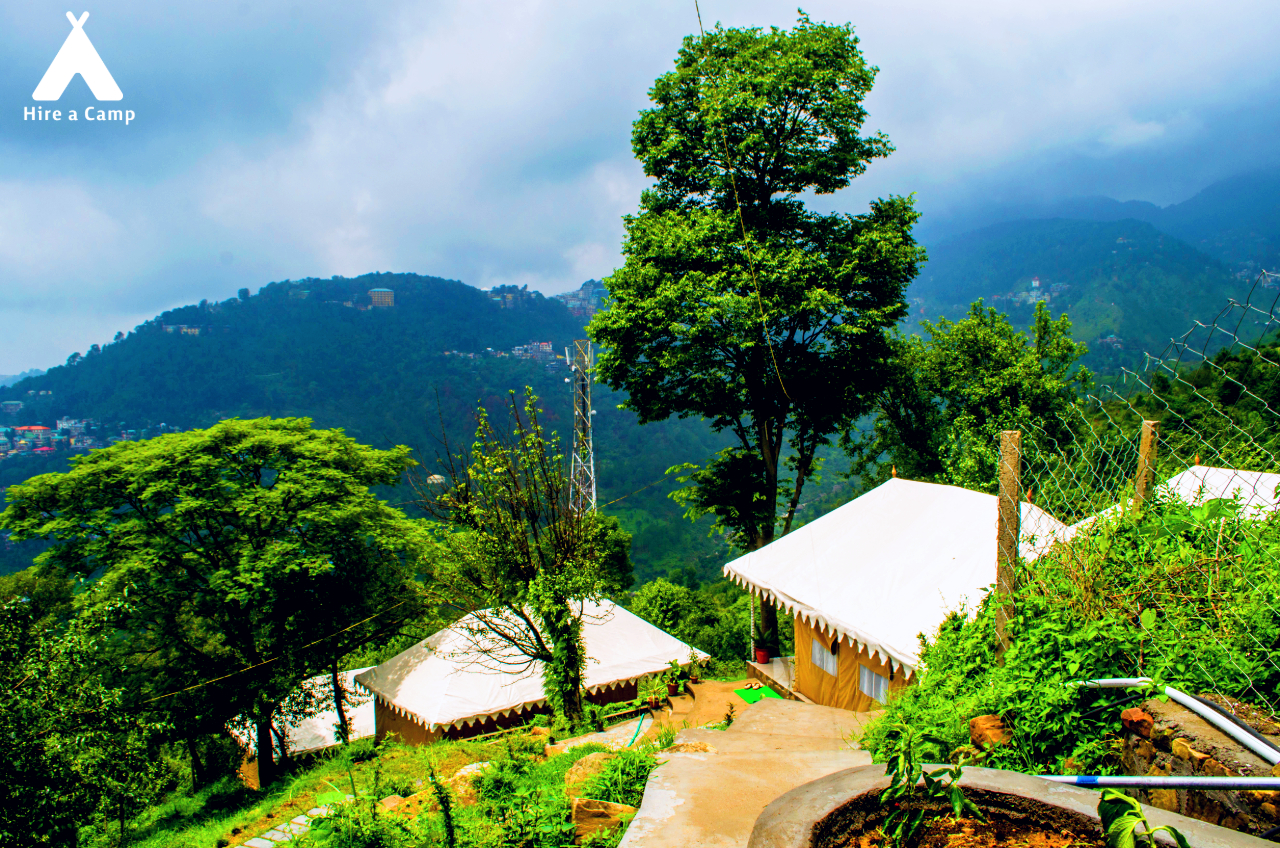
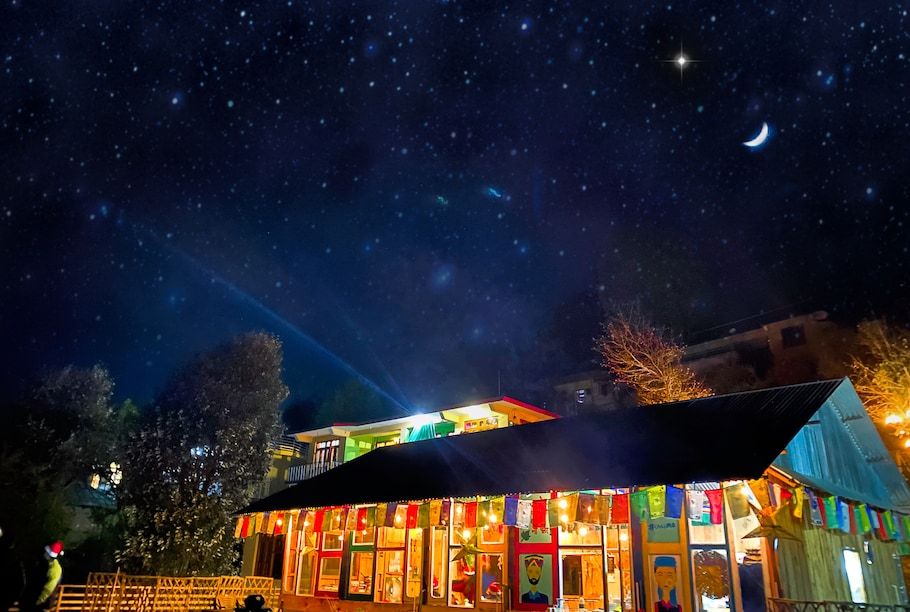
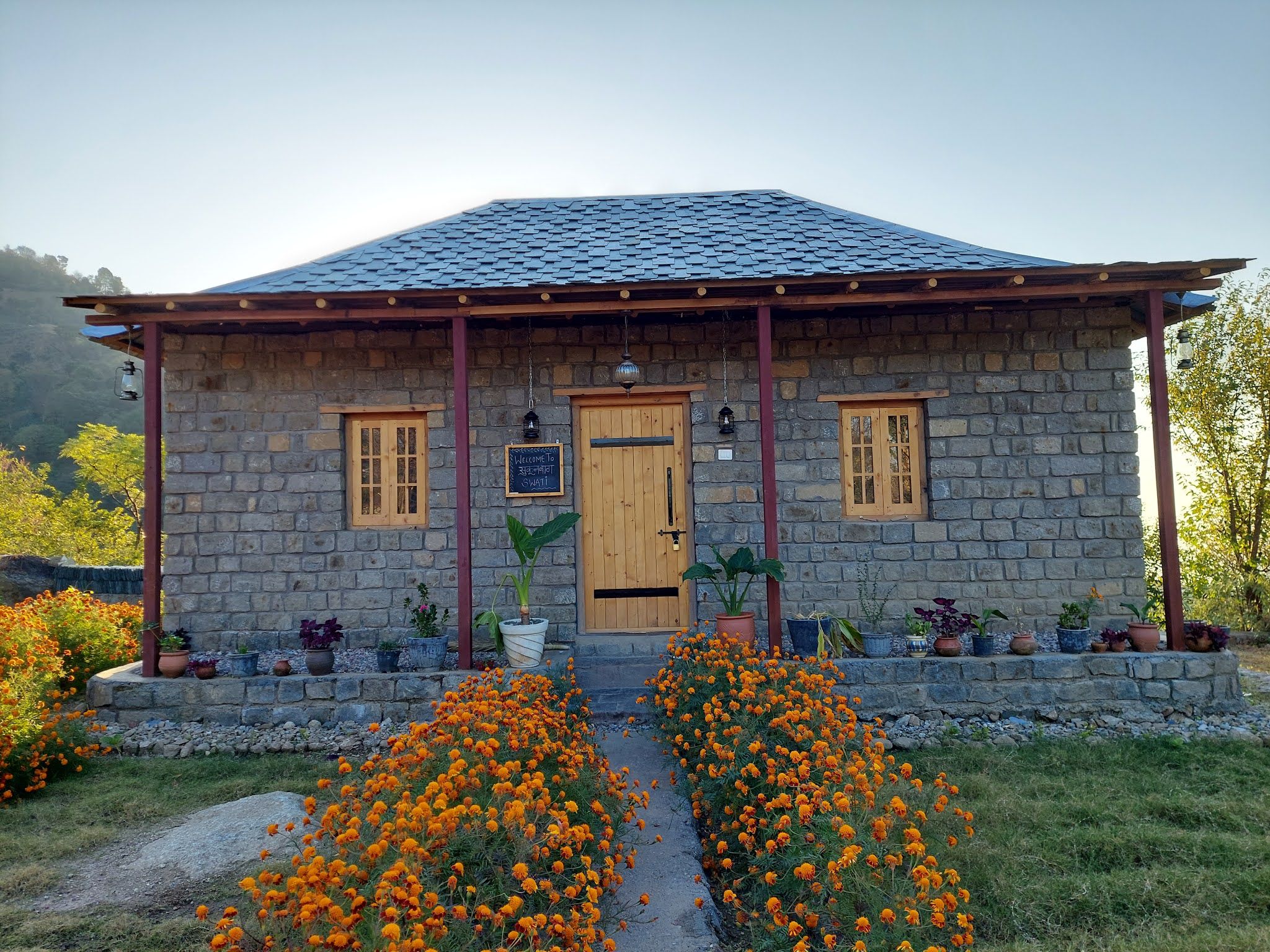
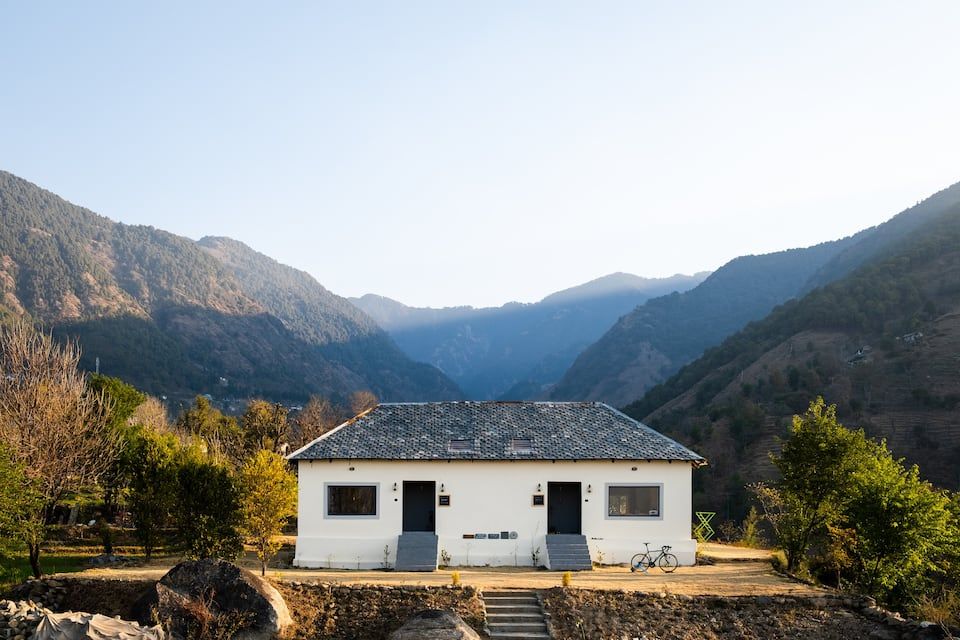
Accommodation in Barot Valley reflects its unpretentious, nature-oriented character. Rather than large commercial hotels, you will find rustic riverside campsites, family-run guesthouses, and village homestays where travellers can experience authentic Himachali hospitality and home-cooked meals.
Staying near the Uhl River offers uninterrupted views of the water and easy access to walking paths, while properties situated slightly uphill provide broad views of the terraced valley and cedar-clad slopes. You can discover and book verified campsites, outdoor getaways, and cosy homestays across Barot Valley directly on HireACamp.
Frequently asked questions
What is Barot Valley known for?
Barot Valley is primarily known for its scenic setting along the Uhl River, its heritage hydroelectric reservoir infrastructure, trout breeding facilities, and tranquil camping spots.
Is trout fishing allowed in Barot Valley?
Yes, trout angling is permitted along designated stretches of the Uhl River. Anglers are required to obtain an official permit from the local fisheries department and follow regional guidelines.
Does Barot Valley receive snowfall in winter?
Barot Valley experiences cold winters and occasional snowfall, particularly between late December and early February. The surrounding high-altitude ridges usually receive heavier accumulations than the valley floor.
How many days should I plan for a trip to Barot Valley?
A stay of two to three days is ideal to experience the valley comfortably. This allows enough time to wander along the river, explore surrounding pine forests, and visit nearby cultural landmarks at a leisurely pace.
What kind of clothing should I pack for Barot Valley?
Even during summer, evenings can turn cool, so a light sweater or fleece is recommended. For travel between October and March, heavy woollens, thermal innerwear, and windproof outer layers are essential.
Where you'll be
6 stays nearby shown with prices
Stays near Barot Valley
Book a place to stay close by
Things to do in Barot Valley
48 places creators recommend within 30 km


Built from 0 Instagram posts by 0 creators. Every tip links back to the post it came from, and where creators disagree we show both sides.






