
Khandar Fort
Fort near Sawai Madhopur, Rajasthan
800 m from Sawai Madhopur
The nearest town, for stays, food and fuel.
Khandar Fort is a historic hill fortification situated in the Sawai Madhopur district of Rajasthan, right on the fringes of the Ranthambore wilderness. Perched atop a vertical cliff overlooking the surrounding plains and ravines, it once served as an unassailable bastion guarding regional trade and military routes. Today, travelers visit Khandar Fort to wander among its weathered stone gates, ancient temples, and dramatic battlements offering sweeping views of the Chambal river valley.
Getting there
By road
- From Sawai MadhopurNearest town8 min · 2.1 km
- From Jaipur3 hr 10 min · 219 km
- From New Delhi5 hr · 351 km
- From Bhopal8 hr 5 min · 451 km
Typical drive times without traffic. Stations and airports from OLA Maps; distances and typical drive times from OpenStreetMap (© OpenStreetMap contributors); notes from creators' Reels.
About Khandar Fort
Written with AI from map data and general knowledge. Check prices and timings locally before you go.
History and Heritage of Khandar Fort
Khandar Fort holds a revered place in the medieval military history of Rajasthan. Perched strategically on an isolated cliff, the fort was designed to take complete advantage of the area's natural topography, where steep vertical scarps served as formidable barriers against invading armies. Over centuries, control of the stronghold shifted between several regional dynasties, including the Mewar Sisodia Rajputs, the Mughal Empire, and later the Maharajas of Jaipur. Because of its commanding position and sheer defensive walls, historical records note that direct assaults on the fort rarely succeeded, earning it the reputation of an unassailable citadel.
The fort acted as a vital eastern defensive outpost for the kingdom of Ranthambore. As territorial boundaries shifted during medieval conflicts, Khandar remained a prized military asset. Its defenders maintained a bird's-eye view of troop movements throughout the Chambal basin and the dense woodlands below. Today, the complex stands as a silent witness to countless sieges and dynastic shifts, retaining an aura of quiet defiance amidst its crumbling stone structures.
Architectural Highlights and What to See
Entering Khandar Fort involves walking through a succession of fortified gateways designed to hinder cavalry and foot soldiers. The main gateway, known as the Pracheen Darwaza, leads into expansive grounds dotted with royal residences, audience halls, and ancient shrines. Although many of the residential palaces have fallen into ruin over time, the remaining stone facades, carved archways, and foundational pillared halls reveal the understated elegance of medieval Rajasthani military architecture.
Religious architecture forms an important part of the fort complex. Several temples dedicated to Hindu deities and Jain Tirthankaras stand within the fortification walls, including the Chaturbhuj Temple, Hanuman Temple, and Gobind Devji Temple. Another prominent sight is the massive vintage cannon perched on the highest bastion, known traditionally as Dhurdhani. Scattered across the hilltop plateau are also multiple stone-lined stepwells and water reservoirs, known as Rani Talab and Hameer Talab, which once provided a self-sustaining water supply during extended sieges.
Read more
The Landscape and Wildlife Surrounding the Fort
The natural environment around Khandar Fort adds significantly to its character. Positioned near the confluence of the Aravalli and Vindhyan mountain ranges, the fort overlooks extensive ravines, river plains, and dry deciduous forests. Because the area borders the outer buffer zones of Ranthambore National Park, the surrounding forests support a diverse variety of indigenous wildlife, including nilgai, wild boars, spotted deer, and numerous species of raptors that soar along the cliff edges.
From the high parapets, visitors enjoy uninterrupted panoramic views of the Chambal River and the rugged valleys that define this part of southeastern Rajasthan. The stark juxtaposition of ancient sandstone walls rising out of rough thorn scrub makes the site particularly atmospheric for photographers and nature enthusiasts who enjoy heritage sites removed from heavy commercial foot traffic.
Best Time to Visit Khandar Fort
The ideal time to explore Khandar Fort is during the cooler months from October to March. During this period, the daytime temperatures across the Sawai Madhopur region remain mild and comfortable, making the climb and extensive outdoor exploration pleasant. Bright, clear skies during winter also offer the sharpest visibility across the Chambal valley from the bastions.
The monsoon season, from July through September, transforms the dry landscape into lush greenery, bringing life to the surrounding woodlands and seasonal water bodies. However, visitors should exercise caution on the stone paths and stairways during rainfall, as wet rock surfaces can become slippery. Summer months, spanning April to June, bring intense heat to the region with temperatures frequently exceeding forty degrees Celsius, which makes prolonged outdoor walking during the day challenging.
How to Reach Khandar Fort
Khandar Fort is located in the Khandar tehsil of Sawai Madhopur district in southeastern Rajasthan. The nearest major rail and transport hub is Sawai Madhopur town, which is well connected by express trains to major cities including Jaipur, Delhi, and Mumbai. From Sawai Madhopur, the fort is reachable by road across a scenic rural route that passes through rustic villages and forested stretches.
Travelers arriving by air can fly into Jaipur International Airport, located roughly a few hours away by road or rail from Sawai Madhopur. Taxis, private vehicles, and local state buses operate regularly between Sawai Madhopur and Khandar town. Once at the base of the hill, visitors typically walk up the stone-paved pathway that ascends the cliffside to the main entrance of the fort.
Tips for Exploring the Fort
Because Khandar Fort is an expansive and relatively untamed heritage site, comfortable walking shoes with good traction are essential for navigating the stone stairways, loose gravel, and uneven ground. Visiting earlier in the morning or later in the afternoon helps avoid the peak heat of the day and allows for a more relaxed exploration of the ruins.
Facilities inside the fort complex are minimal, so travelers should carry adequate drinking water, sun hats, and basic snacks. Keep food items packed securely inside bags, as langurs and macaques inhabit the ruins and can be inquisitive around visible snacks. Visitors are also encouraged to preserve the historical fabric of the site by carrying all personal trash back down the hill.
Places to Visit Nearby
A trip to Khandar Fort combines easily with visits to other prominent attractions in the region. The renowned Ranthambore National Park, known globally for its thriving Bengal tiger population and historic Ranthambore Fort, lies immediately to the west. Wildlife enthusiasts can also visit the Pali Ghat area on the Chambal River, where boat safaris offer opportunities to observe gharials, marsh crocodiles, and a rich diversity of migratory waterbirds.
Other notable spots in the surrounding region include picturesque freshwater lakes like Padam Lake and Rajbagh Lake, both steeped in royal hunting history. Cultural and spiritual travelers often include visits to local temples in the district, such as the revered Chauth Mata Temple and the Arneshwar Mahadev Temple, rounding out a comprehensive heritage and nature tour of the Sawai Madhopur countryside.
Where to Stay Around Khandar Fort
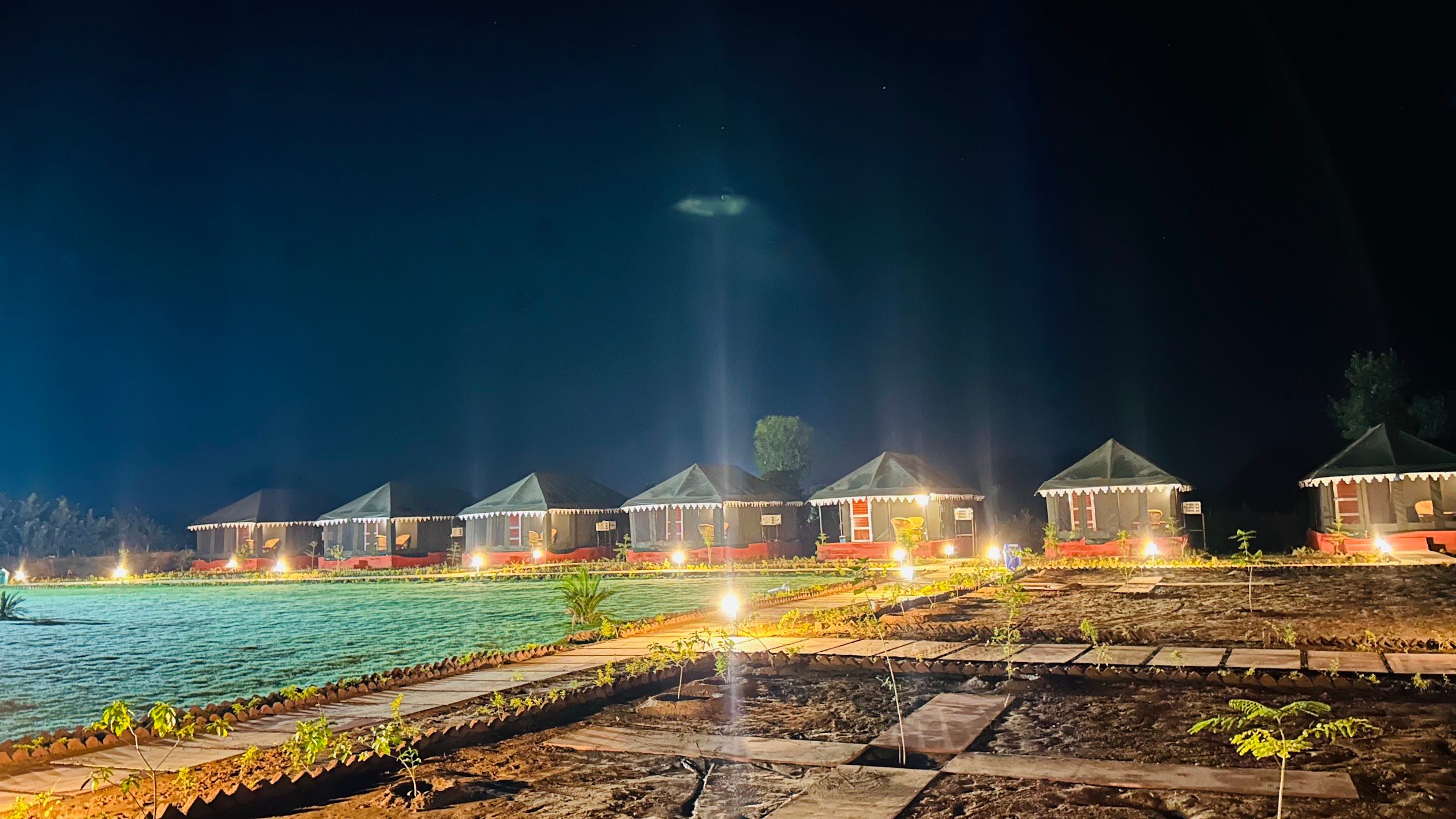
Travelers visiting Khandar Fort typically stay in the wider Sawai Madhopur and Ranthambore belt, where accommodations range from quiet rural farmstays to comfortable guesthouses. For travelers looking to spend their nights closer to nature, unique campsites, experiential homestays, and outdoor getaways in the area can be found and booked on HireACamp. Staying near the forest periphery allows you to experience peaceful village mornings and easy access to both wilderness safaris and historic fort excursions.
Frequently asked questions
Is there a steep climb to reach Khandar Fort?
Yes, visiting the fort requires walking up a winding stone path that climbs the hillside to the main entrance. The walk involves moderate physical effort and requires comfortable footwear.
How much time is needed to explore Khandar Fort?
Most visitors spend between two to three hours exploring the ruins, visiting the temples, and taking in the panoramic views from the ramparts.
Can Khandar Fort be visited on a day trip from Sawai Madhopur?
Yes, Khandar Fort is easily visited as a half-day excursion from Sawai Madhopur, allowing you to combine it with local sightseeing or an afternoon safari.
Are there food stalls or restaurants inside the fort?
No, there are no commercial stalls or eateries inside the ruined fort complex, so visitors should carry sufficient water and light refreshments from the base town.
What is the famous Dhurdhani cannon at the fort?
Dhurdhani is a massive medieval cannon mounted on one of the fort's highest bastions, celebrated for its historical role in defending the ramparts.
Where you'll be
Khandar Tehsil, Sawai Madhopur · 1 stay nearby shown with prices
Stays near Khandar Fort
Book a place to stay close by
More places near Khandar Fort
Within 20 km

Built from 0 Instagram posts by 0 creators. Every tip links back to the post it came from, and where creators disagree we show both sides.






