
Rajiv Gandhi Regional Museum of Natural History
Museum near Sawaimadhopur, Rajasthan
4.5 km from Sawaimadhopur
The nearest town, for stays, food and fuel.
The Rajiv Gandhi Regional Museum of Natural History is an educational institution situated near Shilpgram in Sawai Madhopur, Rajasthan. Positioned just outside the boundary of Ranthambore National Park, it serves as an informative gateway to the diverse wildlife, geology, and ecological systems of western India. Travellers and nature enthusiasts visit to deepen their understanding of desert and dry deciduous habitats, wildlife conservation, and regional natural heritage.
Getting there
By road
- From SawaimadhopurNearest town14 min · 6.4 km
- From Jaipur3 hr 20 min · 224 km
- From New Delhi5 hr 10 min · 356 km
- From Bhopal8 hr 15 min · 456 km
Typical drive times without traffic. Stations and airports from OLA Maps; distances and typical drive times from OpenStreetMap (© OpenStreetMap contributors); notes from creators' Reels.
About Rajiv Gandhi Regional Museum of Natural History
Written with AI from map data and general knowledge. Check prices and timings locally before you go.
About the Rajiv Gandhi Regional Museum of Natural History
The Rajiv Gandhi Regional Museum of Natural History in Sawai Madhopur is an important centre for ecological education established under the Ministry of Environment, Forest and Climate Change. Conceived to generate awareness about the natural wealth of western India, the museum focuses on the fragile ecology of the Aravalli and Vindhya ranges, the Thar desert landscape, and the dry deciduous forests typical of southeastern Rajasthan.
The complex features expansive modern architecture spread over landscaped grounds near the artisan hub of Shilpgram. Through an array of well-curated visual panels, thematic dioramas, realistic models, and interactive learning media, the museum bridges the gap between field wildlife observation and environmental science. It is designed to engage visitors of all age groups, offering school groups, wildlife travellers, and researchers a structured perspective on regional biodiversity before or after they embark on wilderness excursions.
Exhibits and gallery highlights
The museum's exhibition spaces are planned around broad environmental themes that capture the interdependence of life in arid and semi-arid zones. Highlighting regional wildlife, the galleries showcase detailed dioramas of native species in their natural habitats, including the Royal Bengal tiger, leopards, marsh crocodiles, sloth bears, and an impressive variety of ungulates and desert birds.
Beyond mammalian predators, the exhibits document forest ecology, indigenous plant life, medicinal herbs, and geological formations that define the terrain of eastern Rajasthan. Interactive scale models and educational panels explain the migration patterns of birds, the mechanics of river basins like the Chambal, and the challenges of habitat fragmentation. There are also designated cultural and conservation sections that illuminate how traditional pastoral communities have lived alongside wild predators for centuries, illustrating age-old practices of coexisting with nature.
Read more
Best time to visit Sawai Madhopur
Because Sawai Madhopur experiences significant seasonal variations, planning your trip during the right months ensures a comfortable experience. The winter season, extending from October to March, is widely considered the ideal period to visit the museum and the surrounding wildlife areas. Days during these months are generally sunny, dry, and mild, with temperatures that allow for unhurried exploration of indoor galleries and open outdoor campuses.
Summer sets in by April and lasts through June, bringing intense heat and daytime temperatures that frequently climb above forty degrees Celsius. While the indoor exhibition halls provide some relief from the midday sun, moving around the town during the peak afternoon can be strenuous. The monsoon arrives between July and September, revitalising the dry landscape into lush green terrain, though occasional heavy downpours can alter local travel schedules. If you travel during late autumn or winter, you will enjoy the most pleasant climate for combining the museum with local excursions.
How to reach the museum
The museum is conveniently located along Museum Road near Shilpgram, just a few kilometres from the central town of Sawai Madhopur. Sawai Madhopur Junction is a major railway hub on the main Delhi-Mumbai line, well served by regular express and superfast trains from Delhi, Jaipur, Kota, and Mumbai. From the railway station, local autorickshaws and taxis are easily available to make the short drive to the museum complex.
Travellers driving from Jaipur can take the State Highway route via Dausa or Niwai, a drive of roughly three to four hours depending on traffic. Kota is located approximately one hundred and thirty kilometres away, taking around three hours by road. If you are flying in, the nearest commercial airport is Jaipur International Airport, approximately one hundred and sixty kilometres away, from where private cabs or connecting trains can be boarded to reach Sawai Madhopur.
Places to visit nearby
A visit to the museum pairs naturally with several ecological and historical landmarks in the immediate region. Ranthambore National Park lies just four kilometres away, renowned for its dramatic landscape of ancient ruins, cliffs, and thriving wildlife populations. Within the park's periphery and core zones, scenic water bodies like Padam Lake and Rajbagh Lake serve as classic wildlife watering holes set against the backdrop of historic stone pavilions.
For an alternative wildlife perspective, Pali Ghat along the Chambal River is located approximately five kilometres away, offering a distinct riverine sanctuary experience where visitors can watch for gharials, mugger crocodiles, and resident waterbirds. Cultural travellers can also explore older regional shrines and fortifications slightly further afield, including the Arneshwar Mahadev Temple, the hillside Chauth Mata Temple in Chauth Ka Barwara, the revered Ghushmeshwar Mahadev Temple, and the historic battlements of Fort Shiwar.
Tips for your visit
To get the most out of your visit to the museum, set aside at least an hour and a half to walk through the galleries at a relaxed pace. Visitors often find it rewarding to stop by the museum before going on forest drives, as the exhibits provide helpful context on animal tracking, flora identification, and forest layers that enrich real-world sightings.
Museum operating hours and weekly closing days can vary across seasons or government holidays, so it is advisable to verify the schedule locally before you head out. Photography rules inside the exhibition halls should be observed, and visitors are expected to maintain low noise levels to preserve the learning environment. Carry a refillable water bottle and wear comfortable walking shoes, as the layout requires a fair amount of walking across the interior galleries and open grounds.
Where to stay near Sawai Madhopur
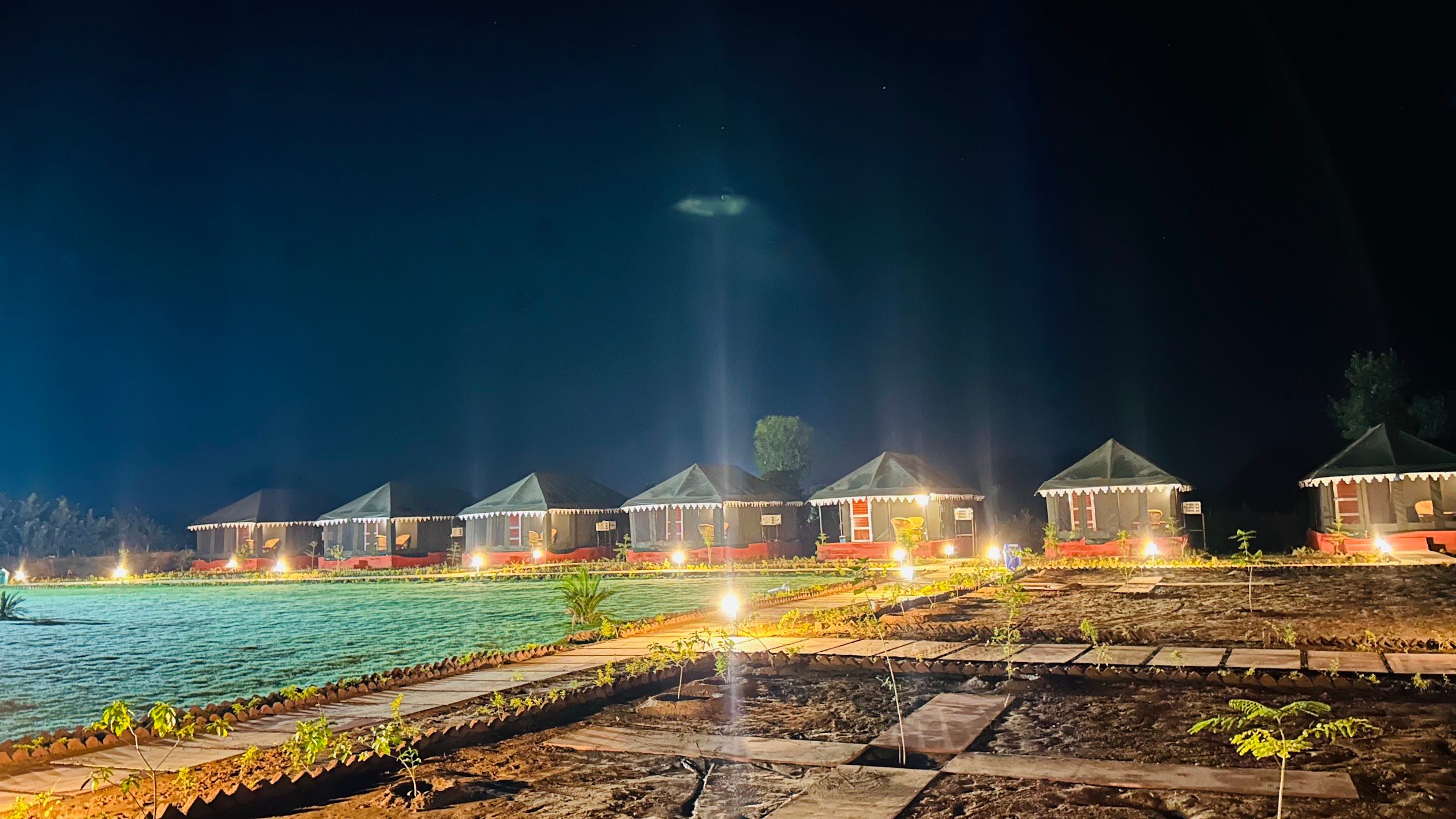
Sawai Madhopur offers a broad spectrum of accommodations tailored to wildlife enthusiasts, family vacationers, and leisure travellers. The outskirts of the town and the rural borders near the park feature tranquil nature retreats, rustic homestays, and open-air camp setups that let you experience the serene wilderness nights of Rajasthan.
Whether you prefer a peaceful homestay surrounded by guava orchards or an immersive tented camp with views of the Aravalli hills, you can explore and book curated stays through HireACamp to suit your travel style and itinerary.
Frequently asked questions
What is the focus of the Rajiv Gandhi Regional Museum of Natural History?
The museum focuses on the natural history, geology, wildlife, and plant biodiversity of western India, with special emphasis on the conservation of arid and dry deciduous forest ecosystems.
How far is the museum from Ranthambore National Park?
The museum is located approximately four kilometres from the gateway areas of Ranthambore National Park, making it an easy addition to any wildlife safari itinerary.
Is the museum suitable for children and families?
Yes, the museum is well suited for children and families, offering visual dioramas, life-sized animal replicas, and educational exhibits that make natural sciences engaging.
How much time is required to see the museum?
Most visitors spend between one to two hours exploring the indoor galleries and the surrounding landscaped campus.
Can I reach the museum easily from the Sawai Madhopur railway station?
Yes, the museum is located within a short drive of the Sawai Madhopur railway junction and is easily accessible by local autorickshaw or taxi.
Where you'll be
Shilpgram, to, Museum Rd, Sawai Madhopur District, RJ · 1 stay nearby shown with prices
Stays near Rajiv Gandhi Regional Museum of Natural History
Book a place to stay close by
More places near Rajiv Gandhi Regional Museum of Natural History
Within 20 km

Built from 0 Instagram posts by 0 creators. Every tip links back to the post it came from, and where creators disagree we show both sides.






