
Ranthambhore Tiger Reserve
National park near Sawaimadhopur, Rajasthan
3.4 km from Sawaimadhopur
The nearest town, for stays, food and fuel.
Ranthambhore Tiger Reserve is one of northern India's premier wildlife sanctuaries, situated in the Sawai Madhopur district of Rajasthan. Spanning the rugged transition zone between the Vindhya and Aravalli mountain ranges, it is celebrated for its thriving Bengal tiger population and dramatic historical ruins. Travellers and naturalists journey here from across the globe to observe wild predators roaming against a backdrop of ancient fortifications and scenic lakes.
Getting there
By road
- From SawaimadhopurNearest town10 min · 5.8 km
- From Jaipur3 hr 20 min · 223 km
- From New Delhi5 hr 5 min · 355 km
- From Bhopal8 hr 10 min · 455 km
Typical drive times without traffic. Stations and airports from OLA Maps; distances and typical drive times from OpenStreetMap (© OpenStreetMap contributors); notes from creators' Reels.
About Ranthambhore Tiger Reserve
Written with AI from map data and general knowledge. Check prices and timings locally before you go.
About Ranthambhore Tiger Reserve
Ranthambhore Tiger Reserve occupies a unique ecological position where the ancient hills of the Aravalli range meet the flat tablelands of the Vindhyas. Once the private hunting grounds of the Maharajas of Jaipur, the area was declared a game sanctuary in the 1950s and subsequently brought under Project Tiger in the early 1970s. Today, it stands as one of the most famous conservation landscapes in India, known for supporting wild tigers in their natural habitat.
The reserve is characterised by steep rocky scarps, open grassy meadows, deep ravines, and extensive tracts of dry deciduous dhok woodland. Scattered throughout the wilderness are historic stone structures, cenotaphs, and watchtowers that bear silent testimony to the centuries of conflict and culture that unfolded in eastern Rajasthan. This collision of wild nature and heritage architecture creates an unmistakable visual identity that sets Ranthambhore apart from almost every other tiger habitat in the country.
Wildlife and Landscape of Ranthambhore
While the Royal Bengal tiger is undoubtedly the flagship species of the reserve, Ranthambhore supports a dense and varied ecosystem. Carnivores such as Indian leopards, striped hyenas, jackals, caracals, and sloth bears share the forested terrain. The prey base is equally diverse, featuring large herds of chital, sambar deer, nilgai, and sounders of wild boar that graze along the forest floor and around the lakes.
Water bodies form the vital heart of the park's central plateau, with Padam Lake and Rajbagh Lake providing critical resources for wildlife throughout the year. These scenic lakes are frequented by marsh crocodiles basking along the banks, while thousands of migratory and resident birds gather here during the cooler months. You can often spot painted storks, white-breasted kingfishers, crested serpent eagles, and several species of waterbirds feeding in the shallow waters, making the reserve an exceptional destination for birdwatchers.
Read more
Best Time to Visit Ranthambhore
The reserve experiences the stark seasonal variations characteristic of the semi-arid zone in Rajasthan. The tourism season generally extends from autumn through early summer, with the park typically closing its core zones to visitors during the monsoon months between July and September to allow the ecosystem to regenerate and wildlife to breed undisturbed.
Winter, spanning from November to February, brings cool, crisp mornings and mild daytime temperatures. It is a comfortable period for game drives, though dawn temperatures can dip sharply, requiring multiple warm layers. As summer sets in from March onwards, temperatures rise significantly, drying out vegetation and drawing animals out of the deep ravines towards remaining water holes. For wildlife photographers and enthusiasts focused on observing animal activity around lakes, the hotter spring and summer months often provide distinct advantages, despite the heat.
Places to Visit Around Ranthambhore
Beyond the forest paths, the immediate surroundings of Sawai Madhopur offer notable cultural and ecological sites. Standing dramatically on a high plateau within the forest perimeter is Ranthambore Fort, a UNESCO World Heritage Site with ramparts, reservoirs, and ancient palaces overlooking the plains below. Housed within the fort complex is the revered Trinetra Ganesh Temple, which draws pilgrims from across Rajasthan who come to deliver invitations and seek blessings.
Travelers interested in conservation education should consider spending time at the Rajiv Gandhi Regional Museum of Natural History, located near Sawai Madhopur, which showcases the flora, fauna, and geological heritage of western India. Other prominent regional landmarks include the rugged Khandar Fort perched high on a cliff edge, the peaceful Amreshwar Mahadev Temple set in a gorge, and the riverside landscapes of the Pali Ghat Chambal Safari, which provide opportunities to view rare gharials and river birds.
How to Reach Ranthambhore Tiger Reserve
Sawai Madhopur serves as the primary gateway town for the tiger reserve and enjoys exceptional connectivity by rail. The Sawai Madhopur Junction is a major stop along the main western railway line, receiving regular express and superfast trains from key urban centres like Delhi, Jaipur, Mumbai, and Kota.
By road, travellers can access the reserve via well-maintained highway networks connecting Sawai Madhopur to Jaipur, which lies approximately three to four hours away by car. For those arriving from outside northern India, the nearest major commercial airport is in Jaipur. From the airport, private taxis and rental vehicles can be hired to make the overland journey through the rural countryside directly to the outskirts of the national park.
Tips for Your Visit to Ranthambhore
Visiting a fragile wildlife environment requires preparation and respect for local park rules. Safari permits and vehicle reservations are managed by forest department protocols and should be secured well ahead of travel, particularly during holiday periods and peak winter weekends when availability is strictly regulated.
When out in the forest, dress in muted, earthy tones such as olive, khaki, beige, or brown to blend in with the landscape, and avoid bright colours that can startle animals. Bring a sturdy pair of binoculars, a camera with a telephoto lens, and protection against dust and sunlight. Maintain silence inside the park vehicles, adhere strictly to the guidance of the certified nature guides, and never attempt to feed, approach, or provoke wild animals in any manner.
Where to Stay Around Ranthambhore
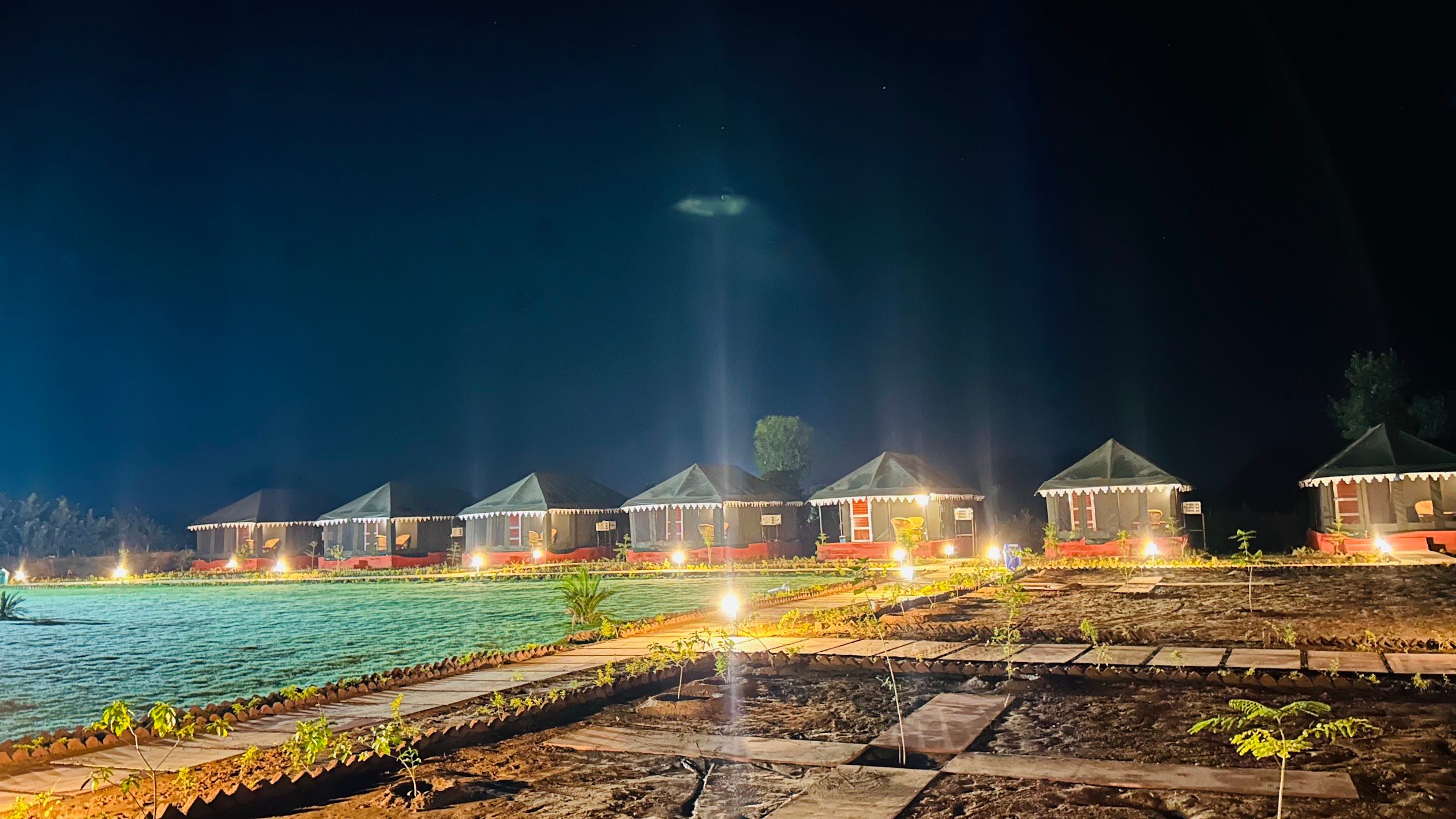
The area around Sawai Madhopur and the periphery of the tiger reserve offers a range of lodging choices tailored to naturalists, families, and road-trippers. Options range from tranquil farmsteads and rural retreats to outdoor campsites that place you closer to the wilderness.
Whether you prefer an authentic local homestay that gives insight into rural Rajasthani hospitality or an open-air tented camp under the night sky, you can browse and book verified stays near Ranthambhore Tiger Reserve through HireACamp to match your travel rhythm.
Frequently asked questions
Which city is closest to Ranthambhore Tiger Reserve?
The closest city and transit gateway is Sawai Madhopur, located right beside the reserve boundary, while the nearest major international airport is located in Jaipur.
Is Ranthambhore Tiger Reserve open throughout the year?
The core zones of the reserve typically close during the monsoon season from July through September, operating primarily between October and June each year.
What animals can I see in Ranthambhore besides tigers?
Visitors frequently see leopards, sloth bears, marsh crocodiles, sambar deer, chital, nilgai, striped hyenas, and a diverse range of forest and aquatic bird species.
How do I arrange a safari in Ranthambhore Tiger Reserve?
Safaris must be booked through the official state forest department system or through authorized safari counters, and arrangements should be made well in advance of your visit.
Can I visit Ranthambore Fort while staying near the reserve?
Yes, Ranthambore Fort is situated within the park area and is open to visitors, offering panoramic views of the forest and access to the Trinetra Ganesh Temple.
Where you'll be
Sawai Madhopur · 1 stay nearby shown with prices
Stays near Ranthambhore Tiger Reserve
Book a place to stay close by
More places near Ranthambhore Tiger Reserve
Within 20 km

Built from 0 Instagram posts by 0 creators. Every tip links back to the post it came from, and where creators disagree we show both sides.






