
Khera Kalan
Destination in Delhi
Khera Kalan is a peri-urban settlement situated in the northern corner of Delhi, near the Grand Trunk corridor. Known for its agrarian roots and community-centric village layout, it sits at the intersection of quiet rural expanses and the capital city's expanding urban footprint. Travellers visit Khera Kalan to experience a slower-paced corner of Delhi while maintaining convenient access to the region's historic landmarks and cultural hubs.
Getting there
By road
- From New Delhi1 hr 20 min · 35 km
- From Dehradun3 hr 25 min · 226 km
- From Chandigarh4 hr 50 min · 292 km
- From Jaipur5 hr 15 min · 371 km
Typical drive times without traffic. Stations and airports from OLA Maps; distances and typical drive times from OpenStreetMap (© OpenStreetMap contributors); notes from creators' Reels.
About Khera Kalan
Written with AI from map data and general knowledge. Check prices and timings locally before you go.
The Character of Khera Kalan
Located in the North Delhi district, Khera Kalan holds a distinct identity that sets it apart from the high-density metropolitan neighbourhoods of the capital. Originally established as an agricultural village, the locality has preserved parts of its pastoral heritage even as infrastructure and modern housing have expanded into the area. Narrow residential lanes, community meeting spaces, and family-run shops define the interior of the settlement, surrounded by open plots and greenery that are increasingly rare in inner-city Delhi.
Visitors passing through Khera Kalan will notice the strong sense of local community that has endured across generations. The rhythm of daily life here follows an unhurried pace, with mornings marked by farmers tending to nearby plots and local traders setting up neighbourhood bazaars. It offers travellers an authentic glimpse into the village culture of the Yamuna plains, presenting a grounded and historic dimension of Delhi that few mainstream itineraries cover.
Things to Do in and Around Khera Kalan
A visit to Khera Kalan is best experienced on foot, taking the time to explore the residential alleys, historic village gates, and local places of worship. Walking through the neighbourhood offers an opportunity to observe traditional North Indian village architecture, where older brick structures stand alongside modern family homes. The outskirts of the locality feature open fields and quiet secondary roads that make for peaceful early morning walks or cycling sessions away from heavy traffic.
In addition to exploring the village itself, visitors can venture into the surrounding agricultural edges and roadside nursery gardens that dot the North Delhi landscape. Local markets in the area provide a window into seasonal regional produce, traditional street snacks, and everyday village trade. For travellers interested in rural sociology, photography, or simply seeking a quiet retreat from the city center, spending an afternoon wandering Khera Kalan and neighbouring tracts is a rewarding and grounding experience.
Read more
Historic Attractions in Nearby Old Delhi
Khera Kalan serves as a practical northern springboard for exploring the deep history of Old Delhi, which sits approximately 18 kilometres to the south. Chief among these heritage sites is the magnificent Red Fort, the sprawling red sandstone palace built by Emperor Shah Jahan that served as the heart of Mughal governance for nearly two centuries. Standing near the western bank of the Yamuna River, it remains one of India's most monumental architectural treasures.
Directly opposite the fort lies the historic neighbourhood of Chandni Chowk, celebrated for its labyrinth of trading alleys, heritage mansions, and lively culinary scene. A short walk from the market leads to Jama Masjid, one of the grandest and largest mosques in India, whose vast courtyard and towering minarets dominate the Old Delhi skyline. Visiting these sites gives travellers from Khera Kalan a direct connection to the imperial dynasties that shaped the modern capital.
Exploring Central Delhi from Khera Kalan
Heading slightly farther south, around 19 to 24 kilometres from Khera Kalan, brings travellers into the planned expanses of Central and South Delhi. Connaught Place, with its colonnaded Georgian-style architecture, serves as a major commercial and cultural focal point. Within its central circle lies Central Park, while nearby attractions include the 18th-century astronomical observatory Jantar Mantar and the subterranean stepwell Agrasen ki Baoli, an ancient architectural marvel nestled amid contemporary high-rises.
Art and history enthusiasts can spend rewarding days exploring the National Museum, home to antiquities dating from the Indus Valley Civilization to the medieval era, and the nearby National Gallery of Modern Art. Further south, the tranquil landscape of Lodhi Garden offers scenic walking paths around 15th-century Sayyid and Lodi dynastic tombs. Just east of the gardens stands Humayun’s Tomb, a UNESCO World Heritage site renowned as the earliest garden-tomb on the Indian subcontinent and an architectural precursor to the Taj Mahal.
Best Time to Visit Khera Kalan
The climate in Khera Kalan matches the broader subtropical pattern of the National Capital Region, featuring three distinct seasons. The best time to visit is during the winter months, from October through March, when daytime temperatures are pleasant and outdoor exploration is comfortable. During peak winter months like December and January, mornings and evenings can become distinctly chilly, with temperatures occasionally dropping into single digits, making warm layers essential.
Summers arrive in April and intensify through June, bringing scorching daytime heat and dry winds, with temperatures regularly exceeding forty degrees Celsius. Outdoor activities during these months are best restricted to the very early morning or after sunset. The monsoon season extends from July to September, bringing periodic heavy rainfall that cools the landscape and turns the peri-urban fields green, though travel can occasionally be slowed by localized waterlogging on access roads.
How to Reach Khera Kalan
Khera Kalan is well connected to the rest of the National Capital Region by road and rail networks. By road, the locality is accessible via the Grand Trunk Road and National Highway 44, which connect Delhi with Haryana and Punjab to the north. Travellers driving or taking cabs from central parts of Delhi can expect journeys to take between 45 and 90 minutes depending on prevailing traffic conditions along outer ring roads and arterial corridors.
For public transit, Khera Kalan is served by a local railway halt on the Northern Railway network, connecting with suburban passenger trains running between Old Delhi and Panipat or Sonipat. Furthermore, commuters frequently utilize the Delhi Metro network, with major Yellow and Red Line stations situated a short feeder ride away in nearby districts such as Samaypur Badli, Jahangirpuri, or Rithala. Auto-rickshaws, shared e-rickshaws, and municipal buses connect these metro hubs directly with Khera Kalan.
Tips for Your Visit to Khera Kalan
When visiting Khera Kalan, dressing conservatively is recommended out of respect for local community customs in this traditional residential neighbourhood. Comfortable, sturdy walking shoes are advised, as exploring the village involves paved alleys, unpaved village lanes, and sandy field verges. Carrying a refillable water bottle, sun protection, and a light scarf or cap is sensible, particularly outside of the winter months.
Public amenities inside the village core are oriented toward daily resident needs rather than tourism, so it is wise to carry adequate cash for transactions at small neighbourhood stores and roadside tea stalls. If you plan to head into central Delhi to visit monuments such as the Red Fort or Humayun's Tomb, plan your departures early in the morning to beat the commuter rush and to ensure you have ample daylight to explore large heritage complexes.
Where to Stay near Khera Kalan
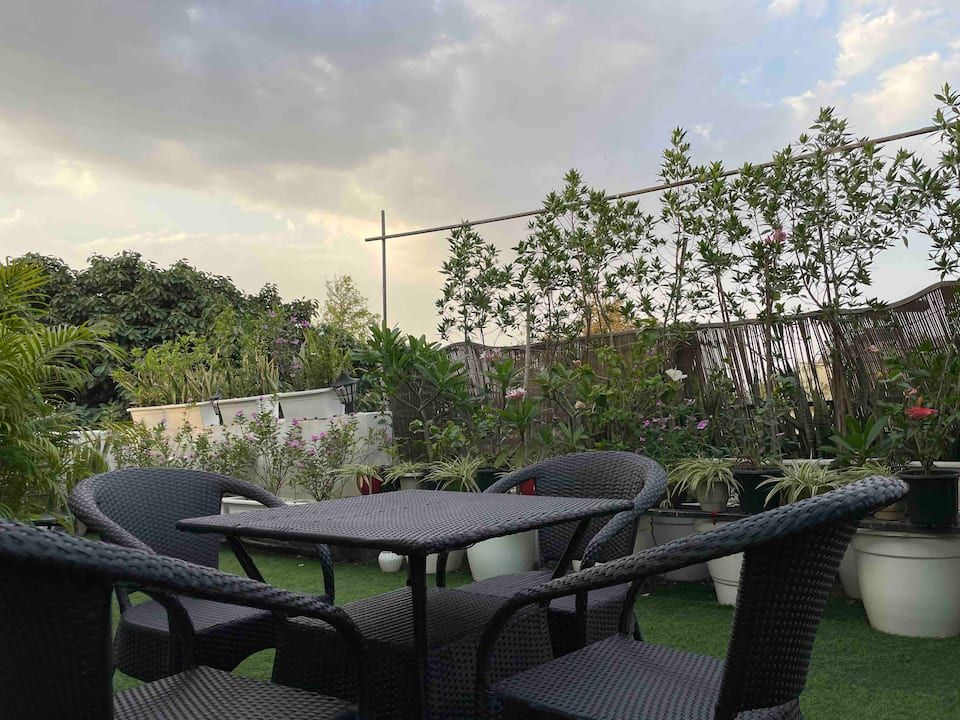
Accommodation choices around Khera Kalan cater to those who prefer staying away from dense commercial quarters while retaining good road connectivity. The peri-urban belt of North Delhi features spacious farmstays, private vacation properties, and comfortable family-run homestays situated amidst quiet orchard grounds and rural lanes.
Travellers interested in finding peaceful escapes, boutique homestays, or unique open-air getaways around North Delhi and the wider Yamuna plains can search through listings on HireACamp. Booking a stay in this peripheral belt allows you to wake up to birdsong and expansive green skies while keeping all of Delhi's premier historic landmarks within easy day-trip distance.
Frequently asked questions
What is Khera Kalan known for?
Khera Kalan is known as a historic peri-urban village in North Delhi that retains its traditional community identity and open agricultural surroundings despite modern urban growth.
Which major tourist monuments are close to Khera Kalan?
Historic Old Delhi landmarks including the Red Fort, Jama Masjid, and Chandni Chowk are located approximately 18 kilometres south of Khera Kalan.
What is the best time of year to visit Khera Kalan?
The ideal period to visit is from October to March, when the weather in North Delhi is cool, clear, and comfortable for exploring outdoors.
How can I travel to Khera Kalan using the Delhi Metro?
You can take the Delhi Metro Yellow Line or Red Line to nearby terminal stations such as Samaypur Badli or Rithala, and then complete the short remaining journey to Khera Kalan by cab, auto-rickshaw, or bus.
Are there places to stay near Khera Kalan?
Yes, farmstays, private getaways, and homestays are available in the surrounding North Delhi belt and can be booked directly on HireACamp.
Where you'll be
1 stay nearby shown with prices
Stays near Khera Kalan
Book a place to stay close by
Things to do in Khera Kalan
48 places creators recommend within 30 km


Lists for this area
Ranked by how many creators recommend each place


Built from 0 Instagram posts by 0 creators. Every tip links back to the post it came from, and where creators disagree we show both sides.






