
Kuhl
Destination in Himachal Pradesh
Kuhl is a quiet Himalayan hamlet perched in the upper reaches of the Satluj valley in Himachal Pradesh. Flanked by the dense, pristine forests of the Daranghati Wildlife Sanctuary, it offers an unhurried retreat for nature lovers, hikers, and travellers exploring the traditional culture of the inner hills. Visitors come to experience authentic Himachali village life, scenic mountain paths, and easy access to ancient temples across the surrounding valleys.
Getting there
By road
- From Chandigarh6 hr · 268 km
- From Dehradun7 hr 25 min · 311 km
- From Ludhiana7 hr 55 min · 370 km
- From New Delhi10 hr 30 min · 516 km
Typical drive times without traffic. Stations and airports from OLA Maps; distances and typical drive times from OpenStreetMap (© OpenStreetMap contributors); notes from creators' Reels.
About Kuhl
Written with AI from map data and general knowledge. Check prices and timings locally before you go.
Understanding Kuhl and the surrounding landscape
Kuhl is set high above the Satluj river basin in a transitional zone where the temperate valleys of lower Himachal yield to the rugged ridges that border Kinnaur and Kullu. The terrain around the village consists of layered hillsides blanketed by deodar, spruce, and blue pine, punctuated by traditional stone-and-timber houses and terraced apple orchards.
Because it lies away from major tourist circuits, life in Kuhl moves at a rhythmic, agricultural pace. Farmers tend to small step-farms on the steep gradients, while the forests above buffer the settlement against harsh weather. The air is crisp and pine-scented, offering expansive views across deep ravines toward distant ridgelines. For travellers who appreciate quiet rural settings, Kuhl serves as an understated window into traditional mountain living.
Things to do in and around Kuhl
The primary appeal of Kuhl lies in outdoor exploration on foot. Walking along the narrow village paths reveals traditional wood-and-slate architecture, intricately carved doorframes, and everyday rural routines. Morning walks through nearby deodar stands offer clear views of sun-drenched ridges across the Satluj gorge.
Just about a kilometre away on a commanding ridge sits the Shrai Koti Mata Temple. Dedicated to the local protective deity, the temple provides a panoramic viewpoint overlooking surrounding hamlets and the undulating mountains. Visiting the temple offers insight into the deep-seated spiritual customs of the region, where every settlement maintains close reverent ties to local devtas. Beyond temple visits, photography, birdwatching along forest fringes, and sitting by open meadows to watch the light change over the hills are the most rewarding pursuits here.
Read more
Exploring Daranghati Wildlife Sanctuary
Bordering Kuhl just a kilometre away, Daranghati Wildlife Sanctuary covers a high-altitude wilderness of dense undisturbed forest and alpine meadows. Historically used as a hunting reserve by the royal rulers of Bushahr, the sanctuary is now protected to preserve the fragile biodiversity of the middle and upper Himalayas.
The sanctuary is famous for its population of Western tragopan, a rare and beautifully patterned pheasant that serves as Himachal Pradesh's state bird. Other native wildlife includes the Himalayan monal, musk deer, goral, serow, and the elusive Himalayan black bear and brown bear. Dense stands of oak, fir, and rhododendron make wandering the permitted forest paths a memorable sensory experience, particularly during spring when wild blooms appear beneath the canopy.
Visitors should always respect local forest guidelines, hire a knowledgeable local guide if planning to walk deep into the sanctuary trails, and prepare for uneven, natural forest terrain.
Day trips and heritage sites near Kuhl
Kuhl sits within striking distance of some of the most culturally significant landmarks in the region. Around ten kilometres away lies the historic town of Rampur Bushahr, long an essential trading stop along the historic trade route to Tibet. The town is home to the Rampur Buddhist Monastery and the classical Shri Satya Narayan Temple, showcasing a rich confluence of Buddhist and Hindu traditions along the banks of the Satluj.
Also roughly ten kilometres from Kuhl is Sarahan, home to the revered Bhimakali Temple. This multi-tiered wooden complex stands as a masterpiece of indigenous Kathkuni architecture, rising majestically against the backdrop of snow-capped peaks. At Nirath, about ten kilometres away, the rare Sun Temple Nirath dates back centuries and features exquisite stone carvings dedicated to the solar deity. Continuing along the regional circuit reveals the ancient Bhuteshwar Mahadev Temple, the historic Jangla Fort perched atop a vantage ridge, and the ornate wood carvings of Devta Chaturmukh Temple.
High passes and valleys beyond
For travellers who wish to explore further afield, Kuhl serves as a springboard into high-mountain passages. Roughly thirty-six kilometres straight-line distance away lie the forested slopes leading toward Jalori Pass and the access routes into the Tirthan Valley.
Crossing over these mountain divides brings dramatic shifts in scenery, shifting from the drier, steeper slopes of the Satluj valley to the trout streams and dense cedar forests of the Seraj and Tirthan belts. These roads offer striking perspectives on the Great Himalayan ranges and link the historic royal heartland of Bushahr to the river valleys of Kullu.
Best time to visit Kuhl
The climate in Kuhl varies distinctly across the four seasons, making timing an essential consideration when planning your trip.
Spring and summer, extending from April through June, are generally the most comfortable months. Daytime temperatures remain pleasant, wild rhododendrons splash colour across the Daranghati hillsides, and orchard trees are in full bloom. It is an ideal window for hiking and exploring forest trails.
The monsoon arrives between July and August, cloaking the mountains in mist and turning the valleys vibrant green. While the scenery is dramatic, travel in the higher hills requires extra caution due to heavy rains and the possibility of road blockages.
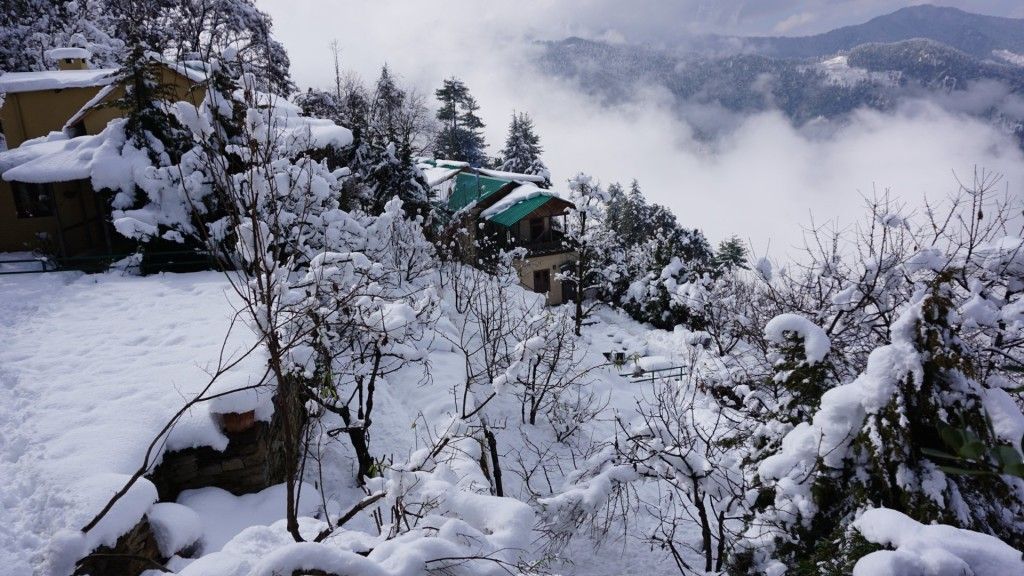
Autumn, from September to November, brings crystal-clear skies, dry weather, and crisp air, making it the best season for wide-angle mountain vistas and photography. Winters, from December to March, are cold and quiet. Upper areas near the sanctuary receive snowfall, turning the pine woods into a peaceful white landscape for visitors who enjoy solitary, cold-weather getaways.
How to reach Kuhl
Reaching Kuhl involves travelling along the National Highway 5 corridor through Shimla before branching into the hills above the Satluj river.
By road, private vehicles, taxis, and state transport buses run regularly from Chandigarh and Shimla toward Rampur Bushahr. From Rampur, local mountain roads ascend toward Kuhl and the periphery of Daranghati Sanctuary. These hillside roads are winding and steep, requiring cautious driving or the services of a seasoned mountain driver.
The closest broad-gauge railway hub is at Kalka, which connects with the narrow-gauge toy train to Shimla. From either station, the remainder of the journey is made by road. The nearest domestic airports are located at Shimla and Chandigarh, both offering road connections up the valley.
Where to stay around Kuhl
Accommodations near Kuhl are typically small-scale and intimate, allowing guests to experience authentic mountain life without large commercial footprints. In the surrounding villages and forest fringes, you will find traditional family-run homestays, wooden cottages, and nature camps positioned close to orchards and pine groves.
Staying in a local homestay offers the chance to sample traditional Himachali food cooked on wood fires, including seasonal leafy greens, lentil preparations, and local breads. Travellers seeking verified camps, village homestays, and rustic outdoor getaways around Kuhl can find curated options on HireACamp.
Frequently asked questions
Where is Kuhl located?
Kuhl is a mountain settlement situated in Himachal Pradesh, located on the forested ridges above the Satluj river valley close to Daranghati Wildlife Sanctuary and Rampur Bushahr.
What is Daranghati Wildlife Sanctuary famous for?
Daranghati Wildlife Sanctuary is renowned for its untouched high-altitude forests and rich biodiversity, notably rare birds like the Western tragopan and Himalayan monal, as well as musk deer and Himalayan black bears.
Does it snow in Kuhl?
Yes, during peak winter months between late December and February, Kuhl and the higher reaches of the adjacent Daranghati sanctuary regularly receive snowfall.
What historic temples can I visit near Kuhl?
Visitors can easily visit the Shrai Koti Mata Temple right near the village, as well as the Bhimakali Temple in Sarahan, the ancient Sun Temple in Nirath, and the Satya Narayan Temple in Rampur Bushahr.
What should I pack for a trip to Kuhl?
Pack sturdy walking shoes for forest trails, warm layers even during summer evenings as mountain temperatures drop quickly, and heavy woollens, thermal wear, and windproof jackets if visiting in late autumn or winter.
Where you'll be
1 stay nearby shown with prices
Stays near Kuhl
Book a place to stay close by
Things to do in Kuhl
34 places creators recommend within 30 km

Built from 0 Instagram posts by 0 creators. Every tip links back to the post it came from, and where creators disagree we show both sides.






