
Kullu
Destination in Himachal Pradesh
Kullu is a historic town set along the banks of the Beas River in Himachal Pradesh, long regarded as the gateway to the broader Kullu Valley. Flanked by terraced apple orchards, pine forests, and towering mountain ridges, it draws travellers looking for a balanced base to experience regional temple traditions, river rafting, and scenic mountain getaways.
Getting there
By road
- From Chandigarh4 hr 45 min · 219 km
- From Ludhiana5 hr 20 min · 259 km
- From Amritsar7 hr 20 min · 370 km
- From Dehradun8 hr 15 min · 411 km
Typical drive times without traffic. Stations and airports from OLA Maps; distances and typical drive times from OpenStreetMap (© OpenStreetMap contributors); notes from creators' Reels.
Kullu and Surrounding Valleys Itinerary
A curated itinerary exploring the tranquil valleys accessible from Kullu, focusing on scenic mountain drives and offbeat destinations south of the town.
Scenic South Valleys Day Trip
Best for travellers seeking quiet valleys and natural landscapes away from crowded areas
Day 1
Valleys of Sainj and Tirthan
morning
Shangarh valleyAbout 3 hr
Shangarh is an offbeat valley destination that typically sees relatively few visitors.
afternoon
Tirthan Valley RoadAbout 3 hr · 14 km from the last stop
Continue along the route into the Tirthan Valley area for a scenic mountain drive.
- Shangarh valley is an offbeat destination with low visitor numbers, making it suitable for a quiet retreat.
- If visiting Wind Cafe By The Pine & Pour on the Manali–Naggar Road, expect a wait time of 30 to 40 minutes as food is prepared fresh from scratch.
- Travellers approaching Tirthan Valley from Chandigarh should account for a road journey of approximately 280 km, taking about 6 to 7 hours.
Visit lengths are suggestions; distances are straight-line between stops.
About Kullu
Written with AI from map data and general knowledge. Check prices and timings locally before you go.
What Kullu is known for
Kullu, often referred to as the Valley of the Gods, is historically and culturally central to the Himachal region. Situated in an open valley basin where the Beas River flows through, the town has served for centuries as a vital trade and administrative junction. Unlike high-altitude resort towns that cater purely to transient tourism, Kullu retains an authentic daily mountain rhythm alongside deep spiritual traditions.
The town is renowned across India for its distinctive local handicrafts, particularly handwoven Kullu shawls, caps, and woollens woven on traditional pit looms. Culturally, it is celebrated for the grand week-long Kullu Dussehra festival held on the Dhalpur Maidan, where village deities from all over the surrounding valleys arrive in palanquins to pay homage to Lord Raghunath. Beyond the vibrant cultural core, the landscape around Kullu is characterized by sprawling orchards, dense deodar and pine woodlands, and access to some of the state's most revered wilderness areas.
Things to do in and around Kullu
Outdoor recreation is one of the primary reasons travellers linger in Kullu. The stretch of the Beas River running past the town is one of Himachal's major river rafting corridors, where visitors can navigate Grade II and Grade III rapids with certified local boatmen during the open seasons.
For walking and hiking enthusiasts, the ridgelines overlooking Kullu offer several scenic day treks. A popular excursion is the trail up to Bijli Mahadev Temple, situated on the high Mathan plateau. The hike passes through quiet deodar forests and terraced fields before opening onto a sweeping panorama of the Kullu and Parvati valleys. The temple itself has a tall staff said to attract atmospheric lightning, making it an architectural and cultural marvel.
Those interested in indigenous heritage can spend time exploring the village settlements clinging to the valley walls. Traditional Kath-Kuni style timber-and-stone houses remain visible throughout the rural pockets, while local markets in town provide a direct link to weavers, woodcarvers, and metal craftsmen working in generational styles.
Read more
Day trips and getaways near Kullu
Kullu's central position in the district makes it an ideal launchpad for exploring neighboring valleys and remote villages that retain an unhurried, pastoral lifestyle.
Heading east leads into the lush Parvati Valley. Further up the trail past Kasol and Manikaran are traditional timber villages like Pulga, famed for its quiet forest paths and wooden architecture, and the trailhead leading to the high thermal springs of Kheerganga. Natural cascades such as Lapas Waterfalls in the surrounding forested folds offer tranquil day-outing options away from highway traffic.
Heading southeast towards the Great Himalayan National Park leads into the Sainj Valley, where the peaceful village of Shangarh sits surrounded by rolling pine-fringed meadows. Here, the historic Shangchul Mahadev Temple showcases elaborate wood carvings against an open alpine backdrop. These nearby valleys offer an easy transition from the bustling riverside towns into remote foothill wilderness.
Best time to visit Kullu
Kullu experiences four distinct seasons, each offering a different window into valley life. The summer months from March to June bring pleasant daytime temperatures and cool evenings, making it the most popular window for sightseeing, rafting, and valley exploration as snow clears from higher ridges.
The monsoon arrives between July and early September. Rains transform the slopes into vibrant shades of green and fill the mountain brooks, but heavy showers can lead to highway roadblocks and swollen rivers, requiring extra caution and flexible schedules from visitors.
Autumn, running from mid-September through November, is regarded by many as the finest season in the valley. The skies turn exceptionally clear, the air turns crisp, and apple harvests wrap up across local orchards. This period also coincides with the traditional festive calendar. Winter settles in from December to February, bringing cold temperatures and occasional snowfall to the nearby peaks, appealing to those who appreciate a quiet, uncrowded mountain atmosphere.
How to reach Kullu
Kullu is well-connected by road, air, and nearby railheads. The local airport at Bhuntar is located roughly ten kilometers south of Kullu town. Flights connect Bhuntar to regional hubs such as Delhi and Chandigarh, though services remain dependent on weather and cloud cover.
By road, Kullu sits directly on National Highway 3, making it accessible via regular bus services and private taxis from Chandigarh, Delhi, and Mandi. The journey from Chandigarh generally takes around six to eight hours depending on traffic and road conditions, following the Beas river gorge upward into the valley.
For rail travel, the nearest broad-gauge railway stations are located at Chandigarh and Una, from where one can continue by road. Alternatively, the historic narrow-gauge toy train runs from Kalka up to Shimla, though most travellers prefer the direct highway route from Chandigarh for convenience.
Where to stay in Kullu
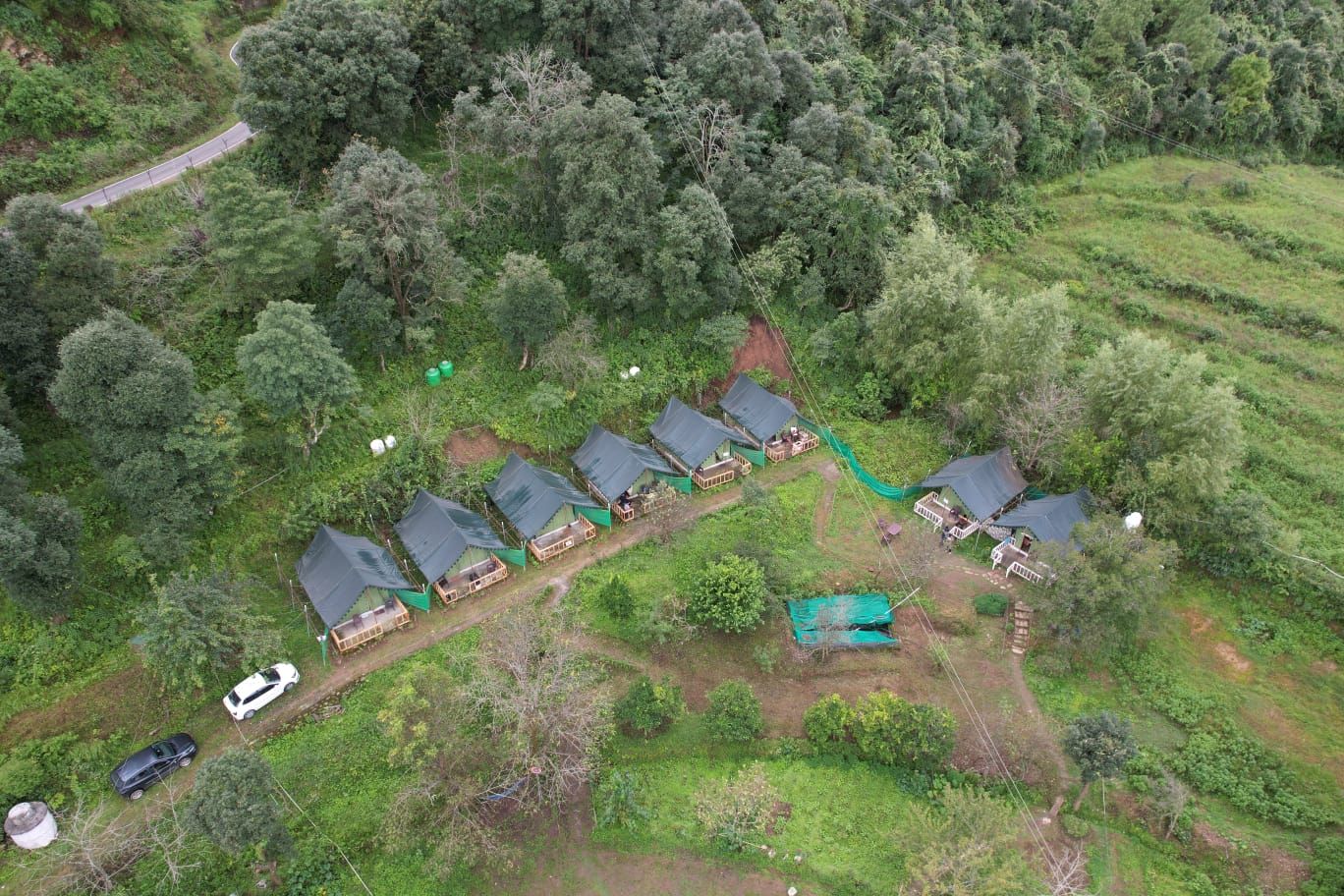
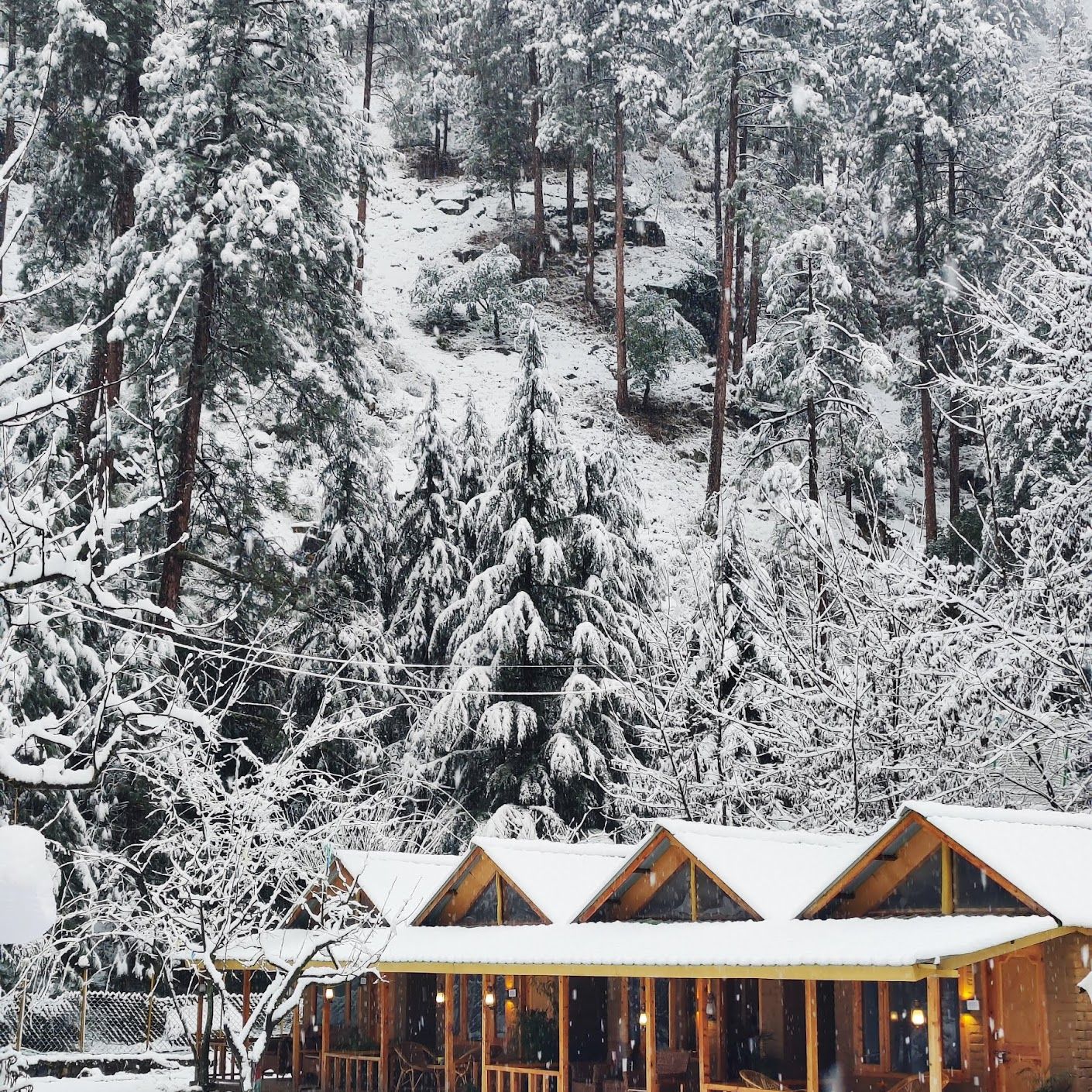
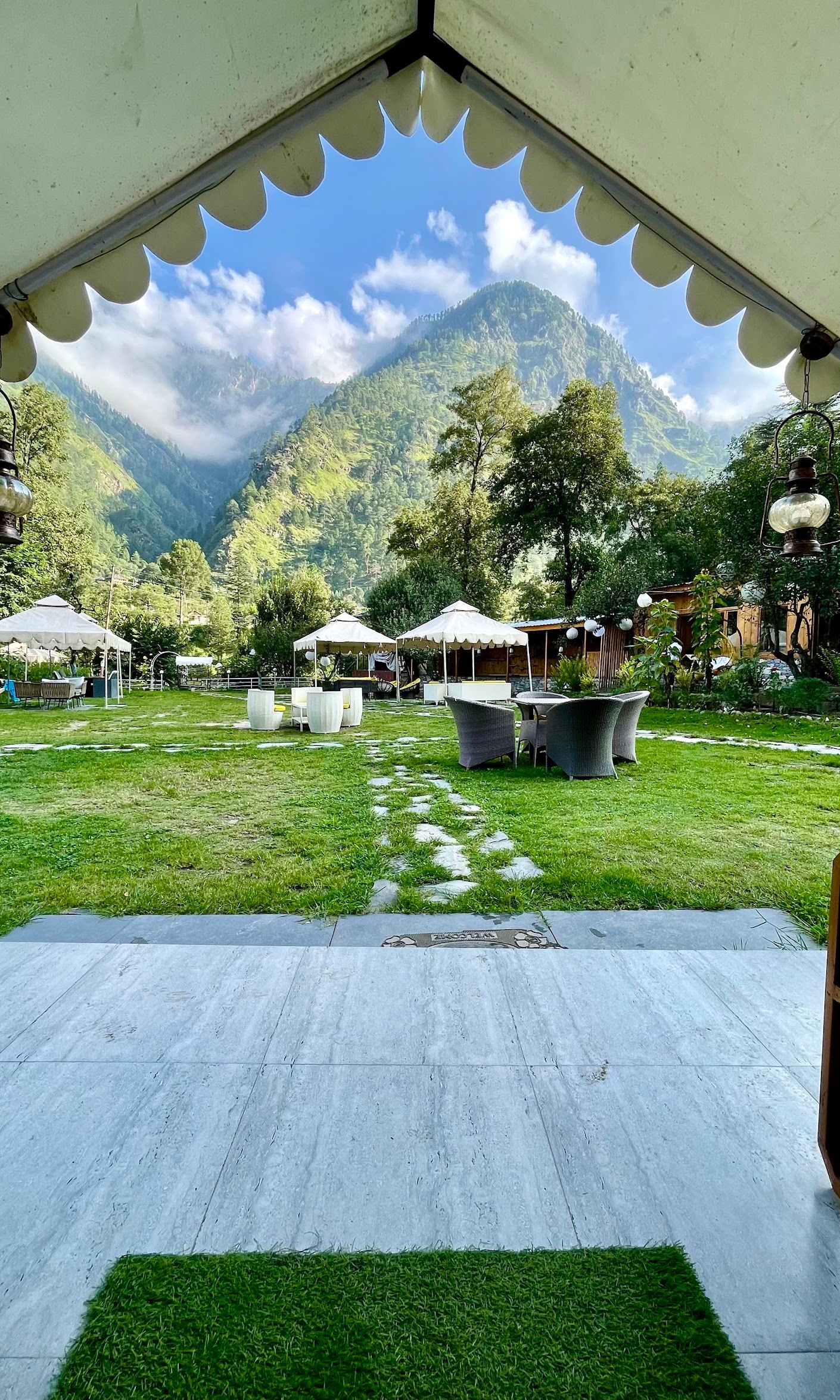
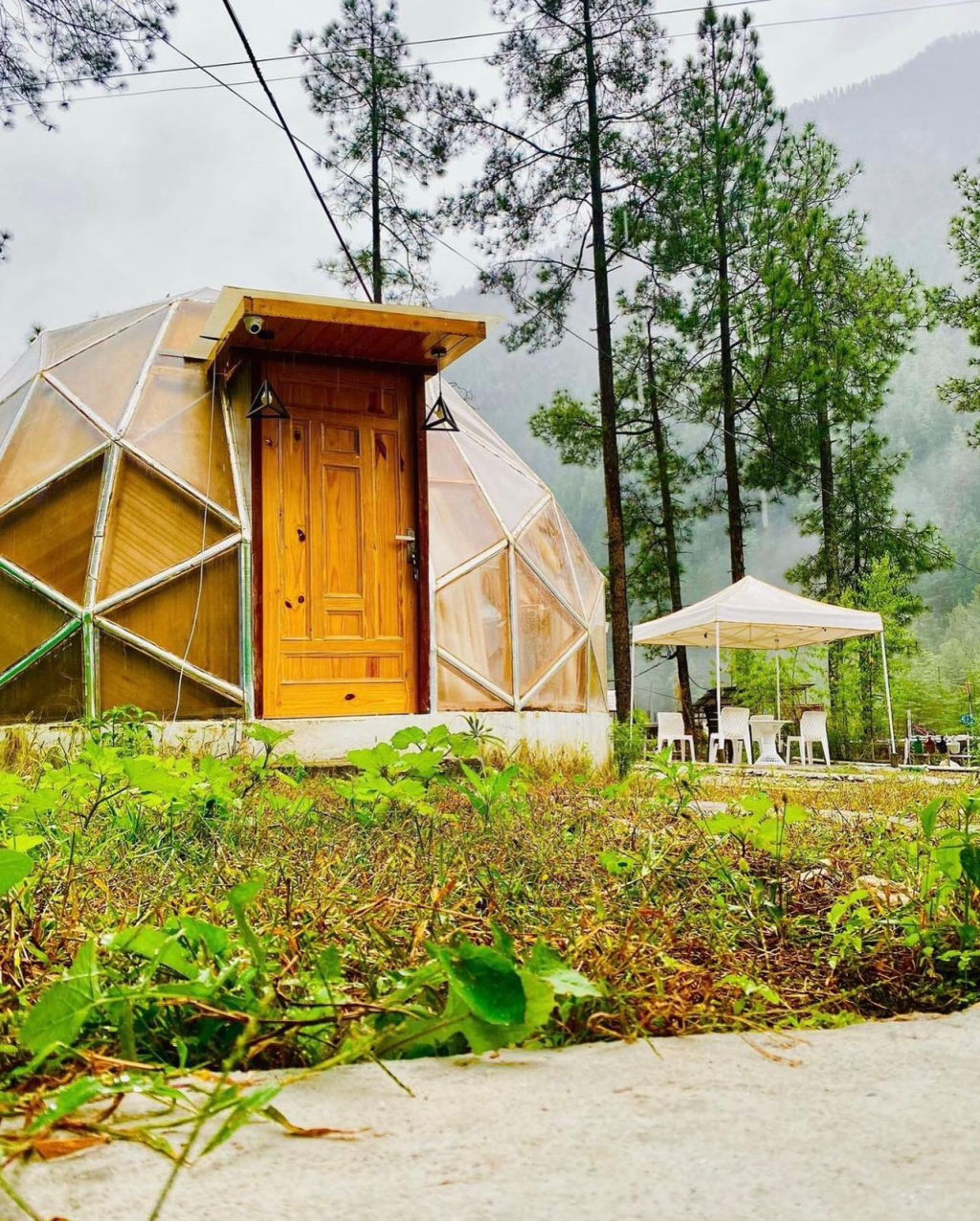
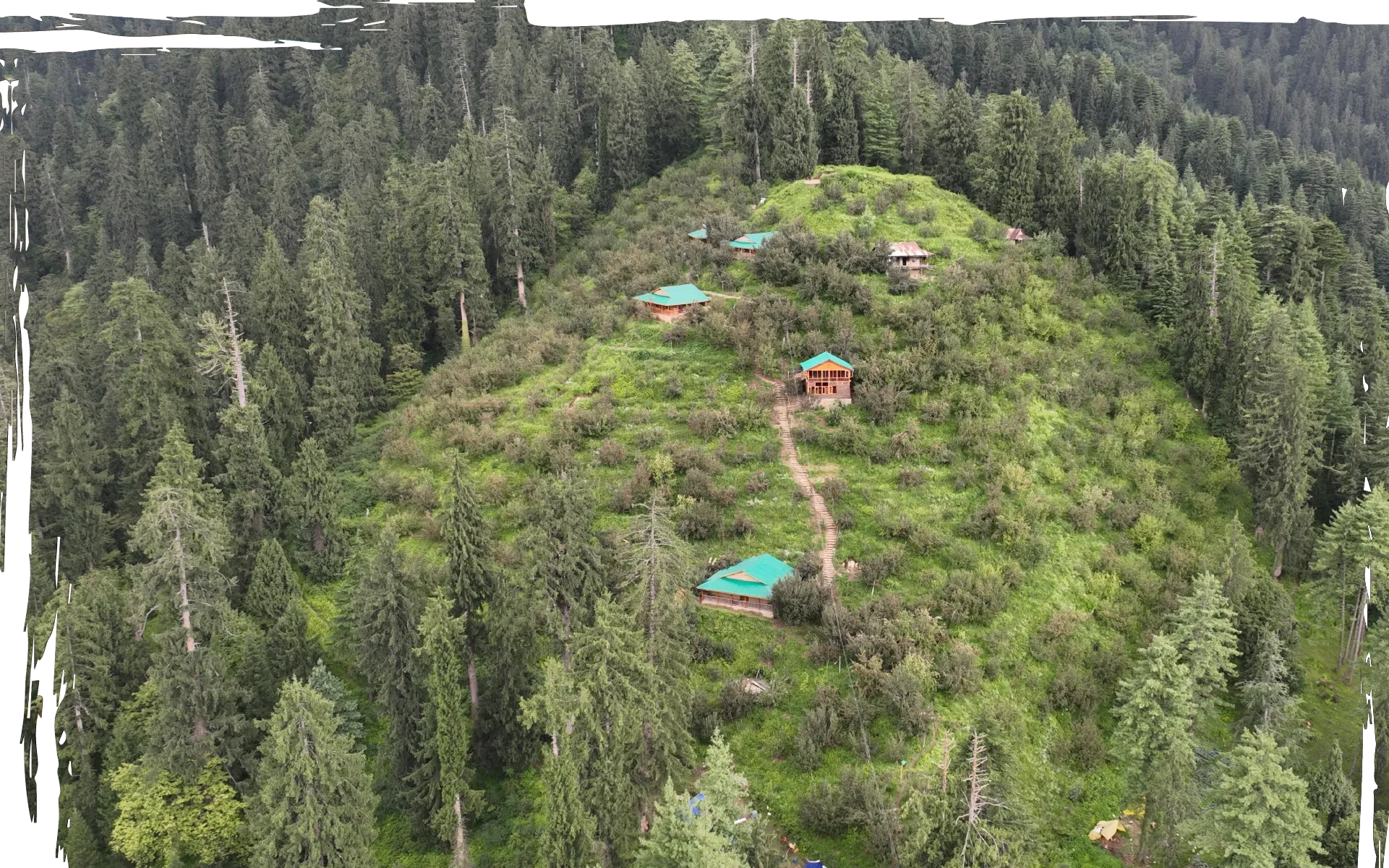
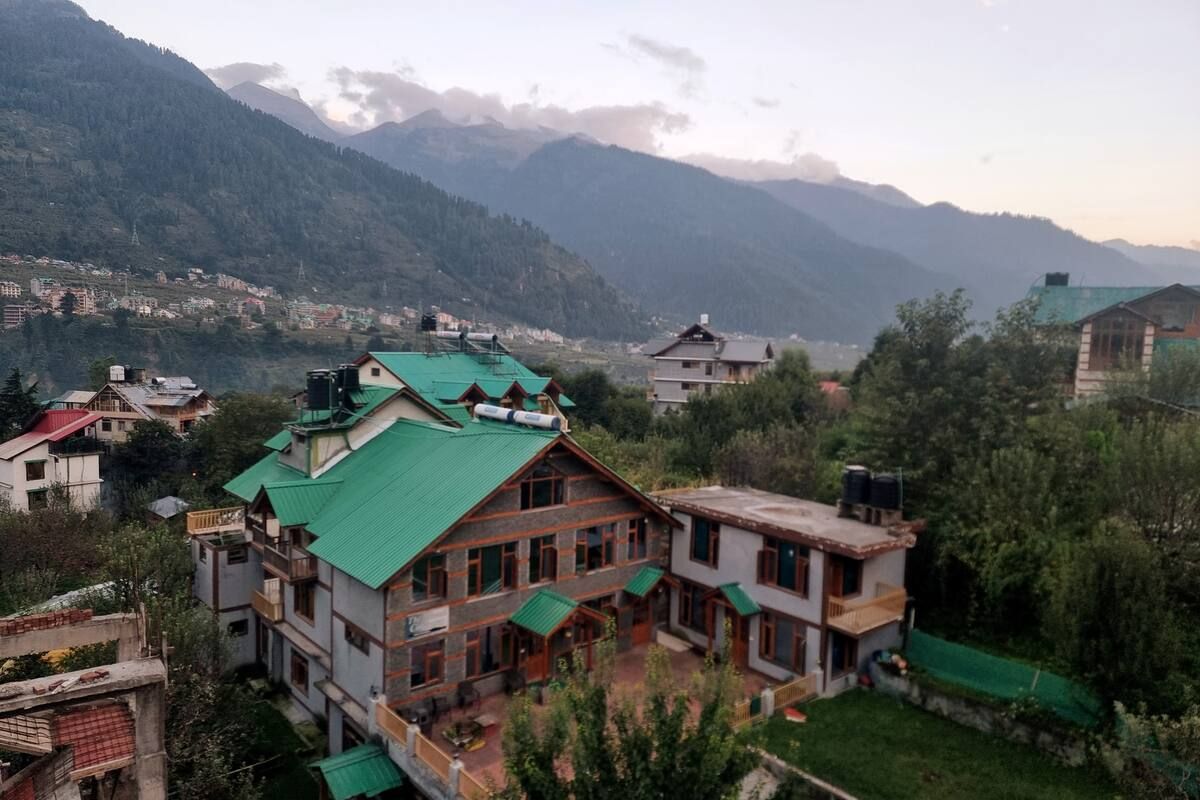
Accommodations around Kullu range from central town guest lodges to riverside camps and serene village homestays tucked into the valley slopes. If you prefer quiet surroundings, look for stays outside the immediate town center along the Beas River or up towards the apple orchards on the hillside roads.
Choosing a rural homestay or a campsite allows you to experience local Himachali food, clear night skies, and direct walking trails into nearby pine woods. Stays across Kullu, including managed campsites, farm stays, and traditional cottages, can be found and booked on HireACamp.
Practical tips for visiting Kullu
Because temperatures drop significantly once the sun goes down, it is advisable to pack a warm fleece or light down jacket even during the summer months. If you are visiting in late autumn or winter, heavy woollens, thermal innerwear, and windproof jackets are essential.
When visiting village temples like Bijli Mahadev or those in the Sainj and Parvati valleys, take off footwear before entering the courtyards and ask permission before photographing local residents or inner shrines. During the monsoon season, always monitor local weather updates and check with transport operators regarding road clearances before setting out on day trips.
Frequently asked questions
What is the difference between Kullu and Manali?
Kullu is a broader, lower-altitude valley town known for its regional administration, handicrafts, and temples, whereas Manali is located forty kilometers further north at a higher altitude and focuses heavily on alpine tourism and adventure sports.
Does it snow in Kullu town?
Snowfall in the town center of Kullu is infrequent and light, though the higher mountain slopes, ridges, and passes surrounding the town receive heavy snowfall throughout the winter months.
What should I buy when visiting Kullu?
Kullu is famous for its handwoven woolen shawls, caps, mufflers, and local orchard products such as fresh apples, dried fruit, and natural honey.
How many days are enough to explore Kullu?
Two to three days are generally sufficient to explore Kullu town, visit Bijli Mahadev, and enjoy local river rafting, though adding extra days allows you to take day trips into the neighboring Parvati and Sainj valleys.
Is Kullu safe to visit during the monsoon?
While the valley is beautiful during the rains, heavy downpours can cause landslides along mountain highways, so travellers should check road conditions locally and exercise caution near rivers.
Where you'll be
6 stays nearby shown with prices
Stays near Kullu
Book a place to stay close by
Things to do in Kullu
48 places creators recommend within 30 km


Built from 0 Instagram posts by 0 creators. Every tip links back to the post it came from, and where creators disagree we show both sides.






